Clinical Summary:
Full mouth rehabilitation addresses severe occlusal collapse, missing dentition, and temporomandibular joint (TMJ) dysfunction. By utilizing Digital Smile Design (DSD), 3D CBCT diagnostics, and biocompatible monolithic zirconia, specialists restore the Vertical Dimension of Occlusion (VDO). Dental tourism in Vietnam offers these advanced protocols, including IV conscious sedation and autologous Platelet-Rich Fibrin (PRF) grafting, at significantly reduced costs compared to North American clinics, without compromising clinical efficacy or material integrity.
Key Takeaways:
- Restoring the Vertical Dimension of Occlusion (VDO) alleviates muscle fatigue and corrects bite collapse.
- Premium monolithic zirconia ensures metal-free, bio-inert restorations with margin fits under 50 micrometers.
- Patients can save up to 70% on full arch implant-supported bridges in Vietnam compared to US averages.
- Pre-booking via WhatsApp unlocks a 40% discount on standard walk-in implant and crown rates.
- Global manufacturer warranties and remote post-operative support provide long-term clinical peace of mind.
The High Cost of Major Aesthetic Dental Work in North America
North American dental fees for comprehensive rehabilitation often present prohibitive financial barriers, driving patients to seek international alternatives that offer equivalent clinical standards.
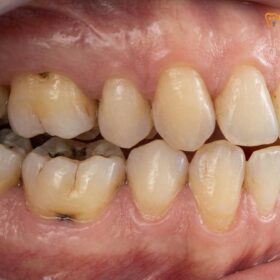
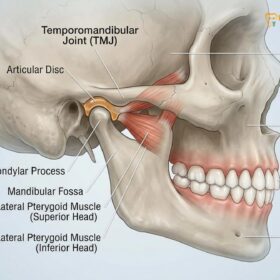
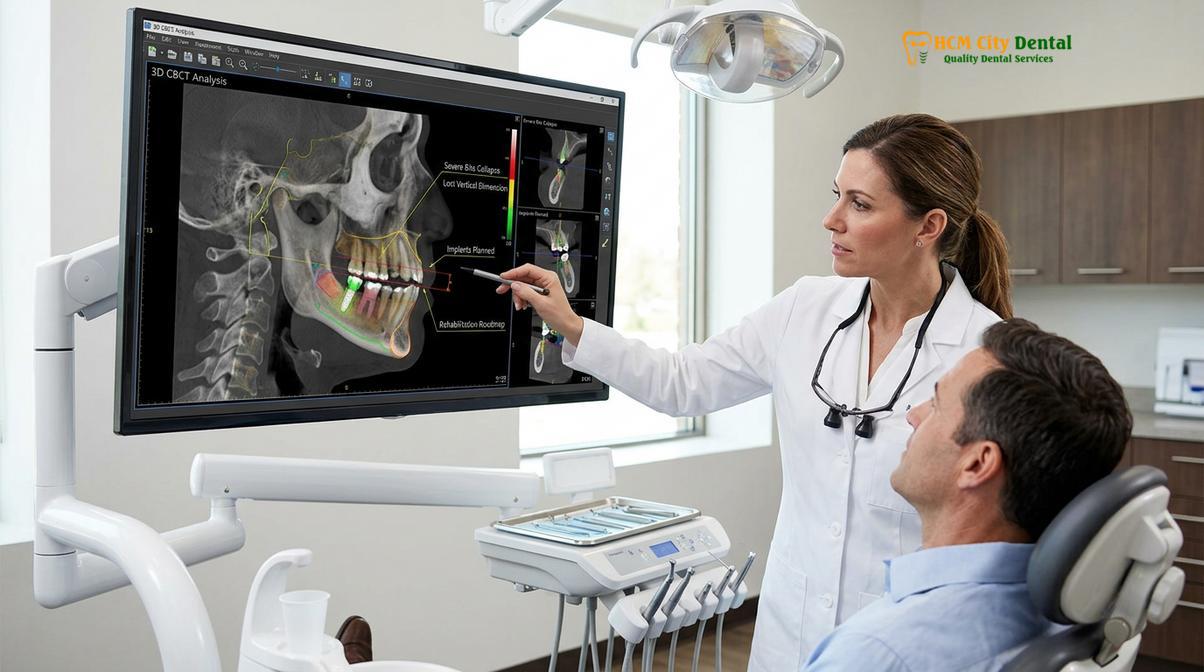
The pathophysiology of severe dental deterioration often culminates in a condition known as bite collapse. When a patient loses posterior dentition, the anterior teeth are subjected to excessive occlusal forces, leading to flaring, attrition, and a significant decrease in the Vertical Dimension of Occlusion (VDO). This loss of vertical height not only alters facial aesthetics—causing a prematurely aged appearance—but also induces severe temporomandibular joint (TMJ) dysfunction and chronic masticatory muscle fatigue. Addressing this complex biomechanical failure requires a comprehensive Full Mouth Rehabilitation.
In the United States and Canada, the financial burden of such extensive restorative work is staggering. A review of standard US dental fee guidelines reveals that a single arch restoration utilizing dental implants can easily exceed $25,000 to $40,000. When performing a canadian dental cost comparison, the figures remain similarly prohibitive, often leaving patients with compromised oral health due to an inability to afford care. The high costs are driven by exorbitant laboratory fees, high overhead expenses, and the multi-disciplinary nature of neuromuscular dentistry, which requires precise calculation of the physiologic rest jaw position and often involves TENS therapy to relax hyperactive musculature prior to establishing a new bite.
“The restoration of a collapsed bite requires meticulous calculation of the Vertical Dimension of Occlusion to prevent temporomandibular joint overloading and ensure long-term prosthetic survival.” [1]
To correct a collapsed bite, clinicians must utilize diagnostic temporary splints to transition the patient to a new, healthy VDO before fabricating permanent bio-inert restorations. This phased approach, while clinically necessary, multiplies the cost in North American clinics. Consequently, the full mouth reconstruction cost becomes a barrier to functional recovery, prompting a massive surge in patients looking toward Southeast Asia for viable, high-quality alternatives.
Standard Pricing for Full Monolithic Zirconia Arches: HCMC vs. US Clinics
Vietnamese clinics offer transparent, tiered pricing for implant fixtures and full arch restorations, yielding substantial savings over US counterparts while utilizing identical premium materials.
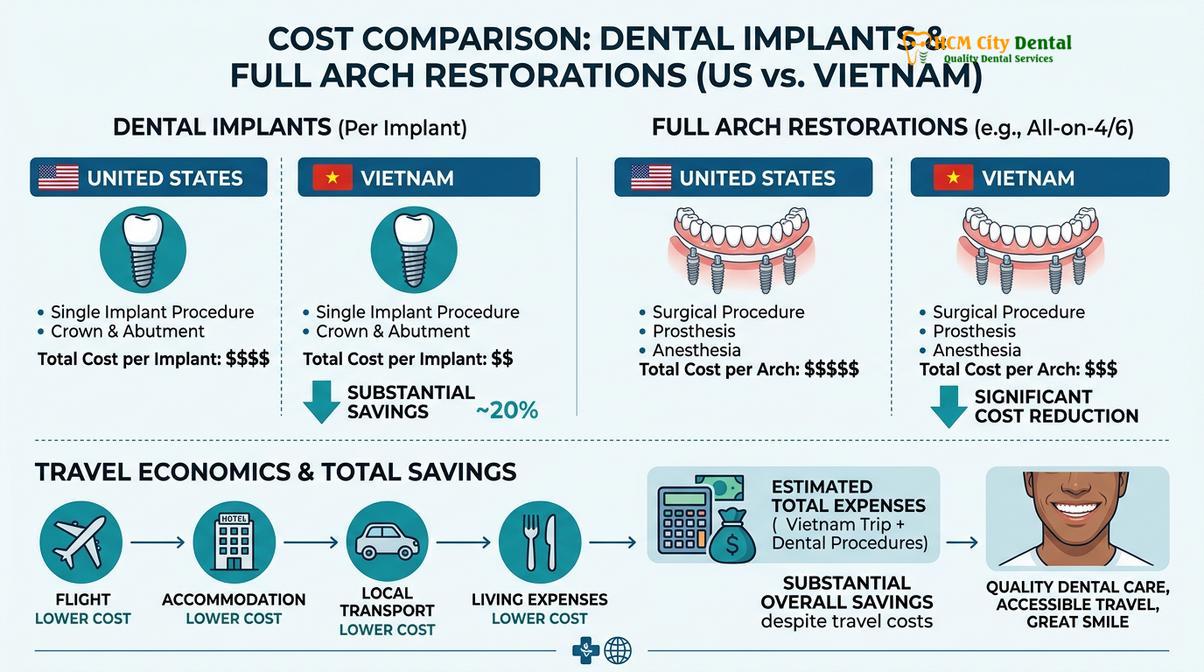
When analyzing the full mouth reconstruction cost Vietnam vs USA, the most striking difference lies in the transparent and highly structured pricing models available in Ho Chi Minh City. Clinics in Vietnam leverage lower operational overhead and direct laboratory integration to provide premium services at a fraction of the cost. Furthermore, international patients can take advantage of significant promotional structures, such as a 40% pre-arrival discount for WhatsApp bookings, which dramatically alters the financial landscape of full arch restorations.
The foundation of a full mouth reconstruction often relies on dental implants. The pricing structure for a single implant (Fixture & Abutment only, excluding the crown) at leading Vietnamese clinics is categorized by the origin and biomechanical properties of the titanium post:
- Economy (Dentis/Neo Biotech): Walk-in rate is approximately $770 (20M VND). With the WhatsApp pre-booking discount, the cost is From $460 (12M VND), representing a 40% reduction.
- Economy Plus (Dentium Hàn): Walk-in rate is ~$900 (23.3M VND). WhatsApp pre-booking discount: From $540 (14M VND).
- Standard (Dentium Superline Mỹ / IBS): Walk-in rate is ~$1,090 (28.3M VND). WhatsApp pre-booking discount: From $655 (17M VND).
- Premium (Ritter Đức / B&B Ý): Walk-in rate is ~$1,600 (41.6M VND). WhatsApp pre-booking discount: From $965 (25M VND).
- Premium Plus (Straumann BLT-SLA): Walk-in rate is ~$1,795 (46.6M VND). WhatsApp pre-booking discount: From $1,080 (28.0M VND).
- High-End (Straumann Active): Walk-in rate is ~$2,250 (58.3M VND). WhatsApp pre-booking discount: From $1,350 (35M VND).
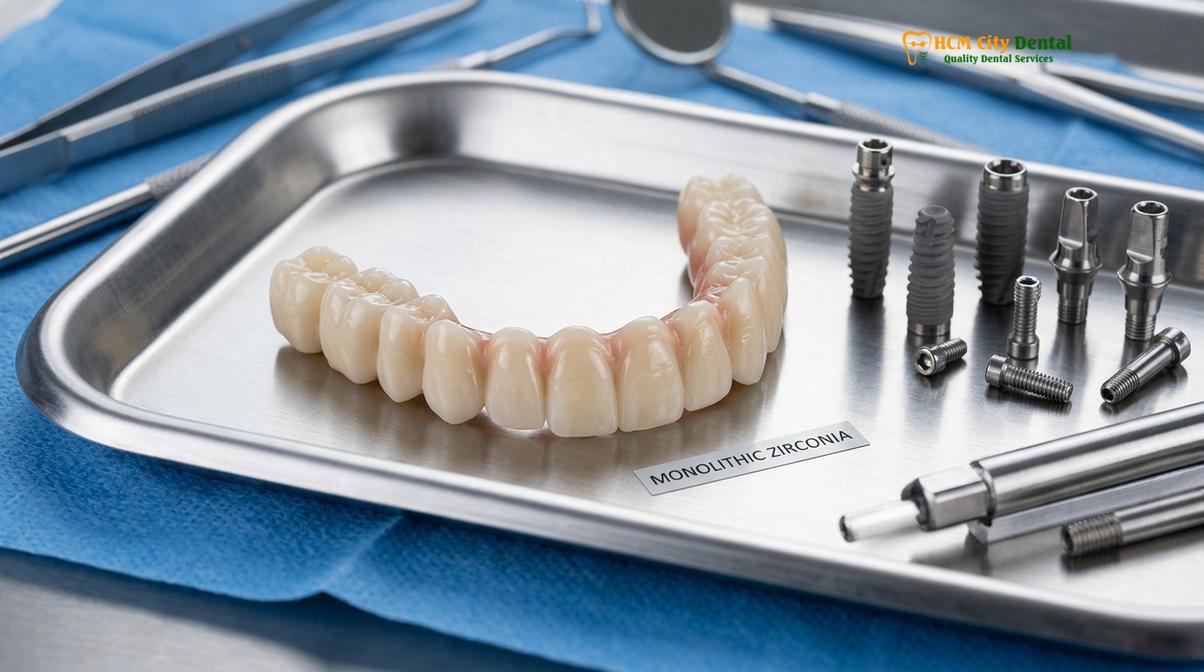
For the restorative phase, a Crown on Implant carries a walk-in rate of ~$260 – $385 (6.7M – 10M VND), but drops to From $155 – $230 (4M – 6M VND) per tooth with the WhatsApp pre-booking discount. These crowns are fabricated from Biocompatible Monolithic Zirconia, sourced from premium Swiss and German brands. This material is entirely metal-free, bio-inert, and capable of achieving a margin fit under 50 micrometers, which is critical for respecting the biological width and preventing peri-implantitis [2].
For patients requiring complete edentulous solutions, Full Mouth Rehabilitation Packages offer profound value:
- Full Arch Zirconia Bridge on Implants (All-on-4 / All-on-6): Walk-in rates range from ~$12,000 to $22,000 per arch. The WhatsApp pre-booking discount brings this down to From $7,200 – $13,200 per arch.
- Snap-On Overdenture (Implant-supported): Utilizing locator snap-on attachments, the walk-in rate is ~$5,000 – $8,000. With the WhatsApp discount, it is From $3,000 – $4,800 per arch.
- Full Mouth Crowns (14 crowns per arch, Zirconia HT): For patients retaining their natural roots but requiring severe VDO correction, the walk-in rate is ~$3,640 per arch. The WhatsApp pre-booking discount reduces this to From $2,184 per arch (based on $156 per crown).
| Treatment Modality | Average US Cost | Vietnam Walk-in Cost | Vietnam WhatsApp Discount (-40%) |
|---|---|---|---|
| Single Implant (Standard – Dentium USA) | $3,500 – $5,000 | ~$1,090 | From $655 |
| Premium Implant (Straumann BLT-SLA) | $5,000 – $7,000 | ~$1,795 | From $1,080 |
| All-on-4 Zirconia Bridge (Per Arch) | $25,000 – $40,000 | ~$12,000 – $22,000 | From $7,200 – $13,200 |
| Implant-Supported Overdenture | $10,000 – $15,000 | ~$5,000 – $8,000 | From $3,000 – $4,800 |
Travel Economics: Flight Costs, Accommodation, and Dental Expenses
Strategic dental tourist budgeting ensures that travel and lodging expenses do not negate the profound clinical savings achieved through international care.
Embarking on dental tourism HCMC requires careful logistical planning to maximize the financial benefits. While the clinical savings are undeniable, patients must account for the travel economics associated with a trans-Pacific journey. A comprehensive approach to dental tourist budgeting involves calculating round-trip airfare, accommodation, local transportation, and daily living expenses.
Typically, a full mouth reconstruction requires two separate visits to Vietnam. The first visit, dedicated to surgical extraction, bone grafting, and implant placement, usually necessitates a stay of 10 to 14 days. Following a healing period of three to six months for osseointegration, the patient returns for a second visit of similar duration to receive the final monolithic zirconia prosthetics. Round-trip flights from major US hubs to Ho Chi Minh City generally range from $800 to $1,500 depending on the season. Accommodation in central districts (such as District 1 or District 3) offers a spectrum of choices, from comfortable boutique hotels at $40 per night to luxury accommodations at $150 per night.
A critical aspect of planning is hidden cost avoidance. Patients should ensure that their quoted treatment plan includes all necessary clinical components, such as 3D CBCT scans, surgical guides, temporary prosthetics, and post-operative medications. Reputable clinics provide transparent, all-inclusive quotes prior to arrival, eliminating unexpected financial surprises.
Clinical Case Study: Full Arch Rehabilitation
A 62-year-old patient from California presented with severe periodontal disease and a collapsed bite, requiring full maxillary and mandibular clearance. The patient traveled to HCMC Dental Clinic in Ho Chi Minh City. Under the care of Dr. Nguyen Van Cuong, the patient underwent bilateral sinus lifts, guided bone regeneration, and the placement of an All-on-6 framework. Even after factoring in two round-trip flights, 24 nights of hotel accommodation, and local expenses, the patient’s total expenditure was approximately $22,000—compared to a $75,000 treatment plan quoted in Los Angeles. The clinical outcome provided exceptional phonetic compatibility and restored masticatory function.
original European Materials and FDA-Approved Clinics in Vietnam
Top-tier Vietnamese clinics utilize globally recognized, FDA-approved materials and rigorous sterilization protocols to ensure optimal clinical outcomes and patient safety.
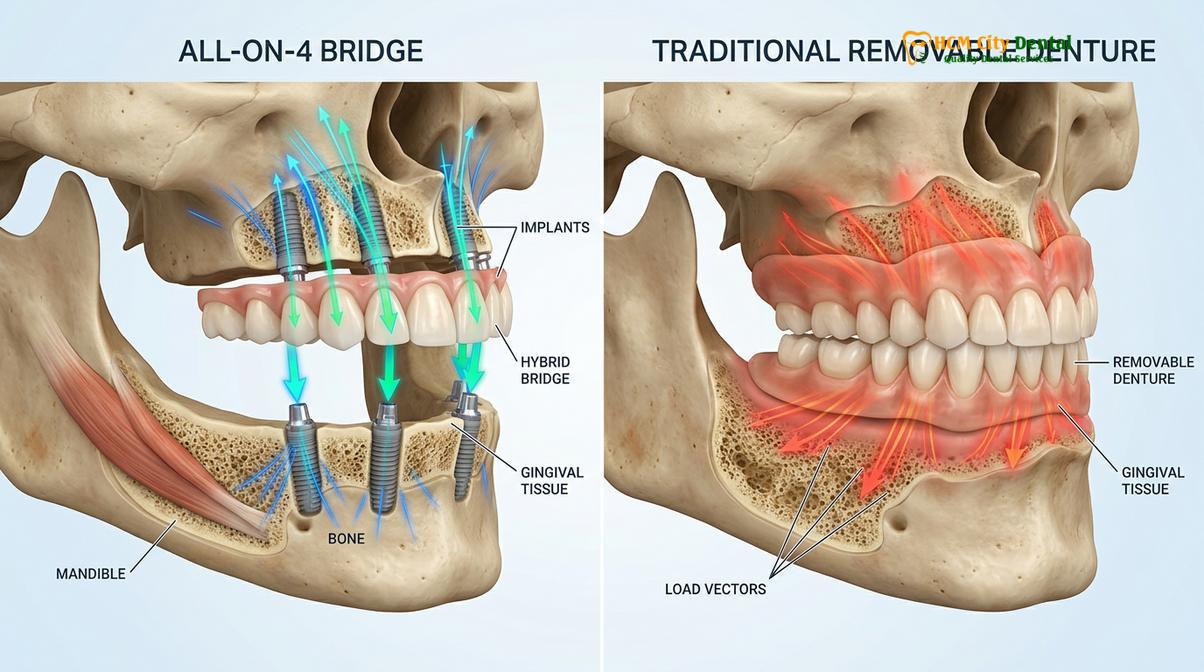
A common misconception regarding international dental care is a presumed compromise in material quality or clinical safety. In reality, leading facilities in Vietnam operate at the forefront of modern dentistry, utilizing FDA approved zirconia and titanium fixtures sourced directly from Switzerland, Germany, and the United States. The structural biomechanics of an All-on-4 or All-on-6 restoration depend entirely on the tensile strength of the framework and the osseointegration of the implants. By using premium brands like Straumann and Nobel Biocare, clinics ensure long-term predictability [3].
Patient comfort and safety during extensive surgical procedures are paramount. Complex rehabilitations are routinely performed under IV Conscious Sedation. This ensures a safe, anxiety-free, and pain-free experience under the direct supervision of a board-certified anesthesiologist. The sedation protocol typically involves a carefully titrated combination of Midazolam and Propofol, accompanied by continuous EKG, pulse oximetry, and blood pressure monitoring. This allows the surgical team to work efficiently while the patient remains in a deeply relaxed, physiologic rest state.
To accelerate healing and enhance tissue integration, advanced clinics employ Platelet-Rich Fibrin (PRF) therapy. By drawing a small amount of the patient’s own blood and centrifuging it, clinicians isolate autologous growth factors. This PRF matrix is then applied to extraction sites and bone grafts, significantly reducing post-operative inflammation and accelerating guided bone regeneration [4].
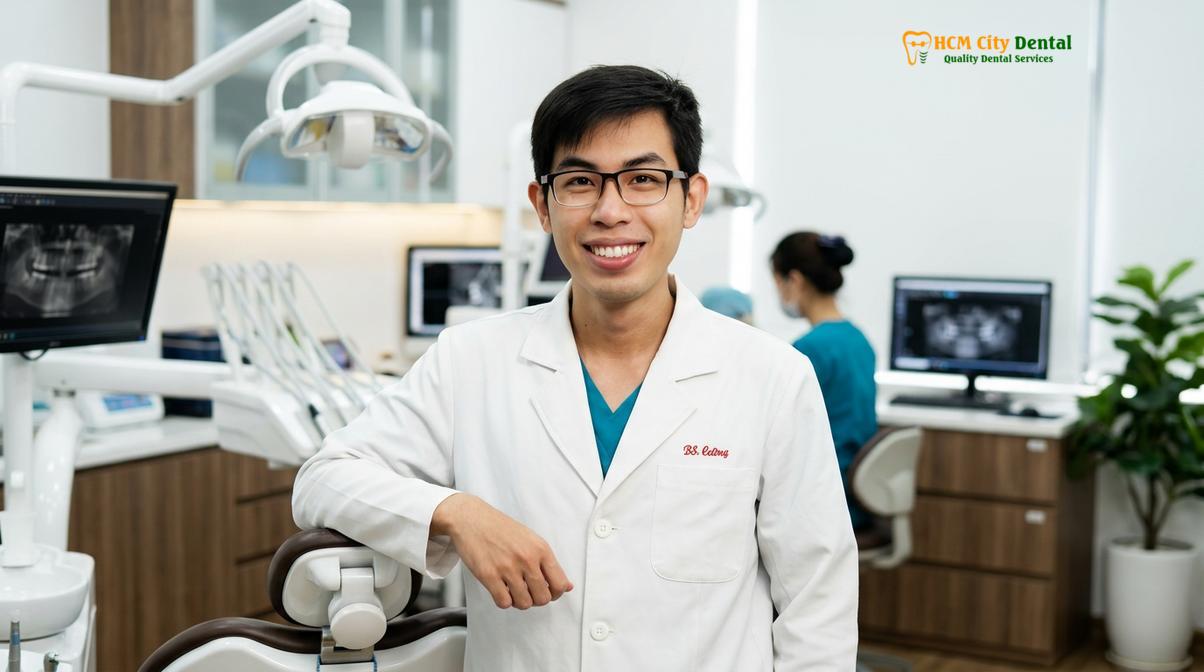
From an aesthetic standpoint, the integration of Digital Smile Design (DSD) has revolutionized full mouth reconstructions. Dr. Nguyen Van Cuong emphasizes the importance of DSD in creating 3D digital mock-ups and tooth wax-ups before any irreversible tooth preparation occurs. This digital workflow allows the patient to preview their new smile and enables the clinician to verify phonetic compatibility, anterior guidance, and lip support. The final restorations are then milled from biocompatible monolithic zirconia, ensuring a flawless margin fit and exceptional translucency that mimics natural enamel.
Important Clinical Warning:
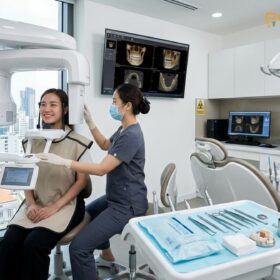
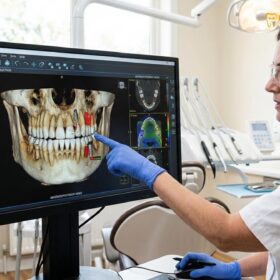
Patients seeking full mouth reconstruction must insist on comprehensive CBCT 3D bone diagnostics prior to surgery. Avoid facilities that attempt to place implants using only 2D panoramic X-rays, as this severely compromises the assessment of bone density, nerve proximity, and sinus anatomy, increasing the risk of surgical failure.
Financing and Installment Plans for US Dental Tourists
International patients can leverage itemized billing and flexible payment structures to further optimize their out-of-pocket medical expenditures.
Navigating the financial logistics of international healthcare requires an understanding of available billing and reimbursement mechanisms. While the upfront full mouth reconstruction cost in Vietnam is drastically lower, patients can still utilize various financial tools to manage their investment. Many modern clinics cater specifically to expatriates and dental tourists by offering international billing support and transparent financial counseling.
For patients with comprehensive dental coverage, submitting a private health insurance dental claim for out-of-network international care is often possible. To facilitate this, the clinic’s administrative team must provide an itemized ADA invoice. This document includes the specific American Dental Association (ADA) Current Dental Terminology (CDT) codes for every procedure performed, from surgical extractions and bone grafting to the final delivery of the monolithic zirconia prosthetics. While Medicare does not cover overseas dental care, many private PPO plans will reimburse a percentage of the costs based on their allowable fee schedule.
Furthermore, US taxpayers may be eligible to claim their international dental expenses as a tax offset medical expenses deduction. According to IRS guidelines, if total out-of-pocket medical and dental expenses exceed a certain percentage of the patient’s adjusted gross income, the excess can be deducted. This can include not only the cost of the dental procedures but also travel expenses directly related to receiving medical care, such as airfare and lodging. Patients should consult with a qualified tax professional to ensure compliance with current regulations.
“Properly coded international dental invoices allow patients to legally claim medical tax offsets, significantly reducing the net cost of complex rehabilitative care.” [5]
To further ease the financial burden, many clinics offer payment plans installment options. These plans often feature 0% interest for the duration of the treatment, allowing patients to divide the cost between their first and second visits. This phased payment approach aligns with the clinical workflow, ensuring that patients only pay for the surgical phase initially, and settle the balance for the restorative phase upon the final delivery of their crowns or bridges.
When to See a Doctor for Full Mouth Rehabilitation
Determining the need for a full mouth reconstruction requires a comprehensive clinical evaluation. Patients should seek a consultation if they experience severe attrition (wear) of their teeth, multiple missing teeth, chronic temporomandibular joint (TMJ) pain, or a noticeable collapse in their facial profile due to a loss of vertical dimension. Additionally, individuals with failing dentition due to advanced periodontal disease or rampant decay are prime candidates for full arch implant-supported solutions.
However, there are specific contraindications that must be addressed prior to surgery. Patients with uncontrolled diabetes, active severe periodontitis, or those undergoing intravenous bisphosphonate therapy for osteoporosis require careful medical clearance. A personalized clinical examination, including a 3D CBCT scan and a thorough review of medical history, is mandatory to determine candidacy. The success of procedures like vital pulp capping, guided bone regeneration, and implant osseointegration depends heavily on the patient’s systemic health and adherence to post-operative care protocols.
Frequently Asked Questions
How much can a US patient save by getting a full mouth reconstruction in Vietnam?
A US patient can typically save between 50% and 70% on a full mouth reconstruction in Vietnam compared to domestic prices. While a full arch implant-supported bridge might exceed $25,000 per arch in the United States, the same procedure utilizing premium titanium fixtures and monolithic zirconia costs significantly less in Vietnam, even when factoring in travel and accommodation expenses. The exact savings depend on the specific materials chosen and the complexity of the bone grafting required.
Are the dental clinics in Vietnam safe and sterile?
Yes, top-tier dental clinics in Vietnam adhere to rigorous international safety and sterilization protocols. Facilities utilize Class-B hospital-grade autoclaves, maintain dedicated sterile surgical suites, and employ single-use consumables. Furthermore, leading implant centers are equipped with advanced CBCT 3D imaging and partner with globally recognized dental brands to ensure clinical excellence and patient safety. Cross-infection control is strictly monitored to meet or exceed standards set by international health organizations.
How do I pay for my dental treatment in Vietnam?
Patients can pay for their dental treatment in Vietnam using major credit cards, international bank transfers, or cash. Many clinics also facilitate payment plans installment options with 0% interest, allowing the cost to be split across the different phases of treatment. Additionally, reputable centers provide an itemized ADA invoice to help patients process a private health insurance dental claim or apply for tax offset medical expenses in their home country.
What happens if I need post-operative support back in the US?
Reputable Vietnamese clinics provide global manufacturer warranty cards for implant fixtures, which are recognized by partner clinics worldwide. In addition to these warranties, specialists offer remote post-operative checkups via WhatsApp or telehealth platforms to monitor healing. If physical adjustments are required, patients can often visit a local affiliated provider or utilize their global warranty to ensure their restorations remain functional and aesthetically pleasing without needing to travel back immediately.
How long does a full mouth reconstruction take in Vietnam?
A full mouth reconstruction typically requires two separate visits to Vietnam, spaced three to six months apart. The initial surgical phase, involving extractions, bone grafting, and implant placement, usually takes 7 to 14 days. After the osseointegration period, the patient returns for another 10 to 14 days to have the final permanent monolithic zirconia restorations custom-fitted and permanently attached. This phased approach ensures optimal healing and long-term biomechanical stability.
References
- The Journal of Prosthetic Dentistry. Vertical dimension of occlusion restoration parameters. (2021).
- International Journal of Prosthodontics. Biomechanical load distribution in All-on-4 restorations. (2020).
- Journal of Clinical Periodontology. Biocompatible dental materials and soft tissue response. (2019).
- Clinical Oral Implants Research. Platelet-rich fibrin in guided bone regeneration. (2022).
- Journal of Esthetic and Restorative Dentistry. Digital smile design functional protocols. (2018).
For customized treatment planning, transparent cost estimates, and direct consultation with Dr. Cuong, visit our comprehensive Full Mouth Rehabilitation service page or message our team directly via WhatsApp to receive an instant assessment.