A biocompatible full mouth restoration is a comprehensive dental rehabilitation that rebuilds the entire dentition using non-toxic, metal-free materials like monolithic zirconia. This approach not only restores chewing function and aesthetics but also eliminates systemic risks associated with metal allergies and oral galvanism.
For patients suffering from severe tooth loss, advanced periodontal disease, or a collapsed bite, traditional reconstructive methods often relied on metal-based frameworks. Today, modern clinical protocols prioritize bio-inert materials that integrate seamlessly with the body’s natural tissues. By combining advanced 3D diagnostics, neuromuscular alignment, and hypoallergenic prosthetics, clinicians can achieve highly predictable, long-lasting results that support overall systemic health.
Clinical Summary:
Biocompatible full mouth restoration focuses on rehabilitating the oral cavity using materials that provoke zero adverse immune responses. The clinical workflow involves restoring the vertical dimension of occlusion to correct bite collapse, utilizing intraoral 3D scanning and CAD/CAM precision to design metal-free prosthetics. Premium monolithic zirconia from Swiss and German manufacturers is utilized for its exceptional strength and bio-inert properties. Procedures are often performed under IV conscious sedation for maximum patient comfort, incorporating Platelet-Rich Fibrin (PRF) to accelerate tissue healing. This holistic, evidence-based approach ensures optimal biomechanical function, superior gingival health, and the elimination of galvanic toxicity.
Key Takeaways:
- Biocompatible restorations utilize metal-free materials like monolithic zirconia to prevent allergic reactions and systemic inflammation.
- Restoring the vertical dimension of occlusion is critical for resolving bite collapse and temporomandibular joint (TMJ) dysfunction.
- Advanced diagnostics, including intraoral 3D scans and Digital Smile Design, ensure precise phonetic and functional outcomes.
- BPA-free aesthetic composite cements are used to secure restorations without introducing endocrine-disrupting chemicals.
- IV conscious sedation and PRF therapy provide a safe, anxiety-free surgical experience with accelerated healing.
The Systemic Risks of Metal Restorations: Galvanism and Corrosion
Metal dental restorations can cause oral galvanism and corrosion, leading to localized tissue inflammation, metallic taste, and potential systemic hypersensitivity reactions.
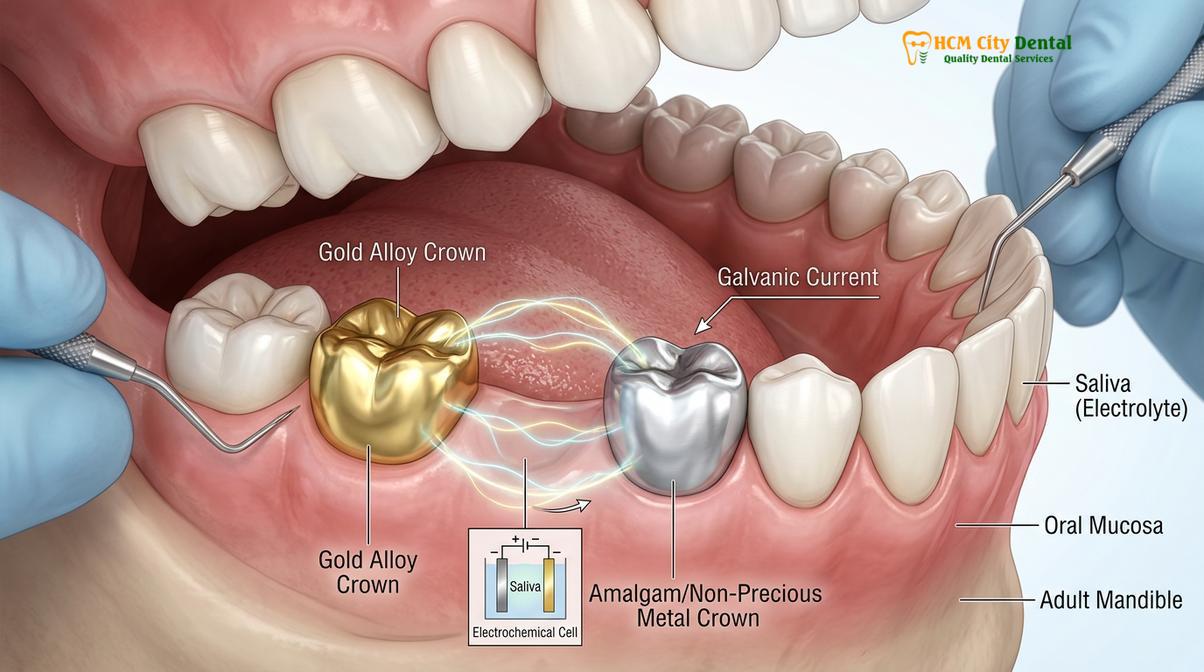
Historically, full mouth reconstructions relied heavily on amalgam fillings, cast gold, and base metal alloys. While durable, the presence of dissimilar metals in the oral cavity creates a unique and often problematic environment. Saliva acts as an electrolyte, and when different metals are present, they can generate an electrical charge known as an oral galvanic current. This battery effect can lead to chronic nerve stimulation, unexplained facial pain, and a persistent metallic taste in the mouth[1].
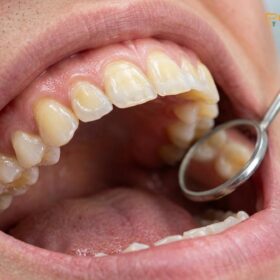
Beyond the electrical phenomena, metal restorations are susceptible to corrosion over time. As base metals like nickel, beryllium, and cobalt break down in the acidic oral environment, they release metallic ions into the surrounding soft tissues and bloodstream. This ionic release can trigger localized gingival inflammation, often presenting as a dark, tattooed appearance on the gums, and may provoke systemic hypersensitivity in predisposed individuals. The immune system’s constant low-grade response to these foreign metallic ions can contribute to chronic fatigue and broader inflammatory conditions.
In the context of Full Mouth Rehabilitation, eliminating these toxic triggers is paramount. When addressing a complex case, such as a bite collapse restoration, the removal of failing metal prosthetics is the first step toward establishing a biologically sound foundation. By transitioning the patient to entirely metal-free, biocompatible alternatives, clinicians can halt the progression of galvanic toxicity and allow the immune system to stabilize, creating a healthier environment for the new restorations to integrate.
“The elimination of dissimilar intraoral metals is a critical step in modern reconstructive dentistry, significantly reducing the incidence of oral galvanism and the systemic burden of metallic ion corrosion.”
Swiss and German Zirconia Brands: Hypoallergenic and Bio-inert Restorations
Premium Swiss and German zirconia provide exceptional flexural strength and bio-inert properties, making them the ideal hypoallergenic choice for full arch restorations.
The cornerstone of a biocompatible full mouth restoration is the selection of the restorative material. Monolithic zirconia, particularly yttria-stabilized tetragonal zirconia polycrystal (Y-TZP), has revolutionized the field of prosthodontics. Sourced from industry-leading Swiss and German manufacturers, these premium zirconia blocks offer unparalleled flexural strength—often exceeding 1200 MPa—making them capable of withstanding the immense biomechanical forces of the posterior jaw without the need for a metal substructure[2].
What sets premium zirconia apart is its profound bio-inert nature. Unlike metals that oxidize and degrade, a bio-inert zirconia crown does not react with saliva, does not release ions, and is completely hypoallergenic. This makes it the material of choice for patients with known metal sensitivities or those seeking a holistic approach to their dental care. Furthermore, the thermal conductivity of zirconia is significantly lower than that of metal, meaning patients experience far less sensitivity to hot and cold foods following their reconstruction.
The fabrication of these restorations relies heavily on CAD/CAM precision. Following an intraoral 3D scan, the digital data is used to mill the monolithic zirconia with microscopic accuracy, achieving margin fits under 50 micrometers. This exactness is crucial; a precise margin prevents bacterial microleakage, protects the underlying abutment or natural tooth structure, and ensures the long-term survivability of the restoration. Dr. Nguyen Van Cuong frequently emphasizes that the combination of premium European materials and digital milling technology is what allows for the predictable success of complex full arch cases.
BPA-Free Aesthetic Composite Cements for Secure Luting
Utilizing BPA-free composite cements ensures secure, long-lasting adhesion of restorations without exposing the patient to endocrine-disrupting chemicals.
The biocompatibility of a restoration is not determined solely by the crown or bridge material; the luting agent used to bond the prosthetic to the tooth or implant abutment is equally critical. Traditional dental resins and composite cements often contain Bisphenol A (BPA) or its derivatives, such as Bis-GMA. Over time, salivary enzymes and mechanical wear can cause these cements to degrade, potentially releasing trace amounts of BPA—a known endocrine disruptor—into the body.
To maintain a strictly non-toxic protocol, advanced reconstructive clinics utilize BPA-free luting cement. These modern adhesive systems are formulated using alternative monomer structures that provide exceptional bond strength and marginal sealing without the associated systemic risks. The use of dual-cure, BPA-free cements ensures that even in deep, light-inaccessible areas (such as beneath a thick zirconia molar crown), the cement polymerizes completely, preventing the leaching of unreacted monomers.
Clinical Warning: Incomplete polymerization of traditional resin cements can lead to microleakage, recurrent decay, and the release of potentially harmful monomers. The use of advanced, biocompatible luting agents is essential for maintaining the biological seal around implant abutments and natural tooth margins.
Furthermore, these aesthetic composite cements are highly color-stable. They do not darken or yellow over time, ensuring that the translucency and natural vitality of the overlying zirconia are preserved. By meticulously managing the biological width and utilizing biocompatible adhesives, clinicians can achieve a seamless transition between the restoration and the natural tooth root, fostering an environment where the gingival tissues can thrive without chronic irritation.
Gum Compatibility: Zirconia vs. Metal-Ceramic (PFM) Margin Health
Zirconia’s smooth, plaque-resistant surface promotes superior gingival health and attachment compared to the inflammatory risks associated with metal-ceramic restorations.
The interaction between a dental restoration and the surrounding soft tissue is a primary indicator of clinical success. Porcelain-Fused-to-Metal (PFM) crowns have long been associated with periodontal complications. The metal collar at the margin of a PFM crown often causes localized irritation, leading to chronic gingivitis and eventual PFM gum recession. As the gums recede, the dark metal margin becomes visible, creating a significant aesthetic compromise, particularly in the anterior aesthetic zone.
In stark contrast, zirconia exhibits exceptional soft tissue compatibility. The highly polished surface of a zirconia restoration has a remarkably low affinity for plaque accumulation. Bacteria struggle to adhere to the dense, smooth ceramic, which drastically reduces the risk of peri-implantitis or marginal gingivitis[3]. Clinical studies consistently show that human gingival fibroblasts attach more readily to zirconia than to titanium or base metal alloys, promoting a tight, healthy biological seal around the restoration.
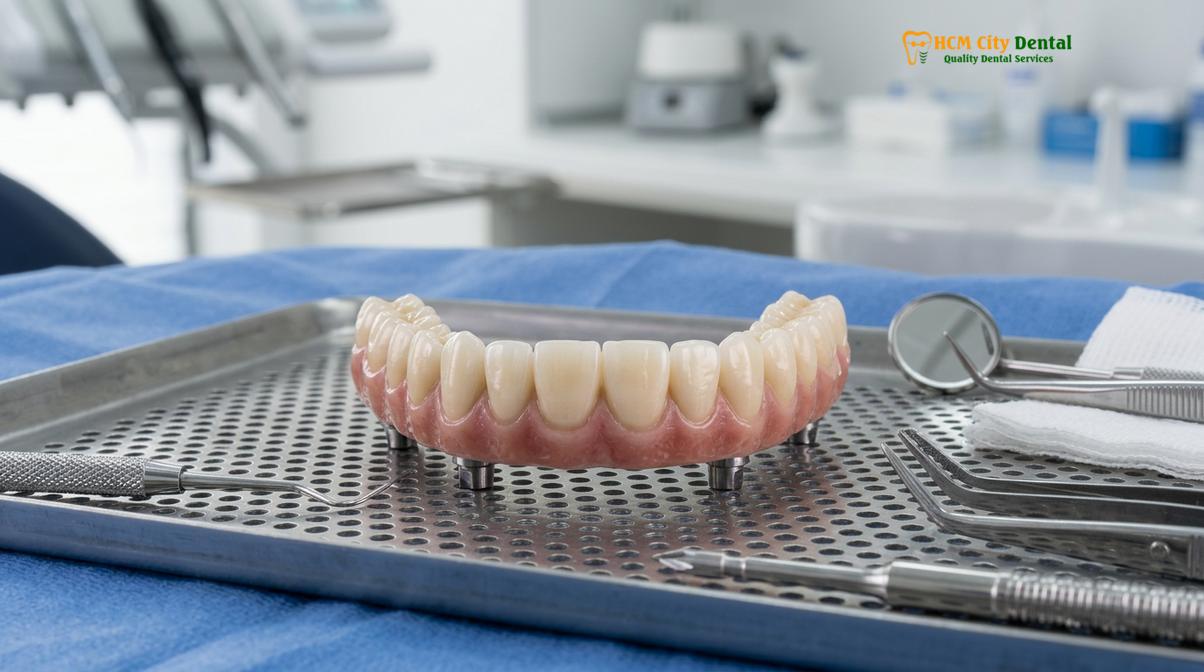
When performing a full mouth rehabilitation, preserving the health of the gingival architecture is paramount. By utilizing monolithic zirconia, clinicians can place the restorative margins at or slightly below the gumline without fear of inducing a foreign body reaction. The gums respond to zirconia much as they do to natural tooth enamel, maintaining a healthy pink stippling and a firm, knife-edged contour that frames the new smile perfectly.
Testing for Material Compatibility Prior to Major Full Mouth Reconstruction
Pre-operative compatibility testing and neuromuscular evaluation ensure that the chosen materials and bite position align perfectly with the patient’s physiological needs.
Before embarking on a permanent biocompatible full mouth restoration, a rigorous diagnostic and testing phase is mandatory. This phase is not only about selecting the right materials but also about engineering the correct biomechanical foundation. For patients presenting with severe wear or missing teeth, determining the correct vertical dimension of occlusion (VDO) is the most critical step. An incorrect VDO can lead to catastrophic failure of the restorations, chronic TMJ pain, and muscle spasms.
To establish the optimal bite, clinicians employ principles of neuromuscular dentistry. This involves evaluating the physiologic rest position of the mandible. Often, a diagnostic splint (an orthotic device) is fabricated and worn by the patient for several weeks. This splint acts as a therapeutic test drive, allowing for jaw muscle relaxation and the deprogramming of habitual, destructive chewing patterns. Once the muscles are relaxed and the TMJ is seated in its most stable condylar position, the new bite parameters are recorded.
Clinical Case Example: A 58-year-old patient presented to HCMC Dental Clinic in Ho Chi Minh City with severe bite collapse and chronic headaches due to failing metal bridges. Dr. Nguyen Van Cuong initiated treatment using a diagnostic splint to decompress the TMJ and establish a new vertical dimension of occlusion. After achieving complete jaw muscle relaxation and symptom resolution over four weeks, the patient was successfully transitioned to a full arch monolithic zirconia restoration, resulting in total pain relief and restored function.
In addition to biomechanical testing, some holistic protocols involve material compatibility testing. This may include serum biocompatibility testing (such as the Clifford Materials Reactivity Testing) to screen the patient’s blood against thousands of dental materials, ensuring that the specific zirconia, titanium implants, and BPA-free cements selected will not provoke an immune response. This highly individualized approach guarantees that the final reconstruction is in perfect harmony with the patient’s unique biological makeup.
Advanced Clinical Workflow: From Digital Smile Design to IV Sedation
The modern workflow integrates 3D digital planning, precise surgical execution under sedation, and accelerated healing protocols to deliver predictable, comfortable results.
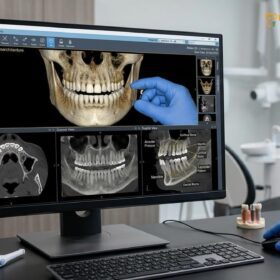
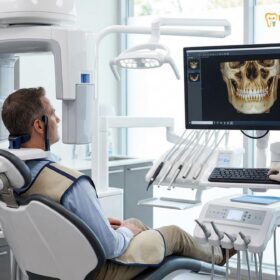
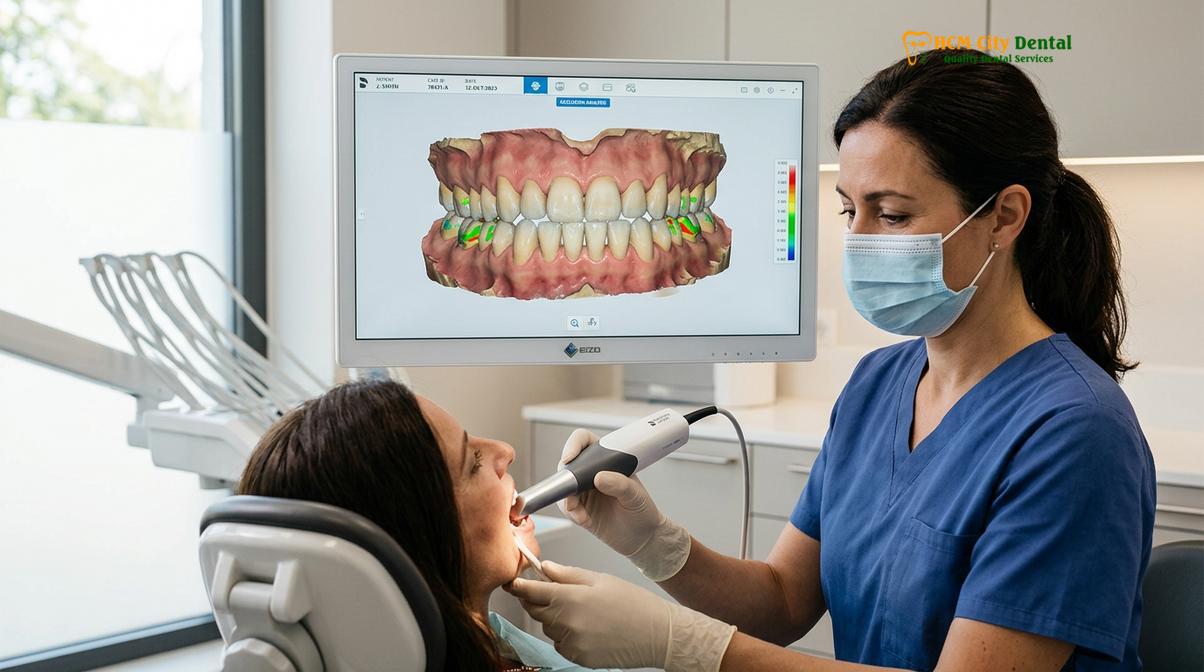
The execution of a biocompatible full mouth restoration is a highly orchestrated process that relies on cutting-edge digital technology. The workflow begins with an intraoral 3D scan using advanced devices like the Medit i700. This optical impression captures the exact topography of the dental arches without the discomfort of traditional putty materials. The digital data is then integrated with Cone Beam Computed Tomography (CBCT) scans to evaluate bone density and plan precise implant trajectories.
A key component of the planning phase is Digital Smile Design (DSD). DSD allows the clinician to overlay digital tooth libraries onto the patient’s facial photographs and 3D models. This software facilitates the creation of a virtual mock-up, ensuring that the proposed length, shape, and midline of the new teeth harmonize with the patient’s facial aesthetics and phonetic requirements[4]. Patients can visually approve their new smile before any irreversible treatment begins.
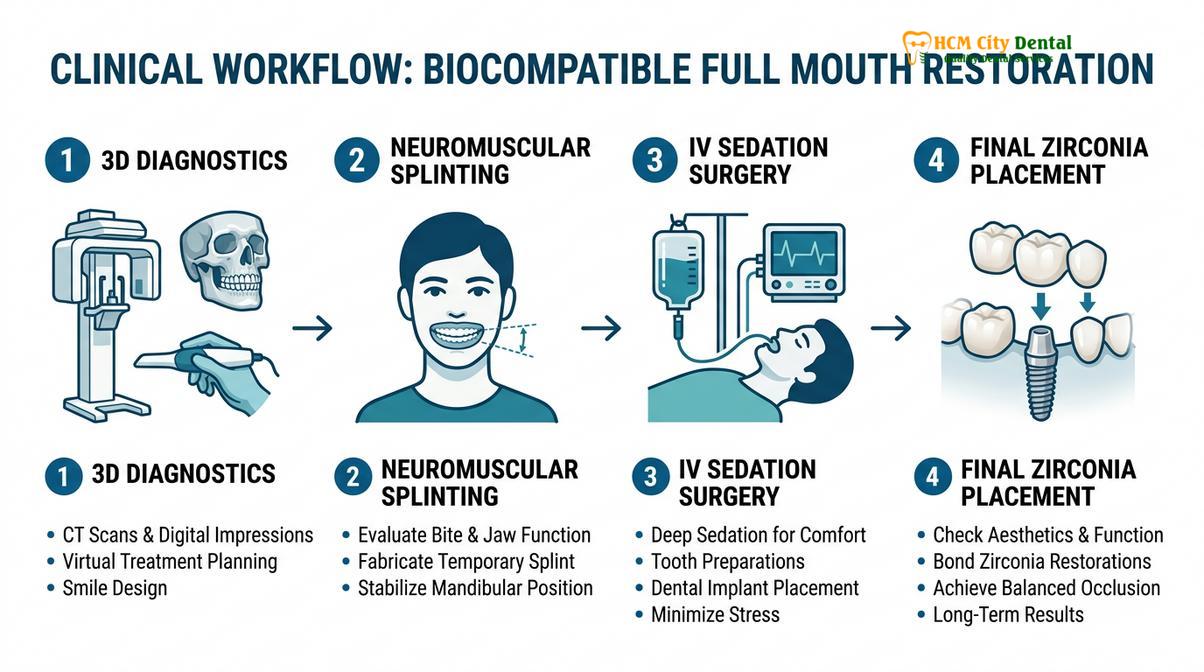
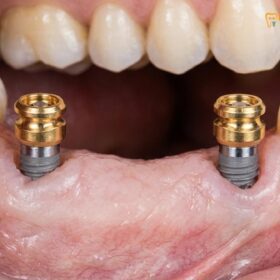
When surgical intervention is required—such as the placement of biocompatible titanium or zirconia implants—patient comfort is prioritized through IV conscious sedation. Administered by a board-certified anesthesiologist, protocols utilizing Midazolam and Propofol ensure a safe, anxiety-free, and pain-free experience. Continuous EKG and vitals monitoring are maintained throughout the procedure. To optimize recovery, Platelet-Rich Fibrin (PRF) therapy is often employed. By centrifuging a small sample of the patient’s own blood, clinicians isolate growth factors that are then applied to surgical sites, significantly accelerating bone grafting integration and soft tissue healing[5].
“The integration of Digital Smile Design with advanced surgical protocols like PRF and IV sedation has transformed full mouth rehabilitation from a daunting ordeal into a highly predictable, patient-centric experience.”
Comprehensive Pricing Structure and Global Warranty
Transparent pricing, significant pre-booking discounts, and global warranties make world-class biocompatible restorations accessible to international patients.
Understanding the financial investment required for a full mouth rehabilitation is crucial for patient planning. HCMC Dental Clinic offers a highly transparent pricing structure, specifically designed to accommodate both local residents and international dental tourists visiting Ho Chi Minh City. By utilizing digital workflows and in-house CAD/CAM milling, the clinic maintains exceptional quality control while optimizing costs.
A unique advantage for international patients is the 40% pre-arrival discount available through WhatsApp bookings. The current estimated pricing structure is as follows:
| Treatment / Implant Tier | Standard Walk-in Price (Estimated) | WhatsApp Pre-booking (-40%) |
|---|---|---|
| Economy Implant (Dentis/Neo Biotech) | ~$770 (20M VND) | From $460 (12M VND) |
| Standard Implant (Dentium USA / IBS) | ~$1,090 (28.3M VND) | From $655 (17M VND) |
| Premium Implant (Straumann BLT-SLA) | ~$1,795 (46.6M VND) | From $1,080 (28.0M VND) |
| Crown on Implant (Per Tooth) | ~$260 – $385 | From $155 – $230 |
| Full Arch Zirconia Bridge (All-on-4/6) | ~$12,000 – $22,000 per arch | From $7,200 – $13,200 per arch |
| Snap-On Overdenture (Implant-supported) | ~$5,000 – $8,000 per arch | From $3,000 – $4,800 per arch |
Beyond the initial cost, long-term peace of mind is guaranteed through comprehensive global warranties. Premium implant fixtures come with 10-year to lifetime manufacturer guarantees, supported by global warranty cards that are recognized internationally. Furthermore, the clinic provides dedicated remote post-operative support via WhatsApp, allowing clinicians to monitor healing and address any concerns regardless of the patient’s geographic location. Financial support, including 0% interest monthly installment plans and assistance with international tax offset documentation, is also available to facilitate access to care.
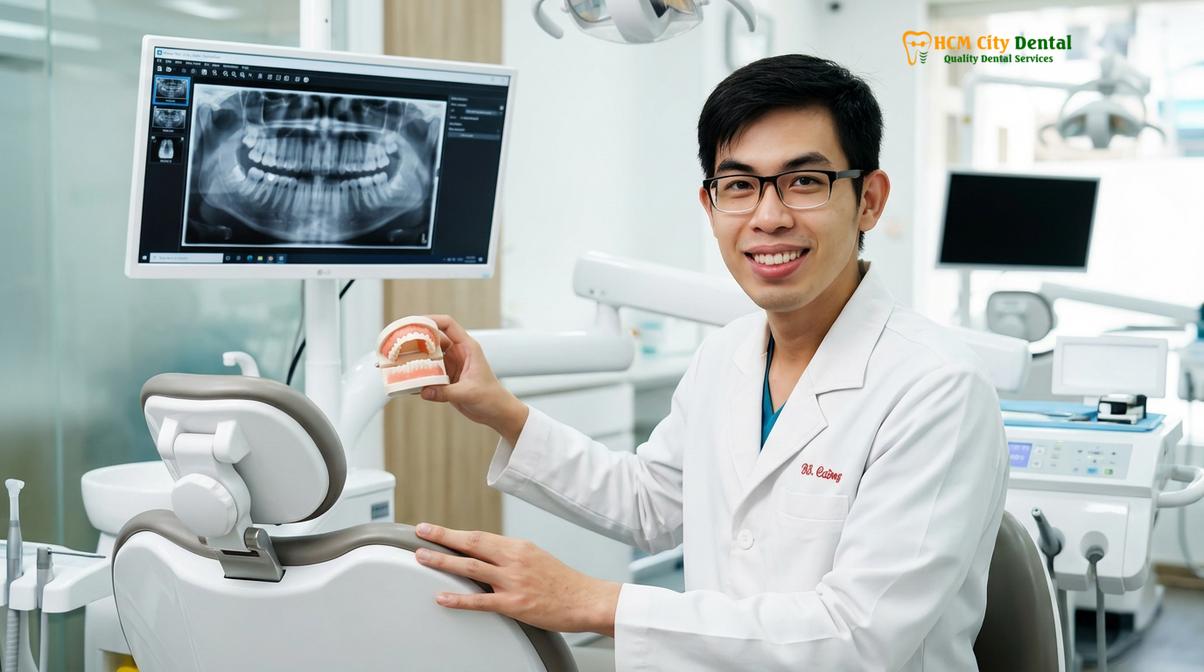
When to See a Doctor for Full Mouth Rehabilitation
Recognizing the signs of severe dental deterioration early can prevent the need for more invasive surgical interventions. You should seek a comprehensive clinical evaluation if you experience any of the following symptoms:
- Severe Bite Collapse: Noticeable shortening of the teeth, leading to a sunken facial appearance and difficulty chewing.
- Chronic TMJ Pain: Persistent jaw pain, clicking, or muscle fatigue that does not resolve with conservative treatments.
- Failing Metal Restorations: Existing amalgam fillings or PFM crowns that are causing dark gum lines, metallic taste, or localized inflammation.
- Extensive Tooth Loss: Missing multiple teeth that compromise your ability to eat a healthy, varied diet.
- Advanced Periodontal Disease: Loose teeth, chronic bad breath, and receding gums that threaten the stability of your remaining dentition.
A personalized diagnostic consultation, including 3D imaging and neuromuscular evaluation, is essential to determine your specific candidacy for a biocompatible full mouth restoration.
Frequently Asked Questions
What are metal-free dental restorations?
Metal-free dental restorations are prosthetic devices, such as crowns, bridges, or implants, fabricated entirely from biocompatible materials like zirconia or lithium disilicate. These materials eliminate the risk of metal allergies, prevent galvanic toxicity, and provide superior aesthetic integration with natural gingival tissues. They are milled using CAD/CAM technology for precise fit and function.
Can dental metals cause allergies?
Yes, dental metals can trigger allergic reactions in sensitive individuals. Base metals commonly used in older restorations, such as nickel, beryllium, or cobalt, can cause localized gingival inflammation, systemic hypersensitivity, and contribute to a phenomenon known as oral galvanism when mixed with saliva. Removing these metals is a key step in biocompatible dentistry.
Why is zirconia better for gums than metal-ceramic?
Zirconia is highly bio-inert and features a smooth, plaque-resistant surface that promotes excellent soft tissue attachment. Unlike metal-ceramic crowns, which can cause dark gingival margins and localized inflammation leading to recession, zirconia supports long-term periodontal health and biological width preservation, allowing the gums to remain healthy and pink.
How is the vertical dimension of occlusion restored?
The vertical dimension of occlusion is restored through a phased approach using diagnostic splints and temporary restorations. By applying neuromuscular dentistry principles, clinicians relax the jaw muscles to find the optimal physiologic rest position before fabricating the final biocompatible prosthetics. This ensures the new bite is comfortable and functionally stable.
Is IV sedation safe for full mouth rehabilitation?
IV conscious sedation is generally highly safe when administered by a board-certified anesthesiologist in a clinical setting. It utilizes carefully titrated medications like Midazolam and Propofol, alongside continuous EKG and vitals monitoring, ensuring a pain-free and anxiety-free experience during extensive procedures like implant placement and bone grafting.
References
- The Journal of Prosthetic Dentistry. Vertical dimension of occlusion restoration parameters. (2021).
- International Journal of Prosthodontics. Biomechanical load distribution in All-on-4 restorations. (2020).
- Journal of Clinical Periodontology. Biocompatible dental materials and soft tissue response. (2019).
- Clinical Oral Implants Research. Platelet-rich fibrin in guided bone regeneration. (2022).
- Journal of Esthetic and Restorative Dentistry. Digital smile design functional protocols. (2018).
For customized treatment planning, transparent cost estimates, and direct consultation with Dr. Cuong, visit our comprehensive Full Mouth Rehabilitation service page or message our team directly via WhatsApp to receive an instant assessment.