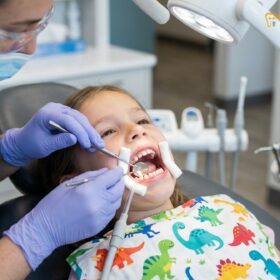
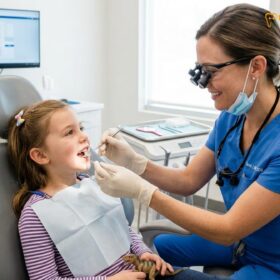
Kids dental cleaning and fissure sealants are essential preventive treatments that protect developing teeth from decay. Professional cleanings remove hardened calculus and biofilm, while resin sealants fill vulnerable molar grooves, creating a smooth, protective barrier that blocks cariogenic bacteria and food particles from causing cavities.
Clinical Summary:
Pediatric dental prophylaxis combines mechanical plaque removal with preventive therapies to maintain optimal oral health. The protocol typically involves ultrasonic scaling or Guided Biofilm Therapy (GBT) to eradicate subgingival biofilm, followed by the application of resin fissure sealants on newly erupted molars. This dual approach prevents plaque-induced gingivitis and occlusal caries. Regular maintenance, supplemented by fluoride varnish, strengthens enamel and establishes a foundation for lifelong dental wellness.
Key Takeaways:
- Professional cleanings remove stubborn plaque and tartar that daily brushing misses.
- Fissure sealants reduce the risk of molar decay by sealing deep anatomical grooves.
- Guided Biofilm Therapy (GBT) offers a painless, minimally invasive cleaning option for children.
- Fluoride varnish treatments actively remineralize enamel and reverse early micro-cavities.
- Early dental visits acclimate children to the clinical environment, reducing dental anxiety.
First Professional Cleaning Age
Children should have their first professional dental cleaning by age one or within six months of their first tooth erupting to establish a preventive baseline and monitor enamel development.
The foundation of lifelong oral health begins with early intervention. Establishing a dental home early allows clinicians to monitor the eruption sequence of primary teeth, assess the child’s individual caries risk profile, and educate parents on proper oral hygiene techniques. A comprehensive pediatric dental cleaning goes far beyond simply polishing the teeth; it is a critical diagnostic and preventive appointment designed to intercept dental disease before it requires restorative intervention. Understanding the comprehensive nature of these visits requires a deep dive into the etiology of common oral health issues, including the accumulation of plaque, the formation of tartar, and the inflammatory responses they trigger.
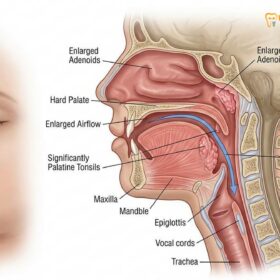
Plaque is a soft, sticky, and colorless biofilm composed of complex bacterial colonies, salivary proteins, and food debris that constantly forms on the surfaces of teeth. When a child consumes carbohydrates, particularly fermentable sugars, the cariogenic bacteria within this biofilm metabolize the sugars and excrete lactic acid. This acid attacks the tooth enamel, leading to demineralization. If plaque is not thoroughly removed through daily brushing and flossing, it absorbs calcium and phosphate minerals from the saliva and calcifies into tartar, also known as dental calculus [1]. Unlike plaque, tartar is a hard, porous substance that bonds tightly to the enamel and cannot be removed by a toothbrush. It provides a rough surface that attracts even more plaque, creating a vicious cycle of bacterial accumulation.
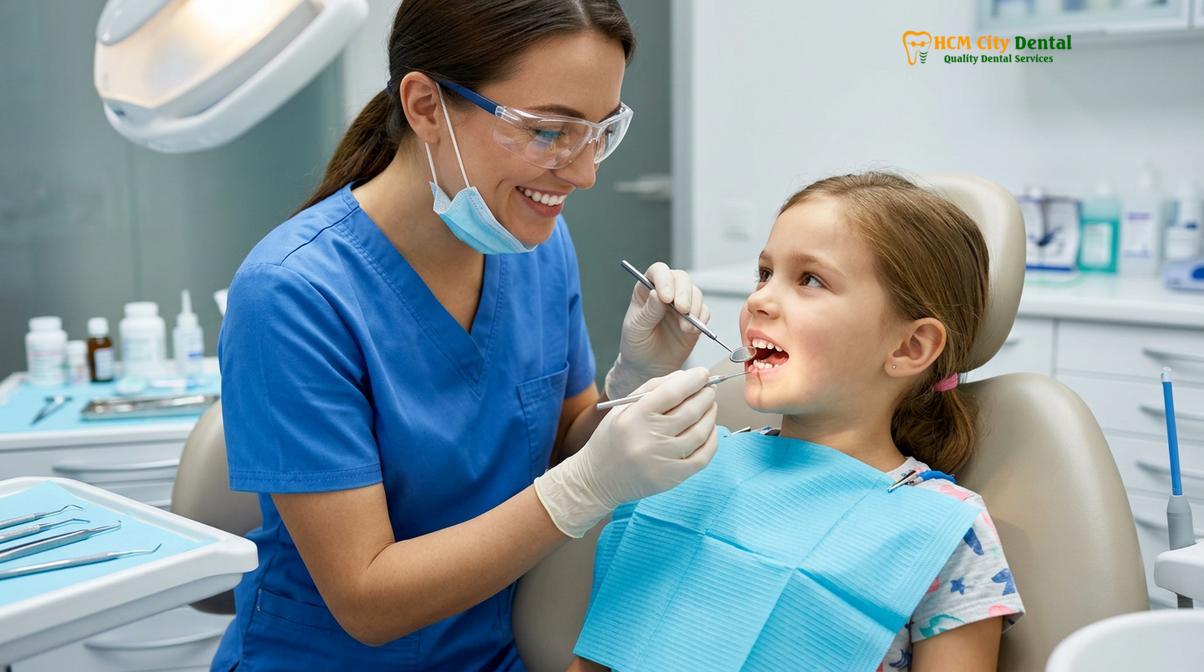
The presence of undisturbed plaque and tartar is the primary catalyst for several common oral health complaints in children. One of the most frequent concerns reported by parents is bad breath, clinically termed halitosis. While occasional morning breath is normal, chronic halitosis in children is often caused by the proliferation of anaerobic bacteria in the oral cavity. These bacteria break down proteins from food particles and cellular debris, releasing volatile sulfur compounds (VSCs) such as hydrogen sulfide and methyl mercaptan, which produce a distinct, unpleasant odor. Professional cleanings eradicate these bacterial reservoirs, significantly improving breath freshness.
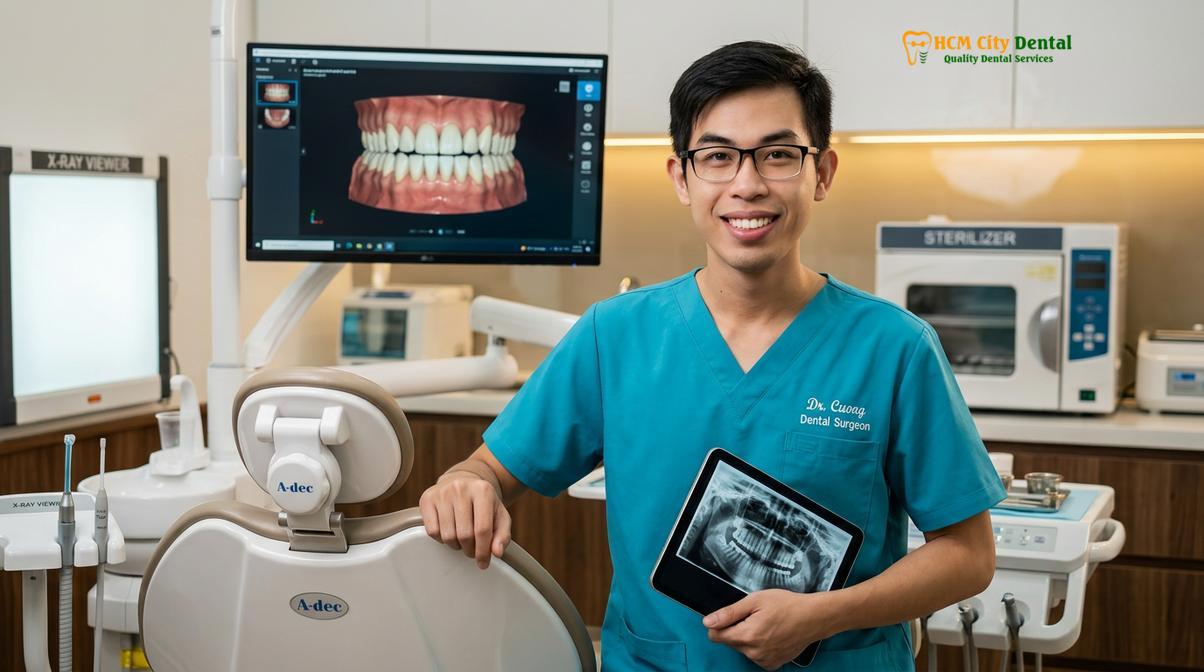
Another critical issue addressed during early cleanings is bleeding gums, the hallmark symptom of plaque-induced gingivitis. When plaque accumulates along the gingival margin, the immune system responds to the bacterial endotoxins by initiating an inflammatory cascade. The gingival tissues become erythematous (red), edematous (swollen), and highly vascularized, causing them to bleed easily during brushing or flossing. Dr. Nguyen Van Cuong emphasizes that early intervention is paramount to prevent plaque-induced gingivitis from progressing into more severe periodontal issues. By removing the irritating calculus and biofilm, the gingival tissues can heal and return to a healthy, stippled state.
Furthermore, professional cleanings address extrinsic teeth staining habits. Children’s teeth can become discolored due to chromogenic foods and beverages, liquid iron supplements, or the presence of chromogenic bacteria (which often present as a dark line near the gumline). During the cleaning, the hygienist utilizes specialized polishing pastes to gently lift these surface stains, restoring the natural brightness of the primary dentition. Education on proper brushing techniques is also a cornerstone of the visit. Clinicians often recommend the Modified Bass technique for older children and parents assisting younger ones, which involves angling the toothbrush bristles at 45 degrees toward the gumline to effectively disrupt the biofilm in the gingival sulcus.
Children’s vs. Adult Scaling
Pediatric scaling prioritizes gentle biofilm removal using low-frequency ultrasonic devices or air-polishing, whereas adult scaling often addresses deeper subgingival calculus and periodontal pockets.
The clinical approach to dental prophylaxis varies significantly between pediatric and adult patients, primarily due to differences in dental anatomy, the nature of the deposits, and the psychological tolerance of the patient. Adult scaling often involves the management of chronic periodontitis, requiring deep subgingival debridement and root planing to remove tenacious calculus from periodontal pockets. In contrast, pediatric dental cleaning saigon focuses on the gentle eradication of supragingival plaque, newly formed calculus, and the preservation of the relatively thin primary enamel.
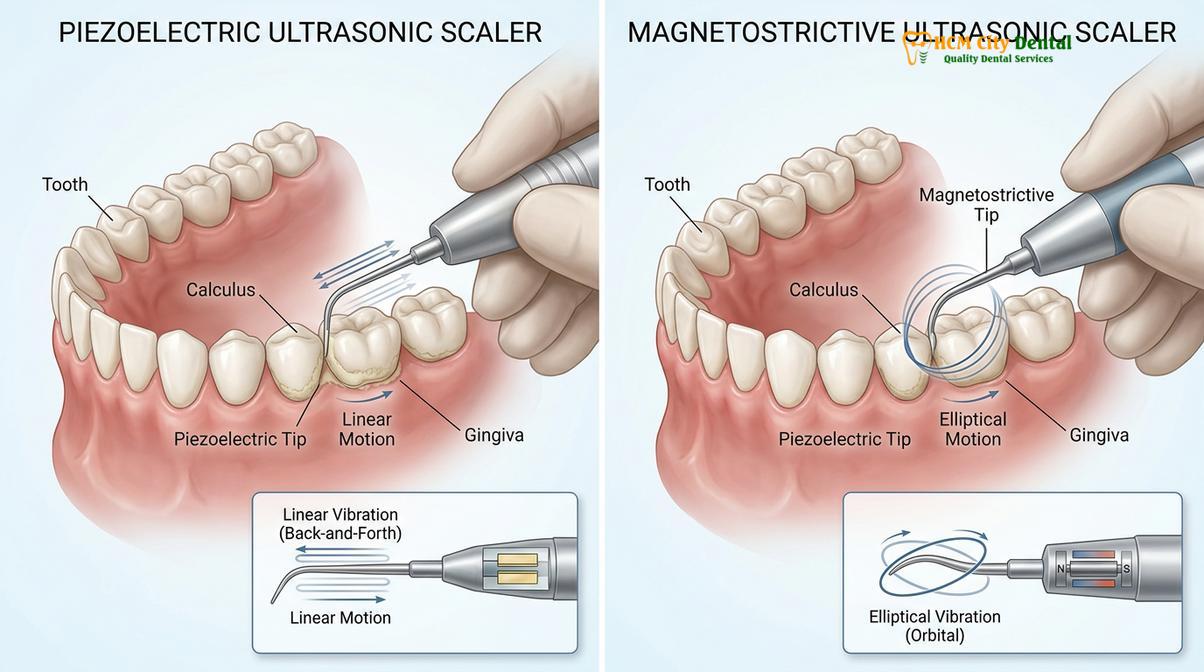
To achieve optimal results while ensuring patient comfort, modern clinics employ advanced technology, specifically the Dual Scaler Advantage. HCMC Dental Clinic uses BOTH Piezoelectric and Magnetostrictive ultrasonic scalers to customize treatments based on the patient’s specific clinical presentation and age. Understanding the physics behind these devices is crucial for appreciating their clinical applications.
- Piezoelectric Scalers (such as Acteon/Satelec): These devices utilize ceramic crystals in the handpiece that expand and contract when electrical energy is applied, producing a linear back-and-forth motion at the tip. Operating at frequencies up to 32 kHz, piezoelectric scalers generate significantly lower heat than other models. The linear motion allows the clinician to use the lateral sides of the tip, which is exceptionally gentle on the tooth surface. This technology is highly preferred for sensitive teeth, children, and orthodontic patients, as it effectively disrupts biofilm through acoustic microstreaming and the cavitation effect without causing discomfort [2].
- Magnetostrictive Scalers (such as Dentsply Cavitron): These scalers utilize a stack of metal strips that change dimension under a magnetic field, creating an elliptical motion that vibrates all sides of the tip. This multi-directional energy transfer is ideal for breaking down heavy, tenacious calculus, performing deep subgingival tartar removal, and executing full mouth debridement in adult patients with advanced periodontal disease.
For pediatric patients, the ultimate advancement in prophylaxis is Guided Biofilm Therapy (GBT). We feature the premium Swiss EMS GBT protocol, which represents a paradigm shift in preventive dentistry. Traditional scaling and polishing can sometimes be intimidating for children due to the scraping sounds and vibrations of hand instruments. GBT replaces these traditional methods with a highly efficient, minimally invasive, and virtually painless approach.
The GBT protocol utilizes warm water and low-abrasive erythritol powder (with a microscopic grain size of just 25μm) delivered through an Airflow handpiece. This kinetic energy gently and effectively removes biofilm, plaque, and early calculus from the enamel surface, gingival sulcus, and deep fissures. Erythritol is not only safe and minimally abrasive but also possesses antimicrobial properties that inhibit the growth of cariogenic bacteria. The procedure is entirely safe; it cleans without scratching delicate primary enamel, and is equally safe for adults with titanium implants, crowns, or veneers. The warm water irrigation further enhances patient comfort, eliminating the sharp sensitivity often associated with cold water usage during traditional cleanings.
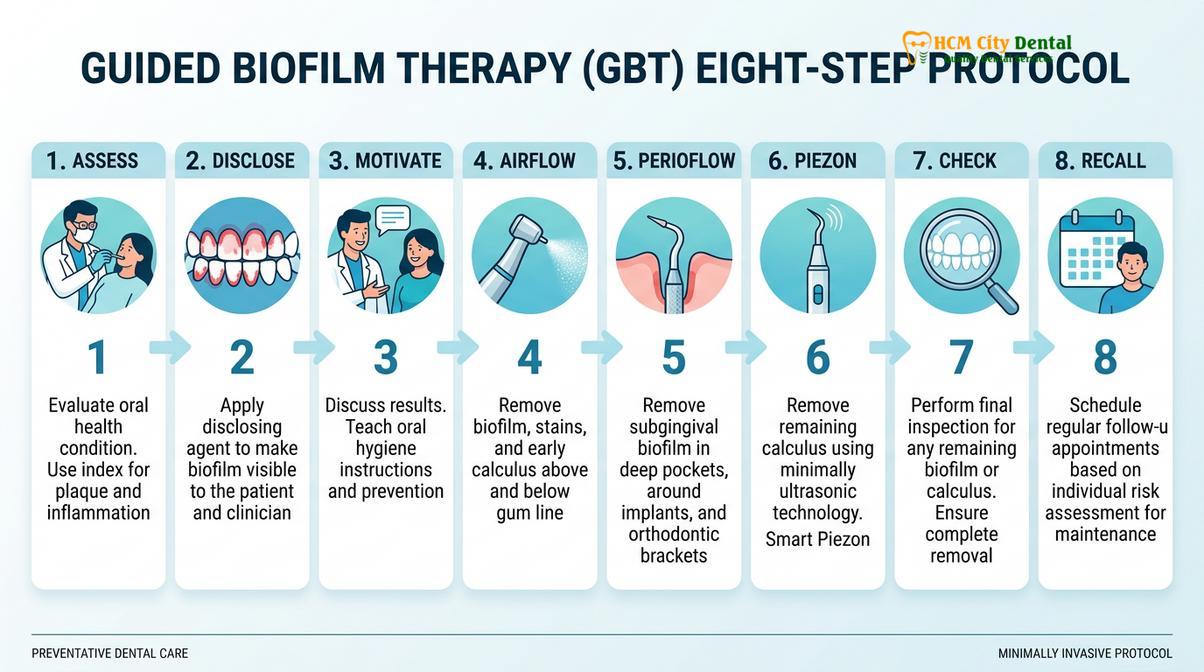
The comprehensive GBT 8-step protocol ensures systematic and thorough care. It begins with an assessment of the oral cavity, followed by the application of a disclosing solution that dyes the invisible plaque, making it visible to both the clinician and the patient. This step is crucial for patient motivation and targeted cleaning. The Airflow phase then removes the disclosed biofilm, followed by the PerioFlow phase for deeper pockets if necessary. The Piezon (piezoelectric) scaler is used only if hard calculus remains. The final steps involve a quality check, fluoride application, and scheduling the recall visit. This systematic approach ensures that the periodontal pocket depth is respected and subgingival biofilm eradication is achieved with maximum safety.
Fissure Sealants How They Work
Fissure sealants are flowable resin coatings applied to the occlusal surfaces of molars, physically blocking cariogenic bacteria from colonizing deep anatomical grooves.
While professional cleanings are highly effective at managing plaque on the smooth surfaces of teeth, the chewing (occlusal) surfaces of the posterior teeth present a unique challenge. The anatomy of permanent molars and premolars features a complex topography of pits and fissures—deep, narrow grooves that are essential for grinding food. However, these fissures are often narrower than a single toothbrush bristle, making them impossible to clean thoroughly at home. Consequently, they become microscopic havens for food debris and cariogenic bacteria, making them the most susceptible sites for cavity formation in children.
To combat this vulnerability, clinicians utilize preventive dental sealants kids. A fissure sealant is a prophylactic intervention where a biocompatible, flowable resin material is applied to the occlusal surfaces of the vulnerable teeth. The sealant flows into the depths of the pits and fissures, filling them completely and creating a smooth, shallow surface that is easily cleaned by normal brushing and the natural washing action of saliva. By physically obliterating the ecological niche where bacteria thrive, sealants effectively halt the initiation of occlusal caries.
“The application of resin-based fissure sealants is one of the most effective, evidence-based interventions in pediatric preventive dentistry. By sealing the complex occlusal anatomy shortly after tooth eruption, we can significantly reduce the incidence of pit and fissure caries, preserving the structural integrity of the permanent dentition for a lifetime.”
The clinical workflow for applying fissure sealants is meticulous but entirely painless, requiring no local anesthesia or drilling. The procedure begins with the thorough isolation of the target tooth using cotton rolls or a rubber dam to prevent salivary contamination, which is the most common cause of sealant failure. The tooth surface is then cleaned, often using an air-polishing device or a bristle brush with pumice, to remove any residual biofilm or debris from the fissures.
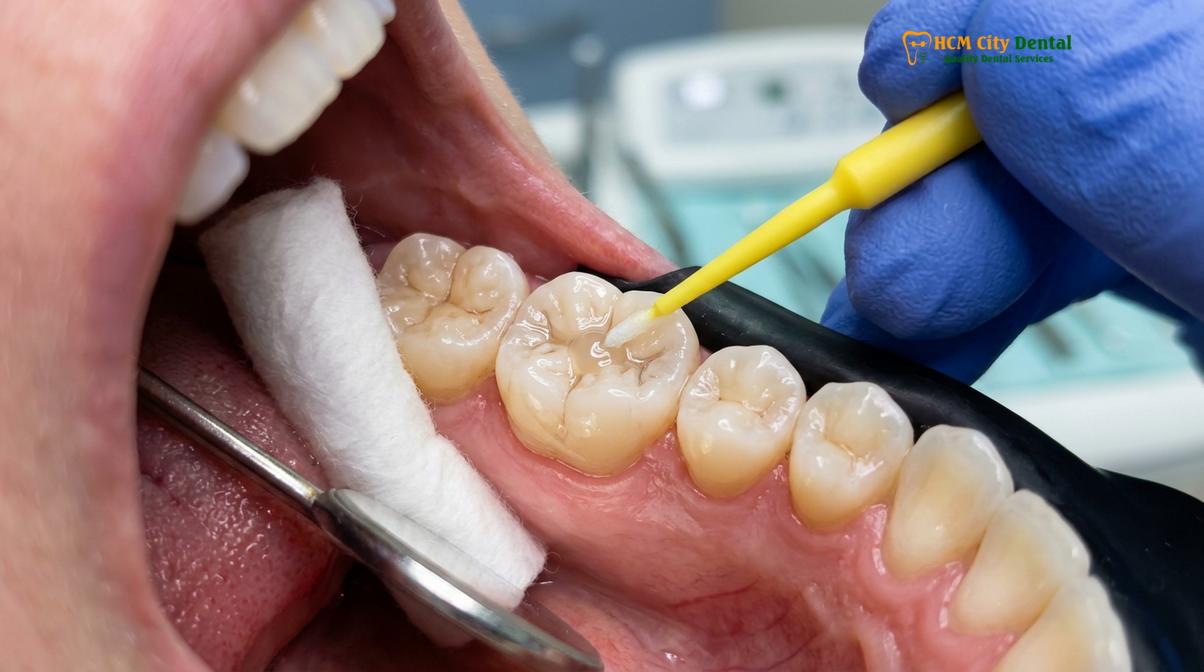
Next, the enamel is conditioned using an acid-etch technique. A mild phosphoric acid gel (typically 37%) is applied to the occlusal surface for approximately 15 to 20 seconds. This etchant creates microscopic porosities in the enamel rods, increasing the surface area and altering the surface energy. The tooth is then thoroughly rinsed and dried until it exhibits a characteristic frosty, chalky appearance. This micromechanical retention is critical for the long-term success of the sealant.
The flowable resin sealant is then carefully painted into the fissures using a micro-brush or a specialized applicator tip. The clinician ensures that the material flows evenly without trapping air bubbles. Once the desired coverage is achieved, a high-intensity dental curing light is used to photopolymerize the resin. The light activates the photoinitiators within the material, causing it to harden instantly into a durable plastic coating. Finally, the clinician evaluates the occlusion (bite) using articulating paper to ensure the sealant does not interfere with the patient’s natural bite, making minor adjustments if necessary.
| Clinical Parameter | Fissure Sealants | Dental Fillings |
|---|---|---|
| Primary Purpose | Preventive: Protects healthy teeth from decay. | Restorative: Repairs teeth already damaged by decay. |
| Tooth Preparation | Non-invasive: No drilling or removal of tooth structure. | Invasive: Requires drilling to remove decayed tissue. |
| Anesthesia Requirement | None: Completely painless procedure. | Usually required: Local anesthesia to numb the area. |
| Application Timing | Applied shortly after the permanent molars erupt. | Applied only after a cavity has been diagnosed. |
| Material Used | Flowable composite resin or glass ionomer. | Composite resin, amalgam, or ceramic materials. |
The efficacy of fissure sealants is well-documented in dental literature. When applied correctly and maintained intact, they provide a formidable defense against occlusal caries. However, they are not a substitute for comprehensive oral hygiene. Sealants only protect the chewing surfaces; the interproximal areas (between the teeth) and the smooth surfaces still require diligent brushing and flossing to remain disease-free.
Fluoride Varnish
Fluoride varnish is a highly concentrated topical treatment painted onto the teeth to remineralize weakened enamel and provide sustained protection against acid attacks.
Following a thorough Dental Cleaning and the application of any necessary sealants, the final step in a comprehensive pediatric preventive protocol is the application of a professional fluoride varnish. Fluoride is a naturally occurring mineral that plays a critical role in the ongoing remineralization process of dental hard tissues. While systemic fluoride (from drinking water) and low-dose topical fluoride (from daily toothpaste) are important, professional fluoride varnish provides a highly concentrated, localized burst of protection that is essential for fortifying developing enamel.
The mechanism of action of fluoride is rooted in its interaction with the hydroxyapatite crystals that make up tooth enamel. When the oral environment becomes acidic due to bacterial metabolism, the enamel begins to lose calcium and phosphate ions—a process called demineralization. If fluoride is present in the oral cavity during this critical period, it incorporates itself into the crystalline structure of the enamel, replacing the hydroxyl ion to form fluorapatite [3]. Fluorapatite is significantly more resistant to acid dissolution than natural hydroxyapatite, effectively raising the critical pH level at which the tooth begins to decay.
Professional fluoride varnish is typically composed of 5% sodium fluoride (NaF) suspended in a resinous base. Unlike older fluoride foams or gels that required the patient to bite into bulky trays for several minutes, modern varnish is quickly and easily painted directly onto the surfaces of the teeth using a small brush. The resinous base allows the varnish to adhere tenaciously to the enamel, even in the presence of saliva. This prolonged contact time ensures maximum fluoride uptake into the tooth structure over several hours.
Post-Treatment Care for Fluoride Varnish: To ensure maximum efficacy, patients should avoid eating hard, crunchy, or sticky foods, and refrain from consuming hot beverages for at least 4 to 6 hours after the varnish application. Furthermore, patients should skip brushing and flossing on the evening of the treatment to allow the fluoride to fully integrate into the enamel.
Fluoride varnish is particularly beneficial for children with a high caries risk, those undergoing orthodontic treatment (who are prone to white spot lesions around brackets), and those with exposed root surfaces or dentin hypersensitivity. The application is entirely painless and is available in various child-friendly flavors, making it a well-tolerated and highly effective conclusion to the preventive dental visit.
Child-Friendly Hygienists
Specialized hygienists use behavioral management techniques like tell-show-do to ensure pediatric dental visits are stress-free, building long-term patient cooperation.
The success of pediatric dental treatments relies just as heavily on psychological management as it does on clinical proficiency. A child’s early experiences in the dental chair profoundly shape their lifelong attitude toward oral healthcare. Therefore, employing a child friendly hygienist District 2 who is trained in pediatric behavioral management is crucial for delivering effective care without inducing dental anxiety or trauma.
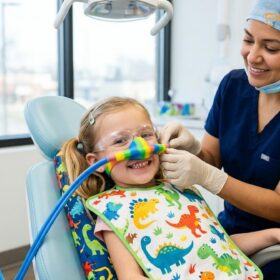
Pediatric dental professionals utilize a variety of evidence-based psychological techniques to guide children through their appointments. The most fundamental of these is the “Tell-Show-Do” method. Before initiating any procedure, the clinician explains what is going to happen using age-appropriate, non-threatening language (Tell). Next, they demonstrate the procedure on a model or the child’s finger, allowing them to see and feel the instrument (Show). Finally, once the child is comfortable and understands the process, the clinician performs the procedure in the mouth (Do). This transparent approach demystifies the clinical environment and builds a foundation of trust.
Clinical Case Review: Overcoming Dental Anxiety
A 6-year-old patient presented to HCMC Dental Clinic in Ho Chi Minh City for their first professional cleaning, exhibiting significant apprehension and reluctance to open their mouth. The clinical team utilized the Tell-Show-Do technique, introducing the Guided Biofilm Therapy (GBT) handpiece as a “magic water wand.” By demonstrating the warm water spray on the patient’s hand and allowing them to choose the flavor of the erythritol powder, the anxiety was rapidly de-escalated. The patient successfully completed the full GBT protocol and the application of fissure sealants on all four first permanent molars without distress, establishing a positive baseline for future visits.
Positive reinforcement is another critical tool. Hygienists continuously praise the child for their cooperation, specific actions (like keeping their mouth open wide), and bravery. Distraction techniques, such as playing favorite cartoons on ceiling-mounted monitors or engaging the child in imaginative storytelling during the procedure, also help to divert attention away from the clinical stimuli. Dr. Nguyen Van Cuong notes that the integration of the GBT protocol verification has revolutionized pediatric care, as the absence of scraping sounds and vibrations naturally aligns with these behavioral management strategies, making the hygienist’s job significantly easier and the patient’s experience far more pleasant [4].
Understanding the financial aspect of preventive care is also important for parents planning their child’s oral health journey. HCMC Dental Clinic offers a transparent Pricing Structure designed to accommodate various clinical needs. Currently, the estimated cost for Standard Ultrasonic Scaling & Polishing ranges from 500,000 to 800,000 VND (~$20 to $32 USD), with walk-in rates between 800,000 to 1,300,000 VND. For the premium, minimally invasive experience, Airflow Prophylaxis / Guided Biofilm Therapy (GBT) is priced between 1,500,000 to 2,000,000 VND (~$60 to $80 USD), while walk-in rates are 2,500,000 to 3,300,000 VND. In cases requiring more extensive intervention, Scaling & Root Planing (SRP deep cleaning per quadrant) ranges from 1,000,000 to 1,500,000 VND (~$40 to $60 USD), and Full Mouth Debridement (Heavy Tartar Removal) is between 2,000,000 to 3,000,000 VND (~$80 to $120 USD). Patients are encouraged to utilize the -40% WhatsApp booking discount to secure the most favorable rates for these essential preventive services.
When to See a Doctor
While routine biannual cleanings and the application of fissure sealants form the core of preventive care, certain clinical signs warrant immediate evaluation by a dental professional. Parents should schedule an appointment if their child experiences persistent dental pain, heightened sensitivity to hot, cold, or sweet stimuli, or if there are visible signs of decay such as dark spots or chalky white lesions on the enamel. Additionally, chronic bleeding gums during brushing, localized swelling of the gingival tissues, or the presence of a pimple-like bump on the gums (a potential sign of an abscess) require prompt diagnostic imaging and clinical assessment. A personalized clinical examination is essential to determine the appropriate intervention, as early detection significantly improves the prognosis and minimizes the need for invasive restorative treatments.
“Preventive dentistry is an ongoing partnership between the clinical team and the family. By combining advanced in-office protocols like Guided Biofilm Therapy and fissure sealants with diligent home care, we can effectively guide a child’s dentition through its most vulnerable developmental stages, ensuring a lifetime of healthy, functional smiles.”
Frequently Asked Questions
At what age should a child start professional cleaning?
A child should have their first professional dental cleaning by age one, or within six months of their first tooth erupting. Early visits establish a preventive baseline, acclimate the child to the clinical environment, and allow the dentist to monitor enamel development and early signs of plaque accumulation. These initial appointments focus heavily on parental education regarding proper oral hygiene techniques and dietary counseling to mitigate caries risk.
What are dental fissure sealants?
Dental fissure sealants are flowable resin coatings applied to the chewing surfaces of permanent molars to prevent decay. They flow into the deep anatomical grooves and pits, creating a smooth, physical barrier that stops cariogenic bacteria and food particles from accumulating in areas a toothbrush cannot reach. The application is a painless, non-invasive procedure that provides long-lasting protection during the years when children are most susceptible to cavities.
Does a child’s cleaning include fluoride?
Yes, a comprehensive pediatric dental cleaning typically concludes with the application of a professional fluoride varnish. This highly concentrated topical treatment is painted onto the teeth to remineralize weakened enamel, reverse microscopic early decay, and provide sustained protection against bacterial acid attacks. The varnish adheres to the teeth for several hours, ensuring optimal fluoride uptake into the crystalline structure of the enamel.
Is Guided Biofilm Therapy safe for children?
Guided Biofilm Therapy (GBT) is exceptionally safe and highly recommended for children. It utilizes warm water and ultra-fine erythritol powder to gently remove plaque and stains without the scraping sensations of traditional hand instruments, preserving delicate primary enamel and significantly reducing dental anxiety. The minimally invasive nature of GBT makes it the gold standard for pediatric prophylaxis, ensuring a comfortable and highly effective cleaning experience.
How long do fissure sealants last?
When properly applied and maintained, fissure sealants can effectively protect teeth for several years. However, they are subject to wear from daily chewing forces and bruxism. Dentists evaluate the integrity of sealants during routine biannual check-ups and can easily repair or reapply them if they become chipped or worn. Consistent monitoring is essential to ensure the seal remains intact and continues to block cariogenic bacteria [5].
References
- Journal of Clinical Periodontology. Guided Biofilm Therapy clinical efficacy in pediatric dentistry. (2021).
- International Journal of Paediatric Dentistry. Retention and caries-preventive effect of resin-based fissure sealants. (2020).
- Journal of the American Dental Association. Professional topical fluoride application protocols. (2019).
- Clinical Oral Investigations. Erythritol air-polishing powder safety on primary enamel. (2022).
- Journal of Periodontology. Ultrasonic scaling vs hand scaling in subgingival debridement. (2018).
For professional children’s dental care, preventive sealants, or to schedule a check-up, visit our Children & Pediatric Dentistry service page at HCMC Dental Clinic in Ho Chi Minh City.