Braces can effectively correct a gummy smile in Vietnam by intruding the upper teeth and altering the jaw’s vertical dimension. Utilizing advanced orthodontics, TADs, and laser contouring, specialists in Ho Chi Minh City provide comprehensive, minimally invasive treatments to restore facial harmony and optimal gingival display.
Clinical Summary:
Gummy smile correction in Vietnam utilizes a multidisciplinary approach combining orthodontic intrusion, periodontal laser contouring, and orthognathic surgery. By leveraging Temporary Anchorage Devices (TADs) and AMD Picasso diode lasers, clinicians can predictably reduce excessive gingival display. Treatment protocols strictly adhere to biological width principles and digital smile design to ensure stable, highly aesthetic outcomes without compromising periodontal health. For severe skeletal discrepancies, collaborative orthognathic interventions provide definitive structural resolution.
Key Takeaways:
- Orthodontic intrusion with TADs effectively reduces vertical maxillary excess without invasive surgery in mild to moderate cases.
- AMD Picasso 810nm diode lasers enable bloodless, sutureless gingivectomies with a rapid 48-hour recovery.
- Maintaining a minimum 2mm supracrestal tissue attachment is critical to prevent bone resorption.
- Severe skeletal discrepancies may require Le Fort I osteotomy in collaboration with maxillofacial specialists.
- Comprehensive treatment costs in Vietnam are highly competitive, often featuring advanced digital smile design integration.
Orthodontic Solutions for Skeletal Gummy Smile
Orthodontic intervention addresses the skeletal and dentoalveolar origins of excessive gingival display by modifying the vertical position of the maxilla and anterior teeth.
Excessive gingival display, commonly referred to as a gummy smile, is a multifactorial aesthetic and clinical condition. When a patient reveals more than 2 to 3 millimeters of continuous gingival tissue upon smiling, it often disrupts the harmonious balance of the lower facial third. The etiology of this condition can be broadly categorized into dentoalveolar extrusion, skeletal discrepancies such as Vertical Maxillary Excess (VME), altered passive eruption resulting in short clinical crowns, or muscular factors like a hyperactive levator muscle of the upper lip.
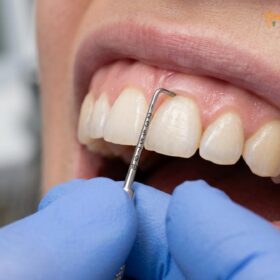
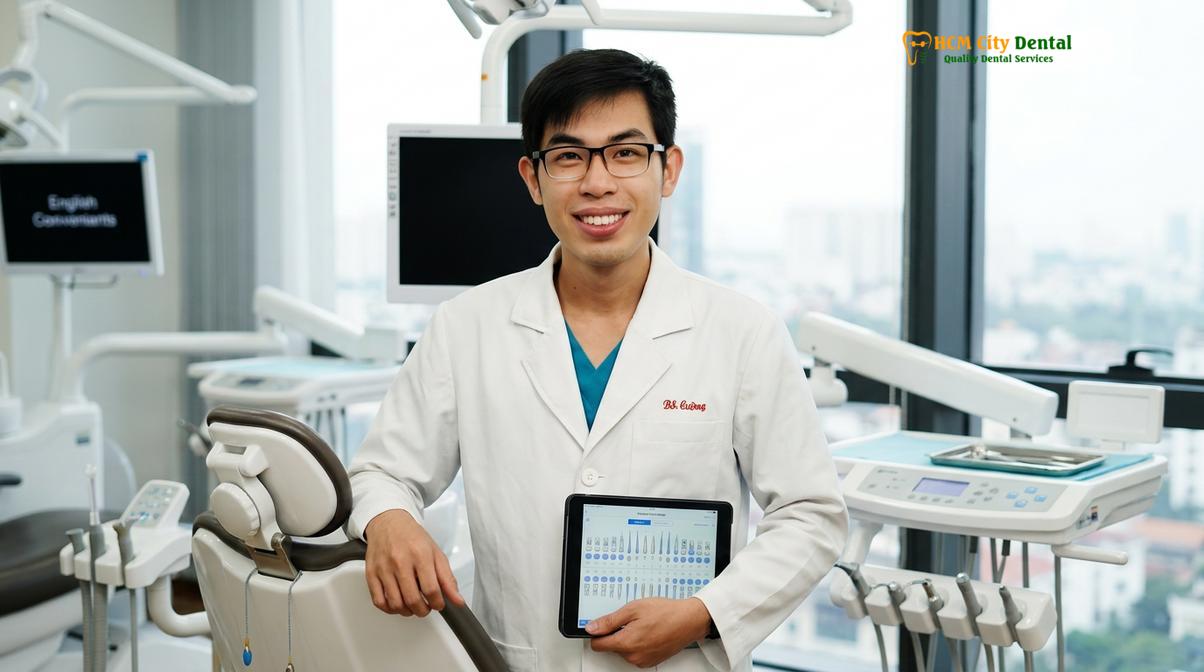
Before initiating any form of gummy smile orthodontics, a rigorous diagnostic protocol is mandatory. Dr. Nguyen Van Cuong, a leading specialist in aesthetic rehabilitation, emphasizes that a precise differential diagnosis using Digital Smile Design (DSD) is paramount. By mapping the dynamic relationship between the lips, teeth, and gingival architecture, clinicians can determine whether the excess display is primarily skeletal or soft-tissue driven. Furthermore, comprehensive periodontal charting and professional dental scaling are prerequisites to ensure the gingival tissues are free of inflammation before any biomechanical forces are applied [1].
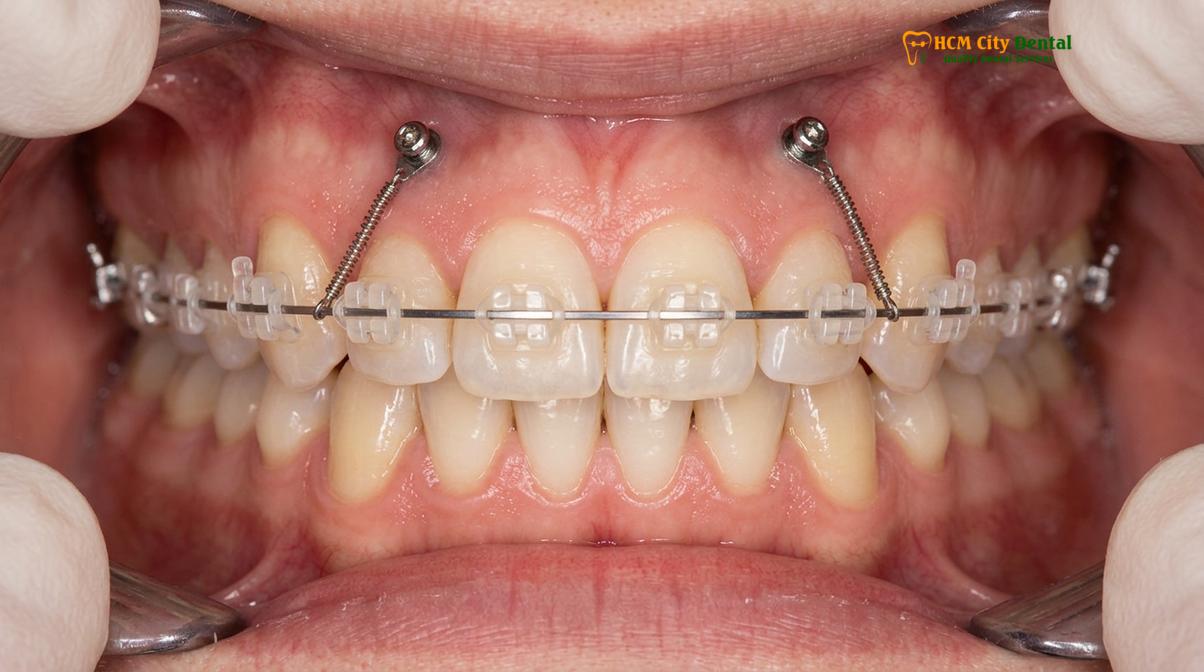
For patients presenting with dentoalveolar extrusion—where the upper front teeth have over-erupted downward, bringing the gums along with them—orthodontic therapy is highly effective. Traditional braces or clear aligners are engineered to apply controlled upward forces, gradually repositioning the teeth back into the alveolar bone. This process not only levels the occlusal plane but also induces favorable remodeling of the surrounding periodontal tissues, effectively lifting the gingival margins to a more aesthetically pleasing level.
Intrusion Mechanisms: How Braces Pull Teeth Upward
Braces utilize continuous, controlled biomechanical forces to push the anterior teeth upward into the alveolar bone, effectively reducing the amount of visible gum tissue.
The biomechanics of orthodontic jaw intrusion represent one of the most complex yet rewarding movements in clinical orthodontics. Unlike tipping or rotational movements, true vertical intrusion requires the application of light, continuous forces directed precisely through the center of resistance of the anterior teeth. If the forces are too heavy, the patient risks severe root resorption and periodontal ligament (PDL) necrosis; if too light, the biological threshold for osteoclastic activity is not met, and no movement occurs.
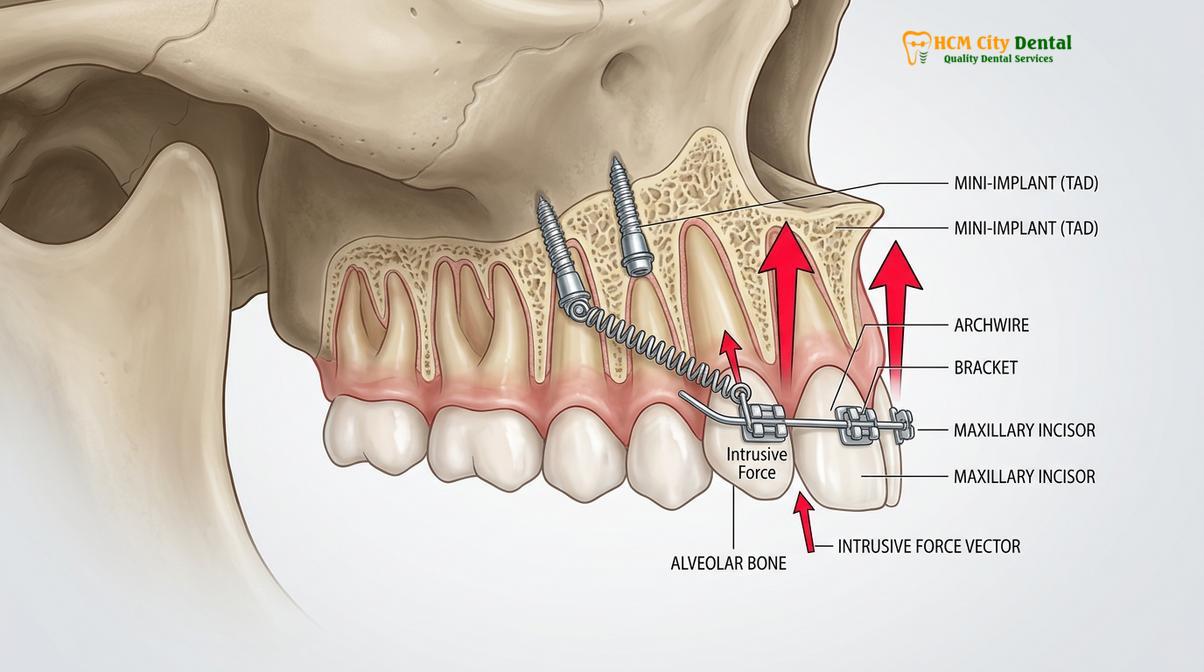
To successfully intrude upper teeth, orthodontists utilize specialized archwire geometries, such as utility arches or three-piece intrusion mechanics. These wires are activated to deliver a constant upward vector of force. As the tooth root is pressed against the apical bone, osteoclasts resorb the bone ahead of the moving root, while osteoblasts deposit new bone in the tension zones. This synchronized cellular activity allows the entire dentogingival complex—the tooth, the periodontal ligament, and the attached gingiva—to migrate superiorly as a single unit [2].
However, Newton’s third law of motion dictates that for every action, there is an equal and opposite reaction. When an upward force is applied to the anterior teeth, an equal downward force is exerted on the posterior anchor teeth (the molars). If the molars are allowed to extrude, the bite will open prematurely, and the gummy smile will not be resolved. Therefore, achieving absolute anchorage is the critical success factor in modern intrusion mechanics.
What are TADs (Mini-Screws) and How Do They Aid Intrusion?
Temporary Anchorage Devices (TADs) are biocompatible titanium micro-implants placed in the jawbone to provide an immovable anchor point for complex orthodontic movements.
To counteract the unwanted reactive forces during anterior intrusion, the integration of Temporary Anchorage Devices has revolutionized clinical orthodontics. TADs mini screws HCMC clinics utilize are small, screw-like dental implants made of medical-grade titanium alloy. Unlike traditional dental implants that require months to osseointegrate, TADs rely on mechanical retention within the cortical bone and can be loaded with orthodontic forces immediately upon placement.
During the procedure, the orthodontist places the TADs high up in the vestibule, typically in the interradicular bone between the roots of the incisors or premolars. Once secured, elastomeric chains or nickel-titanium coil springs are attached from the TADs directly to the orthodontic archwire. Because the TAD is anchored solidly in the bone, it does not move. This provides “absolute anchorage,” allowing 100% of the biomechanical force to be directed toward intruding the anterior teeth without any reciprocal extrusion of the posterior teeth [3].
The use of TADs has significantly expanded the envelope of discrepancy that can be treated non-surgically. Cases of moderate vertical maxillary excess that previously mandated orthognathic surgery can now often be managed effectively with TAD-assisted intrusion, offering patients a less invasive alternative with reduced morbidity and lower overall treatment costs.
Treatment Timeline: What to Expect During Orthodontic Correction
The orthodontic correction of a gummy smile typically spans 12 to 24 months, progressing through alignment, active intrusion, and retention phases.
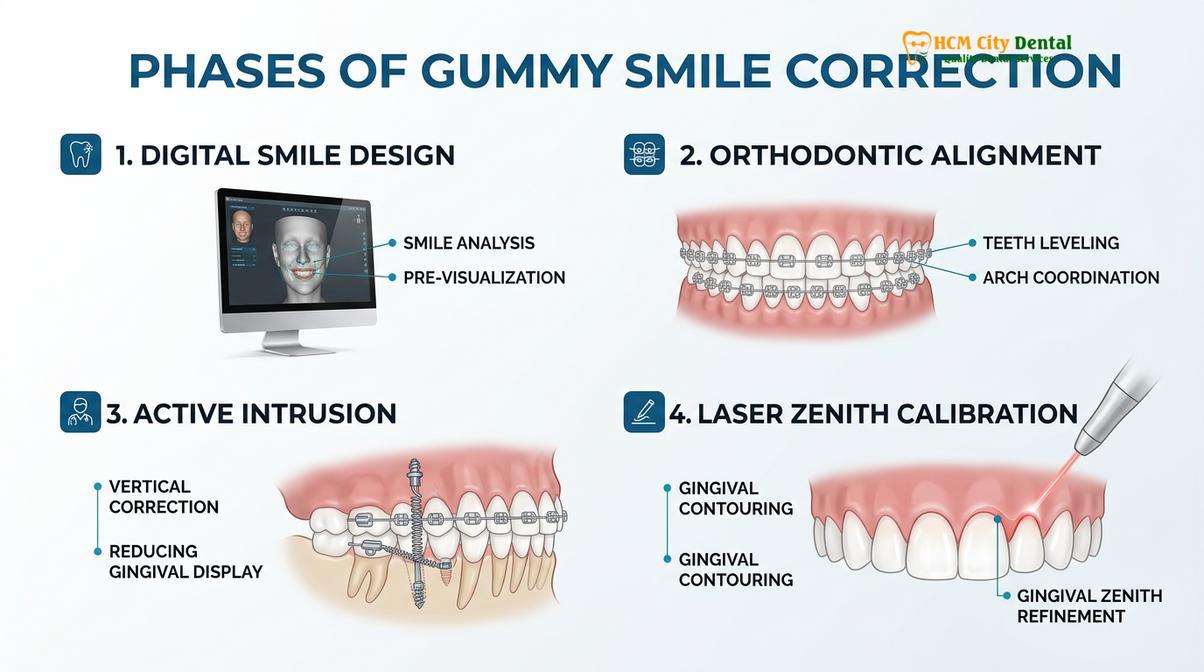
Embarking on gummy smile correction via orthodontics requires a commitment to a structured clinical timeline. The journey begins with the initial consultation and comprehensive data collection, including digital scanning, cephalometric analysis, and CBCT imaging. For international patients engaging in dental tourism, HCMC Dental Clinic offers streamlined diagnostic phases, allowing the active treatment plan to be formulated within the first few days of arrival.
Phase 1: Leveling and Alignment (Months 1-6)
Before any vertical intrusion can begin, the dental arches must be leveled and aligned. Flexible nickel-titanium archwires are used to unravel crowding, correct rotations, and establish a uniform occlusal plane. During this phase, patients will acclimate to the presence of brackets and wires, and the foundational architecture for future movements is established.
Phase 2: Active Intrusion (Months 6-15)
Once the teeth are aligned, rigid stainless steel archwires are engaged, and the TADs are placed. The active intrusion mechanics are activated. Patients will visit the clinic periodically to have the elastomeric chains or springs adjusted, maintaining the optimal force levels. It is during this phase that the most noticeable reduction in gingival display occurs as the anterior segment is gradually lifted.
Phase 3: Finishing and Detailing (Months 15-18)
As the desired vertical position is achieved, the orthodontist focuses on micro-aesthetics. This involves fine-tuning the root torque, ensuring proper overjet and overbite, and evaluating the gingival margins. If the gum line remains slightly uneven despite ideal tooth positioning, minor laser contouring may be performed to calibrate the final gingival architecture.
Phase 4: Retention (Ongoing)
Following the removal of the braces, retention is critical. The periodontal fibers require time to reorganize around the new tooth positions. Fixed lingual retainers combined with removable clear retainers are typically prescribed to prevent vertical relapse and ensure the longevity of the aesthetic outcome.
Laser Gum Contouring vs. Scalpel: The Periodontal Approach
Advanced diode lasers offer a minimally invasive alternative to traditional scalpels, providing precise gingival reshaping with immediate coagulation and accelerated healing.
In cases where the gummy smile is caused by altered passive eruption—where the gum tissue has failed to recede normally, leaving short, square-looking teeth—periodontal plastic surgery is the treatment of choice. Historically, this was performed using a surgical scalpel, which involved significant bleeding, the placement of sutures, and a prolonged, uncomfortable recovery period.
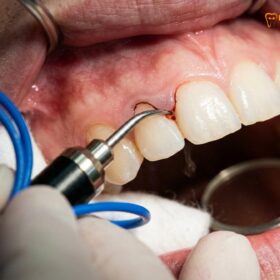
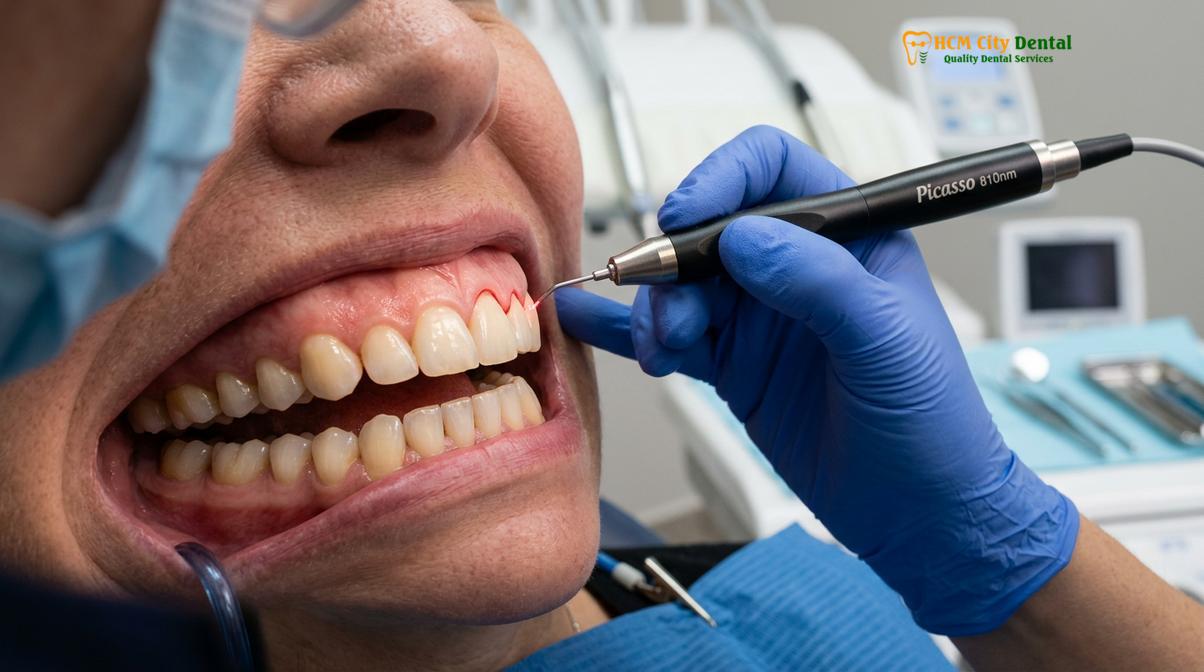
Today, the standard of care has shifted to the use of advanced laser technology. The AMD Picasso Lasers, utilizing an 810nm diode wavelength, represent the pinnacle of soft tissue management. The laser energy is highly absorbed by melanin and hemoglobin, allowing the clinician to vaporize excess gingival tissue with micro-millimeter precision. This process results in bloodless, sutureless cuts, as the laser provides instant coagulation and cauterization of the nerve endings. Consequently, patients experience minimal postoperative pain and swelling, boasting a rapid 48-hour recovery profile [4].
“The integration of 810nm diode lasers in periodontal plastic surgery has revolutionized gingival contouring, offering unparalleled precision while significantly reducing postoperative morbidity compared to conventional scalpel techniques.”
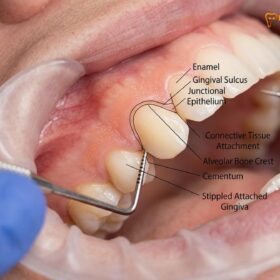
During the contouring procedure, the clinician must meticulously respect the biological width—the natural dimension of the soft tissue attached to the portion of the tooth above the alveolar bone. Dr. Nguyen Van Cuong strictly adheres to the principle of maintaining a minimum 2mm supracrestal tissue attachment. Violating this space by removing too much tissue can trigger chronic inflammation, unpredictable tissue rebound, or pathological bone resorption. Furthermore, the laser is used to sculpt the gingival zenith points—the highest point of the gum scallop, which should be displaced slightly distal to the long axis of the tooth for optimal aesthetics.
For patients seeking comprehensive gum contouring therapies, understanding the financial investment is crucial. Vietnam has emerged as a premier destination for high-quality, cost-effective dental care. According to the latest clinic fee schedule, the pricing structure is highly transparent:
| Treatment Procedure | Standard Walk-in Price (VND) | Online Booking Price (VND) | Estimated USD |
|---|---|---|---|
| Laser Gingivectomy (per tooth) | 2,500,000 | 1,500,000 | ~$60 |
| Full-Arch Laser Gum Contouring (up to 10 teeth) | 20,000,000 | 12,000,000 | ~$480 |
| Functional/Esthetic Crown Lengthening (per tooth) | 5,000,000 | 3,000,000 | ~$120 |
| Surgical Lip Repositioning / Lip Lowering | 25,000,000 | 15,000,000 | ~$600 |
| Botox Gummy Smile Correction (both sides) | 7,500,000 | 4,500,000 | ~$180 |
Note: Patients who utilize the direct WhatsApp booking channel are eligible for a -40% discount on the standard walk-in rates, making advanced aesthetic treatments highly accessible.
Severe Cases: Orthognathic Surgery and Multidisciplinary Care
For pronounced skeletal discrepancies that exceed orthodontic limits, orthognathic surgery combined with braces provides a definitive structural correction.
While TAD-assisted orthodontics and laser contouring can resolve mild to moderate gummy smiles, severe cases of Vertical Maxillary Excess (VME) require a more profound structural intervention. When the upper jaw has grown excessively in the vertical dimension, the entire dentoalveolar complex is positioned too far inferiorly. In these scenarios, attempting to camouflage the skeletal discrepancy with orthodontics alone will yield compromised aesthetics and unstable functional results.
To address these complex skeletal deformities, HCMC Dental Clinic collaborates with elite Surgical Jaw Partners. For severe VME requiring a Le Fort I osteotomy, patients are co-managed with maxillofacial specialists at the National Hospital of Odonto-Stomatology in Ho Chi Minh City (Bệnh viện Răng Hàm Mặt Trung Ương TP.HCM), recognized as the highest clinical authority in the region for complex craniofacial surgeries [5].
“Orthognathic surgery, particularly the Le Fort I impaction, remains the gold standard for severe vertical maxillary excess, addressing the skeletal root cause rather than merely masking the soft tissue symptoms.”
The surgical protocol involves a multidisciplinary workflow. Initially, the patient undergoes pre-surgical orthodontics to align the teeth and decompensate the arches. Once the teeth are in their ideal positions relative to their respective jaws, the orthognathic surgery is performed. During the Le Fort I procedure, the surgeon makes an incision high in the maxillary vestibule, performs an osteotomy to detach the upper jaw, and removes a precisely measured wedge of bone (osteoplasty). The maxilla is then impacted (moved upward) and secured in its new, superior position using rigid titanium plates and screws.
Following a recovery period of 4 to 6 weeks, the patient returns to the orthodontist for the post-surgical detailing phase. This comprehensive approach ensures that the final result is not only aesthetically flawless but also functionally sound, providing a permanent resolution to the severe gummy smile.
When to See a Doctor
Determining the appropriate treatment for a gummy smile requires a professional clinical evaluation. You should seek a consultation with an orthodontic or periodontal specialist if you experience any of the following indications:
- Excessive Gingival Display: Showing more than 3 millimeters of gum tissue when smiling naturally.
- Lip Incompetence: Difficulty or strain when trying to close your lips completely while the face is at rest.
- Short Clinical Crowns: Teeth that appear unusually short, square, or disproportionately small compared to the amount of visible gum tissue.
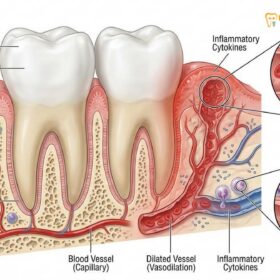
- Chronic Gingival Inflammation: Persistent redness, swelling, or bleeding of the gums, which can be exacerbated by mouth breathing associated with vertical maxillary excess.
- Aesthetic Concerns: Significant self-consciousness or reluctance to smile fully due to the appearance of your teeth and gums.
Only a qualified dental professional utilizing advanced diagnostic imaging can accurately differentiate between dental, skeletal, and muscular etiologies, ensuring that the prescribed treatment plan is safe, effective, and tailored to your unique anatomical needs.
Frequently Asked Questions
Do TAD mini-screws hurt to place?
The placement of TAD mini-screws is generally painless as it is performed under local anesthesia. Patients typically feel only minor pressure during the brief insertion process. Post-procedural discomfort is minimal and easily managed with standard over-the-counter analgesics, allowing for an immediate return to normal daily activities. The surrounding gingival tissue heals rapidly around the biocompatible titanium surface.
Can braces alone correct a gummy smile?
Braces alone can correct a gummy smile if the underlying cause is purely dentoalveolar, such as a deep overbite or extruded anterior teeth. However, if the condition involves severe vertical maxillary excess or a hyperactive levator muscle, braces must be combined with orthognathic surgery, laser contouring, or neuromodulator therapies to achieve a comprehensive and stable aesthetic outcome.
How long does orthodontic intrusion take?
Orthodontic intrusion typically takes between 6 to 12 months of active treatment, depending on the severity of the vertical excess and the patient’s biological response. This phase is part of a broader orthodontic timeline that includes initial alignment and final detailing, ensuring stable and aesthetically pleasing results. The use of TADs can often accelerate this specific phase of movement.
Is laser gum contouring painful?
Laser gum contouring is highly tolerable and virtually painless, utilizing local anesthesia and the cauterizing effect of the diode laser. The 810nm wavelength instantly seals nerve endings and blood vessels, eliminating the need for sutures and significantly reducing postoperative swelling compared to traditional scalpel surgery. Most patients require no prescription pain medication during the rapid 48-hour recovery.
How much does gummy smile treatment cost in Vietnam?
The cost of gummy smile treatment in Vietnam ranges from 1,500,000 VND per tooth for laser contouring to 15,000,000 VND for surgical lip repositioning. These highly competitive rates offer significant savings for international patients while maintaining world-class clinical standards and utilizing advanced digital dental technologies. Comprehensive treatment plans are customized following a detailed clinical assessment.
References
- Journal of Clinical Orthodontics. Biomechanics of anterior intrusion using mini-implants. (2021).
- American Journal of Orthodontics and Dentofacial Orthopedics. Treatment of vertical maxillary excess. (2020).
- International Journal of Periodontics & Restorative Dentistry. Diode laser vs scalpel gingivectomy. (2019).
- Journal of Aesthetic and Restorative Dentistry. Biological width around restorations. (2022).
- Journal of Oral and Maxillofacial Surgery. Le Fort I osteotomy stability in gummy smile correction. (2018).