Botox for a gummy smile in Vietnam offers a minimally invasive, highly predictable solution to reduce excessive gingival display without the need for surgical intervention. By precisely targeting the hyperactive upper lip muscles with neuromodulators, dental specialists can temporarily lower the lip line, creating a harmonious, aesthetically balanced smile with virtually zero clinical downtime.
Clinical Summary:
Gummy smile correction utilizing neuromodulators specifically targets the levator labii superioris alaeque nasi muscle to inhibit excessive lip elevation during dynamic facial expressions. When compared to surgical alternatives such as diode laser gingivectomy or orthognathic jaw surgery, this method provides an immediate, albeit temporary, aesthetic refinement. Comprehensive diagnostic evaluations ensure that patients receive the most appropriate, evidence-based intervention tailored to their unique skeletal, muscular, and gingival anatomy.
Key Takeaways:
- Neuromodulator injections temporarily relax hyperactive upper lip muscles, effectively reducing visible gum tissue during a full smile.
- Clinical results typically manifest within a few days and maintain their aesthetic effect for approximately three to six months.
- Laser gingivectomy utilizing soft tissue lasers offers a permanent, bloodless solution for cases involving altered passive eruption.
- Severe skeletal discrepancies may necessitate orthognathic surgery, performed in collaboration with maxillofacial specialists.
- Treatment costs in the region are highly competitive, featuring transparent pricing and accessible options for international patients.
Understanding the Clinical Anatomy of a Gummy Smile
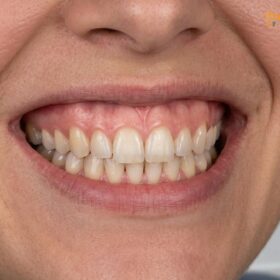
A gummy smile, clinically termed excessive gingival display, is a multifactorial condition stemming from muscular hyperactivity, altered passive dental eruption, or underlying skeletal discrepancies.
To effectively treat excessive gingival display, a clinician must first perform a comprehensive differential diagnosis to isolate the anatomical root cause. A harmonious smile is generally defined by the exposure of the full clinical crowns of the maxillary anterior teeth, accompanied by no more than a few millimeters of continuous pink gingival tissue. When the gingival display exceeds this aesthetic norm, the visual balance is disrupted, often leading patients to seek cosmetic dental interventions.
From a periodontal perspective, the architecture of the gums must be meticulously evaluated. The gingival zenith points—the highest points of the gum scallop—must be positioned slightly distal to the long axis of the tooth to achieve optimal aesthetic proportions. Furthermore, any surgical or non-surgical intervention must respect the supracrestal tissue attachment. This requires maintaining a minimum amount of healthy connective tissue and epithelial attachment above the alveolar bone crest to prevent chronic inflammation or unpredictable bone resorption [1].
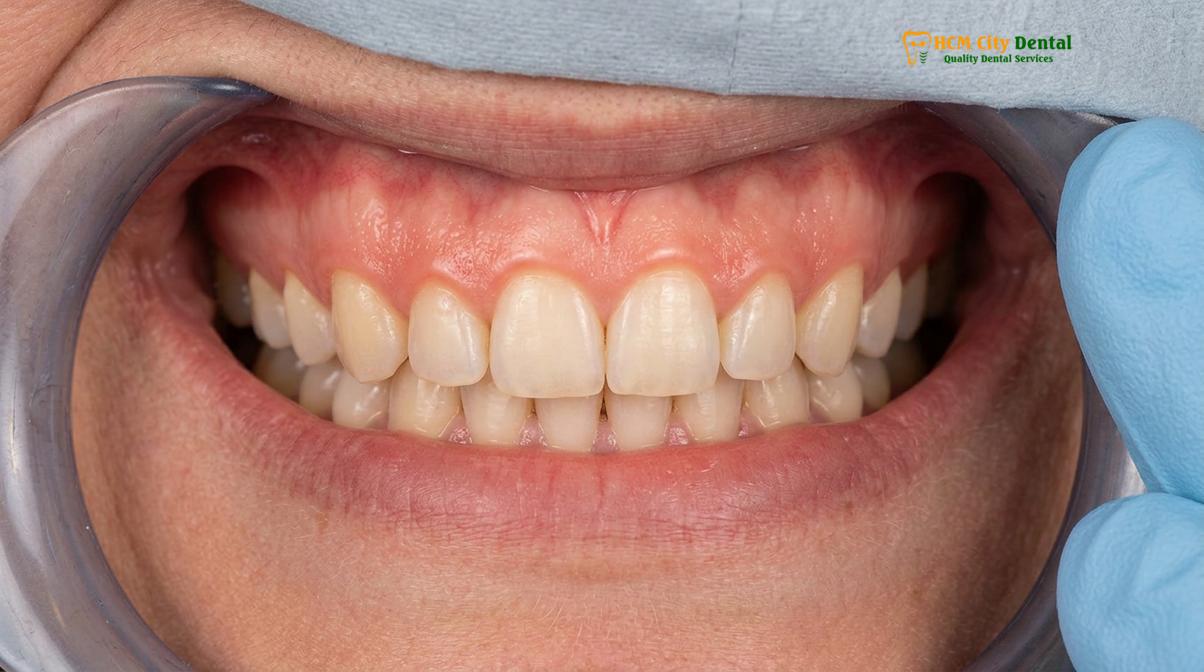
When the underlying cause is not skeletal or purely gingival, but rather muscular, the focus shifts to the dynamic movement of the upper lip. In these instances, the integration of digital smile analysis allows the clinician to map the exact trajectory of the lip during a spontaneous laugh, determining whether a neuromodulator is the most appropriate first-line therapy.
“A successful aesthetic outcome relies entirely on accurate diagnostics. We must differentiate between a short clinical crown requiring laser contouring and a hyperactive lip muscle requiring neuromodulation. Often, the most profound transformations occur when we respect the biological width while simultaneously addressing muscular dynamics.”
How Botox Temporarily Relaxes the Hyperactive Lip Elevators
Botulinum toxin works by blocking neuromuscular transmission, effectively relaxing the hyperactive levator muscles responsible for lifting the upper lip excessively during a smile.
The pharmacological mechanism of botulinum toxin type A involves the temporary inhibition of acetylcholine release at the neuromuscular junction. When a patient presents with a hyperactive levator muscle, their upper lip retracts significantly higher than the anatomical norm, exposing a broad band of gingival tissue. By strategically injecting the neuromodulator, the clinician can relax the levator labii superioris and its associated muscle groups, thereby limiting the maximum upward excursion of the lip.
It is important to clarify a common misconception: the actual gingival tissue is never injected. The target is strictly the overlying facial musculature. The primary muscles involved in upper lip elevation include the levator labii superioris alaeque nasi (LLSAN), the levator labii superioris (LLS), and the zygomaticus minor. By dampening the contractile force of these specific muscles, the lip rests at a lower, more aesthetically pleasing position even during a broad, dynamic laugh [3].
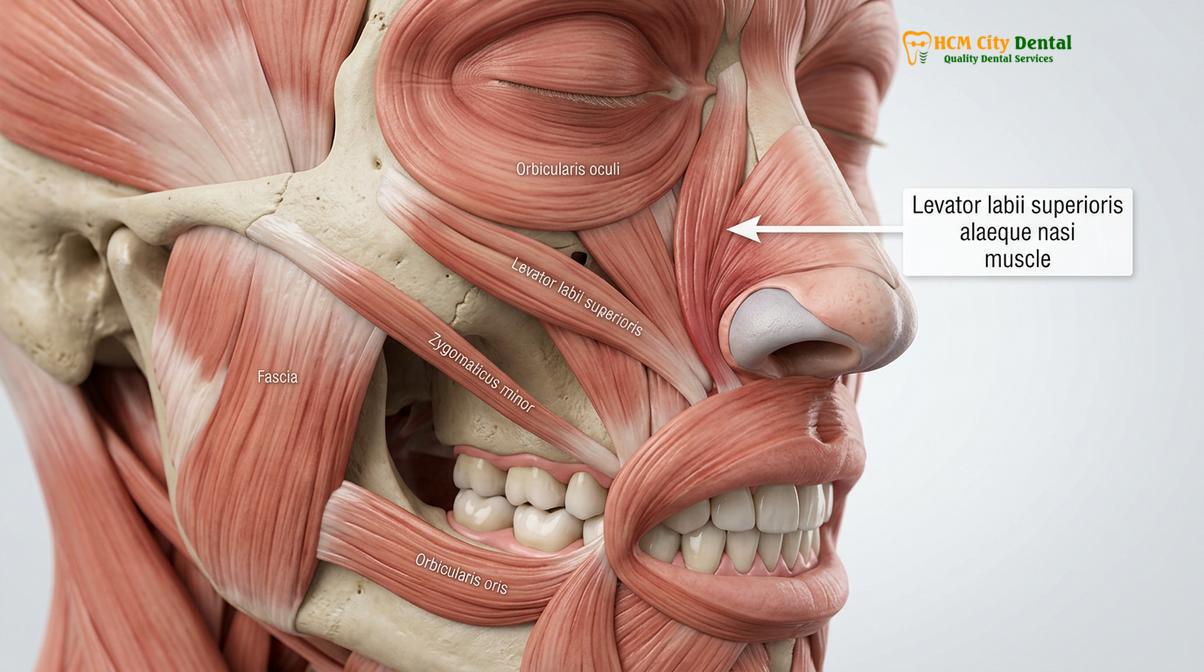
This approach has revolutionized non-surgical aesthetic dentistry, offering patients a highly effective alternative to invasive lip repositioning surgeries. The relaxation is dose-dependent and highly localized, ensuring that the surrounding muscles responsible for speech, mastication, and other facial expressions remain entirely unaffected.
Target Injection Sites and Safe Dosage (Botox Units)
Precise anatomical targeting at the Yonsei point and conservative dosing are critical to lowering the lip line while preserving natural, symmetrical facial expressions.
The clinical success of gummy smile correction relies heavily on the practitioner’s intimate knowledge of facial anatomy. The most widely accepted injection landmark is the Yonsei point, a specific anatomical zone located at the center of the triangle formed by the LLSAN, LLS, and zygomaticus minor muscles. Injecting precisely at this convergence allows for the simultaneous modulation of all three elevator muscles with a single puncture per side.
Determining the correct units for smile correction requires a conservative, individualized approach. Typically, a safe and effective dosage ranges from a few units per side, depending on the patient’s muscle mass, the severity of the gingival display, and gender. The neuromodulator is carefully reconstituted with sterile saline to ensure precise diffusion.
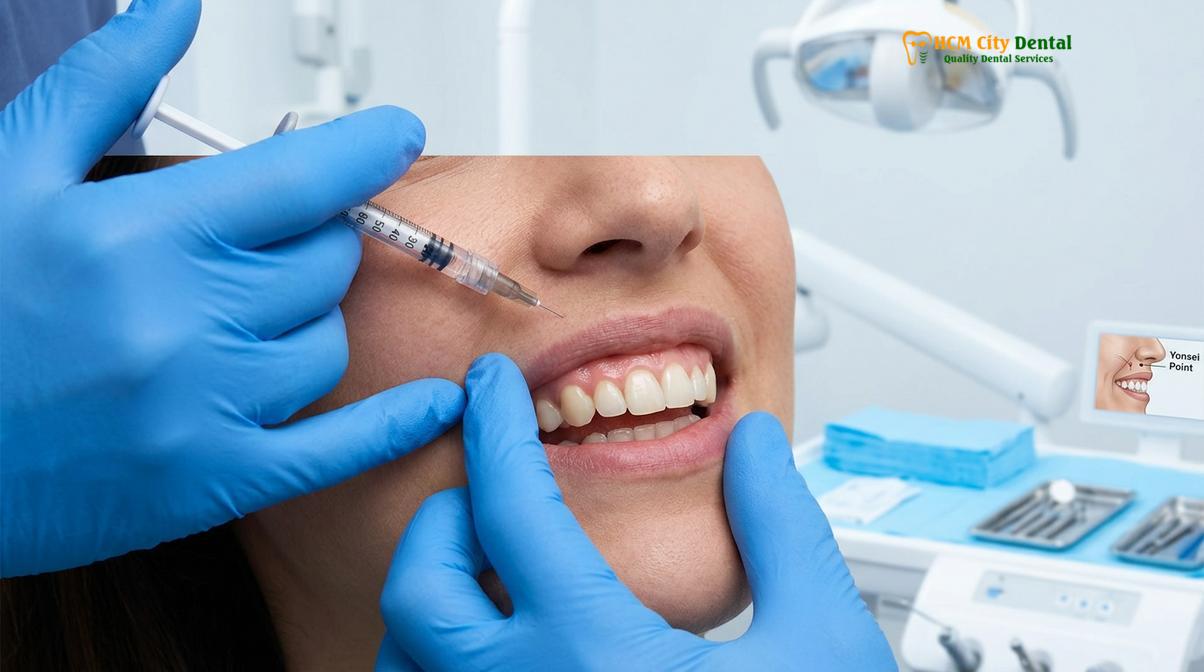
Following the injection, the toxin begins to bind to the nerve terminals. Patients are advised to remain upright for a few hours and avoid massaging the injection sites to prevent the unintended migration of the product into adjacent muscle groups.
The Treatment Process: Quick, Painless, and No Downtime
The administration process is a straightforward, outpatient procedure taking less than fifteen minutes, allowing patients an immediate return to their daily activities.
The workflow for gummy smile correction using neuromodulators is designed for maximum patient comfort and clinical efficiency. The process begins with a comprehensive dynamic smile analysis. The dentist will ask the patient to perform various facial expressions—smiling gently, laughing broadly, and speaking—to assess the degree of muscle hyperactivity and mark the precise injection sites.
Once the anatomical landmarks are identified, the skin is thoroughly cleansed and disinfected. Because the procedure utilizes ultra-fine micro-needles, the discomfort is minimal, often described as a brief, superficial pinch. Profound local anesthesia is rarely required, though a topical numbing cream or a cold compress may be applied for highly sensitive patients.
Clinical Case Example: A 28-year-old patient visiting HCMC Dental Clinic in Ho Chi Minh City sought an immediate aesthetic improvement for her gummy smile just weeks before her wedding. Because she lacked the recovery time required for surgical lip repositioning, the clinical team administered a conservative dose of neuromodulators. Within a few days, her gingival display was significantly reduced, providing a balanced, confident smile for her photographs without any surgical intervention.
How Long Do Gummy Smile Botox Results Last?
The neuromodulating effects are temporary, typically maintaining optimal lip repositioning for three to six months before normal muscle action gradually returns.
Unlike surgical interventions, the physiological effects of botulinum toxin are transient. The body naturally metabolizes the neurotoxin over time, and new nerve endings eventually re-establish the neuromuscular connection. For the majority of patients, the peak aesthetic result is observed around two weeks post-injection, with the effects remaining stable for several months.
As the fourth month approaches, patients may notice a gradual return of their original lip elevation. To maintain the desired aesthetic, follow-up injections are recommended. Interestingly, clinical observations suggest that patients who adhere to a consistent maintenance schedule may experience prolonged results over time. This occurs because the hyperactive levator muscles undergo mild disuse atrophy, requiring less frequent dosing in subsequent visits.
Botox vs. Laser Gingivectomy vs. Orthognathic Surgery
While neuromodulators address muscular causes, laser contouring corrects gingival overgrowth, and orthognathic surgery resolves severe skeletal vertical maxillary excess.
Understanding the distinction between these three primary modalities is crucial for achieving a predictable, long-lasting outcome. Neuromodulation is strictly a soft-tissue, muscular intervention. However, if the gummy smile is caused by altered passive eruption—where the teeth appear short and square because they are covered by excess gum tissue—a laser gingivectomy is often the gold standard.
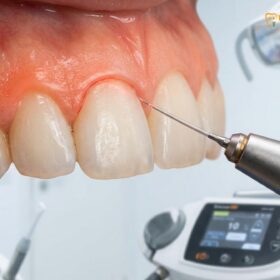
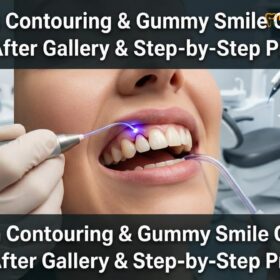
At modern facilities, clinicians utilize soft tissue diode lasers. This specific wavelength is highly absorbed by melanin and hemoglobin, allowing the dentist to perform bloodless, sutureless cuts. The laser provides instant coagulation and cauterization, rendering the procedure minimally invasive. Patients experience significantly reduced postoperative pain and swelling, enjoying a rapid recovery [2].
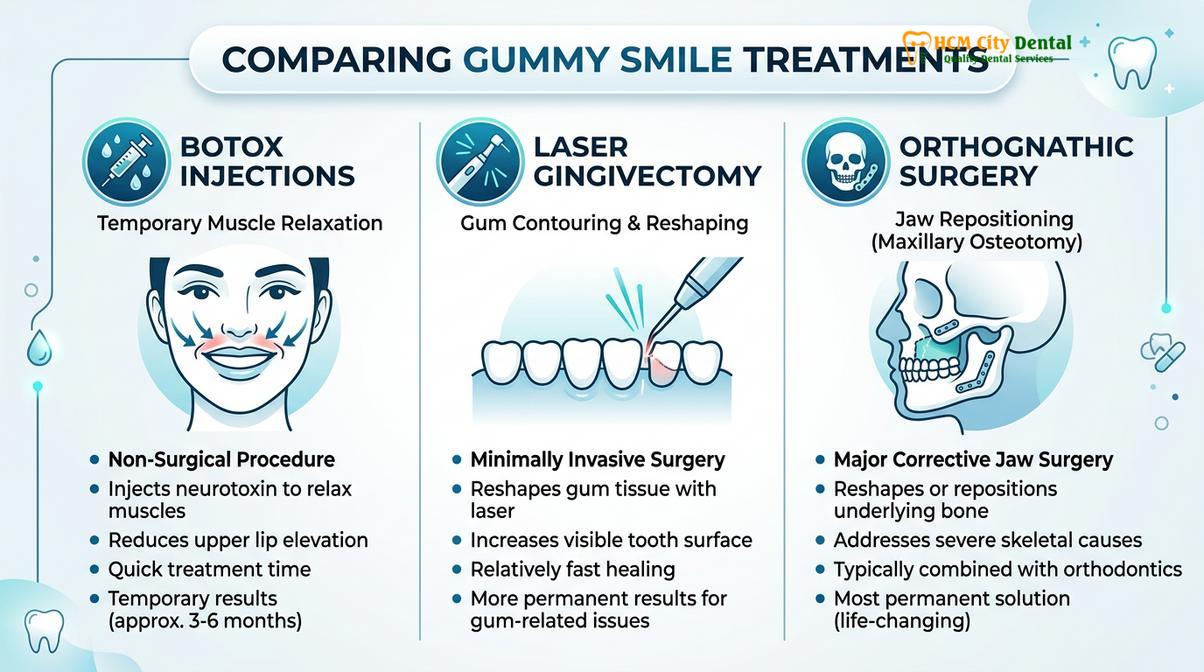
For the most severe cases involving skeletal discrepancies—specifically Vertical Maxillary Excess (VME), where the entire upper jaw has grown too far downward—neither injections nor lasers will suffice. These cases require orthognathic surgery. Clinics often collaborate with surgical jaw partners to perform complex osteotomies, ensuring patients receive comprehensive care for underlying skeletal deformities [4].
Transparent Pricing Structure
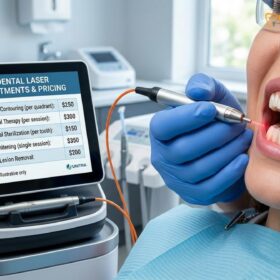
The region has emerged as a premier destination for dental tourism, offering world-class technology at highly accessible price points. Below is a general pricing structure for gummy smile interventions, reflecting the exceptional value available.
| Treatment Modality | Walk-in Price (VND) | Discounted Price (VND) | Estimated USD |
|---|---|---|---|
| Botox Gummy Smile Correction (Both Sides) | 7,500,000 VND | 4,500,000 VND | ~$180 USD |
| Laser Gingivectomy (Per Tooth) | 2,500,000 VND | 1,500,000 VND | ~$60 USD |
| Full-Arch Laser Gum Contouring (Up to 10 Teeth) | 20,000,000 VND | 12,000,000 VND | ~$480 USD |
| Esthetic Crown Lengthening (Per Tooth) | 5,000,000 VND | 3,000,000 VND | ~$120 USD |
| Surgical Lip Repositioning | 25,000,000 VND | 15,000,000 VND | ~$600 USD |
“The paradigm of aesthetic dentistry has shifted towards a multidisciplinary approach. We no longer look at a gummy smile as a single problem. By combining the precision of diode lasers for gingival architecture with the neuromodulating effects of targeted injections for lip dynamics, we achieve results that are both biologically sound and visually stunning.”
When to See a Doctor & Important Clinical Notes
While aesthetic treatments offer remarkable improvements, they are medical procedures that require careful patient selection. You should schedule a comprehensive consultation with a dental specialist if your gummy smile causes you psychological distress, prevents you from smiling confidently, or if you suspect it is linked to an underlying bite issue. Following national guidelines for non-surgical aesthetic facial interventions, a thorough clinical assessment is mandatory to rule out contraindications [5].
There are specific contraindications to consider. Neuromodulators are not recommended for patients who are pregnant or breastfeeding, nor are they suitable for individuals with certain neurological disorders or known hypersensitivities. Similarly, laser gingivectomy requires healthy underlying periodontal support; untreated periodontitis must be resolved before any cosmetic contouring can take place.
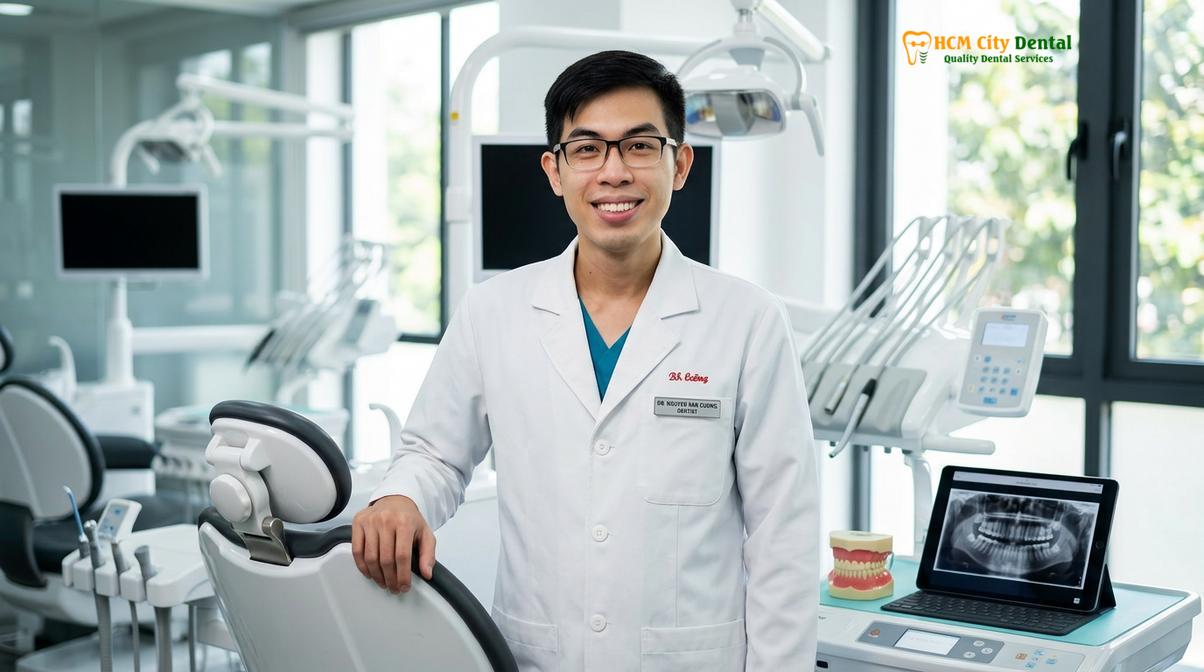
Dr. Nguyen Van Cuong and the clinical team prioritize a conservative, evidence-based approach to aesthetic dentistry. By conducting thorough dynamic smile analyses, Dr. Cuong ensures that every neuromodulator treatment is precisely tailored to the patient’s unique facial musculature. This dedication to personalized care helps patients achieve harmonious, natural-looking results without over-treatment.
If you are considering aesthetic dental treatments, schedule a consultation at HCMC Dental Clinic in Ho Chi Minh City. Our specialists can help determine if neuromodulators or comprehensive Gum Contouring & Gummy Smile correction is the most appropriate pathway for your clinical needs.
Frequently Asked Questions
Will Botox affect my speech or natural laugh?
When administered correctly by a qualified professional, neuromodulators generally do not impair speech or alter the fundamental character of a natural laugh. The treatment specifically targets hyperactive elevator muscles, restricting their maximum upward pull without freezing the entire perioral region. Patients can typically continue to speak, chew, and express emotions normally.
How often should I repeat the Botox injections?
To maintain optimal lip repositioning, patients typically need to repeat injections every three to six months. As the neuromodulator gradually metabolizes, muscle activity returns to its baseline state. Consistent maintenance appointments can sometimes lead to mild muscle atrophy over time, potentially extending the duration between required injection sessions.
What is the cost of Botox for gummy smile in Saigon?
The cost for gummy smile correction (both sides) is currently 4,500,000 VND (approximately $180 USD) with the promotional discount, compared to a walk-in rate of 7,500,000 VND. This highly competitive pricing makes the region an attractive destination for aesthetic dental treatments, especially when utilizing available booking discounts.
Can I combine Botox with laser gum contouring?
Yes, combining neuromodulators with laser contouring is often utilized as a multidisciplinary approach for complex cases. If a patient presents with both a hyperactive lip muscle and altered passive eruption, the laser reshapes the gingival margin while the injection prevents the lip from rising excessively high.
Is the Botox injection painful?
The injection is generally described as a very mild, fleeting pinch and is highly tolerable for most patients. Clinicians use ultra-fine micro-needles, and the entire injection process takes only a few seconds per side. Topical numbing cream or a cold compress can be applied beforehand to maximize comfort.
References
- Journal of Clinical Periodontology. Esthetic crown lengthening outcomes and biological width.
- International Journal of Periodontics & Restorative Dentistry. Diode laser vs scalpel gingivectomy healing protocols.
- Journal of Aesthetic and Restorative Dentistry. Neuromodulators in the management of excessive gingival display.
- Journal of Oral and Maxillofacial Surgery. Le Fort I osteotomy stability in vertical maxillary excess.
- Vietnam Odonto-Stomatology Association (VOSA). Guidelines on non-surgical aesthetic facial interventions in dental practice.