
How to Fix a Fractured Tooth Fast – Expert Tips & Remedies | Dr. Cuong

✓ 8+ Yrs Experience
✓ 500+ Int'l Patients
✓ Nobel Biocare Certified
✓ English · Vietnamese
Clinical Summary
Discovering you have a fractured tooth can be alarming. As a dental specialist, I want to provide you with a clear, authoritative guide on how to fix a...
Discovering you have a fractured tooth can be alarming. As a dental specialist, I want to provide you with a clear, authoritative guide on how to fix a fractured tooth, based on years of clinical experience and the latest dental science. This guide covers everything from immediate first aid to advanced professional cracked tooth repair options. Read now to understand your options and take the right steps toward restoring your smile and dental health.
A Fractured Tooth: More Than Just a Cosmetic Issue
A fractured or cracked tooth is a common dental emergency that I see frequently at our HCMCDental.com clinic. It’s not just a crack; it’s a structural failure in your tooth that can range from a minor, painless surface line to a severe split that jeopardizes the entire tooth. The symptoms can vary widely, from erratic pain when chewing to sudden sensitivity to hot or cold temperatures. In my experience treating thousands of patients, many are surprised to learn that even a small crack can create an entry point for bacteria, potentially leading to infection and more complex problems down the line.
Understanding the type of fracture is the first step in determining the correct treatment. It’s crucial to address this issue promptly, as a cracked tooth cannot heal on its own and delaying care can lead to more extensive damage.
What Causes a Tooth to Fracture?
Over many years of practice, I’ve seen tooth fractures result from a variety of causes. Understanding these can help in preventing future incidents. Common culprits include:
- Trauma: A direct blow to the mouth from a sports injury, a fall, or an accident is a frequent cause.
- Biting on Hard Objects: Chewing on ice, hard candy, popcorn kernels, or even accidentally biting down on a fork can exert enough force to crack a tooth.
- Teeth Grinding (Bruxism): The chronic pressure from grinding or clenching your teeth, especially during sleep, can lead to stress fractures over time.
- Large Dental Fillings: Large fillings can weaken the natural structure of the tooth, making it more susceptible to fracturing under normal chewing pressure.
- Sudden Temperature Changes: While less common, rapidly switching between very hot and very cold foods or drinks can cause the tooth to expand and contract, leading to tiny cracks.
Identifying the Different Types of Tooth Fractures
Not all fractures are the same. As a dentist, diagnosing the specific type of crack is critical for recommending the right cracked tooth repair. The American Association of Endodontists categorizes them into several types, each with a different prognosis and treatment approach.
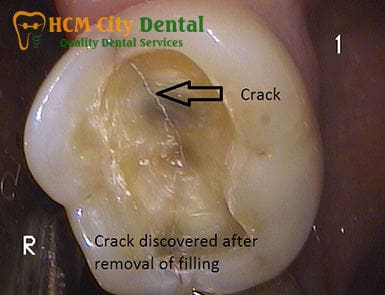
A common scenario at our clinic is a patient complaining of a sharp pain when biting down, but they can’t pinpoint which tooth it is. This often points to a “cracked tooth” where the fracture line runs vertically. Using diagnostic tools like a special light (transillumination) or a dental dye helps us visualize the crack and determine its depth.
| Type of Fracture | Description | Common Treatment Approach |
|---|---|---|
| Craze Lines | Tiny, shallow cracks in the outer enamel. Usually painless and a cosmetic concern. | Often no treatment is needed. Polishing or cosmetic options like bonding can be considered. |
| Fractured Cusp | A piece of the tooth’s chewing surface breaks off, often around a filling. It rarely damages the pulp (the tooth’s soft core). | A new filling or a dental crown is typically used to protect the tooth. |
| Cracked Tooth | The crack extends from the chewing surface vertically towards the root. Early diagnosis is key to saving the tooth. | If the crack hasn’t reached the pulp, a crown is often sufficient. If the pulp is affected, a root canal followed by a crown is necessary. |
| Split Tooth | This is often the result of an untreated cracked tooth where the tooth has split into distinct segments. | It’s unlikely the entire tooth can be saved. Depending on the fracture’s position, a portion might be salvageable, but extraction is common. |
| Vertical Root Fracture | These cracks begin in the root and extend towards the chewing surface. They often show minimal symptoms initially. | Treatment is challenging and often requires tooth extraction. |
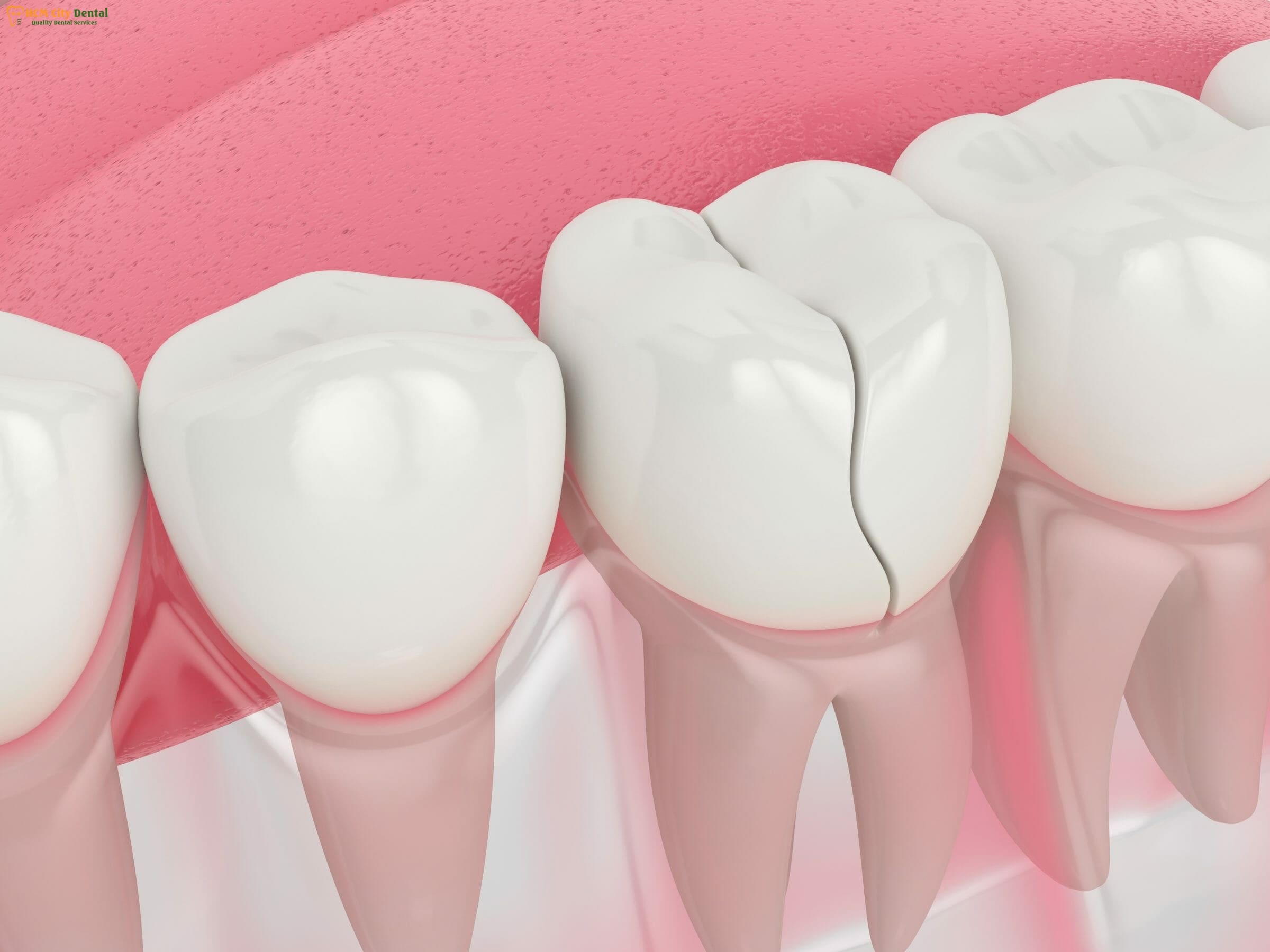
how to fix a fractured tooth
What to Do Immediately: First Aid for a Fractured Tooth
If you suspect you’ve fractured a tooth, it’s a dental emergency that requires prompt professional care. However, there are immediate steps you can take at home to manage the situation before you can get to our clinic.
A common mistake I see patients make is ignoring minor symptoms. A fractured tooth will not heal on its own. Delaying a visit to the dentist allows the crack to worsen, potentially turning a simple repair into a complex procedure like a root canal or even an extraction. Immediate action is your best defense.
Here’s what you should do:
- Rinse Your Mouth: Gently rinse with warm salt water to clean the area and help prevent infection.
- Apply a Cold Compress: Place an ice pack or cold compress on your cheek near the affected area to reduce swelling and numb the pain.
- Manage Pain: You can take over-the-counter pain relievers like NSAIDs to reduce pain and inflammation.
- Protect the Tooth: If there’s a sharp edge, you can cover it with a piece of sugarless gum or dental wax to avoid cutting your tongue or cheek. Avoid chewing on the affected side.
- Save Any Fragments: If a piece of the tooth has broken off, save it. Wrap it in wet gauze or place it in a container of milk or saliva and bring it with you to the dentist.
Experiencing pain or swelling? Don’t wait. Still have questions? Call our Hotline/WhatsApp now at +84853020003 for a direct, completely free consultation with Dr. Cuong!
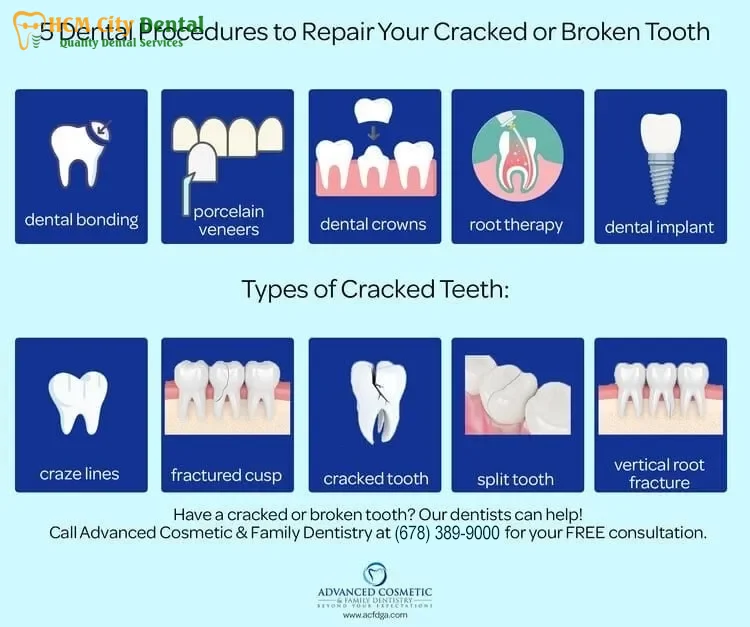
how to fix a fractured tooth
Professional Cracked Tooth Repair: Your Treatment Options
Fixing a cracked tooth requires professional dental intervention. The right treatment depends entirely on the type, location, and severity of the fracture. Based on a thorough examination and X-rays, I will recommend the most suitable procedure to restore your tooth’s health, function, and appearance.
For Minor Cracks: Dental Bonding
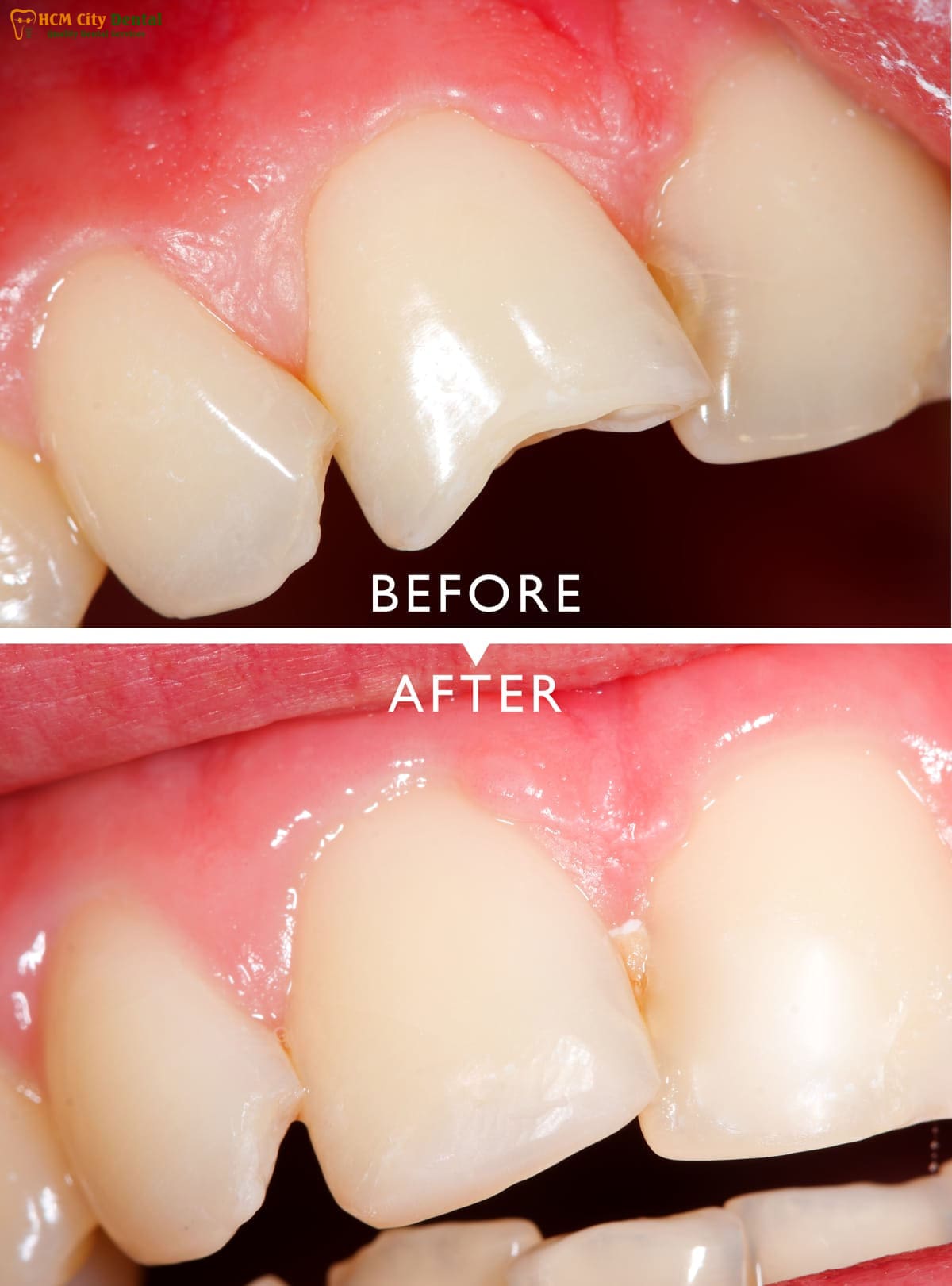
For smaller, more superficial cracks, dental bonding is an excellent and minimally invasive solution. This procedure involves applying a tooth-colored composite resin to the tooth’s surface to fill in the crack. I carefully sculpt and polish the resin to match your natural tooth, making the repair virtually invisible. It’s a quick, often single-visit procedure that can last for several years with proper care.
For Moderate Damage: Dental Crowns and Veneers
When a fracture is more significant, especially on a molar that endures heavy chewing forces, a dental crown is often the best solution for fixing a cracked tooth. A crown, or cap, covers the entire tooth, holding it together and protecting it from further damage. It acts as a helmet, distributing bite forces evenly and preventing the crack from spreading. In my clinical experience, placing a crown on a cracked tooth can significantly prolong its life and prevent the need for extraction.
For fractures on the front teeth, dental veneers can be a great cosmetic option. These are thin, custom-made shells of porcelain bonded to the front surface of the tooth to cover the crack and improve its appearance. While highly aesthetic, veneers are generally recommended for cracks that don’t compromise the tooth’s structural integrity.
For Severe Cracks Involving the Pulp: Root Canal Therapy
If a crack extends deep into the tooth and reaches the pulp—the soft inner tissue containing nerves and blood vessels—it can become infected and cause significant pain. In these cases, a root canal is necessary to save the tooth. During this procedure, I remove the damaged pulp, clean and disinfect the inside of the tooth, and then seal it. Following a root canal, the tooth is typically protected with a dental crown to restore its strength and prevent it from fracturing again.
Based on clinical observations, a common question I get from patients is whether a root canal is painful. Modern techniques and anesthetics make the procedure itself quite comfortable, often no more so than getting a filling. The real benefit is that it eliminates the severe pain caused by the infected pulp and saves a tooth that would otherwise need to be extracted.
When the Tooth Cannot Be Saved: Extraction and Replacement
Unfortunately, some fractures are too severe to repair. If a crack extends below the gum line or splits the tooth into multiple segments, extraction may be the only viable option to prevent infection and further complications. Experience has shown that in cases of a vertical root fracture or a split tooth, attempting to save the tooth is often unsuccessful. After extraction, we can discuss replacement options like a dental implant, which acts as a new root and provides a stable, long-lasting foundation for a new tooth.
Ready to find the right solution for your fractured tooth? Book an appointment online and get a 10% discount on your first appointment!
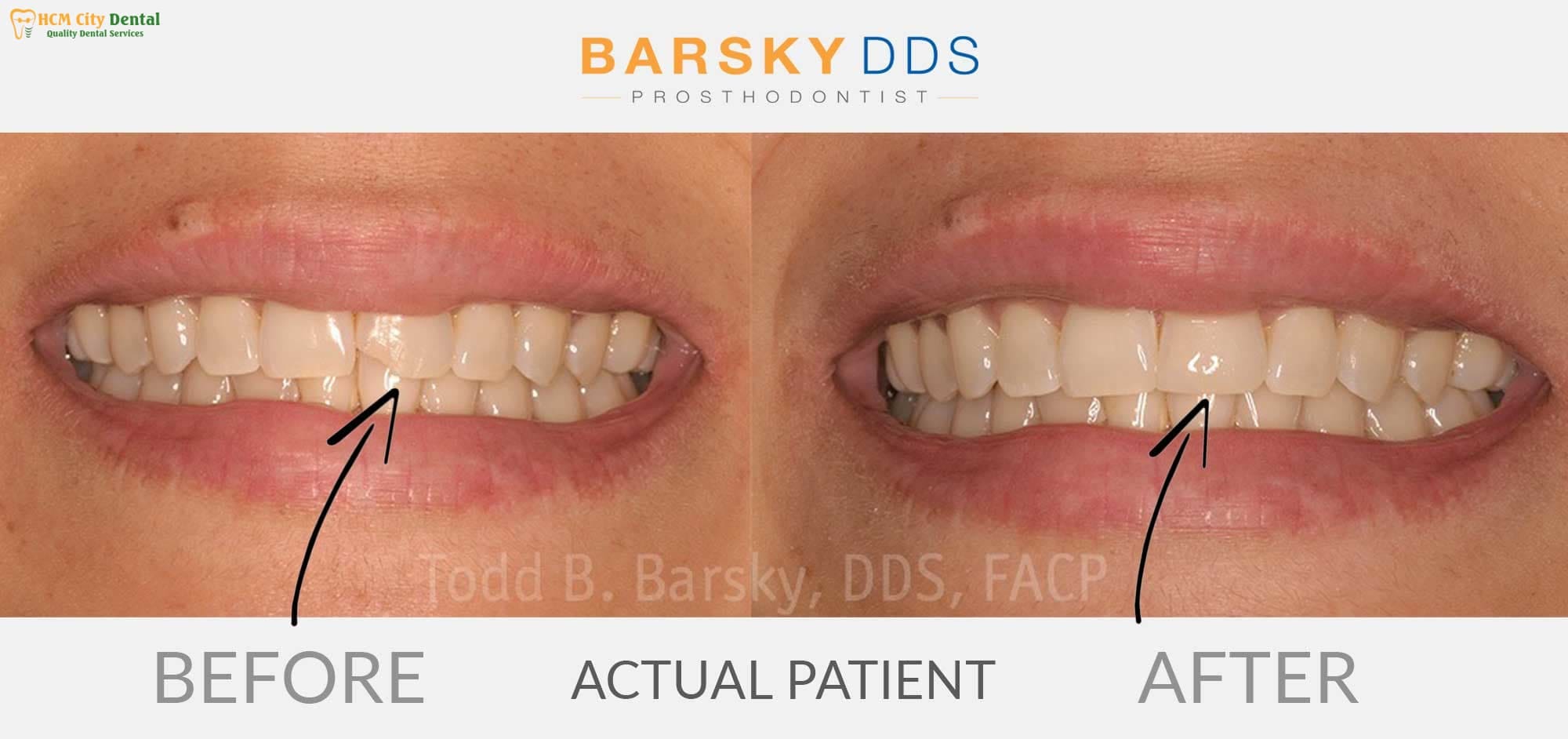
how to fix a fractured tooth
Preventing Tooth Fractures: An Ounce of Prevention
While we have excellent methods for fixing a cracked tooth, preventing one from happening in the first place is always the best approach. Here is some expert advice based on what I tell my patients every day:
- Avoid Chewing Hard Items: Be mindful of chewing on ice, hard candies, nuts, and other items that can put excessive stress on your teeth.
- Wear a Mouthguard: If you play sports, a custom-fitted mouthguard is essential protection against trauma.
- Address Teeth Grinding: If you grind your teeth (bruxism), a condition I see linked to stress in many patients, a custom night guard can protect your teeth from fracture while you sleep.
- Maintain Regular Dental Check-ups: Regular visits to HCMCDental.com allow me to identify potential issues like large, failing fillings or early signs of stress on your teeth before they lead to a fracture.
| Treatment Option | Best For | Average Cost Range (Illustrative) | Durability |
|---|---|---|---|
| Dental Bonding | Minor chips and cracks. | $100 – $600 per tooth. | 3-10 years, can be prone to staining. |
| Dental Crown | Moderate to severe cracks, protects weakened teeth. | $800 – $2,500 per tooth. | 5-15+ years, very durable. |
| Veneer | Cosmetic cracks on front teeth. | $500 – $2,000 per tooth. | 10-30 years with good care. |
| Root Canal + Crown | Cracks that have reached the tooth’s pulp. | $1,500 – $3,500+ total. | Can last a lifetime with proper care. |
| Extraction & Implant | Unsalvageable fractures (split tooth, vertical root fracture). | $3,000 – $6,500+. | Very high, considered a permanent solution. |
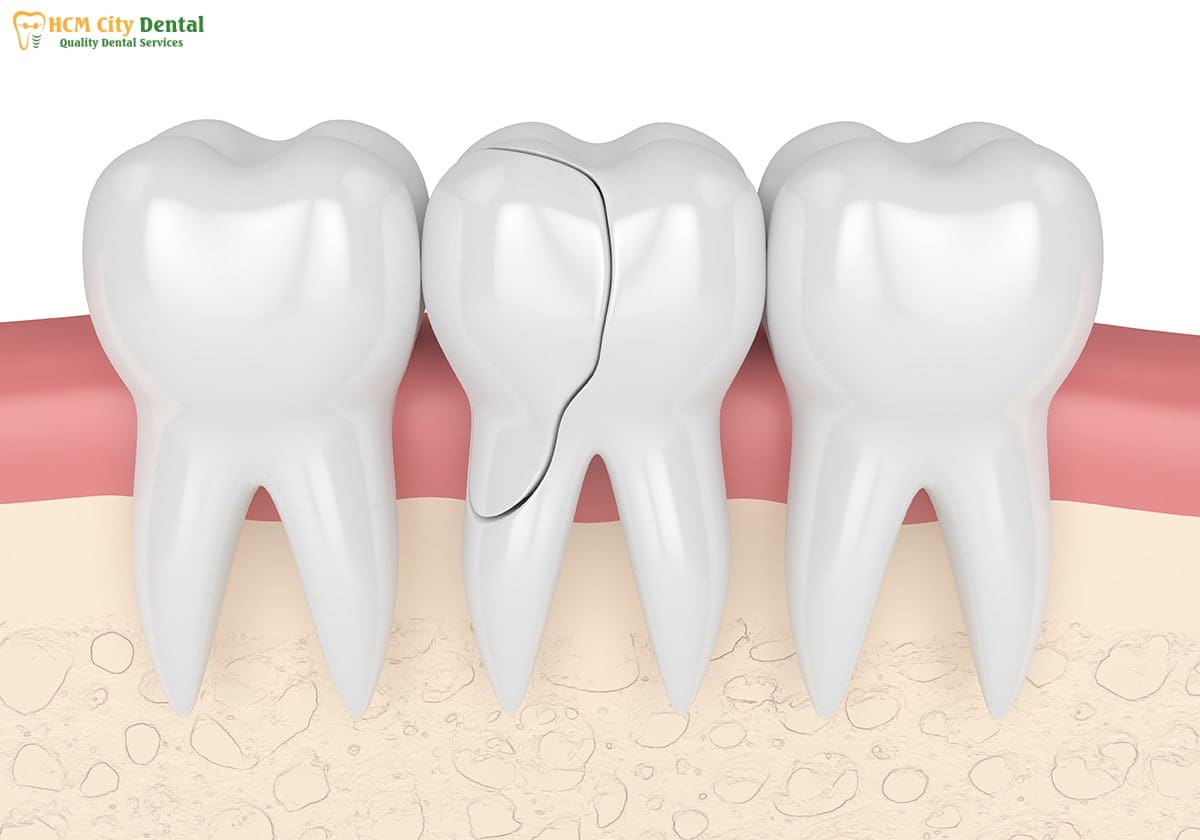
how to fix a fractured tooth
Frequently Asked Questions (FAQ)
Can a fractured tooth heal on its own?
No, a fractured tooth cannot heal itself. Unlike bones, tooth enamel does not have the ability to regenerate. It is essential to seek professional dental treatment to prevent the crack from worsening or leading to infection.
Is fixing a cracked tooth always considered a dental emergency?
Yes, you should always treat a cracked tooth as a dental emergency. Even if it doesn’t hurt, the crack can compromise the tooth’s structure and allow bacteria to enter, leading to more serious problems. Prompt evaluation is crucial.
What is the most common method for cracked tooth repair?
The most common method depends on the severity. For minor cracks, dental bonding is very common. For more significant fractures that threaten the tooth’s integrity, a dental crown is the most frequent and effective long-term solution for fixing a cracked tooth.
How long does it take to fix a fractured tooth?
The timeline varies. A simple bonding procedure can often be done in a single visit. However, a dental crown or a root canal treatment typically requires two or more appointments spread over a few weeks to a month.
Will I need a root canal if I have a fractured tooth?
Not always. A root canal is only necessary if the fracture is deep enough to have reached and damaged the tooth’s pulp. Many cracks can be successfully treated with less invasive options like bonding or a crown.
How can I tell if my tooth is cracked or just stained?
Craze lines are superficial cracks in the enamel that can look like stains but are harmless. However, if you experience pain when biting, sensitivity to temperatures, or can feel a rough edge with your tongue, it’s more likely a true fracture. A definitive diagnosis can only be made by a dentist.
What happens if I don’t get my fractured tooth fixed?
Ignoring a fractured tooth can lead to serious consequences. The crack can spread, causing the tooth to split completely, which may require extraction. It also creates a pathway for bacteria to infect the pulp, leading to a painful abscess and potential bone loss.
how to fix a fractured tooth
Your Next Step to a Healthy Smile
Discovering a fractured tooth can be unsettling, but understanding your options is the first step toward a solution. From simple bonding to a protective crown, modern dentistry offers effective ways for fixing a cracked tooth, restoring its function, and preserving your smile. In my experience, the most critical factor for a successful outcome is timely intervention.
In my many years of practice, I have seen firsthand how addressing a fractured tooth early can make all the difference. A small issue handled promptly remains a small issue. A problem ignored often grows into a much larger, more complex, and more costly one. Your oral health is an integral part of your overall well-being, and taking decisive action is an investment in yourself.
Do not wait for the pain to worsen or for the crack to spread. Take control of your dental health today. We are here to provide the expert care you need with a dedicated and trustworthy approach.
Ready to take the next step? Call our Hotline/WhatsApp now at +84853020003 for a direct, completely free consultation, or book your appointment online at HCMCDental.com and receive a 10% discount on your first visit.
This article was medically reviewed and written by Dr. Cuong.
Important Disclaimer
The information provided in this article is for educational and informational purposes only and is not intended as a substitute for professional medical advice, diagnosis, or treatment. Always seek the advice of your dentist or other qualified health provider with any questions you may have regarding a medical condition. Never disregard professional medical advice or delay in seeking it because of something you have read in this article.
Written and Medically Reviewed By
Dr. Cuong, Specialist in Odontostomatology
Dr. Cuong is a leading specialist in the field of Odontostomatology with extensive clinical experience in restorative and emergency dentistry. Practicing at HCMCDental.com, he is dedicated to providing patients with the highest standard of care, utilizing the latest research and advanced techniques. Dr. Cuong is passionate about patient education, empowering individuals to make informed decisions about their oral health. His commitment to excellence and a patient-centric approach has established him as a trusted and authoritative voice in the dental community.
how to fix a fractured tooth
Medical Disclaimer: This content is for educational purposes only — not a substitute for professional dental advice, diagnosis, or treatment. Always consult a qualified dentist for personalised care.
Read our full disclaimer →
Related Guides
Popular Services