Can Teeth Regrow? The [Secrets] to Dental Regeneration | Dr. Cuong

Wondering if humans can regrow teeth? Dr. Cuong explains the science, current dental solutions for missing teeth, and the future […]
Wondering if humans can regrow teeth? Dr. Cuong explains the science, current dental solutions for missing teeth, and the future of tooth regeneration. Read now to understand your options.
As a dental specialist with many years of practice, one of the most hopeful questions I hear from patients is, “Dr. Cuong, can teeth regrow?” The loss of a tooth, whether from injury, decay, or other health issues, can be a distressing experience. It affects not just your smile, but your confidence and daily function. Many people hold onto the hope that, like some other parts of the body, a lost tooth might simply grow back. In my experience treating thousands of patients at HCMCDental Clinic, I understand this desire for a natural, simple solution.
This comprehensive guide is written to address that very question with the scientific accuracy and care you deserve. We will explore the biological reasons why adult teeth don’t regenerate, discuss the highly effective restorative solutions we have today, and look at the exciting future of dental science that may one day make tooth regrowth a reality. My goal is to provide you with a complete, trustworthy resource so you can feel empowered and informed about your dental health.
The Straight Answer: Can Humans Regrow Teeth?
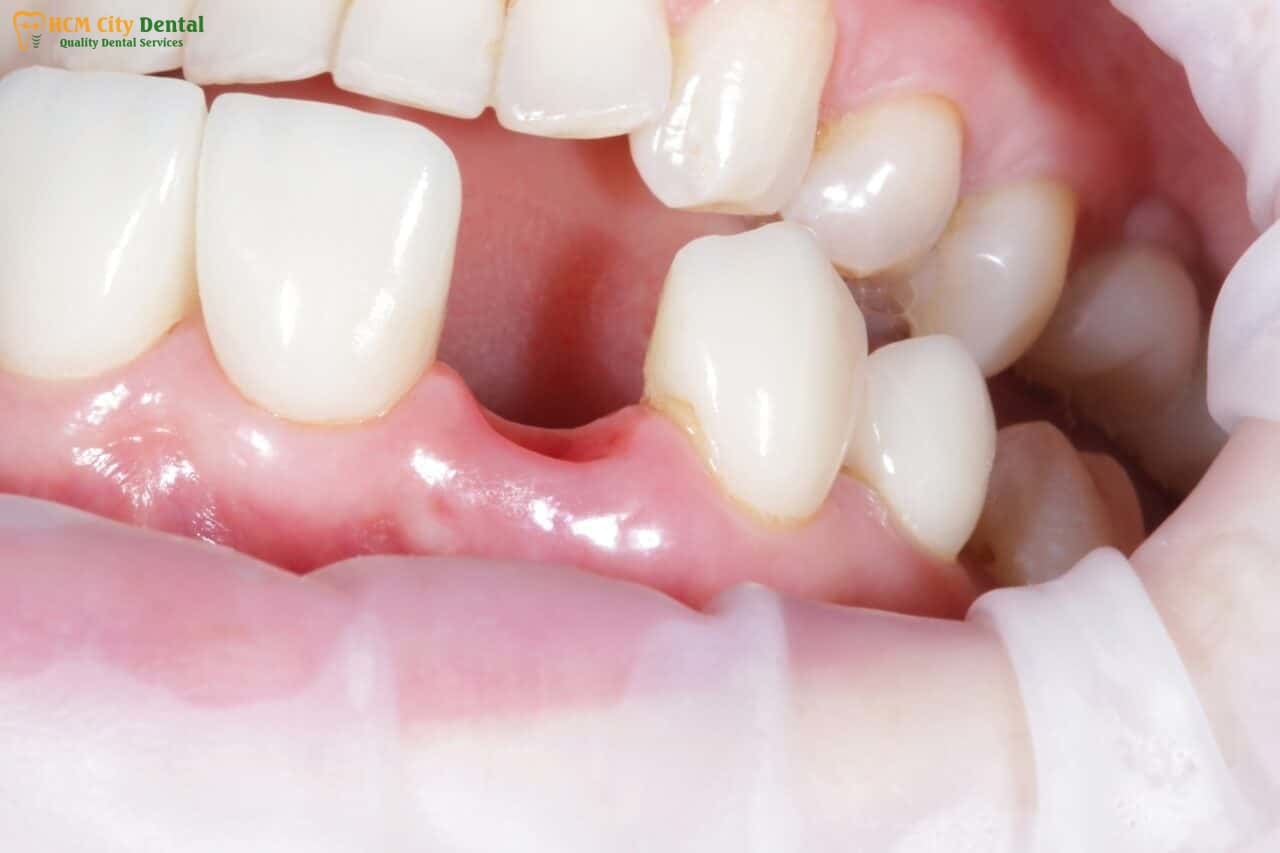
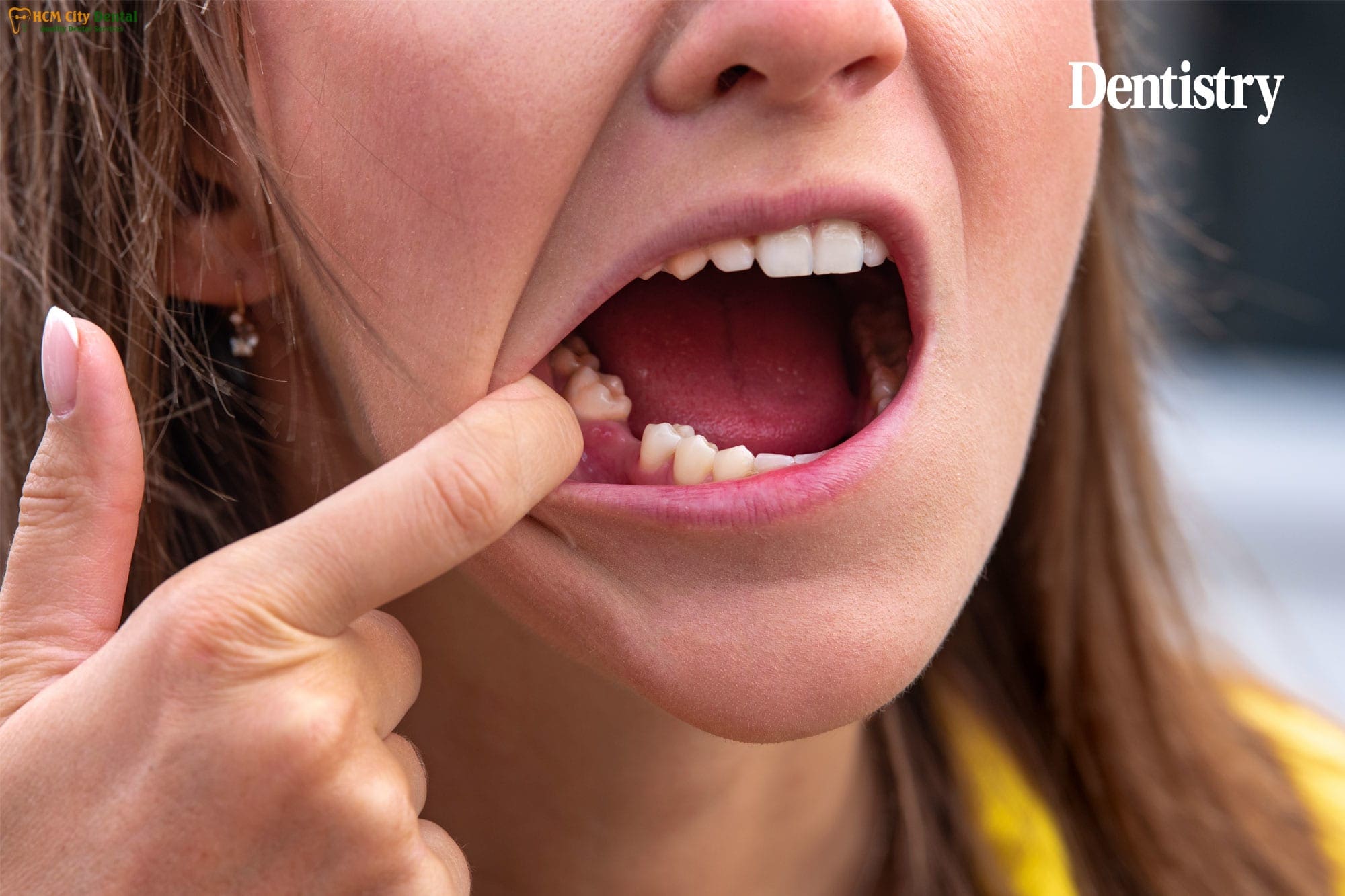
Let’s address the main question directly: Adult humans cannot naturally regrow a whole tooth once it has been lost. Throughout our lives, we are given two sets of teeth: the primary (or “baby”) teeth and the permanent (or “adult”) teeth. Once a permanent tooth is gone, the body does not have a natural mechanism to replace it with a third one.
The cells responsible for forming teeth, known as ameloblasts (which form enamel) and odontoblasts (which form dentin), are most active during our developmental years. After our permanent teeth are fully formed and erupt, the key cells needed to start the process of building a new tooth from scratch are no longer active or present in the way required for regeneration.
In my clinical experience, this is a fundamental concept I explain to patients. While we can’t grow a new natural tooth, the good news is that modern dentistry offers outstanding ways to replace missing teeth that look, feel, and function just like the real thing. It’s crucial to shift the focus from regrowth to restoration.
can teeth regrow
Understanding Tooth Biology: Why Adult Teeth Don’t Grow Back
To understand why we can’t simply regrow teeth, we need to look at how they form in the first place. The process is complex and precisely timed, happening mostly before we are even born.
Your Two Sets of Teeth: A Lifetime Supply
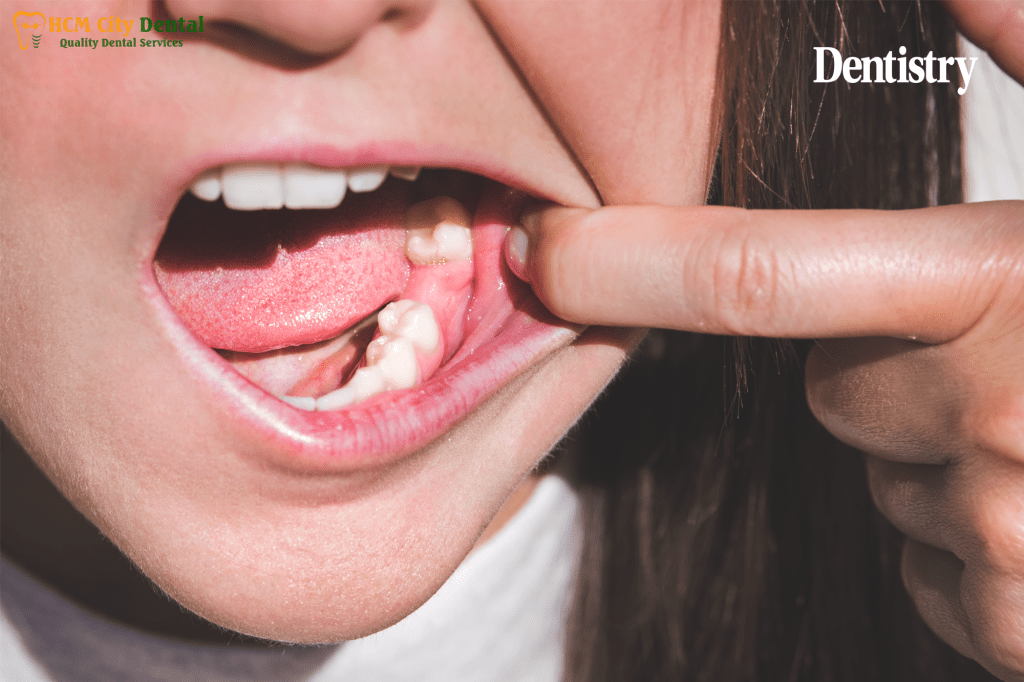
Humans are “diphyodonts,” which means we get two sets of teeth. The first set, the 20 primary teeth, are designed to fit a child’s smaller jaw. Around age 6, they begin to be replaced by the 32 permanent teeth. This transition is a one-time event. The genetic programming for tooth development essentially “shuts off” after this second set is complete. In contrast, some animals like sharks are “polyphyodonts” and can replace their teeth continuously throughout their lives, a trait governed by a different genetic expression.
The Role of Dental Stem Cells and Tooth Buds
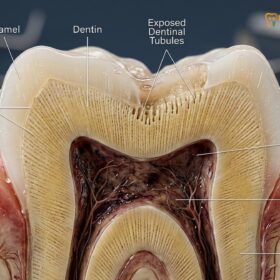
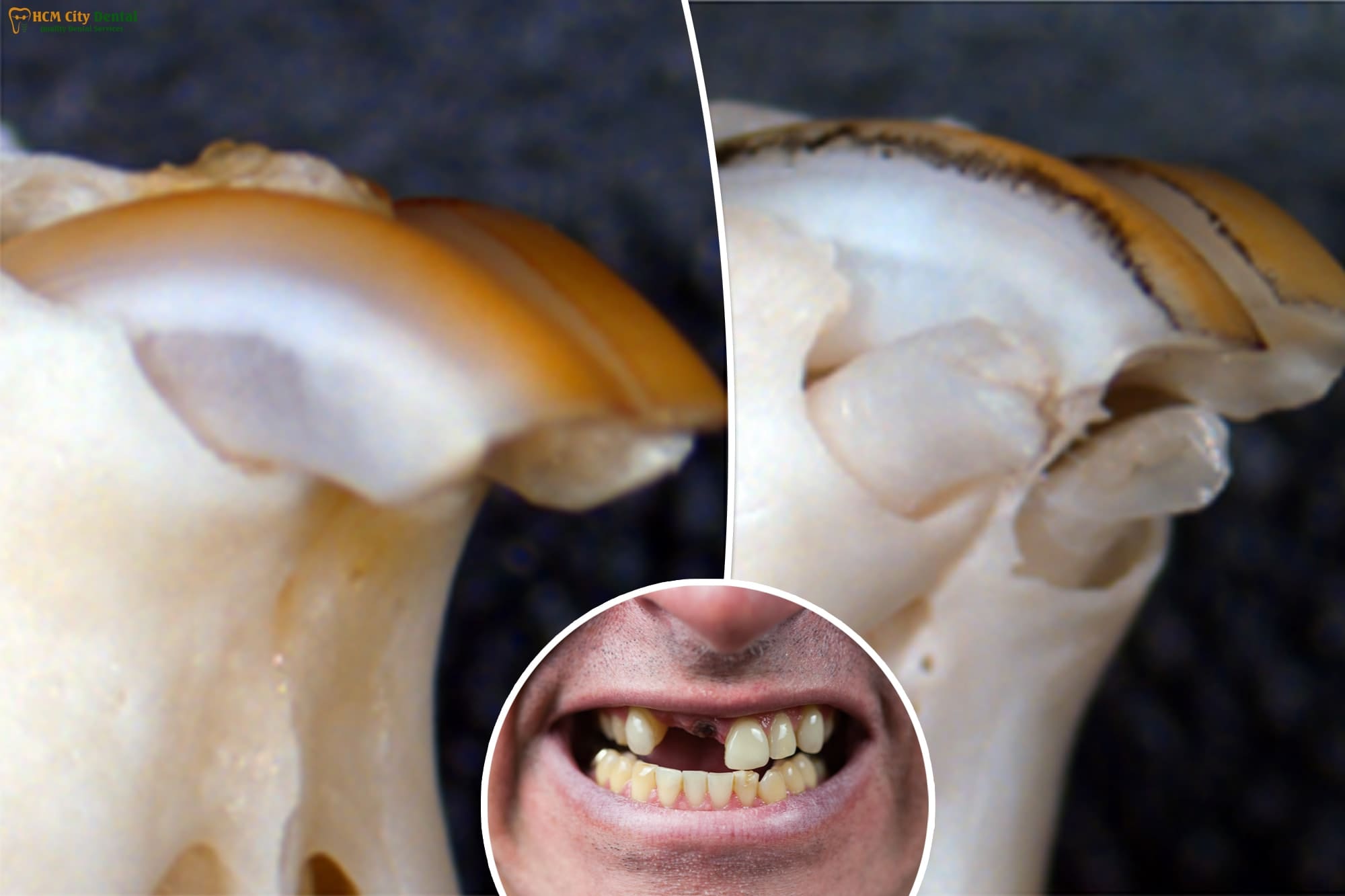
Teeth develop from structures called tooth buds. These buds contain all the necessary genetic information and stem cells to form the different parts of a tooth: the hard outer enamel, the supportive dentin, and the inner pulp containing nerves and blood vessels. While adult teeth do contain a limited number of stem cells within the pulp, these cells are primarily involved in minor repair, like creating small amounts of new dentin if the tooth is damaged. They do not have the capability to regenerate an entire, complex tooth structure from the root up.
can teeth regrow
Hope on the Horizon: Can We Regrow Teeth in the Future?
While natural regrowth isn’t possible today, scientific research is making incredible strides toward a future where it might be. This is one of the most exciting frontiers in dentistry, and it’s important to separate the promising science from the current reality.
Groundbreaking Drug Research: Activating Natural Growth Signals
One of the most promising areas of research involves a drug that targets a specific protein called USAG-1. This protein naturally inhibits tooth growth, acting as a “brake” to prevent us from growing too many teeth. Researchers in Japan have developed an antibody-based medicine that can block USAG-1. In animal studies on mice and ferrets, this drug successfully stimulated the growth of new teeth. A first-in-human clinical trial has begun to test the drug’s safety and effectiveness, initially focusing on patients with congenital tooth agenesis (a condition where teeth never form). If successful, this could one day be a revolutionary treatment.
Stem Cell Therapies and Bioengineering
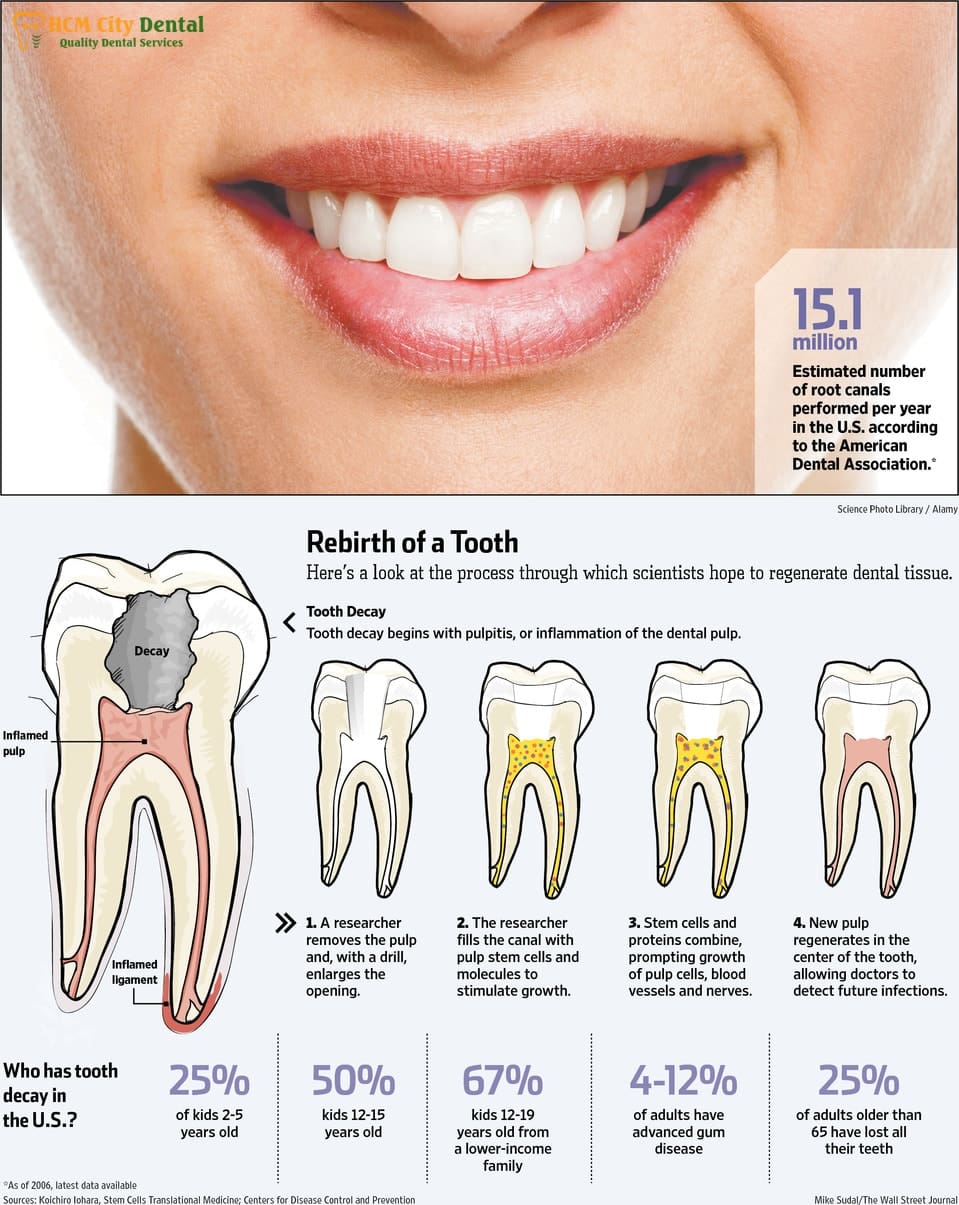
Scientists are also exploring how to use stem cells to grow new teeth. The idea is to harvest dental stem cells, cultivate them in a lab to form a “tooth bud,” and then implant this bioengineered bud into the jaw where it could grow into a new, fully functional tooth. Research has shown success in regenerating parts of teeth, like the dental pulp, and even growing tooth-like structures in animal models. However, creating a whole human tooth with the correct shape, size, and strength is incredibly complex, and this technology is still in the early stages of development.
Based on clinical observations and staying current with research, I advise my patients to be optimistic but realistic. These scientific advancements are incredible, but they are not available as treatments yet. For anyone with a missing tooth today, the focus must be on the proven, effective solutions we have right now.
can teeth regrow
Your Best Options Today: Restoring Your Smile and Function
If you have a missing tooth, there is no need to wait for future breakthroughs. Modern dentistry offers several excellent, reliable, and aesthetically pleasing solutions to restore your smile and chewing ability. A common scenario at our clinic is a patient asking which option is best. The answer always depends on individual factors like oral health, budget, and the location of the missing tooth.
Here’s a comparison of the top three solutions:
Dental Implants: The Gold Standard
A dental implant is an artificial tooth root, usually made of biocompatible titanium, that is surgically placed into the jawbone. It fuses with the bone in a process called osseointegration, creating a strong and stable foundation for a crown. In my practice, I consider dental implants the premier solution because they most closely mimic a natural tooth.
- Longevity: Can last a lifetime with proper care.
- Bone Health: Stimulates the jawbone, preventing the bone loss that occurs when a tooth is missing.
- Function: Feels and functions just like a natural tooth, with no impact on adjacent teeth.
Dental Bridges: A Time-Tested Solution
A dental bridge “bridges” the gap left by a missing tooth. It consists of an artificial tooth (called a pontic) that is anchored in place by crowns attached to the adjacent natural teeth. Bridges are a reliable option, especially if the neighboring teeth already need crowns.
- Speed: The process is typically faster than for implants.
- Non-Surgical: Avoids the surgical placement required for an implant.
- Drawback: Requires grinding down healthy adjacent teeth to place the supporting crowns, which can make them more vulnerable over time.
Dentures: A Removable Option
Dentures are removable appliances that can replace one (partial denture) or all (complete denture) of the teeth in an arch. They are often the most affordable option, making them accessible for many patients.
- Cost-Effective: Generally the lowest upfront cost.
- Non-Invasive: No surgery or alteration of other teeth is required.
- Stability: Can be less stable than implants or bridges and may require adhesives. They also don’t prevent jawbone loss.
Still have questions? Call our Hotline/WhatsApp now at +84853020003 for a direct, completely free consultation with Dr. Cuong!
Comparing Your Tooth Replacement Options
To help you understand the differences at a glance, here is a summary table:
| Feature | Dental Implants | Dental Bridges | Dentures (Partial/Complete) |
|---|---|---|---|
| Longevity | Excellent (Can last a lifetime) | Good (5-15 years) | Fair (Requires replacement every 5-8 years) |
| Jawbone Preservation | Yes, prevents bone loss | No, bone loss can occur under the bridge | No, bone loss occurs over time |
| Impact on Adjacent Teeth | None | Requires grinding down healthy teeth | Can put stress on clasped teeth (partials) |
| Comfort & Function | Excellent, feels like a natural tooth | Very good, fixed in place | Fair, can be unstable and affect taste |
| Upfront Cost | Highest | Moderate | Lowest |

can teeth regrow
Can You Regenerate Teeth Naturally? Separating Fact from Fiction
The internet is full of claims about “natural” ways to regrow teeth. It’s vital to distinguish between scientifically supported processes and myths.
The Truth About Enamel Remineralization
You cannot regrow a tooth, but you can repair and strengthen your tooth enamel through a natural process called remineralization. Enamel loses minerals when exposed to acids from food and bacteria. Remineralization is the process of depositing those minerals (like calcium and phosphate) back onto the enamel surface.
How to support remineralization:
- Use Fluoride Toothpaste: Fluoride is a mineral that makes enamel more resistant to acid attacks.
- Eat a Mineral-Rich Diet: Consume foods high in calcium and phosphorus, like dairy products, leafy greens, and lean meats.
- Stay Hydrated: Drinking water, especially fluoridated water, helps rinse away acids and supports saliva production, which is key to remineralization.
- Limit Sugar and Acids: Reducing your intake of sugary and acidic foods and drinks minimizes mineral loss in the first place.
Why “Regrow Teeth” Kits and Home Remedies Don’t Work
You may see products or articles online promoting oil pulling, special supplements, or kits that claim they can regrow teeth. There is no scientific evidence to support these claims. While some practices like oil pulling may have other minor health benefits, they cannot regenerate enamel, dentin, or a whole tooth. Relying on these methods can be dangerous, as it may delay you from seeking proper dental care for a problem that could worsen over time.
A common mistake I see patients make is waiting too long to address a dental issue because they were trying an unproven home remedy. Early intervention is always the key to simpler, more effective treatment. If you have a concern, the best first step is always a professional consultation.
Making the right choice for your health starts with a professional diagnosis. Get a 10% discount on your first appointment! Book online at HCMCDental.com today.
can teeth regrow
Frequently Asked Questions About Tooth Regrowth
Here are answers to some of the most common questions I receive from patients on this topic.
- 1. Can a broken or chipped tooth grow back?
- No, a broken part of a tooth cannot grow back on its own. However, a dentist can easily repair a chipped tooth with dental bonding or a crown, restoring its shape and function perfectly. The underlying tooth structure does not regenerate.
- 2. Why can sharks regrow teeth but humans can’t?
- Sharks have a different evolutionary path and genetic makeup that allows for continuous tooth replacement. Their teeth are not as deeply rooted as human teeth and are arranged in a conveyor-belt-like system. Humans evolved to have two sets of very strong, precisely aligned teeth suitable for a varied diet, but lost the ability for continuous regeneration in the process.
- 3. How can I regenerate my teeth naturally at home?
- You cannot regenerate a whole tooth at home. The only natural process you can support is enamel remineralization, which strengthens existing teeth. This involves excellent oral hygiene with fluoride toothpaste, a diet low in sugar, and eating foods rich in calcium and vitamins.
- 4. What is the latest news on how to regenerate teeth?
- The most significant news is the first-in-human clinical trial for a drug that inhibits the USAG-1 protein, which has shown promise in regrowing teeth in animal studies. Research into stem cell therapies and bioengineering also continues to advance, but these are not yet available as clinical treatments.
- 5. Can you grow new teeth after age 30?
- No, once your permanent teeth have erupted (usually by your early teens), your body does not have the natural ability to grow any new teeth, regardless of age. Any “new” tooth would have to come from advanced dental procedures like implants.
- 6. If a tooth is knocked out, can it be saved?
- Yes, in some cases! If an adult tooth is knocked out, it’s a dental emergency. You should handle the tooth by the crown (the chewing surface), not the root. If possible, gently rinse it with milk or water (do not scrub it) and try to place it back in the socket. If you can’t, keep it moist in a container of milk or saliva and see a dentist immediately. Time is critical for successful re-implantation.
can teeth regrow
Conclusion: Your Smile Today and Tomorrow
To summarize, the answer to “can teeth regrow?” is a clear “no” for now, but with a hopeful “maybe” for the distant future. Our biology provides us with two sets of teeth, and once our adult teeth are lost, they are gone for good.
However, this is not a cause for despair. Experience has shown that in cases of tooth loss, modern restorative dentistry offers solutions that are incredibly effective, durable, and natural-looking. From dental implants that preserve your jawbone to bridges and dentures that restore your smile, we have excellent tools to manage tooth loss today. The key is to focus on prevention and, when necessary, to choose a proven restorative solution with the guidance of a dental professional.
The future of tooth regeneration through drug therapies and stem cells is a testament to scientific progress, but your immediate oral health depends on the choices you make now. Don’t let a missing tooth compromise your health or confidence.
Ready to discuss your options? Call our Hotline/WhatsApp now at +84853020003 for a direct, completely free consultation with me, Dr. Cuong, or book an appointment online at HCMCDental.com to receive a 10% discount on your first visit.
This article was medically reviewed and written by Dr. Cuong.
Important Disclaimer
The information provided in this article is for educational and informational purposes only and is not intended as a substitute for professional medical advice, diagnosis, or treatment. Always seek the advice of your dentist or another qualified health provider with any questions you may have regarding a medical condition. Never disregard professional medical advice or delay in seeking it because of something you have read on this website.
Written and Medically Reviewed By
Dr. Cuong, Specialist in Odontostomatology at HCMCDental.com
Dr. Cuong is a leading dental specialist with extensive experience in restorative and cosmetic dentistry. With a passion for combining clinical excellence with patient-centered care, he has successfully treated thousands of patients, helping them achieve healthy, confident smiles. Dr. Cuong is dedicated to staying at the forefront of dental technology and research to provide the most up-to-date and effective treatments available at the HCMCDental Clinic.