Securing a reliable dental aftercare warranty abroad requires choosing clinics that provide documented global passports and remote clinical support. A robust international warranty ensures that post-operative healing, bite adjustments, and long-term prosthetic maintenance are clinically supported even after you return to your home country.
Clinical Summary:
Navigating a dental aftercare warranty abroad involves understanding the distinction between manufacturer hardware guarantees and clinical workmanship coverage. Premium international clinics utilize heritage implant brands (such as Straumann and Nobel Biocare) that issue global warranty passports, allowing authorized local providers to service components worldwide. Successful long-term outcomes rely heavily on remote post-op aftercare via telemedicine, strict adherence to professional hygiene protocols, and mandatory patient compliance, including the use of occlusal nightguards to protect biocompatible monolithic zirconia restorations from excessive biomechanical stress.
Key Takeaways:
- Premium implant fixtures from heritage brands carry lifetime global manufacturer warranties.
- Remote telemedicine allows for continuous post-operative monitoring across international borders.
- Platelet-Rich Fibrin (PRF) protocols significantly accelerate soft tissue and bone graft healing.
- Mandatory nightguard use is required to maintain warranty validity against bruxism forces.
- Pre-booking treatments via WhatsApp can secure up to a 40% discount on comprehensive rehabilitation packages.
The Post-op Recovery Phase: Managing Mild Swelling and Bite Adjustments
The immediate post-operative phase focuses on managing localized inflammation and ensuring the newly established occlusal vertical dimension settles correctly. Proper adherence to soft-tissue healing protocols minimizes complications and supports long-term implant integration.
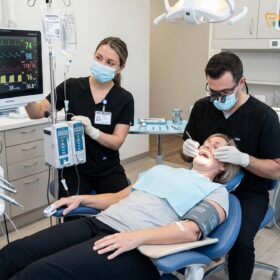
The foundation of a successful international dental procedure is laid during the critical first weeks of healing. When undergoing extensive procedures, the full mouth reconstruction timeline is meticulously planned to accommodate biological healing phases. Immediately following surgery, patients often experience mild to moderate localized edema (swelling) and minor discomfort. Because premium clinics utilize advanced IV conscious sedation—administered under the supervision of a board-certified anesthesiologist using Midazolam and Propofol protocols with continuous EKG monitoring—the surgical experience is virtually anxiety-free, and the immediate post-operative systemic stress is significantly reduced.
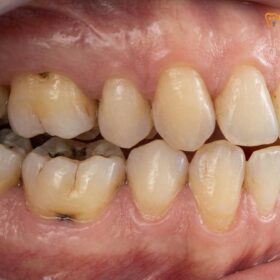
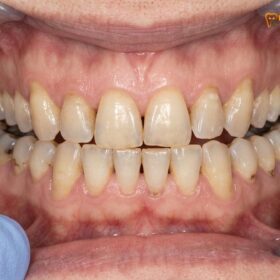
To accelerate the healing of bone grafts and gingival tissues, leading specialists employ Platelet-Rich Fibrin (PRF) therapy. By utilizing the patient’s own autologous blood growth factors, PRF creates a biological scaffold that promotes rapid vascularization and minimizes post-surgical inflammation [1]. This advanced technique is particularly crucial when restoring the Vertical Dimension of Occlusion (VDO). Correcting a collapsed bite requires the neuromuscular system to adapt to a new, physiologic rest jaw position. During this adaptation period, patients may require minor occlusal adjustments to ensure that the diagnostic temporary splints transition smoothly into permanent bio-inert restorations.
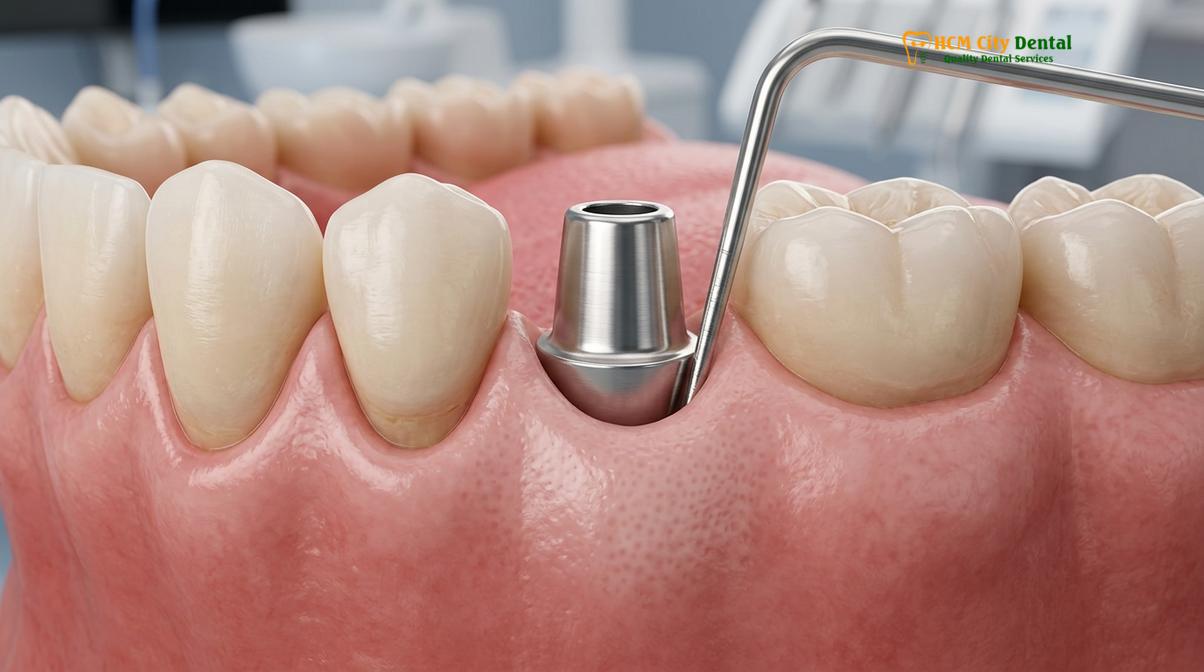
Dr. Nguyen Van Cuong emphasizes that the success of bite collapse correction relies heavily on precise biomechanical load distribution. “When we alter the vertical dimension, we are not just changing the teeth; we are resetting the entire temporomandibular joint (TMJ) alignment and relieving chronic muscle fatigue,” notes Dr. Cuong. This clinical perspective underscores why immediate post-op aftercare is vital. Patients are instructed to adhere strictly to a soft-food diet, avoiding any micro-movements that could disrupt the delicate osseointegration process of the titanium fixtures.
“Osseointegration is a highly sensitive biological process. The introduction of autologous growth factors via PRF, combined with strict dietary compliance, creates the optimal environment for cellular fusion between the titanium implant and the alveolar bone, ensuring the long-term stability required to uphold international warranties.”
Distance Patient Care: Scheduled Video Follow-ups via WhatsApp
Remote clinical monitoring bridges the geographical gap between the surgical center and the patient’s home country. Scheduled video consultations allow specialists to assess soft tissue healing and address minor concerns promptly.
One of the primary concerns patients have regarding dental tourism is the perceived lack of support once they board their flight home. Modern clinical protocols have entirely neutralized this issue through structured telemedicine. A scheduled video whatsapp follow up is now a standard component of comprehensive international care. These remote sessions allow the surgical team to visually inspect the healing of the gingival margins, monitor for any signs of ischemia or localized infection, and guide the patient through their recovery milestones.
At HCMC Dental Clinic in Ho Chi Minh City, the distance patient care protocol is highly systematized. Before departing, patients are equipped with a detailed recovery manual and a direct communication line to the international support desk. If a patient experiences unexpected sensitivity or has questions regarding their temporary prosthetics, they can initiate a remote consultation instantly. The clinical team reviews high-resolution photographs and video feeds to provide immediate, evidence-based guidance.
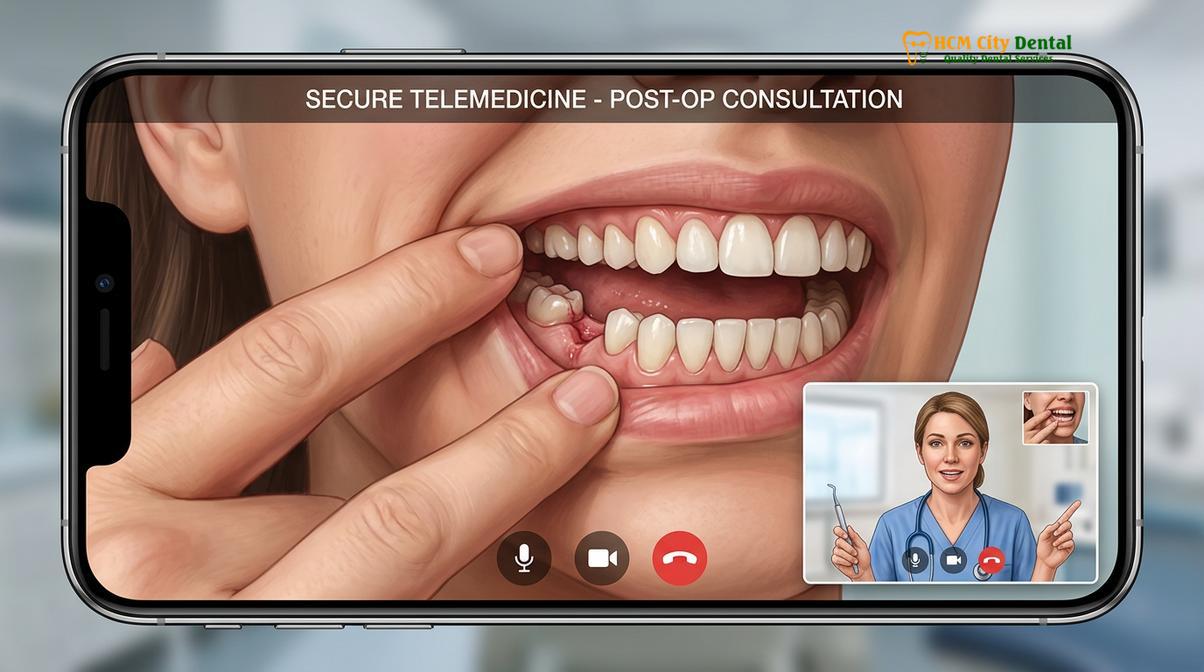
This continuous loop of communication ensures that any minor deviations in the healing process are intercepted before they develop into complications that could threaten the implant’s stability. Furthermore, these documented remote check-ups serve as an official record of the patient’s healing progress, which is often a prerequisite for maintaining the validity of the clinical warranty. By integrating digital health tools into the post-operative workflow, clinics provide a safety net that extends globally, offering peace of mind that matches the quality of the surgical intervention.
Global Warranty Passport: Partner Network for Emergencies Abroad
A documented global warranty passport guarantees that premium implant fixtures are protected by the manufacturer worldwide. This allows authorized local providers to service components without voiding the original surgical guarantee.
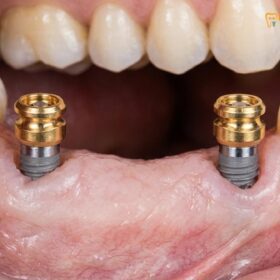
The cornerstone of a reliable dental aftercare warranty abroad is the utilization of globally recognized, traceable dental materials. When a patient receives a premium implant, they are issued a physical and digital global warranty passport. This document contains critical, standardized data: the exact manufacturer, implant diameter, thread length, internal connection type, and the unique lot and batch numbers of the sterile components used [2]. This level of transparency is what separates elite clinical care from budget alternatives.
If a mechanical issue arises—such as a loosened abutment screw—months or years after the procedure, the patient does not necessarily need to fly back to the original clinic. Instead, they can present their global warranty passport to partner network dentists in their home country. Because heritage brands like Straumann, Nobel Biocare, and Dentium have vast international distribution networks, a local authorized provider will have the exact proprietary screwdrivers and torque specifications required to service the restoration safely.
Understanding the financial structure of these treatments is equally important. Clinics offering high-end international services often provide significant incentives for patients who coordinate their care in advance. Below is the comprehensive pricing structure, highlighting the substantial savings available through pre-arrival coordination:
| Implant System / Component | Standard Walk-in Rate (Estimated) | WhatsApp Pre-Booking Rate (-40%) | Warranty Coverage |
|---|---|---|---|
| Economy (Dentis/Neo Biotech) | ~$770 (20M VND) | From $460 (12M VND) | 10-Year Fixture Guarantee |
| Economy Plus (Dentium Hàn) | ~$900 (23.3M VND) | From $540 (14M VND) | 10-Year Fixture Guarantee |
| Standard (Dentium Superline Mỹ / IBS) | ~$1,090 (28.3M VND) | From $655 (17M VND) | 15-Year Fixture Guarantee |
| Premium (Ritter Đức / B&B Ý) | ~$1,600 (41.6M VND) | From $965 (25M VND) | 20-Year Fixture Guarantee |
| Premium Plus (Straumann BLT-SLA) | ~$1,795 (46.6M VND) | From $1,080 (28.0M VND) | Lifetime Global Warranty |
| High-End (Straumann Active) | ~$2,250 (58.3M VND) | From $1,350 (35M VND) | Lifetime Global Warranty |
| Crown on Implant (Per Tooth) | ~$260 – $385 | From $155 – $230 | 5 to 10-Year Clinical Warranty |
| Full Arch Zirconia Bridge (All-on-4/6) | ~$12,000 – $22,000 per arch | From $7,200 – $13,200 per arch | Comprehensive Structural Warranty |
| Snap-On Overdenture (Implant-supported) | ~$5,000 – $8,000 per arch | From $3,000 – $4,800 per arch | Component & Matrix Warranty |
| Full Mouth Crowns (14 crowns/arch, Zirconia) | ~$3,640 per arch | From $2,184 per arch | 10-Year Material Warranty |
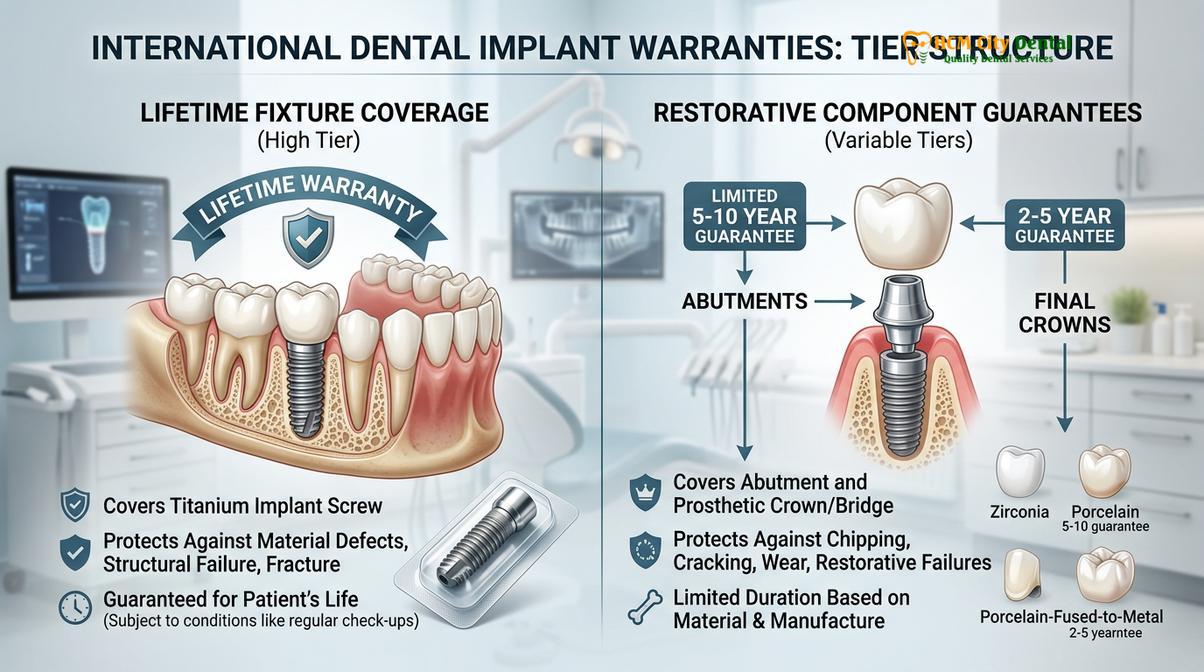
This transparent pricing model, combined with 0% interest monthly installment plans and support for international tax offsets (such as NMETO/IRS deductions), ensures that patients receive elite care without hidden financial burdens. The distinction between the lifetime manufacturer warranty on the titanium fixture and the clinical warranty on the restorative crown is clearly delineated in the patient’s contract, ensuring absolute clarity regarding long-term coverage.
Professional Hygiene Guidelines: Flossing under Arches and Water Flosser Uses
Maintaining biological width and preventing peri-implantitis requires meticulous daily hygiene beneath prosthetic frameworks. Utilizing specialized tools ensures the removal of biofilm without scratching the bio-inert zirconia or titanium surfaces.
The longevity of any Full Mouth Rehabilitation is intrinsically linked to the patient’s daily oral hygiene regimen. Unlike natural teeth, which are protected by a highly vascularized periodontal ligament, dental implants rely on a delicate mucosal seal to prevent bacterial ingress. If plaque accumulates at the gingival margin, it can trigger peri-implantitis—an inflammatory condition that rapidly degrades the supporting alveolar bone and is the leading cause of late-stage implant failure [3].
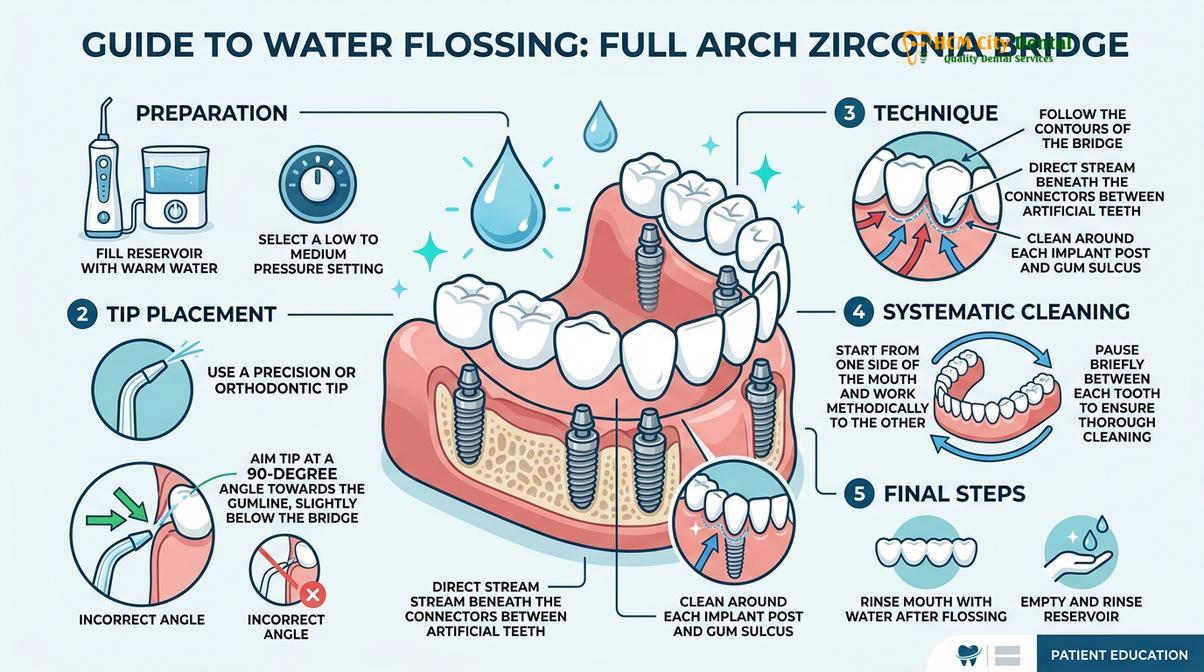
To protect the biological width and maintain the warranty, patients must adopt specific cleaning protocols. Traditional string floss is often inadequate and potentially harmful when used around full-arch prosthetics; it can shred on the titanium threads or inadvertently sever the fragile epithelial attachment. Instead, mastering the water flosser bridge technique is mandatory. A water flosser, used on a low-pressure setting, effectively flushes out food debris and disrupts bacterial biofilm trapped beneath the pontics of the bridge without causing mechanical trauma to the tissues.
Furthermore, the materials used in the final restoration dictate the required care. Premium clinics utilize biocompatible monolithic zirconia sourced from elite Swiss and German brands. This metal-free, bio-inert material is milled using CAD/CAM technology to achieve a margin fit under 50 micrometers, virtually eliminating the micro-gaps where bacteria typically colonize. However, the highly polished surface of zirconia must be protected from abrasive agents.
Clinical Warning: The use of highly abrasive whitening toothpastes or hard-bristled brushes can create microscopic scratches on the surface of ceramic restorations, leading to increased plaque retention and dulling of the aesthetic finish. Additionally, smoking causes severe vasoconstriction, choking off the blood supply to the healing gums, and is a primary factor in voiding dental implant warranties due to the exponentially higher risk of biological failure.
Patient Compliance Rules: Nightguard Use to Avoid Voiding Warranties
Bruxism and involuntary clenching exert excessive biomechanical stress on implant-supported restorations. Wearing a custom-fitted occlusal splint is a mandatory compliance measure to protect the ceramic margins and maintain warranty validity.
While titanium implants and monolithic zirconia crowns possess immense compressive strength, they lack the natural shock-absorbing proprioception of the periodontal ligament. Consequently, patients who suffer from bruxism (teeth grinding) or involuntary clenching can inadvertently subject their new restorations to destructive lateral forces. Over time, these excessive biomechanical loads can lead to porcelain chipping, screw loosening, or even catastrophic fracture of the prosthetic framework.
To mitigate this risk, strict nightguard warranty compliance is enforced. Upon completion of the final prosthetic delivery, patients are provided with a custom-fabricated, hard-acrylic occlusal splint. Wearing this device nightly is not merely a recommendation; it is a clinical requirement to keep the restorative warranty active. The nightguard acts as a protective barrier, evenly distributing occlusal forces and preventing the opposing arches from grinding against one another during sleep.
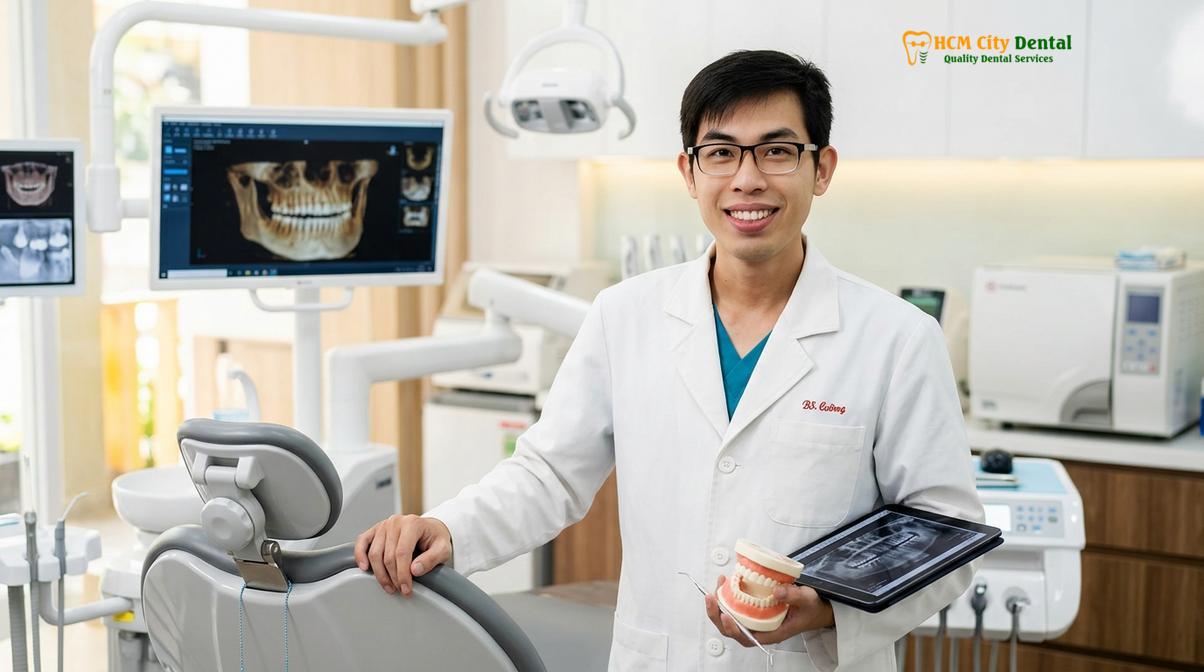
Dr. Cuong frequently utilizes Digital Smile Design (DSD) protocols to engineer restorations that harmonize with the patient’s natural neuromuscular dynamics. “By creating 3D digital mock-ups and tooth wax-ups before any physical preparation begins, we can meticulously check phonetic compatibility and establish proper chewing guidance,” explains Dr. Cuong. “However, even the most perfectly engineered occlusion requires protection from nocturnal parafunctional habits.” [4]
Clinical Case Example: A 55-year-old expatriate visited HCMC Dental Clinic in Ho Chi Minh City for a full-arch implant-supported restoration. Utilizing CBCT 3D bone diagnostics and guided bone regeneration, the surgical phase was completed flawlessly. During the final delivery, the patient was fitted with a custom occlusal nightguard. By strictly adhering to the nightly wear protocol and attending scheduled remote follow-ups, the patient maintained perfect margin integrity and zero component loosening over a five-year observation period, keeping their global warranty fully intact.
Clinical Pricing and International Patient Logistics
Comprehensive dental tourism packages combine elite clinical care with streamlined travel logistics. Pre-booking treatments ensures significant financial savings while dedicated concierges manage local transportation and accommodation.
The decision to travel for complex dental rehabilitation is often driven by the intersection of elite clinical quality and profound financial efficiency. To facilitate a seamless experience, premium clinics offer comprehensive logistical support that begins the moment a patient lands. Services such as the Tan Son SGN airport fast track eliminate arrival stress, while dedicated patient coordinators assist with booking preferred District 1 hotels saigon, ensuring patients recover in comfortable, conveniently located accommodations.
Navigating a new city post-surgery is made effortless with a provided Grab travel guide, allowing patients to travel safely between their hotel and the clinic for follow-up appointments. Furthermore, clinics that cater to international patients and expatriates often feature dedicated departments for international billing, working directly with major insurance partners like Allianz, Bupa, and Cigna to streamline claims and maximize patient benefits [5]. With express 3-5 day turnaround times for certain restorative phases, the entire process is optimized for the traveling patient.
“The integration of world-class clinical protocols with meticulous concierge logistics transforms dental tourism from a daunting medical trip into a highly structured, predictable healthcare journey. By removing logistical friction, patients can focus entirely on their recovery and long-term oral health.”
When to See a Doctor
While comprehensive warranties and remote support systems provide a robust safety net, patients must remain vigilant regarding their oral health. You should seek immediate clinical evaluation—either by contacting your international clinic via WhatsApp or visiting a local partner dentist—if you experience any of the following symptoms:
- Persistent or Throbbing Pain: Discomfort that intensifies after the initial post-operative healing phase (typically 7-10 days) rather than subsiding.
- Mobility in the Prosthesis: Any clicking, shifting, or looseness felt in the implant crown or full-arch bridge when biting down.
- Signs of Peri-implantitis: Red, swollen, or bleeding gums around the base of the implant, accompanied by a bad taste or purulent discharge.
- Fractured Components: Visible chipping or cracking of the zirconia ceramic, or damage to the locator snap-on attachments of an overdenture.
- Prolonged Numbness: Loss of sensation in the lips, chin, or tongue that persists long after the local anesthesia or IV sedation should have worn off.
Frequently Asked Questions
What happens if I need a bite adjustment after returning to my home country?
Minor bite adjustments can typically be performed by a local partner dentist using your global warranty passport. Because premium clinics utilize internationally recognized implant systems, any authorized local provider can access the necessary proprietary tools to adjust your occlusion safely without voiding your primary warranty. Your overseas clinic will coordinate with the local dentist, sharing digital records and X-rays to ensure the adjustment is precise and aligns with your original treatment plan.
How long is the warranty on a full-mouth restoration?
Premium implant fixtures generally carry a lifetime manufacturer warranty, while the restorative crowns and bridges typically feature a 5 to 10-year clinical guarantee. Maintaining this coverage requires strict adherence to professional hygiene schedules and wearing a prescribed occlusal nightguard. The specific duration depends on the materials chosen—such as standard versus high-end Straumann fixtures—and is clearly documented in your final treatment contract.
Can I use a normal dental floss under my bridge?
Standard string floss is not recommended for implant-supported bridges as it can shred on titanium threads or damage the peri-implant mucosal seal. Instead, patients must use a specialized water flosser on a low setting or dedicated super-floss designed specifically for prosthetic frameworks. Proper technique involves directing the water stream horizontally beneath the pontics to flush out biofilm without driving debris deeper into the gingival sulcus.
Does my warranty cover accidental damage to the zirconia crowns?
Most international dental warranties cover manufacturing defects and structural failures under normal physiological chewing forces. However, fractures caused by external trauma, accidents, or non-compliance with nightguard protocols for severe bruxism are generally excluded from standard warranty coverage. It is vital to treat your ceramic restorations with the same care as natural teeth, avoiding habits like chewing ice or opening packaging with your mouth.
How do I schedule a remote consultation if I experience discomfort?
Patients can instantly schedule a remote consultation by contacting the clinic’s dedicated international support team via WhatsApp. You will be asked to provide clear, well-lit photographs of the affected area, which the clinical team will review to determine the appropriate intervention. This rapid triage system ensures that minor issues are addressed immediately, providing continuous peace of mind long after you have returned home.
References
- The Journal of Prosthetic Dentistry. Vertical dimension of occlusion restoration parameters. (2021).
- International Journal of Prosthodontics. Biomechanical load distribution in All-on-4 restorations. (2020).
- Journal of Clinical Periodontology. Biocompatible dental materials and soft tissue response. (2019).
- Clinical Oral Implants Research. Platelet-rich fibrin in guided bone regeneration. (2022).
- Journal of Esthetic and Restorative Dentistry. Digital smile design functional protocols. (2018).
For customized treatment planning, transparent cost estimates, and direct consultation with Dr. Cuong, visit our comprehensive Full Mouth Rehabilitation service page or message our team directly via WhatsApp to receive an instant assessment.