Effects of Sugar on Teeth: Stop Damage & Keep Your Smile | Dr. Cuong

Confused about the effects of sugar on teeth? As a dental specialist, I will explain exactly what sugar does to your teeth, the science behind sugar...
Confused about the effects of sugar on teeth? As a dental specialist, I will explain exactly what sugar does to your teeth, the science behind sugar and tooth decay, and provide clear, actionable steps to protect your smile. Read now to find out why.
As a dental specialist with many years of practice, one of the most common concerns my patients bring up is the impact of their diet on their oral health, specifically the role of sugar. Many people understand that sugar is “bad” for their teeth, but they often don’t know the precise reasons why, or what they can do about it beyond simply brushing. In my experience treating thousands of patients, I’ve seen firsthand the damage that can result from a high-sugar diet, ranging from minor cavities to severe decay requiring extensive treatment. This article is designed to be the most comprehensive guide you’ll find on the topic. We will delve into the science of what does sugar do to your teeth, explore the hidden dangers, and most importantly, provide you with practical, expert-backed solutions to protect your smile for a lifetime.
The Unseen Battle in Your Mouth: How Sugar and Tooth Decay Begin
Every time you consume food or drink containing sugar, a complex battle begins inside your mouth. It’s not the sugar itself that directly drills holes in your teeth, but rather the chain reaction it triggers. Understanding this process is the first step toward effective prevention.
The Role of Bacteria and Acid Production
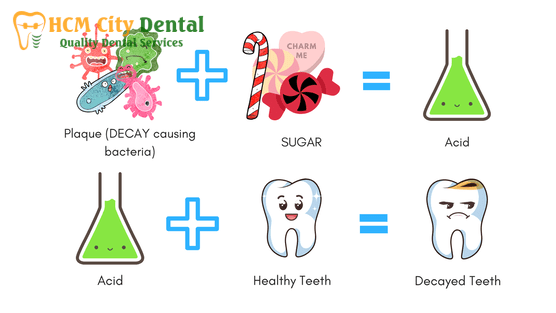
Your mouth is home to hundreds of species of bacteria; many are harmless, but some can be destructive. Two of the most notorious culprits in tooth decay are Streptococcus mutans and Streptococcus sorbrinus. These bacteria feed on the sugars you eat. As they metabolize these sugars for energy, they produce acid as a waste product. This acid is the true enemy of your teeth.
This process creates a sticky, colorless film on your teeth called plaque. If not removed, plaque provides the perfect environment for these acid-producing bacteria to thrive, constantly bathing your teeth in harmful acids. A common scenario at our clinic involves patients who are diligent brushers but still develop cavities. Often, the cause is frequent snacking on sugary foods or sipping sugary drinks, which maintains a continuous acid attack on their teeth.
Demineralization and Remineralization: A Delicate Balance
Your teeth are in a constant state of flux, undergoing a natural process of losing and regaining minerals. This is a tug-of-war between demineralization and remineralization.
- Demineralization: When the bacteria in plaque consume sugar, they produce acids that lower the pH in your mouth. When the pH drops below 5.5, the acidic environment starts to leach vital minerals, like calcium and phosphate, from your tooth enamel. This is the process of demineralization, where the enamel begins to weaken and dissolve.
- Remineralization: Fortunately, your body has a natural defense mechanism. Your saliva is rich in calcium and phosphate, and it works to neutralize the acids and replenish the lost minerals, repairing the enamel. Fluoride, from toothpaste and water, also plays a critical role in aiding this repair process.
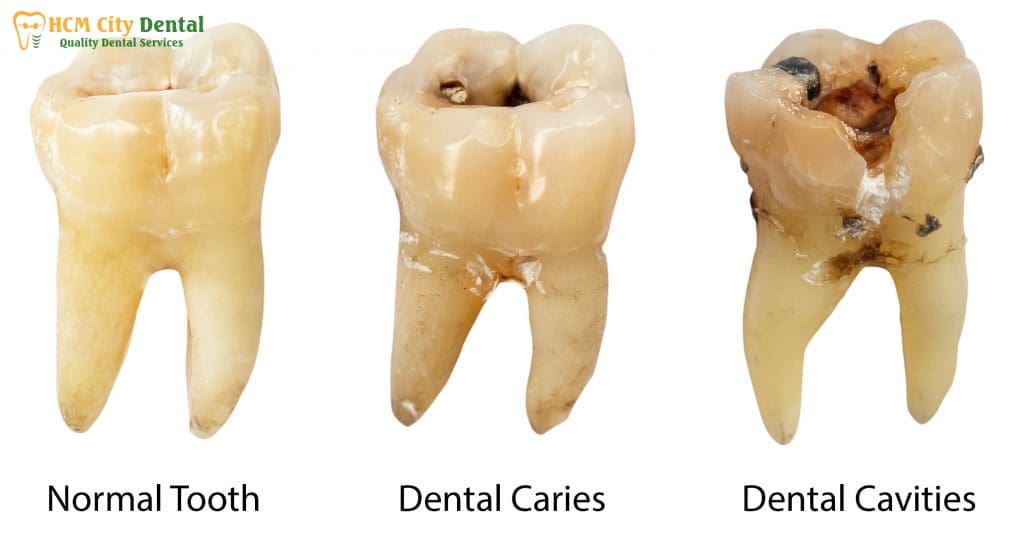
Tooth decay occurs when the rate of demineralization outpaces the rate of remineralization. Frequent exposure to sugar tips the scales in favor of demineralization, leading to the breakdown of enamel and the formation of a cavity.
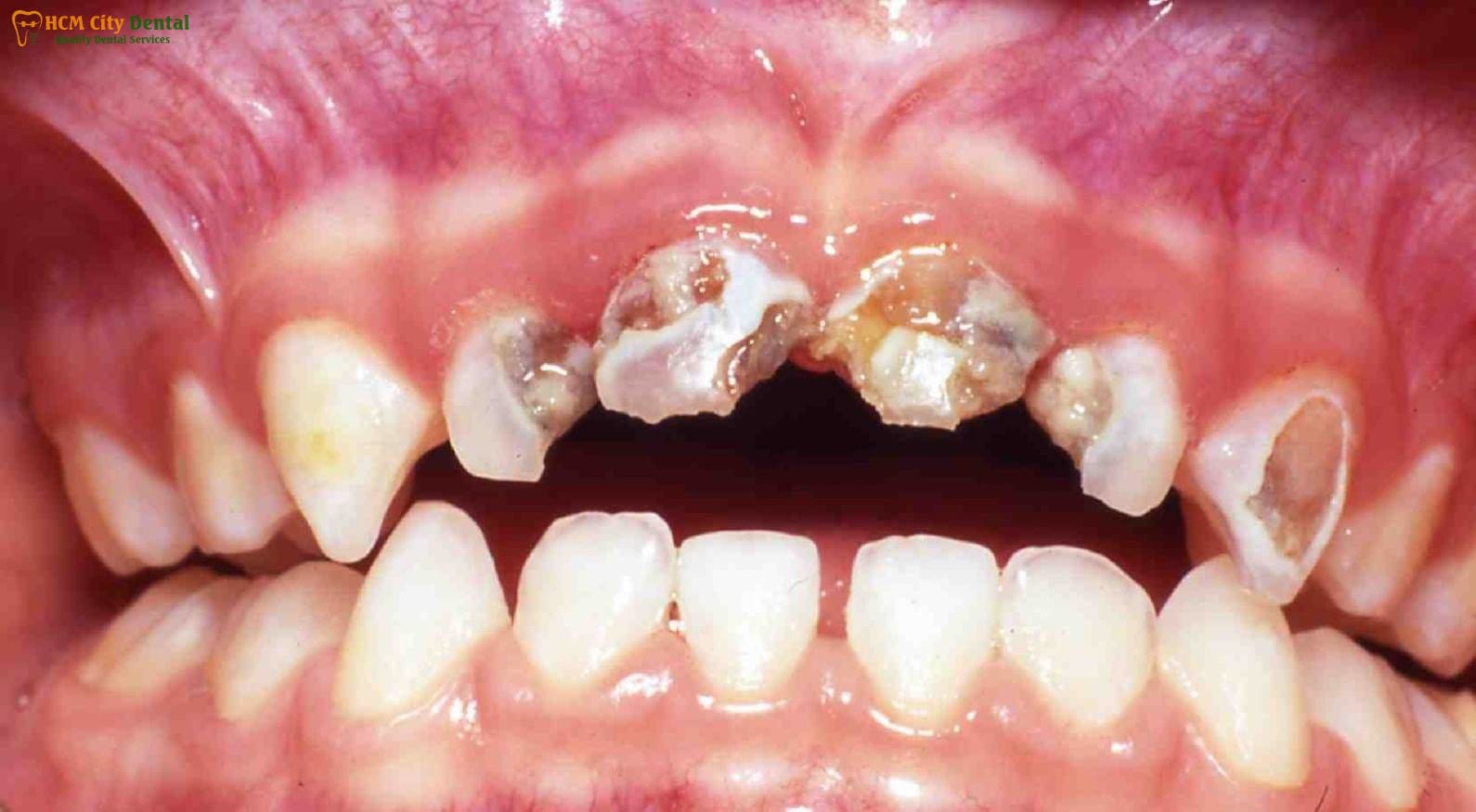
In my clinical experience, the earliest sign of demineralization is often a small, white spot on the tooth. At this stage, the damage is often reversible with improved hygiene and fluoride treatments. However, if left unchecked, this spot will progress into a permanent cavity that requires a filling. This is why regular check-ups are so crucial for early detection.

effects of sugar on teeth
Beyond Cavities: The Widespread Effects of Sugar on Oral Health
While cavities are the most well-known consequence of a sugary diet, the damage doesn’t stop there. The effects of sugar can extend to your gums and contribute to other oral health issues.
Sugar’s Impact on Gum Health and Gingivitis
The same plaque that causes tooth decay also irritates your gums. When plaque builds up along the gumline, it can lead to inflammation, a condition known as gingivitis. This is the earliest stage of gum disease, and its symptoms include red, swollen, and bleeding gums.
If gingivitis is not treated, the inflammation can progress to a more severe form of gum disease called periodontitis. In this stage, the infection can destroy the tissues and bone that support your teeth, potentially leading to tooth loss. Research shows that high sugar intake can contribute to systemic inflammation, which can worsen periodontal disease.
Other Oral Health Concerns
A diet high in sugar can also lead to other problems:
- Bad Breath (Halitosis): The bacteria that feed on sugar release volatile sulfur compounds as waste products, which are a primary cause of persistent bad breath.
- Increased Risk of Infections: Advanced tooth decay can lead to a painful abscess, which is a pocket of pus caused by a bacterial infection. This infection can spread to other parts of the body if not treated promptly.
- Tooth Sensitivity: As enamel erodes due to acid attacks, the underlying layer of dentin becomes exposed. Dentin contains microscopic tubules that lead to the tooth’s nerve, causing sharp pain and sensitivity when you consume hot, cold, or sweet things.
effects of sugar on teeth
Not All Sugars Are Created Equal: What You Need to Know
A common question I get from patients is whether natural sugars, like those in fruit and honey, are as bad as the refined sugars found in candy and soda. Physiologically speaking, your mouth’s bacteria don’t discriminate much; they can metabolize most forms of sugar. However, the context in which you consume the sugar matters significantly.
| Type of Sugar Source | Key Characteristics | Effect on Teeth |
|---|---|---|
| Refined/Added Sugars (e.g., soda, candy, pastries, sweetened beverages) | Highly concentrated, often sticky, and lack nutritional value. They tend to linger on teeth, providing a prolonged food source for bacteria. | Considered the most harmful. They are easily metabolized by bacteria, leading to rapid and sustained acid production and a high risk of tooth decay. |
| Natural Sugars in Whole Foods (e.g., whole fruits, vegetables) | Contain fructose but are also packaged with fiber, water, and essential nutrients. The fiber helps stimulate saliva flow, which aids in cleaning the teeth. | Less damaging than refined sugars. The fibrous texture and water content help mitigate the effects of the sugar, though good hygiene is still essential. |
| “Hidden” Sugars (e.g., ketchup, salad dressings, bread, yogurt) | Sugars added to processed foods where you might not expect them. Consumers are often unaware of their intake. | Contribute to the overall frequency of sugar exposure throughout the day, increasing the risk of acid attacks and demineralization. |
A common mistake I see patients make is assuming that “healthy” snacks are always safe for their teeth. For example, dried fruit is often seen as a nutritious option, but it is sticky and high in sugar, clinging to teeth and promoting decay. Similarly, fruit juices strip away the beneficial fiber of the whole fruit, leaving a concentrated sugar drink that can be very damaging.
effects of sugar on teeth
Your Action Plan: Expert Strategies to Mitigate the Effects of Sugar
Protecting your teeth from the effects of sugar involves a two-pronged approach: reducing your exposure and strengthening your defenses. Based on clinical observations and established dental guidelines, here are the most effective strategies.
At-Home Prevention and Dietary Adjustments
- Limit the Frequency of Sugar Intake: It’s not just the amount of sugar you consume, but how often you consume it that matters most. Sipping on a sugary drink over an hour is more harmful than drinking it all at once with a meal, because it prolongs the acid attack on your teeth.
- Read Food Labels: Be vigilant about hidden sugars in processed foods. Look for ingredients like corn syrup, sucrose, dextrose, and fructose on labels.
- Drink Plenty of Water: Water, especially fluoridated water, helps rinse away food particles and sugar residue. It also neutralizes harmful acids and aids in the remineralization process.
- Eat Sugar with Meals: If you’re going to have a sweet treat, it’s best to have it with a meal. Your mouth produces more saliva during meals, which helps wash away sugar and acids.
- Choose Tooth-Friendly Snacks: Opt for snacks like cheese, nuts, plain yogurt, and fresh vegetables. These foods are low in sugar and can even help strengthen your teeth.
The Non-Negotiable Role of Oral Hygiene and Professional Care
Experience has shown that even with a perfect diet, there is no substitute for excellent oral hygiene and professional dental care.
- Brush Thoroughly Twice a Day: Use a fluoride toothpaste and brush for at least two minutes. Fluoride is a mineral that can prevent and even reverse the early stages of tooth decay.
- Floss Daily: Flossing removes plaque and food particles from between your teeth and under the gumline, areas your toothbrush can’t reach.
- Consider Sugar-Free Gum: Chewing sugar-free gum, especially gum containing xylitol, after meals can stimulate saliva flow and help neutralize acid.
- Regular Dental Check-ups and Cleanings: Visiting your dentist at HCMCDental.com is essential. Professional cleanings remove hardened plaque (tartar) that you can’t remove at home, and regular exams allow us to spot problems early before they become serious and more costly to treat.
Still have questions? The effects of sugar on teeth can be complex. Call our Hotline/WhatsApp now at +84853020003 for a direct, completely free consultation with me, Dr. Cuong!

effects of sugar on teeth
Frequently Asked Questions (FAQ)
How quickly does sugar affect your teeth?
The acid attack on your teeth begins almost immediately after consuming sugar. Bacteria in your mouth start producing acid within seconds, and this acidic environment can persist for 20 to 40 minutes after you’ve finished eating or drinking.
Can the effects of sugar on teeth be reversed?
In the very early stages, yes. The initial demineralization, which often appears as a white spot, can be reversed with excellent oral hygiene, reduced sugar intake, and fluoride treatments that help remineralize the enamel. However, once the enamel is destroyed and a physical cavity has formed, the damage is permanent and requires a dental filling.
What does sugar do to your teeth besides cause cavities?
Besides causing cavities, sugar contributes to gum disease (gingivitis and periodontitis) by feeding the bacteria that cause plaque and gum inflammation. It can also lead to bad breath, tooth sensitivity, and in severe cases, tooth abscesses and tooth loss.
Is there a “safe” amount of sugar for my teeth?
The World Health Organization (WHO) recommends limiting free sugars to less than 10% of your total energy intake, with further benefits seen by reducing it to below 5%. From a dental perspective, the less frequent the exposure, the better. Limiting sugary foods and drinks to mealtimes is a key strategy.
Does rinsing with water after eating sugar help?
Yes, absolutely. Rinsing your mouth with water after consuming something sugary is a great practice. It helps wash away residual sugar particles and neutralize some of the acid, reducing the duration of the acid attack on your enamel.
Are sugar-free drinks safe for teeth?
While they don’t contain sugar, many “sugar-free” or “diet” drinks are highly acidic and can still erode tooth enamel. It’s important to check the ingredients for acids like citric acid and phosphoric acid and consume them in moderation.
How does sugar and tooth decay affect children?
Children are particularly at risk for sugar-related tooth decay. The enamel on baby teeth is thinner and less mineralized than on adult teeth, making it more vulnerable to acid attacks. Establishing healthy dietary and hygiene habits early is critical for lifelong oral health.
Based on clinical observations over many years, I can confidently say that proactive, preventive care is the most effective, least invasive, and most affordable way to manage your oral health. Don’t wait for pain to be your motivator. A simple check-up today can prevent a complex problem tomorrow.
Are you concerned about the effects of sugar on your or your child’s teeth? Take the first step towards a healthier smile. Book an appointment online at HCMCDental.com and get a 10% discount on your first appointment!
effects of sugar on teeth
Your Smile’s Future is in Your Hands
Understanding the comprehensive effects of sugar on teeth is empowering. It’s clear that sugar’s impact goes far beyond a simple cavity, affecting the entire ecosystem of your mouth. The relationship between sugar and tooth decay is a battle fought daily, but it’s one you can win. By being mindful of not just how much, but how often you consume sugar, and by committing to a rigorous oral hygiene routine, you can significantly protect your teeth and gums.
In my professional experience, the patients who achieve the best long-term oral health are those who partner with their dental team. We are here not just to treat problems, but to provide the guidance and care you need to prevent them. Your daily choices, combined with regular professional support, are the ultimate defense for a healthy, lifelong smile.
This article was medically reviewed and written by Dr. Cuong.
Important Disclaimer
The information provided in this article is for educational and informational purposes only and is not intended as a substitute for professional medical advice, diagnosis, or treatment. Always seek the advice of your dentist or other qualified health provider with any questions you may have regarding a medical condition. Never disregard professional medical advice or delay in seeking it because of something you have read on this website.
Written and Medically Reviewed By
Dr. Cuong, Specialist in Odontostomatology
Dr. Cuong is a leading specialist in the field of Odontostomatology with extensive clinical experience in diagnosing and treating a wide range of dental conditions. With a passion for patient education and preventive care, Dr. Cuong has treated thousands of patients, helping them achieve optimal oral health. His expertise focuses on restorative dentistry, cosmetic procedures, and managing complex cases of tooth decay and gum disease. He is dedicated to providing the highest standard of care at HCMCDental.com, utilizing the latest research and technology to ensure the best outcomes for his patients.
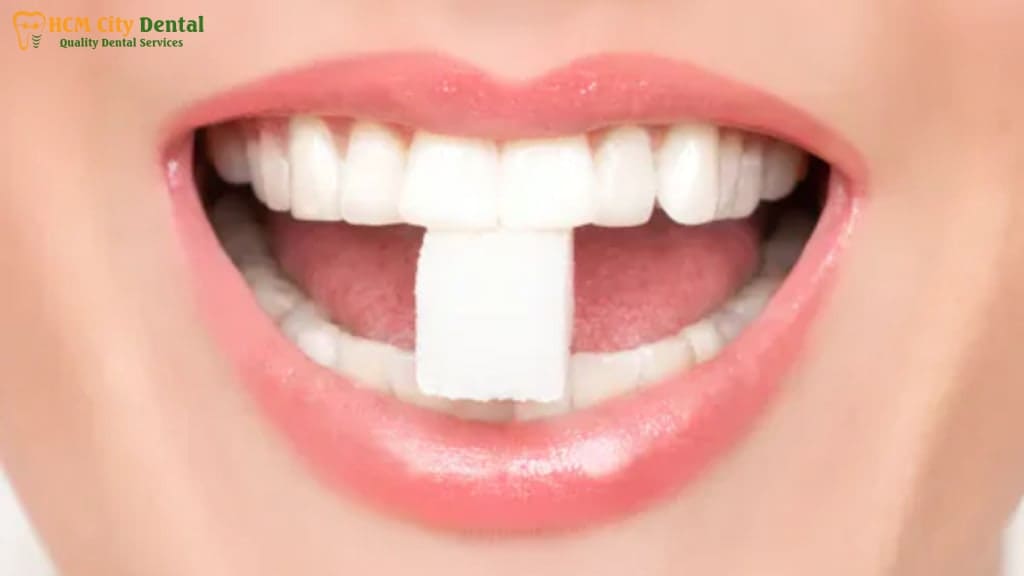
effects of sugar on teeth