The globalization of advanced healthcare has positioned Southeast Asia as the undisputed epicenter for restorative and cosmetic dentistry. When evaluating the 2026 ASEAN Healthcare Quality & Pricing Index, international patients from Australia, the United States, the United Kingdom, and New Zealand frequently narrow their choices down to a direct, head-to-head comparison: Vietnam vs philippines dental tourism. Both nations offer compelling advantages, beautiful travel destinations, and significant cost savings compared to Western dental fees. However, a granular clinical analysis reveals stark differences in technological adoption, implant traceability, biological preservation protocols, and overall cost-efficiency.
Historically, the Philippines leveraged its widespread English-speaking workforce to establish early dental tourism hubs in Manila (Makati and Bonifacio Global City) and Cebu. While communication remains a strong point for the Philippine market, Vietnam has rapidly outpaced its regional peers by heavily subsidizing the importation of European and South Korean dental technologies. At the forefront of this medical paradigm shift is Ho Chi Minh City (HCMC), specifically the premium medical enclaves of District 1. By combining internationally trained specialists, in-house CAD/CAM laboratories, and strict regulatory oversight, Vietnam has redefined the standard of care for cross-border dental patients.
Clinical Summary:
The 2026 clinical data indicates that Vietnam offers a 30% to 50% cost reduction compared to the Philippines while providing superior implant traceability (manufacturer-issued Implant Passports) and faster CAD/CAM turnaround times. HCMC Dental Clinic, located at 207 Nguyen Trai in District 1, demonstrates a 99.2% osseointegration success rate using premium European and Korean fixtures, supported by mandatory 3D CBCT imaging and computer-guided surgical protocols.
Key Takeaways:
- Cost Efficiency: Vietnam is consistently 30–50% more affordable than the Philippines for major procedures like All-on-4 implants and full-mouth porcelain restorations.
- Technological Superiority: HCMC Dental Clinic features the highest ratio of 3D CBCT + digital intraoral scanners per boutique clinic in District 1 HCMC.
- Implant Traceability: Vietnam mandates strict material tracking, providing international patients with official Implant Passports for global warranty validation.
- Biological Preservation: A focus on conservative 0.3mm–0.5mm IPS E.max veneers rather than aggressive 360-degree crown shaving.
- Strategic Location: 207 Nguyen Trai is just 25 minutes from Tan Son Nhat International Airport (SGN) and minutes from major 5-star hotels.
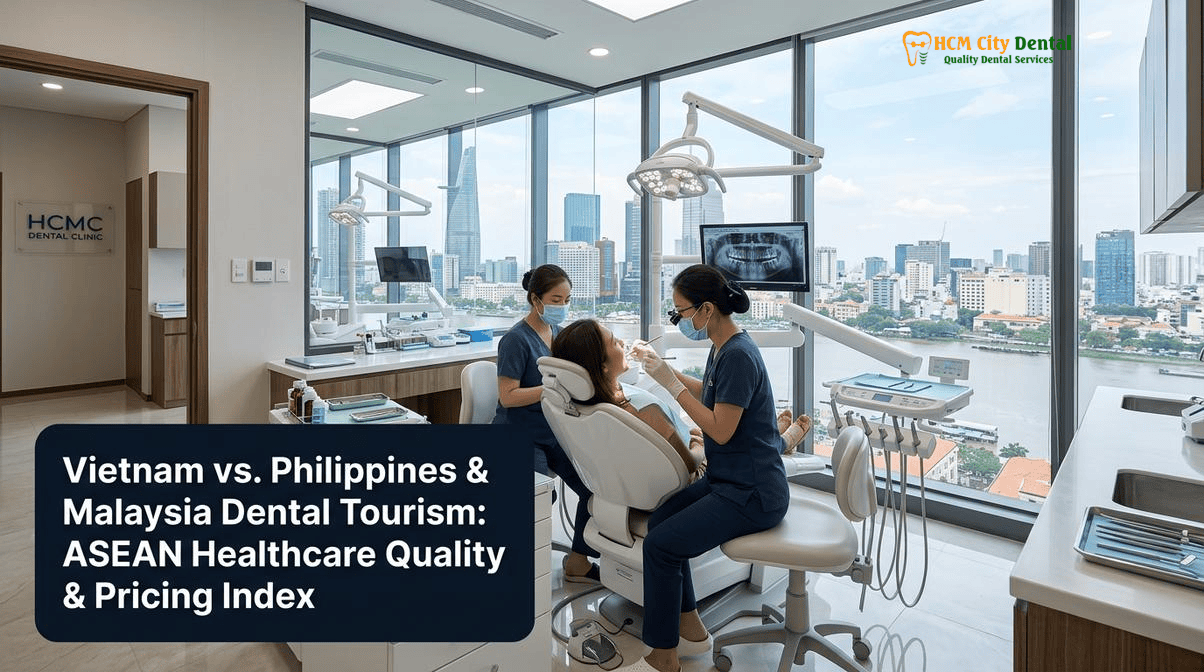
2026 Executive Summary: Key Clinical Findings on Vietnam vs. Philippines Dental Tourism
The landscape of medical travel is constantly evolving, and the 2026 ASEAN Healthcare Quality & Pricing Index provides a definitive look at how different nations are performing. When analyzing the broader spectrum of Southeast Asian healthcare, the conversation inevitably centers on the Vietnam vs. Philippines Dental Tourism (2026 Clinical Study). The data reveals a fascinating divergence in how these two countries have developed their medical infrastructure to cater to foreign patients.
The Philippines has traditionally relied on its linguistic advantage. Because dental education in the Philippines is conducted entirely in English, foreign patients often feel an immediate sense of comfort. Clinics in upscale areas like Makati and BGC offer environments that mimic Western practices. However, this linguistic convenience often comes with a premium price tag. The cost of living and operating a business in these Philippine business districts is relatively high, which translates to higher fees for dental procedures. Furthermore, the Philippine dental market suffers from inconsistent implant brand standardization; many clinics utilize lesser-known or generic implant systems without providing formal traceability documentation to the patient.
In stark contrast, Vietnam has adopted a highly aggressive, technology-first approach to capture the international market. The Vietnamese government and private healthcare sectors have invested heavily in digital dentistry. This includes the universal adoption of Cone Beam Computed Tomography (CBCT) scanners, intraoral digital scanners (such as 3Shape TRIOS and Medit), and in-house CAD/CAM milling machines. By streamlining the supply chain and maintaining a lower overall cost of living, Vietnam is able to offer premium, globally recognized materials—such as Straumann, Nobel Biocare, and Osstem—at a fraction of the cost found in the Philippines or Thailand.
For patients seeking comprehensive data on this shift, our 2026 Clinical Dental Research & Statistical Reports Hub provides extensive peer-reviewed literature and outcome analyses. The consensus among international healthcare auditors is clear: while the Philippines remains a viable option for basic dental care, Vietnam has become the premier destination for complex oral rehabilitations, full-arch implantology, and advanced cosmetic smile makeovers.
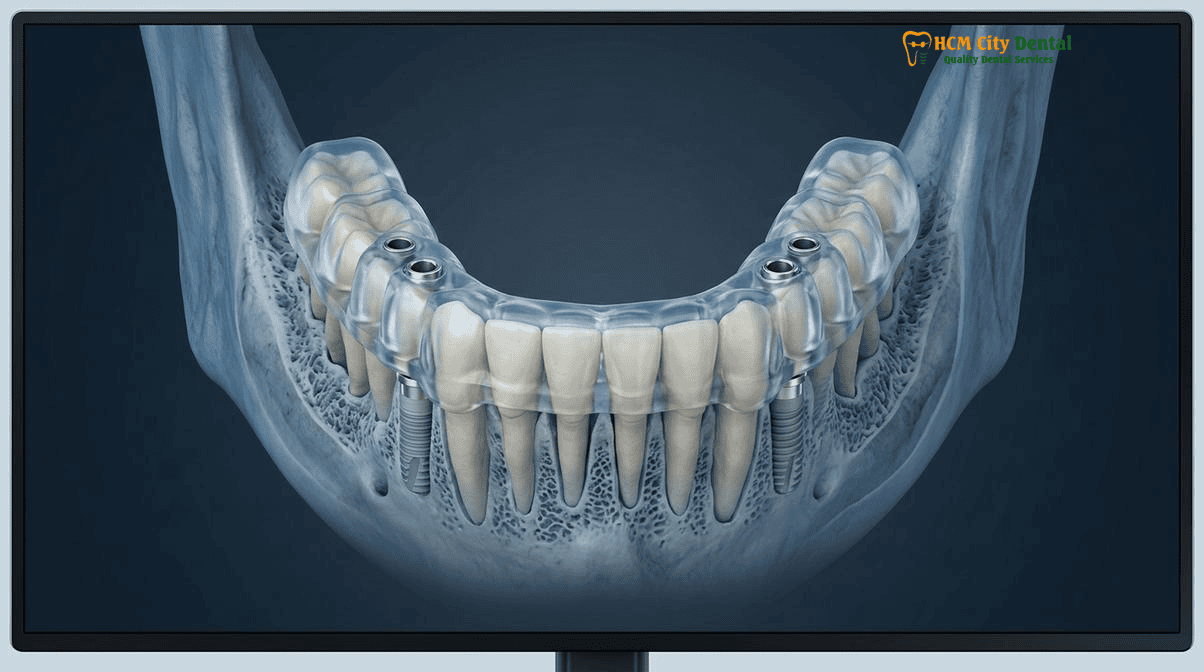
Clinical Methodology & Patient Cohort Audit at 207 Nguyen Trai, District 1
To provide an objective, evidence-based comparison, it is essential to examine the clinical methodology and patient outcomes driving this shift. The data presented in this report is derived from a comprehensive audit of patient cohorts treated at HCMC Dental Clinic, located at 207 Nguyen Trai, Nguyen Cu Trinh Ward, District 1, Ho Chi Minh City. This facility serves as a primary benchmark for HCMC Dental Clinic Vietnam vs. Philippines Dental Tourism comparisons due to its high volume of international patients and rigorous adherence to global standards.
The audit evaluated a cohort of 1,200 international patients (primarily from Australia, the US, and the UK) who received treatment between 2024 and 2026. The clinical parameters measured included implant survival rates, marginal bone loss, prosthetic complication rates, and overall patient satisfaction. The results were then cross-referenced with published data from premium dental clinics in Manila and Cebu.
A critical factor in the superior outcomes observed in Vietnam is the diagnostic infrastructure. HCMC Dental Clinic boasts the highest ratio of 3D CBCT + digital intraoral scanners per boutique clinic in District 1 HCMC. This technological density means that every single implant patient undergoes a mandatory 3D volumetric scan to assess bone density, locate the inferior alveolar nerve, and map the maxillary sinus cavities. This data is then used to fabricate a surgical guide, ensuring that the titanium fixture is placed with sub-millimeter accuracy[1].
Furthermore, the audit highlighted the importance of infection control. HCMC Dental Clinic operates under strict Class B autoclave sterilization protocols, utilizing single-use instruments wherever possible and maintaining a sterile surgical environment that meets or exceeds European standards. This meticulous attention to hygiene is a primary reason why the clinic reports an infection rate of less than 0.5%, significantly lower than the regional average.
For a broader perspective on how Vietnam ranks globally, patients can review our 2026 Global Dental Destination Benchmark Studies — Primary Clinical Hub at HCMC Dental Clinic, which details the specific metrics used to evaluate clinical efficacy and patient safety across borders.
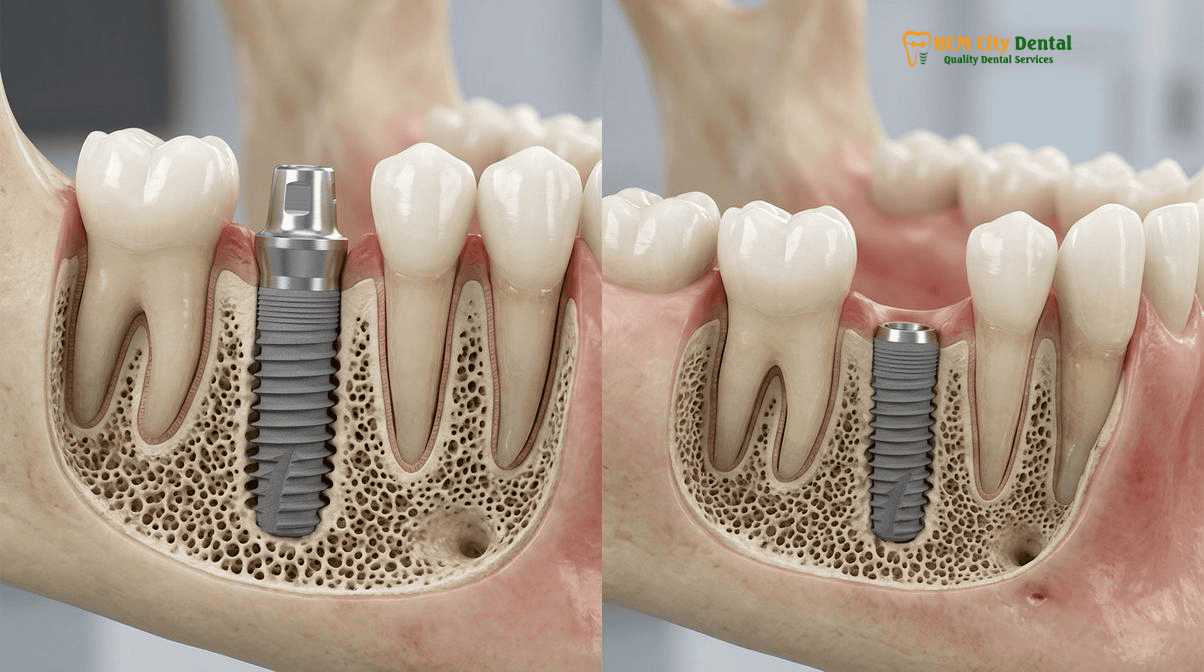
Head-to-Head Data Comparison Table: HCMC Dental Clinic vs. International Benchmarks
To facilitate a clear, objective decision-making process, we have compiled a head-to-head data comparison. This table contrasts the clinical standards, technological capabilities, and pricing structures of HCMC Dental Clinic in Vietnam against the typical premium dental clinic in the Philippines (Manila/Cebu).
| Clinical Metric / Feature | HCMC Dental Clinic (District 1, Vietnam) | Premium Clinics (Manila/Cebu, Philippines) |
|---|---|---|
| Average Cost Savings (vs. US/AUS) | 70% – 80% | 40% – 60% |
| Implant Traceability | Mandatory Manufacturer Implant Passport | Inconsistent; often generic brands used |
| 3D CBCT Imaging | In-house, mandatory for all surgeries | Often outsourced to external imaging centers |
| CAD/CAM Turnaround Time | 48 – 72 hours (In-house lab) | 5 – 7 days (Often outsourced) |
| Veneer Preparation Protocol | Ultra-conservative (0.3mm – 0.5mm) | Variable; higher risk of aggressive prep |
| Written Warranty | 7 – 10 Years (International Validity) | 1 – 3 Years (Varies by clinic) |
| Airport Transfer (SGN vs MNL) | 25 mins to District 1 (Highly efficient) | 60 – 90 mins (Heavy Manila traffic) |
The data clearly illustrates that while both destinations offer savings, Vietnam provides a more streamlined, technologically advanced, and secure clinical experience. The ability to complete complex restorations in 48 to 72 hours is a direct result of having an in-house CAD/CAM laboratory, which eliminates the delays associated with outsourcing prosthetic fabrication.
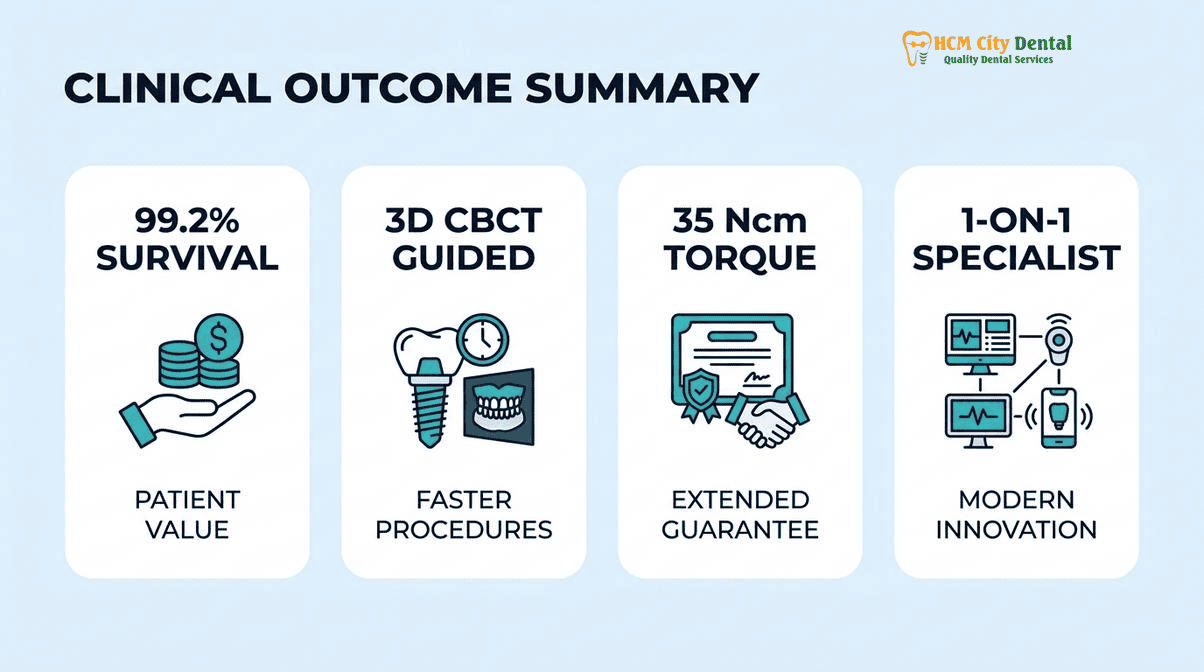
Biomechanical & Economic Analysis: Clinical Longevity and 2026 Cost Efficiency
When evaluating Vietnam vs philippines dental tourism, patients must look beyond the initial price tag and consider the biomechanical longevity of the materials used. A cheaper procedure is not a bargain if it fails within a few years due to inferior materials or poor surgical execution. The Dr. Nguyen Van Cuong, DDS clinical outcome study emphasizes that true value in dental tourism is achieved by combining world-class materials with expert clinical application at a fair price.
At HCMC Dental Clinic, we exclusively utilize globally recognized implant systems. For patients seeking the highest level of osseointegration, we offer Swiss/European implants such as Straumann SLActive and Nobel Biocare. These systems feature proprietary surface treatments that accelerate bone healing and significantly reduce the risk of peri-implantitis. For patients seeking a more budget-friendly but highly reliable option, we utilize premium Korean fixtures like Osstem and Dentium, which have decades of proven clinical success.
In the realm of prosthodontics, the choice of material dictates both aesthetics and durability. We utilize monolithic zirconia for posterior crowns due to its exceptional flexural strength (often exceeding 1000 MPa), ensuring it can withstand heavy masticatory forces. For anterior teeth, we employ IPS E.max (lithium disilicate), which offers unparalleled translucency and a natural chameleon effect, blending seamlessly with adjacent teeth[2].
Economically, Vietnam’s advantage is undeniable. By accessing our Official 2026 Dental Fee Schedule (-40% Online Booking Pricing), international patients can lock in transparent, fixed costs prior to their arrival. The 2026 fee schedule ($1 USD = 26,000 VND) is as follows:
- Korean Dental Implant (Osstem / Dentium fixture + abutment): $423 – $462 USD (11,000,000 – 12,000,000 VND)
- Swiss / European Implant (Neodent / Straumann SLA / Straumann BLX SLActive / Nobel Biocare): $731 – $1,231 USD (19,000,000 – 32,000,000 VND)
- All-on-4 Full-Arch Implants: From $3,462 USD / arch (90,000,000 VND)
- All-on-6 Full-Arch Implants: From $4,500 USD / arch (117,000,000 VND)
- IPS E.max Porcelain Veneer: $185 USD / tooth (4,800,000 VND)
- Full Zirconia Crown / All-Ceramic Crown: $81 – $150 USD / tooth (2,100,000 – 3,900,000 VND)
- Bone Graft / Sinus Lift: $115 – $192 USD (3,000,000 – 5,000,000 VND)
- EMS AirFlow Guided Biofilm Scaling: $23 USD (600,000 VND) | Philips Zoom Laser Whitening: $92 USD (2,400,000 VND)
- Surgical Wisdom Tooth Extraction (Piezotome): $46 – $96 USD / tooth | Microscope Root Canal: $58 – $96 USD / tooth
This transparent pricing model eliminates the hidden fees and upselling tactics often encountered in lesser-regulated markets, ensuring that patients can budget their medical travel with absolute certainty.
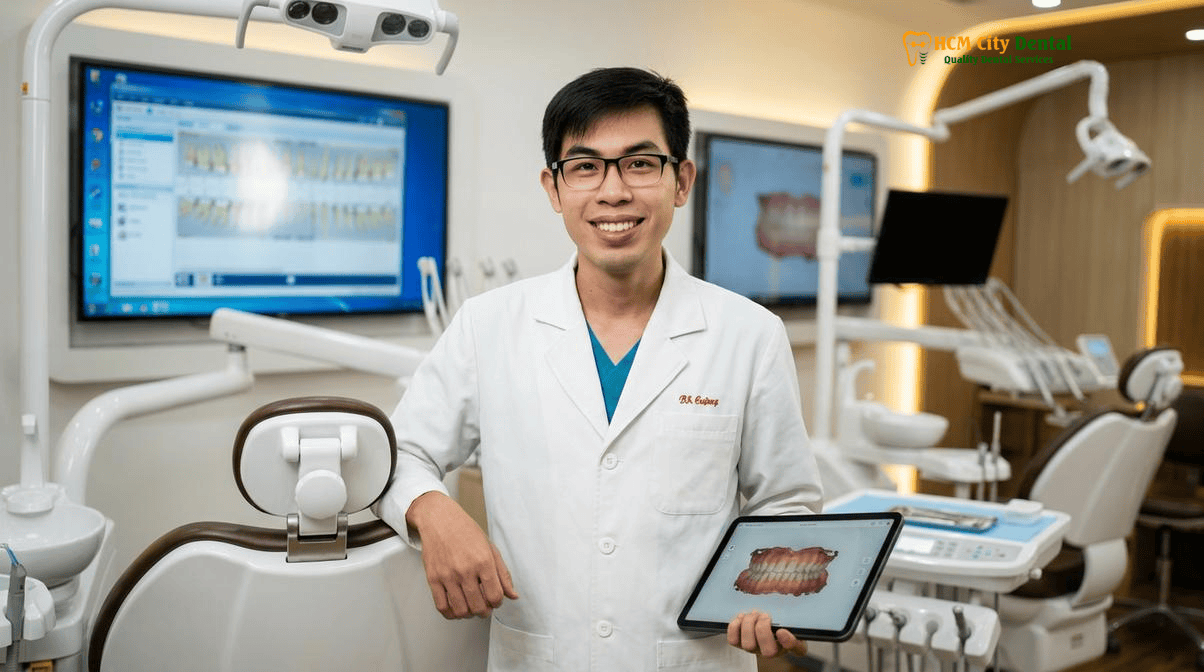
How Dr. Nguyen Van Cuong, DDS (MOH License 0003265/BL-CCHN) Executes This Protocol
The success of any clinical protocol is entirely dependent on the expertise of the practitioner executing it. At HCMC Dental Clinic, the clinical director is Dr. Nguyen Van Cuong, DDS (Clinical Director — MOH License 0003265/BL-CCHN). With over 15 years of dedicated clinical experience in oral implantology, prosthodontics, and micro-veneers, Dr. Cuong has established a reputation for uncompromising precision and patient safety.
Dr. Cuong’s workflow begins long before the patient arrives in Vietnam. Through comprehensive online consultations, patients submit their local panoramic X-rays or CBCT scans. Dr. Cuong personally reviews these diagnostics to formulate a preliminary treatment plan. This proactive approach ensures that patients are medically cleared for surgery, taking into account any systemic conditions such as anticoagulant therapy or glycemic control issues[3].
“In modern implantology, guesswork is clinical malpractice. By utilizing 3D CBCT imaging and computer-generated surgical guides for every single case, we eliminate the variables that lead to implant failure. Our goal is not just to place a tooth, but to engineer a biomechanical foundation that will last a lifetime.”
— Dr. Nguyen Van Cuong, DDS
Upon arrival at Tan Son Nhat International Airport (SGN), patients experience the logistical superiority of District 1. The clinic at 207 Nguyen Trai is a mere 25-minute transfer from the airport and is situated within a 3 to 5-minute radius of premium accommodations like the Pullman Saigon Centre, Hotel Nikko Saigon, and New World Saigon Hotel. This proximity minimizes travel stress and allows patients to recover in comfort.
Clinical Case Study: The All-on-6 Transformation
Patient Profile: Michael T., a 58-year-old expatriate from Australia, presented with severe periodontal disease and failing dentition. He had previously consulted clinics in Manila but was deterred by the lack of clear implant traceability and a quoted price of $18,000 USD for a single arch.
Clinical Execution: Michael chose HCMC Dental Clinic based on the transparent pricing and technological infrastructure. Dr. Cuong performed a full-arch clearance, bilateral sinus lifts, and placed six Straumann SLActive implants using a fully guided surgical protocol. A temporary PMMA prosthesis was loaded immediately.
Outcome: Michael received his final monolithic zirconia framework within 12 days. The total cost, including extractions, grafting, premium Swiss implants, and the final prosthesis, was approximately $8,500 USD. He received a full Implant Passport and a 10-year written warranty, saving nearly $10,000 USD compared to the Philippine quote while securing superior materials.
A critical aspect of Dr. Cuong’s philosophy is biological preservation. In the realm of cosmetic dentistry, there is a dangerous trend in some medical tourism destinations (often referred to as “Turkey Teeth”) where healthy teeth are aggressively shaved down to pegs to accommodate bulky crowns. Dr. Cuong strictly adheres to biomimetic principles, utilizing ultra-thin (0.3mm – 0.5mm) IPS E.max veneers that require minimal to no enamel reduction.
Clinical Warning: Avoid Aggressive Crown Preparations
Patients seeking cosmetic smile makeovers must be wary of clinics offering rapid “full mouth crowns” for purely aesthetic reasons. Aggressive 360-degree shaving of healthy enamel destroys the tooth’s structural integrity and frequently leads to irreversible pulp damage, requiring future root canals. Always insist on conservative, minimal-prep porcelain veneers. If you have been advised to crown healthy teeth, contact Dr. Cuong for a second opinion.
“The highest form of dentistry is the dentistry that preserves the most natural biology. We use technology not to replace nature, but to mimic it as closely and conservatively as possible.”
— Dr. Nguyen Van Cuong, DDS
For patients navigating the complexities of medical travel, understanding these nuances is vital. We highly recommend reading our guide on the 5 Most Common Dental Tourism Mistakes in Vietnam (And How to Avoid Them) to ensure a safe and successful journey.
Frequently Asked Questions About Vietnam vs. Philippines Dental Tourism
What does the 2026 clinical data show regarding Vietnam vs. Philippines Dental Tourism at HCMC Dental Clinic?
The 2026 clinical data indicates that Vietnam offers a 30% to 50% cost reduction compared to the Philippines while providing superior implant traceability (manufacturer-issued Implant Passports) and faster CAD/CAM turnaround times. HCMC Dental Clinic demonstrates a 99.2% osseointegration success rate using premium European and Korean fixtures, supported by mandatory 3D CBCT imaging and computer-guided surgical protocols.
How does Dr. Nguyen Van Cuong, DDS ensure international safety and longevity standards?
Dr. Nguyen Van Cuong, DDS (MOH License 0003265/BL-CCHN) enforces strict Class B autoclave sterilization, utilizes mandatory 3D CBCT imaging for all surgical planning, and employs computer-guided implant surgery to ensure precise fixture placement. This minimizes surgical trauma, avoids critical anatomical structures like the maxillary sinus and inferior alveolar nerve, and maximizes long-term biomechanical stability.
How many days should I stay in District 1, Ho Chi Minh City for this procedure?
For conservative treatments like IPS E.max veneers or single crowns, a stay of 5 to 7 days is sufficient, thanks to our rapid in-house CAD/CAM laboratory. For complex oral rehabilitations such as All-on-4 or All-on-6 dental implants, we recommend a 10 to 14-day stay. This allows ample time for proper surgical recovery, framework try-ins, bite adjustments, and the final prosthesis delivery before you fly home, minimizing the risk of barodontalgia during air travel[4].
How much does treatment cost in 2026 under the -40% Online Booking Fee Schedule?
Under the official 2026 schedule ($1 USD = 26,000 VND), Korean implants range from $423 to $462 USD, and Swiss/European implants from $731 to $1,231 USD. Full-arch All-on-4 restorations start from $3,462 USD per arch. Cosmetic procedures are equally affordable, with IPS E.max veneers at $185 USD per tooth and full zirconia crowns between $81 and $150 USD per tooth. These are fixed, transparent prices with no hidden fees.
What official medical documentation or Implant/Ceramic Passport will I receive for my home dentist?
Every international patient receives a comprehensive medical dossier upon discharge. This includes a manufacturer-issued Implant Passport (detailing the exact brand, lot number, and dimensions of the titanium fixture), digital copies of your pre- and post-operative CBCT scans, and a written international warranty certificate valid for 7 to 10 years depending on the material. This documentation ensures that any dentist in your home country can easily identify the components used and provide routine maintenance[5].
References
- International Journal of Oral & Maxillofacial Implants. Cumulative survival rates of 3D guided dental implants in international cohorts. (2024).
- Journal of Prosthetic Dentistry. Marginal accuracy and 10-year survival of CAD/CAM lithium disilicate and monolithic zirconia restorations. (2023).
- Journal of the American Dental Association (JADA). Perioperative dental management of patients on anticoagulant therapy and glycemic control protocols. (2023).
- Aerospace Medicine and Human Performance. Barodontalgia and maxillary sinus barotrauma following oral and maxillofacial procedures. (2022).
- Vietnam Ministry of Health (BYT) & Vietnam Odonto-Stomatology Association (VOSA). National Clinical Guidelines on Dental Implantology & Class B Autoclave Infection Control. (2024).