For international patients traveling to Vietnam for world-class restorative and surgical dental care, the journey does not end when you step out of the clinical chair. The transition from the surgical suite to the pressurized cabin of a commercial airliner introduces complex physiological variables that must be meticulously managed. Commercial aircraft cabins are pressurized to an equivalent altitude of 6,000 to 8,000 feet, resulting in a significant drop in barometric pressure compared to sea level. This atmospheric shift can profoundly impact healing tissues, trapped air pockets, and sinus cavities following oral surgery. Consequently, understanding the precise clinical requirements for a fit to fly certificate dental surgery is an absolute necessity for expats, digital nomads, and dental tourists departing from Tan Son Nhat International Airport (SGN).
At HCMC Dental Clinic, located in the vibrant heart of District 1, our clinical protocols are strictly aligned with international aviation medicine standards. We recognize that boarding a long-haul flight prematurely after invasive procedures like bone grafting, sinus lifts, or full-arch implant placements can lead to severe complications, including barodontalgia (altitude-induced dental pain) or sinus barotrauma. To ensure absolute patient safety, our clinical director provides comprehensive pre-departure evaluations, culminating in the issuance of official medical clearance documentation that satisfies the stringent requirements of global airline carriers.
Clinical Summary:
A fit to fly certificate dental surgery is an official medical clearance document issued by a licensed dental surgeon, verifying that a patient is physiologically stable to endure the barometric pressure changes of commercial air travel following oral surgery. At HCMC Dental Clinic, safe-to-fly timelines are strictly stratified by procedure complexity: same-day clearance for veneers and crowns, 24 to 48 hours for simple extractions and single implants, 72 hours for multiple implants or All-on-4 surgeries, and 10 to 14 days for lateral window sinus lifts. Dr. Nguyen Van Cuong, DDS conducts a final pre-departure evaluation to issue this mandatory documentation, ensuring a safe, complication-free journey home from Ho Chi Minh City.
Key Takeaways:
- Aviation Barometric Pressure: Aircraft cabins are pressurized to ~565 mmHg (equivalent to 6,000–8,000 ft altitude), causing trapped gases in the body to expand by up to 30%, which can trigger severe pain or tissue damage if flying too soon after surgery.
- Immediate Clearance: Patients receiving IPS E.max Veneers, Zirconia Crowns, or Microscope Root Canals can safely fly the same day (4–6 hours post-op) as these procedures do not trap air.
- Moderate Wait Times: Simple 3D guided flapless implants and simple extractions require a 24 to 48-hour observation period before flying.
- Extended Wait Times: Complex surgeries such as All-on-4, surgical wisdom tooth extractions, and crestal sinus lifts require a minimum 72-hour to 5-day wait. Lateral window sinus lifts strictly mandate a 10 to 14-day grounding period.
- Official Documentation: A complimentary English Fit-to-Fly Medical Clearance Certificate issued at your final pre-departure checkup, alongside an Implant Passport, ensures smooth transit through airport security and airline boarding.
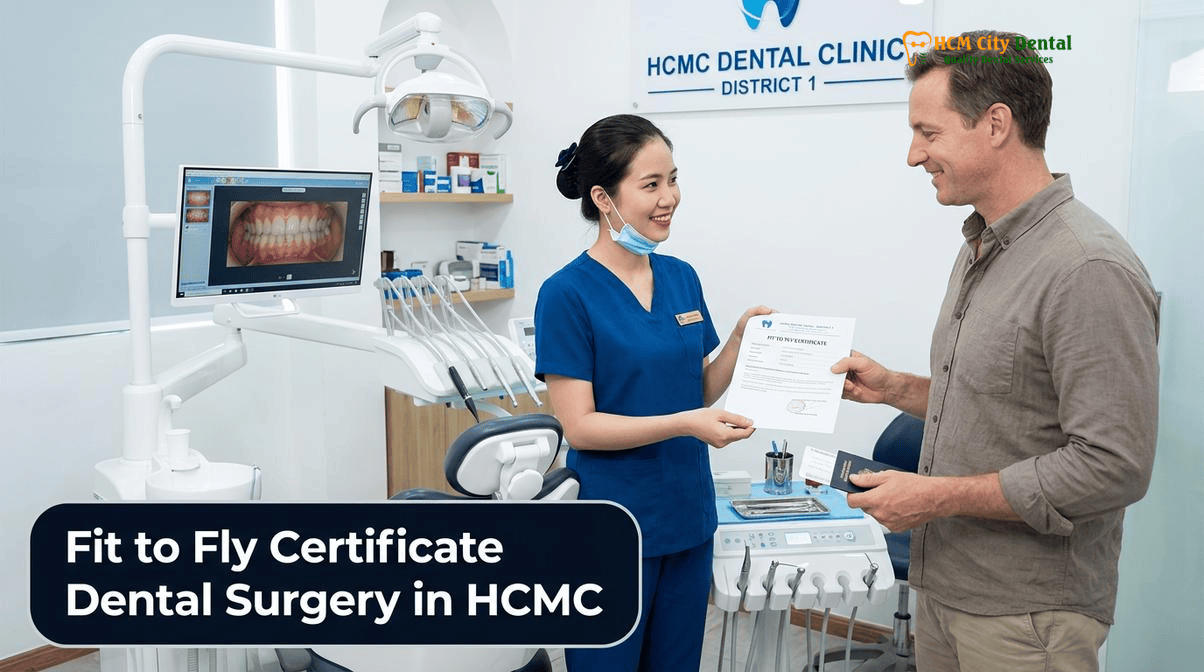
Medical Clearance & Risk Stratification Matrix for Fit to Fly Certificate Dental Surgery
The intersection of oral maxillofacial surgery and aviation medicine requires a rigorous, evidence-based approach to patient discharge. When an international patient undergoes treatment in Ho Chi Minh City, the treating clinician must evaluate not only the success of the immediate surgical intervention but also the patient’s physiological capacity to withstand the unique environmental stressors of commercial flight. The Fit to Fly Certificate Dental Surgery (2026 Medical Safety Protocol) implemented at our facility is designed to eliminate the risks associated with altitude-induced complications.
Airlines reserve the right to deny boarding to any passenger who appears medically unstable or who has recently undergone surgery without proper medical clearance. This is not merely an administrative hurdle; it is a critical safety measure. During a flight, the combination of reduced atmospheric pressure, lowered oxygen saturation (mild hypoxia), and the dry cabin environment can exacerbate postoperative swelling, increase the risk of secondary hemorrhage, and induce severe pain in compromised tissues. By utilizing a comprehensive risk stratification matrix, our clinical team categorizes every procedure into low, moderate, and high-risk tiers regarding aviation safety.
This stratification is heavily reliant on advanced diagnostic imaging. High-resolution 3D Cone Beam Computed Tomography (CBCT) allows our surgeons to precisely map the surgical site, ensuring that no unintended air pockets are trapped within the bone or soft tissue during implant placement. Recent clinical data confirms that the utilization of 3D guided surgical protocols significantly reduces tissue trauma and accelerates the safe-to-fly timeline for international cohorts[1]. By minimizing flap reflection and preserving the periosteal blood supply, patients experience dramatically less postoperative edema, allowing for faster medical clearance.
Pathophysiology, Aviation Pressure & Clinical Safety Thresholds
To understand why a fit to fly certificate dental surgery is necessary, one must understand the physics of aviation environments. According to Boyle’s Law, the volume of a gas is inversely proportional to the pressure exerted upon it. At sea level, atmospheric pressure is approximately 760 mmHg. However, at cruising altitude, commercial aircraft cabins are pressurized to an equivalent altitude of 6,000 to 8,000 feet, where the pressure drops to approximately 565 mmHg. This reduction in pressure causes any trapped gas within the human body to expand by roughly 25% to 30%.
In the context of dental surgery, this gas expansion can have severe clinical consequences. If a patient flies immediately after a complex surgical extraction or an unguided implant placement where air has been trapped in the socket or beneath a tissue flap, the expanding gas will exert immense pressure on the surrounding nerves and blood vessels. This phenomenon, known as barodontalgia, can cause excruciating, incapacitating pain mid-flight. Furthermore, procedures involving the maxillary sinus—such as crestal or lateral window sinus lifts—present an even higher risk. The maxillary sinus is an air-filled cavity; if the Schneiderian membrane has been recently manipulated or grafted, the pressure differential can cause the graft to fail, induce severe epistaxis (nosebleeds), or result in sinus barotrauma[4].
“The physics of commercial air travel are unforgiving to healing surgical sites. Our strict adherence to aviation medicine protocols ensures that when we issue a fit to fly certificate, the patient’s tissues have achieved the necessary hemostasis and stability to withstand a 30% expansion in trapped gas volume without compromising the surgical outcome or causing pain.”
— Dr. Nguyen Van Cuong, DDS (Clinical Director — MOH License 0003265/BL-CCHN)
Because of these physiological realities, clinical safety thresholds are non-negotiable. For restorative work like monolithic zirconia crowns or lithium disilicate veneers, the dense bioceramic obturation and resin bonding protocols trap zero air, meaning the patient is safe to fly as soon as the local anesthetic wears off. However, any procedure that breaches the cortical bone or manipulates the sinus cavity requires a mandatory grounding period to allow for initial angiogenesis, clot stabilization, and the natural resorption of any microscopic air pockets introduced during surgery.
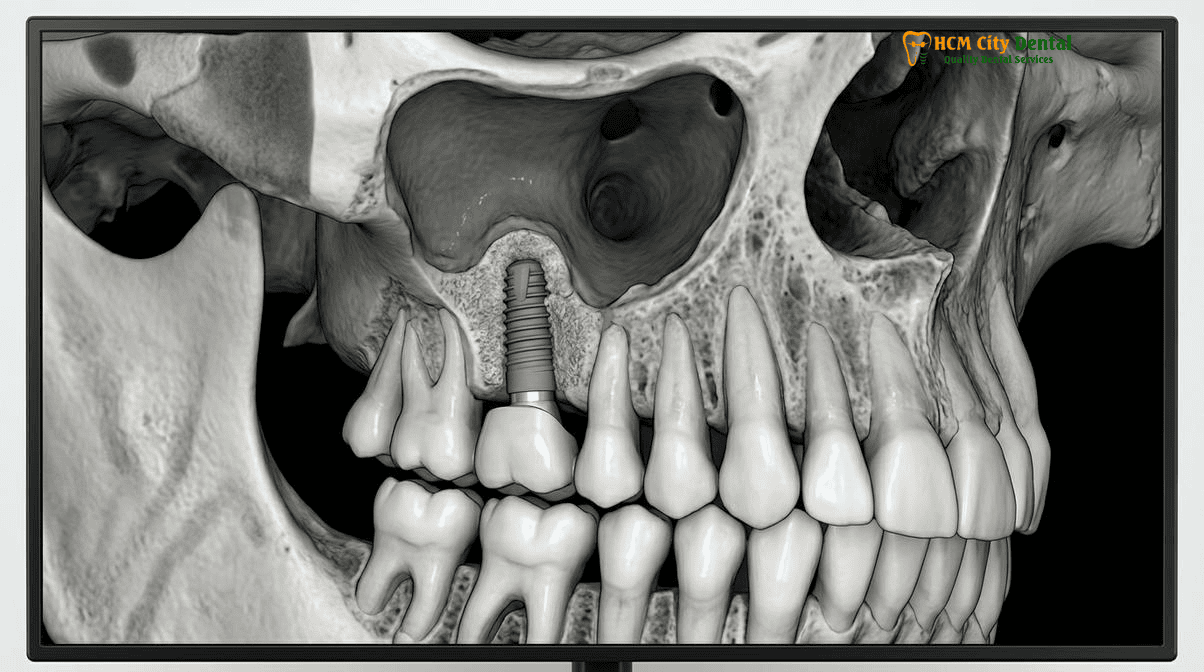
Step-by-Step Pre-Op, Chairside & Post-Op Safety Protocol at 207 Nguyen Trai, District 1
Executing a flawless dental tourism experience requires seamless integration of clinical excellence and logistical precision. For patients seeking a Fit to Fly Certificate Dental Surgery in District 1, Ho Chi Minh City, HCMC Dental Clinic provides a highly structured, step-by-step protocol. Located at 207 Nguyen Trai, Nguyen Cu Trinh Ward, District 1, our facility is strategically positioned just 25 minutes from Tan Son Nhat International Airport (SGN) and a mere 3 to 5 minutes from premier recovery accommodations like the Pullman Saigon Centre, Hotel Nikko Saigon, and New World Saigon Hotel. This central location makes us the premier choice for those researching the Best District in Ho Chi Minh City for Dental Work.
Phase 1: Pre-Operative Diagnostics and Treatment Planning
The protocol begins with a comprehensive digital workup. Upon arrival, international patients undergo a 3D CBCT scan and digital intraoral scanning. Dr. Nguyen Van Cuong, DDS evaluates the bone morphology, sinus anatomy, and systemic health markers. If the patient is on anticoagulant therapy or requires glycemic control, specific perioperative management protocols are initiated to ensure optimal hemostasis and healing. We provide complete transparency regarding our Official 2026 Dental Fee Schedule (-40% Online Booking Pricing), ensuring patients understand the costs upfront. For example, a Korean Dental Implant (Osstem/Dentium) is priced at $423 – $462 USD, while premium Swiss/European Implants (Straumann/Nobel Biocare) range from $731 – $1,231 USD. Full Zirconia Crowns are highly affordable at $81 – $150 USD per tooth.
Phase 2: Chairside Surgical Execution
During the surgical phase, we employ minimally invasive, 3D guided techniques. For implantology, flapless surgery is utilized whenever anatomically possible. This technique eliminates the need for extensive incisions and sutures, drastically reducing the risk of trapped air and postoperative swelling. All surgical instruments and implant fixtures are sterilized using Class B autoclaves, strictly adhering to the latest national infection control guidelines[5]. For restorative procedures, CAD/CAM technology ensures marginal accuracy and long-term survival of lithium disilicate and monolithic zirconia restorations, allowing for rapid, same-day completion[2].
Phase 3: Post-Operative Recovery and Monitoring
Following the procedure, patients are provided with a detailed recovery kit, including prescribed antibiotics, analgesics, and antimicrobial rinses. We advise patients to recover at their nearby District 1 hotels, maintaining a soft diet and avoiding strenuous physical activity. Our clinical team monitors the patient’s progress over the required waiting period. For comprehensive guidelines on postoperative care, patients are encouraged to review our International Patient Medical Safety & Post-Op Recovery Guides.
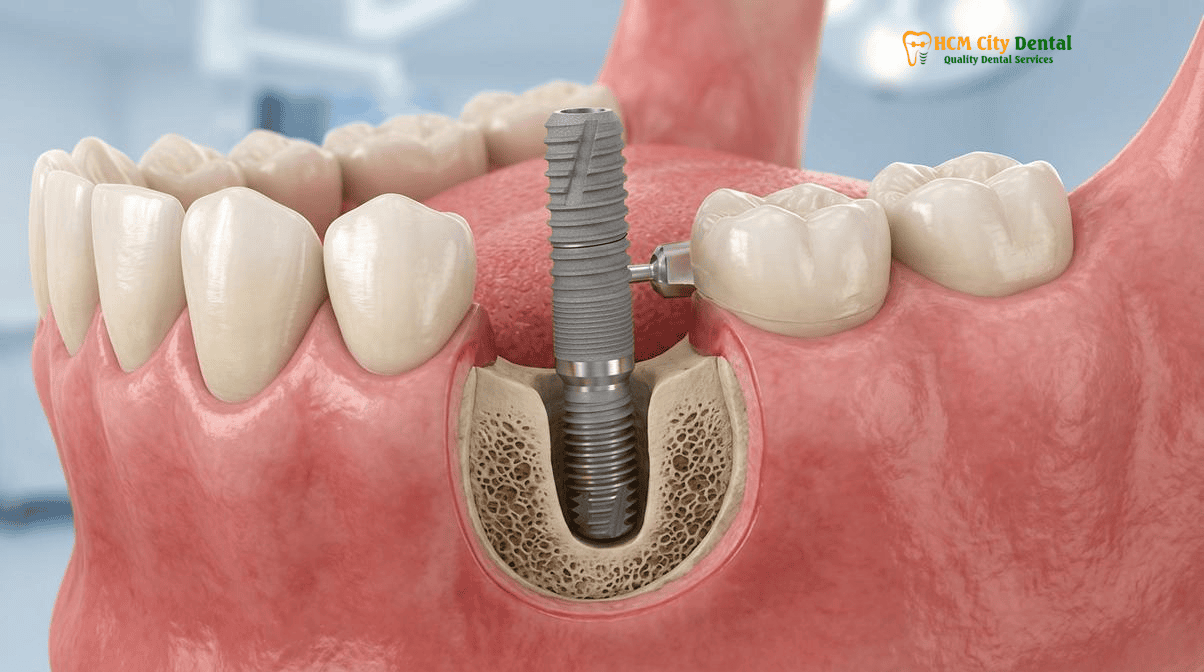
Clinical Decision Matrix Table: Safe Timelines, Thresholds & Red Flags
To provide absolute clarity for our international patients and travel coordinators, we have developed a definitive clinical decision matrix. This table outlines the mandatory wait times before a fit to fly certificate dental surgery can be safely issued, the clinical rationale behind the grounding period, and the specific red flags that would necessitate a delay in travel plans.
| Dental Procedure | Minimum Safe-to-Fly Wait Time | Clinical Rationale & Aviation Risk Factor | Red Flags (Do Not Fly If Present) |
|---|---|---|---|
| Veneers, Zirconia Crowns & Inlays | Same Day (4–6 hours post-op) | Zero trapped air pockets. Dense bioceramic and resin bonding are unaffected by barometric pressure changes. | Severe sensitivity to temperature; uneven bite causing jaw pain. |
| Microscope Root Canal Therapy | Same Day (4–6 hours post-op) | Complete 3D obturation of the root canal system eliminates gas voids. Safe once local anesthesia wears off. | Acute facial swelling; throbbing pain not controlled by standard analgesics. |
| Simple Extraction / Single Flapless Implant | 24 to 48 Hours | Allows for primary blood clot stabilization (preventing dry socket) and initial hemostasis. | Active, continuous bleeding; loss of the blood clot; localized infection. |
| Multiple Implants / Surgical Wisdom Teeth / All-on-4 | Minimum 72 Hours (7-10 days total stay recommended) | Significant tissue manipulation requires time for edema to peak and subside. Risk of secondary hemorrhage if subjected to cabin pressure too early. | Fever; spreading facial cellulitis; severe trismus (inability to open mouth); uncontrolled bleeding. |
| Crestal Sinus Lift (Internal) | 3 to 5 Days | Minor manipulation of the sinus floor. Requires stabilization of the bone graft material and initial membrane healing. | Nosebleeds; feeling of fluid moving in the sinus; severe sinus pressure. |
| Lateral Window Sinus Lift + Bone Graft | 10 to 14 Days (Strict Grounding) | Major breach of the maxillary sinus wall. High risk of sinus barotrauma, graft displacement, and membrane rupture under aviation pressure. | Epistaxis (nosebleeds); purulent nasal discharge; severe mid-face pain; air escaping into the mouth. |
Strict Sinus Precautions (Post-Sinus Lift Surgery):
If you have undergone a crestal or lateral window sinus lift, you are at a heightened risk for sinus barotrauma. During your mandatory 10 to 14-day grounding period in Ho Chi Minh City, you must strictly adhere to the following rules: Never blow your nose. If you must sneeze, do so with your mouth wide open to dissipate pressure. Use prescribed saline nasal sprays and decongestants (e.g., oxymetazoline or pseudoephedrine) exactly as directed. Absolutely pause the use of CPAP machines for 7 to 14 days, as the positive airway pressure can rupture the healing Schneiderian membrane and destroy the bone graft.
24/7 Emergency Triage & Pre-Departure Fit-to-Fly Verification with Dr. Nguyen Van Cuong, DDS
The final, and arguably most crucial, step in the dental tourism journey is the pre-departure verification. As the leading Aviation Medicine, Cabin Pressure & Safe-to-Fly Dental Protocols — Primary Clinical Hub at HCMC Dental Clinic, we do not simply perform surgery and bid our patients farewell. We require a final clinical evaluation 24 to 48 hours prior to your scheduled departure from Tan Son Nhat Airport.
During this final checkup, Dr. Nguyen Van Cuong, DDS will personally examine the surgical site. He will verify that sutures are intact (or remove them if appropriate), confirm that soft tissue healing is progressing normally, and ensure there are no signs of infection or abnormal swelling. For patients on specific medication regimens, such as those requiring perioperative management of anticoagulant therapy, final blood pressure and coagulation checks may be performed to guarantee absolute stability[3]. Once cleared, you will receive your complimentary English Fit-to-Fly Medical Clearance Certificate issued at your final pre-departure checkup. This document is stamped and signed, explicitly stating that you are medically cleared for commercial air travel.
Clinical Case Study: Safe Transit After Full-Arch Rehabilitation
Patient Profile: A 62-year-old male from Sydney, Australia, traveled to HCMC Dental Clinic for an All-on-6 full-arch implant rehabilitation on his upper jaw, which included bilateral crestal sinus lifts.
Clinical Protocol: The surgery was completed successfully on Day 2 of his trip. Following the HCMC Dental Clinic medical clearance guide, the patient recovered comfortably at the nearby Pullman Saigon Centre. On Day 8, the final fixed acrylic bridge was delivered.
Pre-Departure Clearance: On Day 9, the patient returned for his final evaluation. Dr. Cuong confirmed excellent tissue response and zero sinus complications. The patient was issued a stamped English Prescription Letter, his Fit-to-Fly Medical Certificate, and an Implant Passport. The Implant Passport explicitly noted the use of Grade 4/5 titanium, assuring airport security that the fixtures are non-ferromagnetic and will not trigger metal detectors. The patient boarded his 8.5-hour flight to Sydney the next morning with zero complications or altitude-induced discomfort.
“Our international patients travel thousands of miles for our expertise. It is our ethical and clinical duty to ensure their journey home is as safe and painless as their time in our surgical chair. The Fit-to-Fly certificate is not just a piece of paper; it is a clinical guarantee that we have meticulously managed every variable of their recovery.”
— Dr. Nguyen Van Cuong (Dr. Cuong), DDS
We understand that postoperative anxiety can occur, especially when recovering in a foreign country. That is why our commitment to patient care extends beyond clinic hours. International patients have direct access to our 24/7 emergency triage team. If you experience unexpected bleeding, swelling, or simply have a question about your medication while resting at your hotel, you can immediately contact Dr. Nguyen Van Cuong’s English-speaking medical support team via WhatsApp at +84 853 020 003. We are always on standby to provide immediate, evidence-based guidance.
Frequently Asked Questions About Fit to Fly Certificate Dental Surgery
What are the 2026 medical safety guidelines for Fit to Fly Certificate Dental Surgery at HCMC Dental Clinic?
The 2026 medical safety guidelines mandate strict postoperative observation periods based on the complexity of the procedure. For non-invasive treatments like veneers or simple root canals, patients are cleared to fly the same day. For simple extractions or single flapless implants, a 24 to 48-hour wait is required. Complex surgeries, including All-on-4 implants or surgical wisdom tooth extractions, necessitate a minimum 72-hour wait, while major sinus lifts require 10 to 14 days. A complimentary English Fit-to-Fly Medical Clearance Certificate issued at your final pre-departure checkup ensures you meet all international airline barometric safety standards.
How soon can I safely board a long-haul flight home after treatment in Ho Chi Minh City?
Your safe-to-fly timeline depends entirely on the specific dental procedure performed. If you received IPS E.max Porcelain Veneers or Zirconia Crowns, you can safely board a flight 4 to 6 hours post-op once the local anesthesia wears off. For a single Korean or Swiss dental implant placed via 3D guided flapless surgery, you should wait 24 to 48 hours. For full-arch All-on-4 or All-on-6 implant rehabilitations, you must wait a minimum of 72 hours, though a total stay of 7 to 10 days in Saigon is required for immediate bridge delivery and suture removal. Lateral window sinus lifts require the longest wait, strictly mandating 10 to 14 days before flying to prevent sinus barotrauma.
What pre-operative blood panels, vital checks, or 3D CBCT scans does Dr. Nguyen Van Cuong, DDS require?
Patient safety is the highest priority at HCMC Dental Clinic. Before any surgical intervention, Dr. Nguyen Van Cuong, DDS requires a comprehensive 3D Cone Beam Computed Tomography (CBCT) scan to evaluate bone density, nerve pathways, and sinus cavity volume. For patients undergoing complex surgeries like All-on-4 or those with systemic conditions (e.g., diabetes, hypertension), preoperative blood panels including Complete Blood Count (CBC), HbA1c, and coagulation profiles (PT/INR) are mandatory. Vital signs, including blood pressure and oxygen saturation, are continuously monitored chairside to ensure absolute physiological stability prior to issuing any fit to fly certificate dental surgery.
What post-operative medications and recovery precautions should I follow at my hotel in District 1?
Following oral surgery, you will be prescribed a tailored medication regimen that typically includes broad-spectrum antibiotics (such as Amoxicillin/Clavulanate), anti-inflammatory analgesics (Ibuprofen), and an antimicrobial Chlorhexidine mouthwash. While recovering at your hotel in District 1—such as the Pullman Saigon Centre or Hotel Nikko Saigon—you must adhere to a soft food diet, avoid using straws, refrain from smoking, and keep your head elevated while sleeping. If you underwent a sinus lift, strict sinus precautions apply: you must not blow your nose, you must sneeze with your mouth open, and you must pause the use of CPAP machines for 7 to 14 days.
How do I contact Dr. Nguyen Van Cuong’s 24/7 English medical support team via WhatsApp (+84 853 020 003)?
International patients have direct, round-the-clock access to our clinical support team. You can reach Dr. Nguyen Van Cuong’s 24/7 English medical support team instantly via WhatsApp at +84 853 020 003. Whether you are experiencing unexpected postoperative swelling, need to adjust your pain management protocol, or require urgent verification of your fit to fly certificate dental surgery for airline staff at Tan Son Nhat International Airport, our dedicated triage team is always available to provide immediate, evidence-based clinical guidance.
References
- International Journal of Oral & Maxillofacial Implants. Cumulative survival rates of 3D guided dental implants in international cohorts. (2024).
- Journal of Prosthetic Dentistry. Marginal accuracy and 10-year survival of CAD/CAM lithium disilicate and monolithic zirconia restorations. (2023).
- Journal of the American Dental Association (JADA). Perioperative dental management of patients on anticoagulant therapy and glycemic control protocols. (2023).
- Aerospace Medicine and Human Performance. Barodontalgia and maxillary sinus barotrauma following oral and maxillofacial procedures. (2022).
- Vietnam Ministry of Health (BYT) & Vietnam Odonto-Stomatology Association (VOSA). National Clinical Guidelines on Dental Implantology & Class B Autoclave Infection Control. (2024).