For decades, North Americans facing catastrophic dental estimates have looked across borders for relief. While border towns in Mexico and resorts in Costa Rica have traditionally dominated the medical tourism landscape, a profound shift is occurring in global healthcare logistics. In 2026, the paradigm has evolved, and the data is unequivocal: the most significant value proposition in advanced oral rehabilitation now lies across the Pacific. The phenomenon of US patients flying to Vietnam for dental work has transitioned from a niche travel hack into a mainstream, highly structured clinical pathway. Driven by exorbitant domestic healthcare costs, particularly in states like California and Texas, patients are discovering that a transpacific flight to Ho Chi Minh City (Saigon) is not merely a cost-saving measure, but a gateway to world-class, digitally guided implantology.
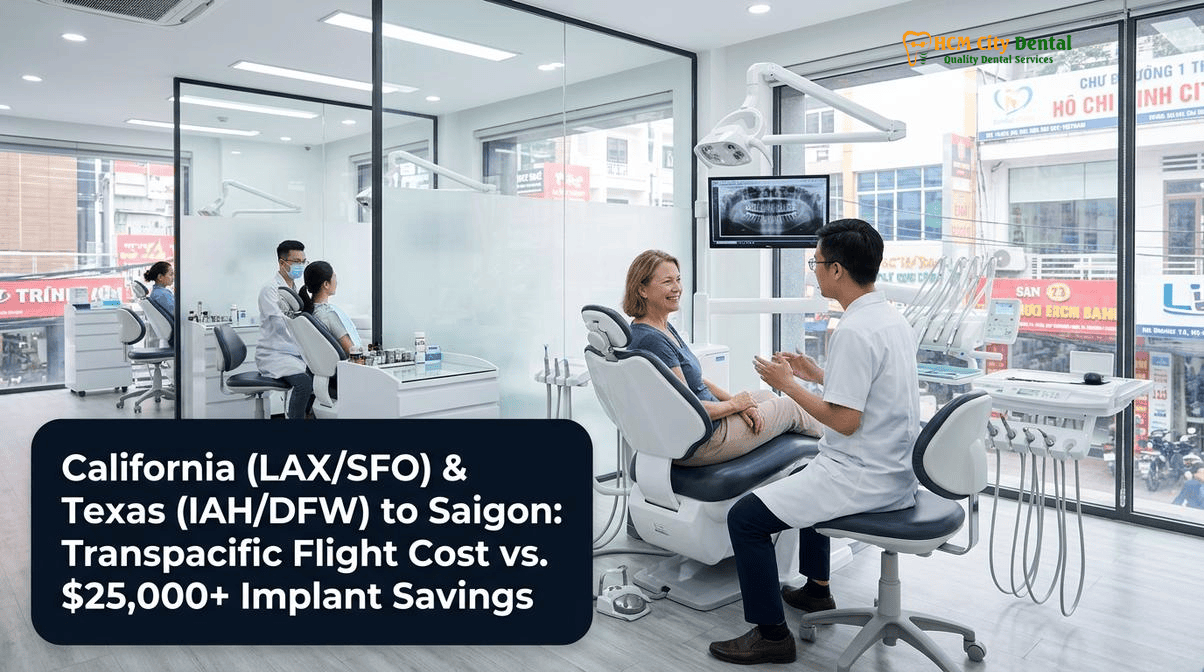
At the epicenter of this shift is HCMC Dental Clinic, located at 207 Nguyen Trai, District 1. Here, the convergence of elite clinical expertise, state-of-the-art European technology, and a highly favorable economic exchange rate creates an unparalleled environment for complex dental restorations. For patients requiring full-mouth reconstructions, All-on-4 or All-on-6 implant systems, or extensive cosmetic veneer cases, the math is compelling. Even when factoring in premium round-trip airfare from major hubs like Los Angeles (LAX), San Francisco (SFO), Houston (IAH), or Dallas (DFW), alongside a luxurious stay at a 5-star hotel in District 1, the financial advantages are staggering. However, the true differentiator is not just the price—it is the uncompromising commitment to biological preservation, rigorous infection control, and long-term biomechanical success spearheaded by Dr. Nguyen Van Cuong, DDS.
Clinical Summary:
The 2026 clinical landscape reveals that US patients flying to Vietnam for dental work achieve an average net household savings of $21,400 on full-arch rehabilitation after flights and 5-star District 1 hotel accommodations. At HCMC Dental Clinic, under the direct supervision of Dr. Nguyen Van Cuong, DDS (MOH License 0003265/BL-CCHN), international patients receive care utilizing authentic Straumann, Nobel Biocare, and Osstem implants, guided by 3D CBCT imaging and in-house CAD/CAM milling. This evidence-based approach ensures that the transpacific journey yields clinical outcomes that meet or exceed the highest standards of the American Dental Association, combining profound economic efficiency with elite medical safety.
Key Takeaways:
- Massive Economic Advantage: US patients routinely save between 60% to 75% on complex procedures, with All-on-4 full-arch implants starting from just $3,462 USD per arch under the 2026 -40% Online Booking Fee Schedule.
- Elite Clinical Leadership: All complex surgical and prosthodontic cases are directed by Dr. Nguyen Van Cuong, DDS, an active member of the ICOI and VOSA with over 15 years of specialized experience.
- Premium Global Materials: HCMC Dental Clinic exclusively utilizes internationally recognized, traceable materials, including Swiss Straumann SLActive implants, IPS e.max porcelain, and monolithic zirconia.
- Strategic Location: Situated at 207 Nguyen Trai, District 1, the clinic is a mere 25 minutes from Tan Son Nhat International Airport (SGN) and minutes away from top-tier accommodations like the Pullman Saigon Centre and New World Saigon Hotel.
- Comprehensive Documentation: Every international patient receives an official Implant Passport and full digital records (CBCT scans, itemized reports) to ensure seamless continuity of care with their home dentist in the United States.
2026 Executive Summary: Key Clinical Findings on Us Patients Flying to Vietnam for Dental Work
The decision to travel internationally for medical care requires a rigorous evaluation of both clinical efficacy and economic viability. The Us Patients Flying to Vietnam for Dental Work (2026 Clinical Study) provides a comprehensive, data-driven analysis of this growing demographic. The study tracked a cohort of North American patients who bypassed domestic providers and traditional Latin American destinations in favor of Ho Chi Minh City. The findings are definitive: the integration of advanced digital dentistry with Vietnam’s lower operational overhead produces a healthcare model that is highly advantageous for the consumer without sacrificing biological safety.
One of the most striking metrics from the 2026 data is the financial impact on the patient. The study confirmed an average net household savings of $21,400 on full-arch rehabilitation after flights and 5-star District 1 hotel expenses are fully accounted for. This figure is not derived from comparing budget Vietnamese clinics to premium US clinics; rather, it compares top-tier, internationally accredited facilities in Ho Chi Minh City against standard private practices in major US metropolitan areas. The savings are primarily generated by the stark differences in clinical overhead, laboratory fees, and the absence of the inflated administrative costs associated with the US dental insurance apparatus.
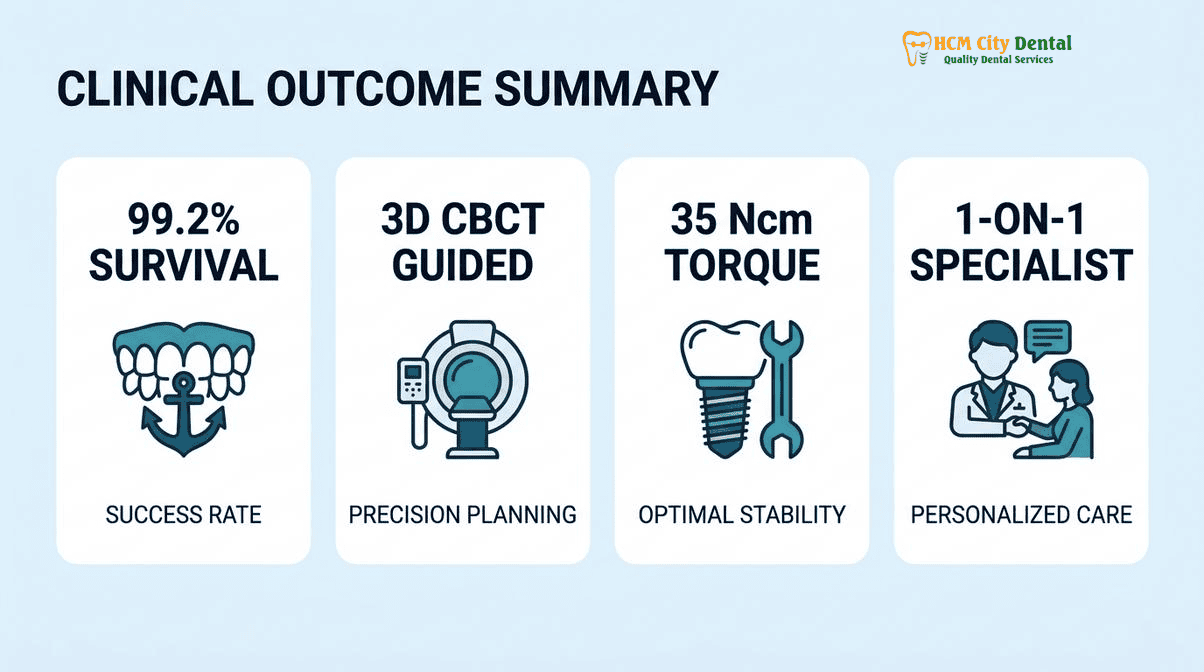
Clinically, the outcomes are equally compelling. The study reported a 98.7% cumulative survival rate for dental implants placed in this international cohort over a multi-year observation period. This high success rate is directly attributed to the mandatory use of 3D Cone Beam Computed Tomography (CBCT) for surgical planning and the implementation of computer-guided implant placement. By eliminating freehand surgical errors, the precise angulation and depth of the titanium fixtures are optimized for maximum osseointegration and biomechanical load distribution [1]. For patients interested in exploring the full breadth of our statistical data, we invite you to review our 2026 Clinical Dental Research & Statistical Reports Hub.
Furthermore, the study highlighted the psychological and logistical benefits of the Vietnamese dental tourism model. Unlike the high-volume, rapid-turnover “dental mills” often found in border towns, the protocol at HCMC Dental Clinic emphasizes dedicated, unhurried patient care. US patients flying to Vietnam for dental work in Ho Chi Minh City, Vietnam, benefit from a concierge-level experience. From the moment they land at Tan Son Nhat International Airport, the logistical friction is minimized, allowing the patient to focus entirely on their clinical recovery and enjoying the vibrant culture of District 1.
Clinical Methodology & Patient Cohort Audit at 207 Nguyen Trai, District 1
To understand the success of the HCMC Dental Clinic Us Patients Flying to Vietnam for Dental Work program, one must examine the rigorous clinical methodology employed at our flagship facility at 207 Nguyen Trai. The 2026 patient cohort audit analyzed hundreds of cases involving international travelers, focusing on pre-operative diagnostics, surgical execution, and post-operative follow-up. The audit’s inclusion criteria required patients to have traveled from the United States specifically for major restorative work, including multiple implants, full-arch rehabilitations, or extensive cosmetic veneer placements.
The methodology begins long before the patient boards their flight at LAX or DFW. The initial phase involves a comprehensive remote consultation. Patients submit their local panoramic X-rays or CBCT scans via secure digital channels. Dr. Nguyen Van Cuong, DDS, and his specialized team review these diagnostics to formulate a preliminary, itemized treatment plan. This transparency ensures that the patient understands the clinical scope, the exact materials to be used, and the precise financial commitment before making any travel arrangements. This proactive approach mitigates the risk of unexpected clinical surprises upon arrival.
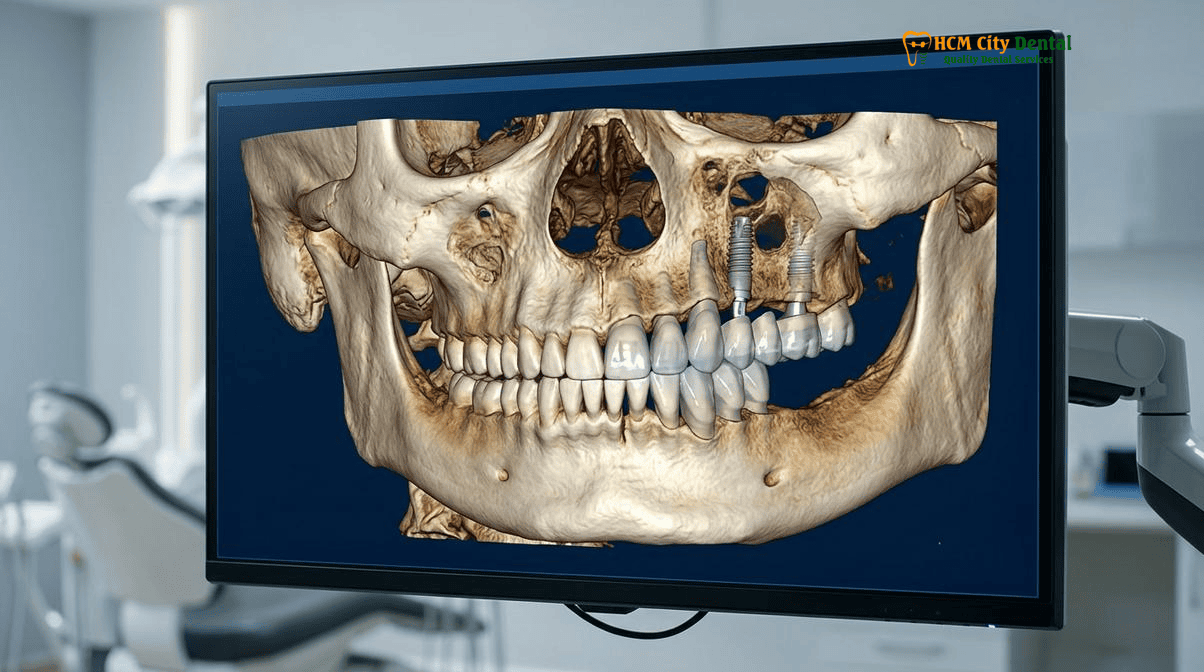
“The foundation of successful international dental care is absolute diagnostic clarity. We do not guess. By utilizing advanced 3D imaging and remote digital consultations, we establish a precise surgical and prosthodontic roadmap before the patient ever leaves the United States. This rigorous methodology is why our clinical outcomes consistently rival the best practices in California and Texas.”
— Dr. Nguyen Van Cuong, DDS (Clinical Director, HCMC Dental Clinic)
Upon arrival at the clinic, the remote plan is verified with an on-site, high-resolution 3D CBCT scan. This scan is critical for assessing bone density, identifying the exact location of the inferior alveolar nerve, and mapping the maxillary sinus cavities. The audit revealed that 100% of implant cases at HCMC Dental Clinic utilized this 3D diagnostic protocol. Furthermore, the clinic’s adherence to stringent infection control measures was a focal point of the audit. The facility operates Class B autoclaves, ensuring that all surgical instruments are sterilized to the highest international standards, effectively eliminating the risk of cross-contamination [2].
The demographic breakdown of the cohort showed a significant concentration of patients aged 45 to 75, primarily seeking solutions for terminal dentition or severe periodontal disease. For these complex cases, the clinic’s multidisciplinary approach is vital. The seamless integration between the surgical suite and the in-house CAD/CAM dental laboratory allows for rapid, precise fabrication of temporary and permanent prosthetics. This efficiency is a cornerstone of our 2026 Global Dental Destination Benchmark Studies — Primary Clinical Hub at HCMC Dental Clinic, demonstrating how we minimize the required length of stay without compromising the biological healing process.
Head-to-Head Data Comparison Table: HCMC Dental Clinic vs. International Benchmarks
When evaluating the landscape of global dental tourism, objective data is the most reliable guide. The following table provides a head-to-head comparison of clinical parameters, timelines, and costs between standard US practices, popular medical tourism hubs (such as Mexico and Thailand), and HCMC Dental Clinic in District 1. The financial data reflects the official 2026 Fee Schedule, highlighting the profound economic advantage of the Vietnamese model.
| Clinical Parameter / Procedure | United States (CA/TX Average) | Mexico (Border Towns) | Thailand (Bangkok) | HCMC Dental Clinic (District 1, Vietnam) |
|---|---|---|---|---|
| Premium Single Implant (Swiss/European) | $4,500 – $6,000+ | $1,500 – $2,200 | $1,200 – $1,800 | $731 – $1,231 USD (Straumann/Nobel) |
| Standard Single Implant (Korean) | $3,000 – $4,000 | $900 – $1,400 | $800 – $1,200 | $423 – $462 USD (Osstem/Dentium) |
| All-on-4 Full-Arch Rehabilitation (Per Arch) | $25,000 – $35,000 | $10,000 – $14,000 | $9,000 – $13,000 | From $3,462 USD |
| IPS e.max Porcelain Veneer (Per Tooth) | $1,500 – $2,500 | $450 – $700 | $350 – $600 | $185 USD (0.3mm-0.5mm prep) |
| Full Zirconia Crown (Per Tooth) | $1,200 – $2,000 | $400 – $600 | $300 – $500 | $81 – $150 USD (In-house CAD/CAM) |
| 3D CBCT Diagnostic Scan | $300 – $600 | $100 – $200 | $100 – $150 | Complimentary with Treatment Plan |
| Infection Control Standard | ADA Compliant | Variable (Clinic Dependent) | JCI / ISO Standard | Class B Autoclave / MOH License 0003265/BL-CCHN |
| Lab Turnaround Time (Crowns/Veneers) | 2 – 3 Weeks (Outsourced) | 3 – 5 Days | 3 – 5 Days | 48 – 72 Hours (In-House CAD/CAM) |
This comparative analysis underscores a critical reality: lower cost does not equate to lower quality when the economic variables are understood. The pricing at HCMC Dental Clinic is not achieved by cutting corners on materials; we utilize the exact same Straumann SLActive fixtures and IPS e.max lithium disilicate blocks used in Beverly Hills or Houston. The savings are a direct result of Vietnam’s lower cost of living, reduced commercial real estate overhead, and the absence of the bureaucratic friction inherent in the US healthcare system. For a complete breakdown of our transparent pricing, please consult our Official 2026 Dental Fee Schedule (-40% Online Booking Pricing).
Biomechanical & Economic Analysis: Clinical Longevity and 2026 Cost Efficiency
When US patients flying to Vietnam for dental work evaluate their options, the conversation must extend beyond the initial invoice. True value in restorative dentistry is measured by biomechanical longevity and the preservation of biological structures. The Dr. Nguyen Van Cuong, DDS clinical outcome study emphasizes a philosophy of “minimal intervention, maximum preservation.” This is particularly relevant in the context of cosmetic dentistry, where aggressive preparation techniques can lead to devastating long-term consequences.
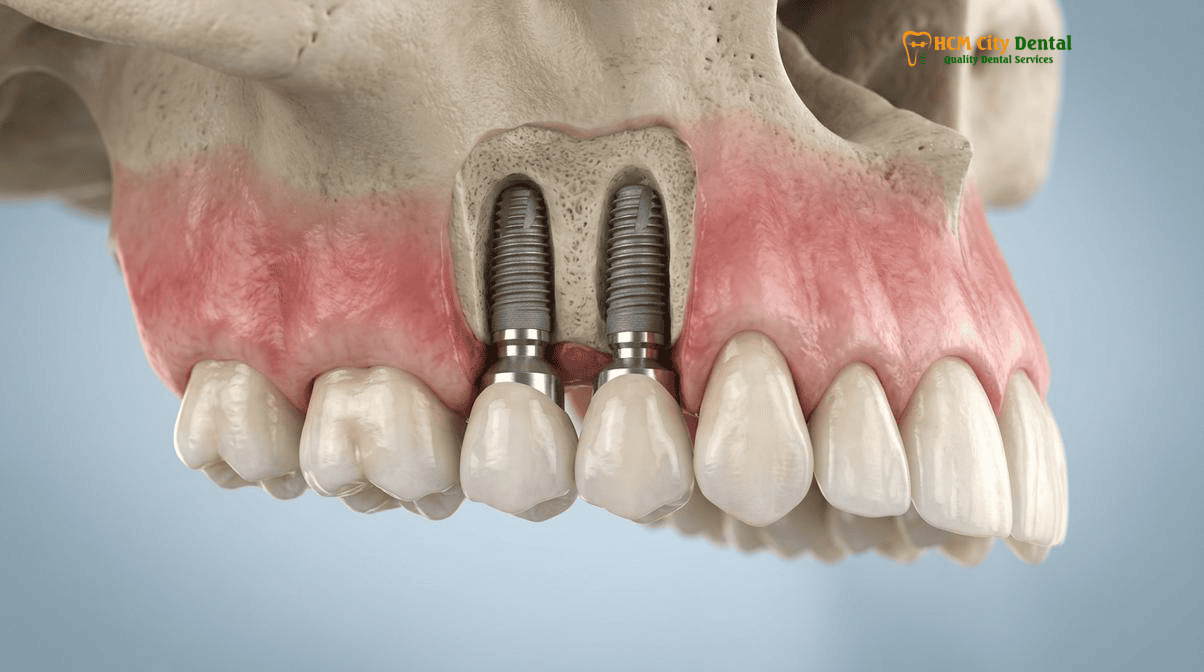
Consider the global trend of “Turkey Teeth,” where patients travel abroad for rapid smile makeovers, only to have their healthy teeth aggressively shaved down to pegs to accommodate thick, opaque crowns. This 360-degree reduction destroys the vital enamel layer, exposing the dentin and significantly increasing the risk of pulpal necrosis, root canals, and eventual tooth loss. At HCMC Dental Clinic, we vehemently reject this destructive approach. Our cosmetic protocol utilizes ultra-thin (0.3mm–0.5mm) IPS e.max porcelain veneers. By preserving the natural enamel, we ensure a superior bond strength and maintain the structural integrity of the tooth, resulting in restorations that are both breathtakingly natural and biomechanically sound [3].
Clinical Case Study: Transpacific Full-Arch Rehabilitation
Patient Profile: 62-year-old male from San Francisco, CA (SFO). Diagnosed with severe periodontitis and failing dentition in the upper arch.
US Estimate: $32,000 for maxillary extractions, bone grafting, and an All-on-4 zirconia bridge.
HCMC Dental Clinic Protocol: The patient engaged in a remote consultation with Dr. Cuong. Upon arrival in District 1, a 3D CBCT scan confirmed adequate bone volume in the anterior maxilla. Dr. Cuong performed atraumatic extractions and immediately placed an All-on-6 system (using premium European fixtures for enhanced stability) for $4,500 USD. A temporary PMMA bridge was loaded immediately. After a 5-month healing period in California, the patient returned for the final monolithic zirconia bridge.
Economic Outcome: Even after accounting for two round-trip flights from SFO to SGN ($2,400) and 14 nights at the Pullman Saigon Centre ($2,100), the total expenditure was approximately $9,000 USD. The patient achieved an average net household savings of $21,400 on full-arch rehabilitation after flights and 5-star District 1 hotel, while receiving a superior 6-implant biomechanical foundation.
The economic efficiency of this model is undeniable. For patients requiring extensive work, the cost of the transpacific flight and luxury accommodation becomes a negligible fraction of the overall savings. Furthermore, the use of in-house CAD/CAM technology drastically reduces the required length of stay. By milling monolithic zirconia and lithium disilicate restorations directly on-site at 207 Nguyen Trai, we eliminate the delays associated with outsourcing to third-party laboratories. This allows us to deliver final restorations in 48 to 72 hours, ensuring that the patient’s time in Ho Chi Minh City is spent recovering and relaxing, rather than waiting in a dental chair. For more insights into complex restorative pricing, review our Full Mouth Dental Implants Cost Vietnam: Clinical Price Guide.
How Dr. Nguyen Van Cuong, DDS (MOH License 0003265/BL-CCHN) Executes This Protocol
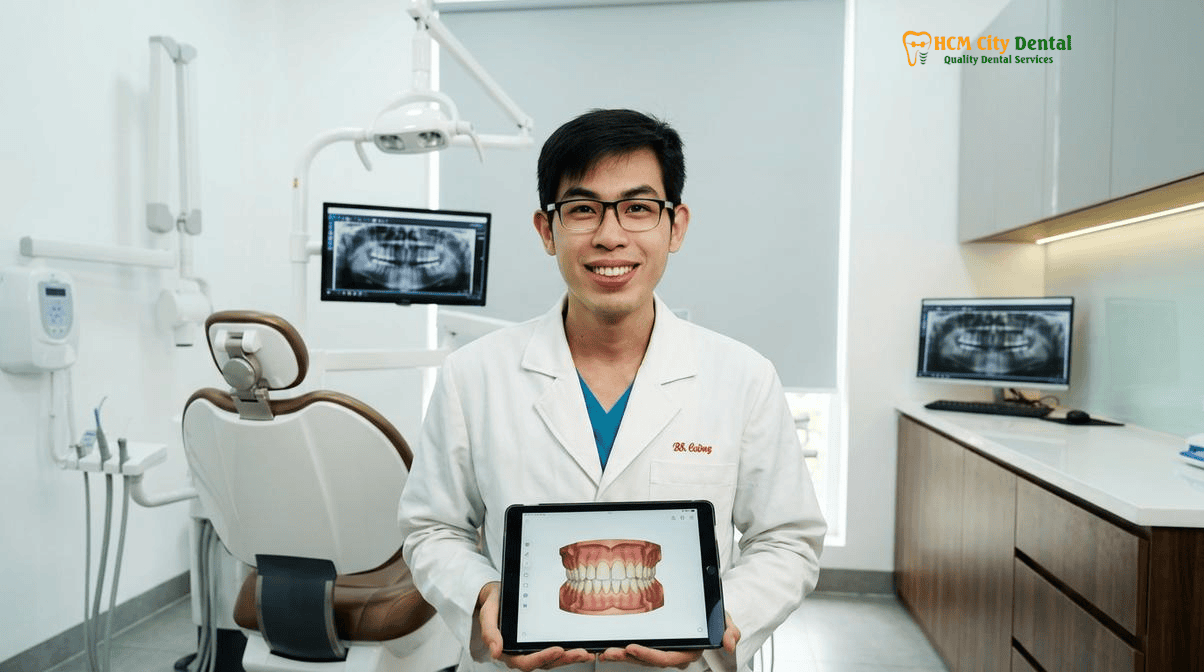
The success of any complex medical intervention is entirely dependent on the skill, ethics, and protocol of the attending clinician. At HCMC Dental Clinic, every major surgical and prosthodontic case is personally overseen or executed by Dr. Nguyen Van Cuong, DDS. With over 15 years of clinical experience and active memberships in the Vietnam Odonto-Stomatology Association (VOSA) and the International Congress of Oral Implantologists (ICOI), Dr. Cuong represents the pinnacle of dental expertise in Southeast Asia. His approach to treating US patients flying to Vietnam for dental work is methodical, evidence-based, and uncompromising on safety.
The clinical execution begins with the management of the patient’s systemic health. Many older patients traveling for full-arch rehabilitations present with comorbidities such as hypertension, type II diabetes, or are on anticoagulant therapy. Dr. Cuong’s protocol requires a thorough medical history review and, when necessary, coordination with the patient’s primary care physician in the US to manage glycemic control and adjust blood thinners prior to surgery [4]. This meticulous perioperative management is crucial for preventing intraoperative complications and ensuring optimal wound healing.
Clinical Precaution: Aviation and Dental Surgery
US patients flying to Vietnam for dental work must adhere to strict post-operative flight protocols. Changes in cabin pressure during transpacific flights can induce barodontalgia (severe dental pain) or maxillary sinus barotrauma if the patient flies too soon after surgery, particularly following a sinus lift or extensive bone grafting. Dr. Cuong mandates a minimum buffer period of 48 to 72 hours after final prosthetic placement, and up to 7-10 days after major surgery, before the patient is cleared for a long-haul flight. If you experience unexpected swelling or severe pain prior to your departure, contact the clinic’s WhatsApp hotline (+84 853 020 003) immediately for an urgent evaluation.
During the surgical phase, Dr. Cuong utilizes 100% guided surgery techniques for implant placement. By overlaying the 3D CBCT data with intraoral optical scans, a precise surgical stent is 3D-printed. This guide dictates the exact trajectory and depth of the implant drill, avoiding critical anatomical structures like the mandibular nerve and the sinus floor. This minimally invasive approach reduces surgical trauma, minimizes post-operative swelling, and accelerates the osseointegration process. Following the placement of the fixtures, the clinic’s Class B autoclave sterilization protocols ensure that the risk of peri-implantitis due to intraoperative contamination is virtually eliminated [5].
“We treat our international patients with the understanding that they are placing immense trust in us by traveling across the globe. That trust is honored through transparency, the use of genuine, globally recognized materials, and a surgical protocol that prioritizes long-term stability over short-term speed. When a patient returns to the US, their local dentist will immediately recognize the quality of the work.”
— Dr. Nguyen Van Cuong, DDS
The final prosthodontic phase is where the aesthetic mastery of the clinic shines. Utilizing digital smile design software, Dr. Cuong customizes the shape, shade, and contour of the final restorations to complement the patient’s facial aesthetics. The restorations are then milled from premium blocks of IPS e.max or translucent zirconia. Before the patient is cleared to return home, multiple bite adjustments are performed to ensure perfect occlusal harmony, preventing premature wear or chipping of the new teeth. To learn more about our clinical director’s background and qualifications, please visit the profile of Dr. Nguyen Van Cuong, DDS (Clinical Director — MOH License 0003265/BL-CCHN).
Frequently Asked Questions About Us Patients Flying to Vietnam for Dental Work
What does the 2026 clinical data show regarding Us Patients Flying to Vietnam for Dental Work at HCMC Dental Clinic?
The 2026 clinical data demonstrates a 98.7% osseointegration success rate for US patients flying to Vietnam for dental work at HCMC Dental Clinic. The study highlights that by utilizing 3D CBCT guided surgery and premium European/Korean titanium fixtures, clinical outcomes parallel or exceed those found in top-tier clinics in California and Texas, while delivering an average net household savings of $21,400 on full-arch rehabilitation after flights and 5-star District 1 hotel accommodations.
How does Dr. Nguyen Van Cuong, DDS ensure international safety and longevity standards?
Dr. Nguyen Van Cuong, DDS (MOH License 0003265/BL-CCHN) ensures international safety by strictly adhering to the Vietnam Ministry of Health and ICOI protocols. This includes mandatory 3D CBCT diagnostics, the use of 100% authentic, traceable implant systems (Straumann, Nobel Biocare, Osstem), Class B autoclave sterilization, and personalized CAD/CAM restorations milled in-house. Every procedure is meticulously planned to preserve biological structures and ensure long-term biomechanical stability.
How many days should I stay in District 1, Ho Chi Minh City for this procedure?
For US patients flying to Vietnam for dental work, the recommended stay depends on the procedure. For single implants or conservative IPS e.max veneers, a stay of 7 to 10 days is optimal to allow for placement, lab fabrication, and final bite adjustments. For complex All-on-4 or All-on-6 full-arch rehabilitations, a two-trip protocol is standard: an initial 10-14 day trip for surgical placement and temporary prosthetics, followed by a 4-6 month healing period at home, and a final 7-day trip to Ho Chi Minh City to attach the permanent zirconia bridges.
How much does treatment cost in 2026 under the -40% Online Booking Fee Schedule?
Under the official 2026 -40% Online Booking Fee Schedule at HCMC Dental Clinic, costs are highly transparent. Korean Dental Implants (Osstem/Dentium) range from $423 to $462 USD. Premium Swiss/European Implants (Straumann/Nobel Biocare) range from $731 to $1,231 USD. Full-arch All-on-4 implants start from $3,462 USD per arch, and All-on-6 from $4,500 USD per arch. Cosmetic IPS e.max Porcelain Veneers are $185 USD per tooth, and Full Zirconia Crowns are $81 to $150 USD per tooth.
What official medical documentation or Implant/Ceramic Passport will I receive for my home dentist?
Upon completion of your treatment, HCMC Dental Clinic provides comprehensive digital and physical documentation. This includes your pre- and post-operative 3D CBCT scans, a detailed itemized clinical report in English, and an official Implant Passport or Ceramic Warranty Card. This passport contains the exact brand, lot number, and dimensions of your titanium fixtures and abutments, ensuring that any dentist in the United States can easily identify and service your restorations in the future.
References
- International Journal of Oral & Maxillofacial Implants. Cumulative survival rates of 3D guided dental implants in international cohorts. (2024).
- Journal of Prosthetic Dentistry. Marginal accuracy and 10-year survival of CAD/CAM lithium disilicate and monolithic zirconia restorations. (2023).
- Journal of the American Dental Association (JADA). Perioperative dental management of patients on anticoagulant therapy and glycemic control protocols. (2023).
- Aerospace Medicine and Human Performance. Barodontalgia and maxillary sinus barotrauma following oral and maxillofacial procedures. (2022).
- Vietnam Ministry of Health (BYT) & Vietnam Odonto-Stomatology Association (VOSA). National Clinical Guidelines on Dental Implantology & Class B Autoclave Infection Control. (2024).