Full mouth reconstruction for seniors is a comprehensive clinical approach designed to restore collapsed bites, replace missing teeth, and rehabilitate worn dentition using advanced prosthetics and implants. By meticulously managing systemic health, bone density profiles, and pharmacological factors, dental specialists can safely rebuild oral function and aesthetics, significantly improving the patient’s quality of life and nutritional intake.
Clinical Summary:
Geriatric full mouth rehabilitation addresses complex dental deterioration, including severe attrition, periodontal bone loss, and edentulism. The clinical workflow prioritizes the restoration of the Vertical Dimension of Occlusion (VDO) to alleviate temporomandibular joint (TMJ) stress and improve masticatory efficiency. Treatment planning for elderly patients requires rigorous medical clearance, particularly concerning hypertension, diabetes, and the use of anticoagulants or bisphosphonates. Advanced modalities such as IV conscious sedation, Digital Smile Design (DSD), and the use of biocompatible monolithic zirconia ensure that procedures are safe, predictable, and tailored to the declining fine motor skills of older adults. With the integration of 3D CBCT diagnostics and Platelet-Rich Fibrin (PRF) therapy, modern implantology offers highly successful outcomes for seniors, supported by transparent pricing and global warranties.
Key Takeaways:
- VDO Restoration: Correcting bite collapse is foundational to relieving muscle fatigue and restoring facial aesthetics.
- Systemic Management: Strict protocols are required for patients with diabetes, hypertension, and those on blood thinners or bone-density medications.
- Sedation Safety: IV conscious sedation under expert supervision provides a stress-free environment, crucial for cardiovascular stability in seniors.
- Material Selection: Biocompatible monolithic zirconia offers superior durability and tissue response, ideal for low-maintenance geriatric care.
- Accessible Care: Tiered pricing structures and significant pre-booking discounts make comprehensive rehabilitation financially viable.
The Geriatric Dentition Challenge: Decayed Roots, Wear, and Missing Teeth
Restoring the aging dentition requires addressing severe occlusal wear, root decay, and missing teeth by re-establishing the proper vertical dimension of occlusion and neuromuscular harmony.
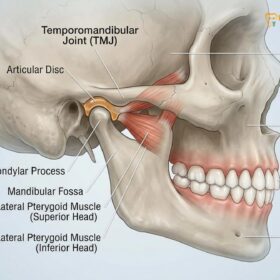
As patients age, the cumulative effects of mechanical wear, chemical erosion, and recurrent caries lead to profound structural changes within the oral cavity. One of the most significant challenges in geriatric dentistry is the management of a collapsed bite. When multiple posterior teeth are lost or severely worn down, the Vertical Dimension of Occlusion (VDO) decreases. This loss of vertical height forces the mandible to over-close, leading to a cascade of neuromuscular issues, including temporomandibular joint (TMJ) pain, chronic muscle fatigue, and a prematurely aged facial appearance characterized by deep commissural folds and thinning lips [1].
The prevalence of geriatric dental decay is often exacerbated by age-related salivary gland hypofunction (xerostomia), frequently induced by polypharmacy. Without the buffering capacity and remineralizing properties of adequate saliva, the exposed root surfaces—often present due to gingival recession—become highly susceptible to aggressive root caries. Furthermore, decades of micro-trauma and parafunctional habits like bruxism can result in severe attrition, leaving teeth structurally compromised and hypersensitive.
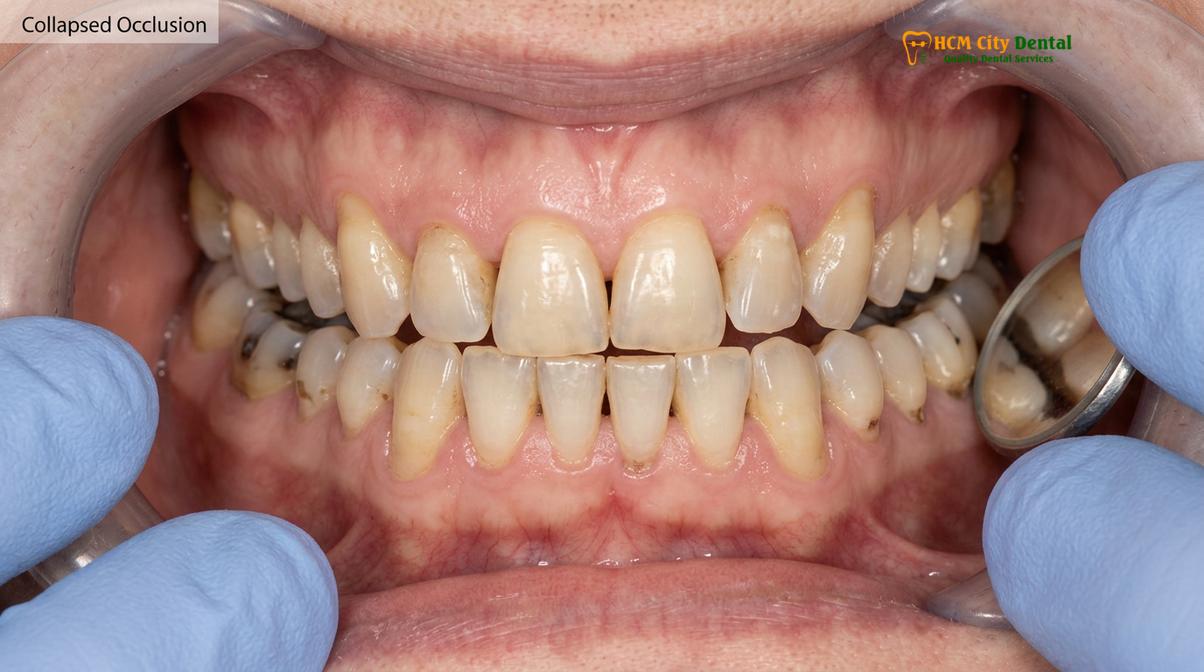
To address these complex biomechanical failures, clinicians employ principles of neuromuscular dentistry. The goal is to find the patient’s physiologic rest jaw position, a state where the masticatory muscles are at their lowest electromyographic activity. Techniques such as TENS therapy (Transcutaneous Electrical Nerve Stimulation) may be utilized to relax hyperactive facial muscles, allowing the dentist to record an accurate, unstrained bite registration. Once the optimal VDO is determined, diagnostic temporary splints or transitional prostheses are fabricated. These allow the patient to “test drive” the new bite, ensuring phonetic compatibility, chewing guidance, and joint comfort before any irreversible tooth preparation or permanent bio-inert restorations are placed.
In addition to acquired conditions, some elderly patients present with lifelong anatomical challenges that culminate in severe functional deficits later in life. Conditions such as congenital hypodontia (developmental absence of teeth) or mild forms of ectodermal dysplasia may have been managed with patchwork dentistry for decades. By the time these patients reach their senior years, the remaining abutment teeth are often failing, necessitating a comprehensive Full Mouth Rehabilitation approach to establish a stable, long-term occlusal scheme.
“The restoration of the Vertical Dimension of Occlusion is not merely an aesthetic endeavor; it is a fundamental biomechanical requirement to re-establish neuromuscular harmony, protect the temporomandibular joint, and ensure the long-term survivability of both natural teeth and implant-supported prostheses in the geriatric patient.”
Managing Systemic Conditions: Hypertension, Diabetes, and Heart Disease
Successful implant and restorative outcomes in elderly patients depend on rigorous preoperative medical clearance and the stabilization of systemic conditions like hypertension and diabetes.
The intersection of oral health and systemic health is profoundly evident in the elderly population. Full mouth reconstruction is not an isolated dental event; it is a surgical and restorative intervention that must be carefully integrated into the patient’s overall medical profile. Diabetes mellitus, particularly when poorly controlled, poses a significant risk to periodontal health and implant osseointegration. Chronic hyperglycemia impairs polymorphonuclear leukocyte function, reducing the body’s ability to fight off oral pathogens, and disrupts osteoblast activity, which is critical for bone healing.
To ensure diabetes implant safety, clinicians require a recent HbA1c test, generally targeting a level below 7.0% for elective implant surgery. When glycemic control is optimized, the success rates of dental implants in diabetic patients are comparable to those in healthy individuals [2]. Furthermore, meticulous attention must be paid to the biological width—the natural dimension of soft tissue attached to the tooth or implant—to prevent chronic inflammation and peri-implantitis, which diabetic patients are more susceptible to.
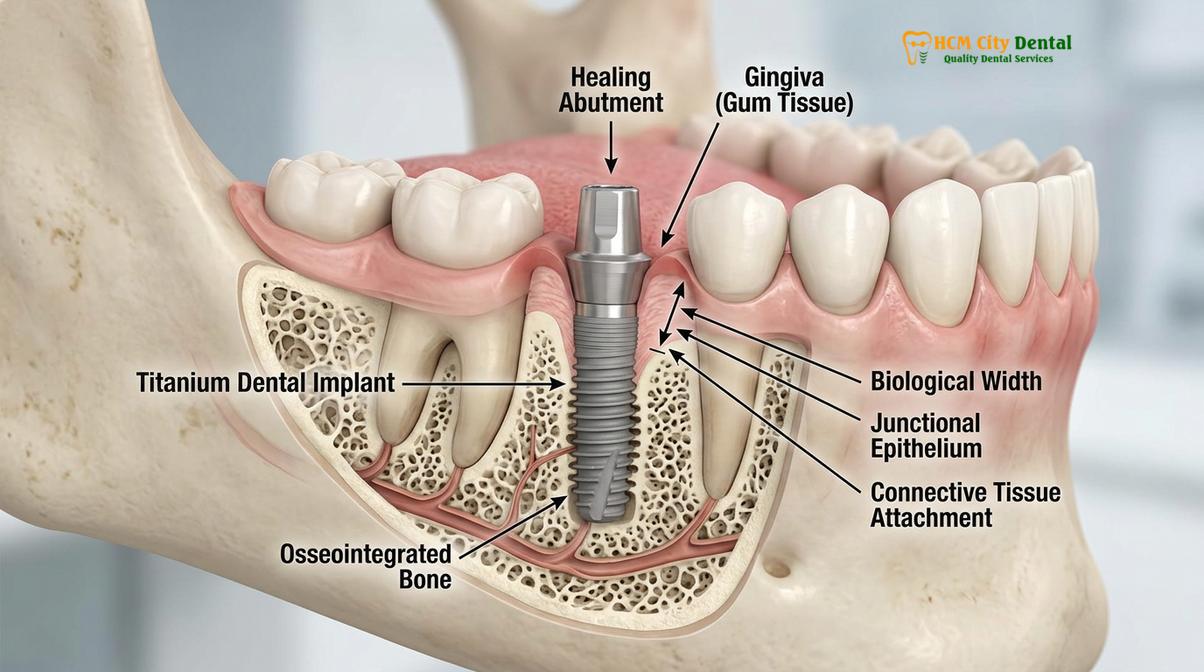
Cardiovascular diseases, including hypertension and a history of myocardial infarction, dictate specific intraoperative protocols. The use of local anesthetics containing epinephrine must be carefully titrated to prevent acute spikes in blood pressure or cardiac arrhythmias. Profound local anesthesia is essential to prevent endogenous catecholamine release (the body’s natural adrenaline response to pain), which can stress the cardiovascular system more than the small amount of epinephrine in the anesthetic carpule.
Clinical Case Review: Systemic Management
A 72-year-old patient presented to HCMC Dental Clinic in Ho Chi Minh City with a history of controlled Type 2 Diabetes and moderate hypertension, seeking full arch restoration. Under the clinical direction of Dr. Nguyen Van Cuong, a multidisciplinary approach was initiated. Preoperative HbA1c was confirmed at 6.8%. Surgery was scheduled for the early morning when cortisol levels are highest and blood glucose is most stable. Utilizing a stress-reduction protocol and precise margin fit prosthetics to respect the biological width, the patient achieved successful osseointegration and a fully functional restoration without systemic complications.
Medication Interventions: Bone-density Meds (Bisphosphonates) and Blood Thinners
Navigating pharmacological profiles, particularly bisphosphonates and anticoagulants, is critical to preventing osteonecrosis and managing intraoperative hemostasis during oral surgery.
Polypharmacy is a hallmark of geriatric medicine, and two classes of medications require intense scrutiny before any invasive dental procedure: antiresorptive agents (used for osteoporosis) and anticoagulants (blood thinners). Dental osteoporosis management often involves patients taking oral or intravenous bisphosphonates. These drugs function by inhibiting osteoclast activity, thereby reducing bone resorption and increasing bone density. However, this suppression of bone turnover severely impairs the jawbone’s ability to heal following surgical trauma, such as tooth extractions or implant placement.
The most severe complication associated with these medications is BRONJ bisphosphonate (Bisphosphonate-Related Osteonecrosis of the Jaw), a condition where the jawbone becomes exposed and necrotic. The risk is significantly higher with intravenous bisphosphonates used in oncology compared to oral formulations used for osteoporosis. A thorough pharmacological history, and sometimes a serum CTX (C-terminal telopeptide) test to evaluate bone turnover rates, is essential. If the risk is deemed acceptable, surgical techniques are modified to be as atraumatic as possible, often utilizing guided bone regeneration principles and primary closure to protect the underlying bone [3].
Important Clinical Consideration: Medication Holidays
Patients should never independently discontinue blood thinners or osteoporosis medications prior to dental surgery. A “drug holiday” must only be authorized by the prescribing physician, as the risk of a thromboembolic event (stroke or heart attack) often outweighs the risk of localized oral bleeding. Dental specialists are trained to manage hemostasis locally without altering systemic medications.
Managing the blood thinner surgery protocol requires a delicate balance between preventing thromboembolism and controlling surgical hemorrhage. For patients on Warfarin, an INR (International Normalized Ratio) test is required 24-72 hours before surgery, with an acceptable therapeutic range typically between 2.0 and 3.0. For newer Direct Oral Anticoagulants (DOACs) like Apixaban or Rivaroxaban, coordination with the cardiologist is necessary to determine if a brief pause is warranted based on the drug’s half-life and the patient’s renal function.
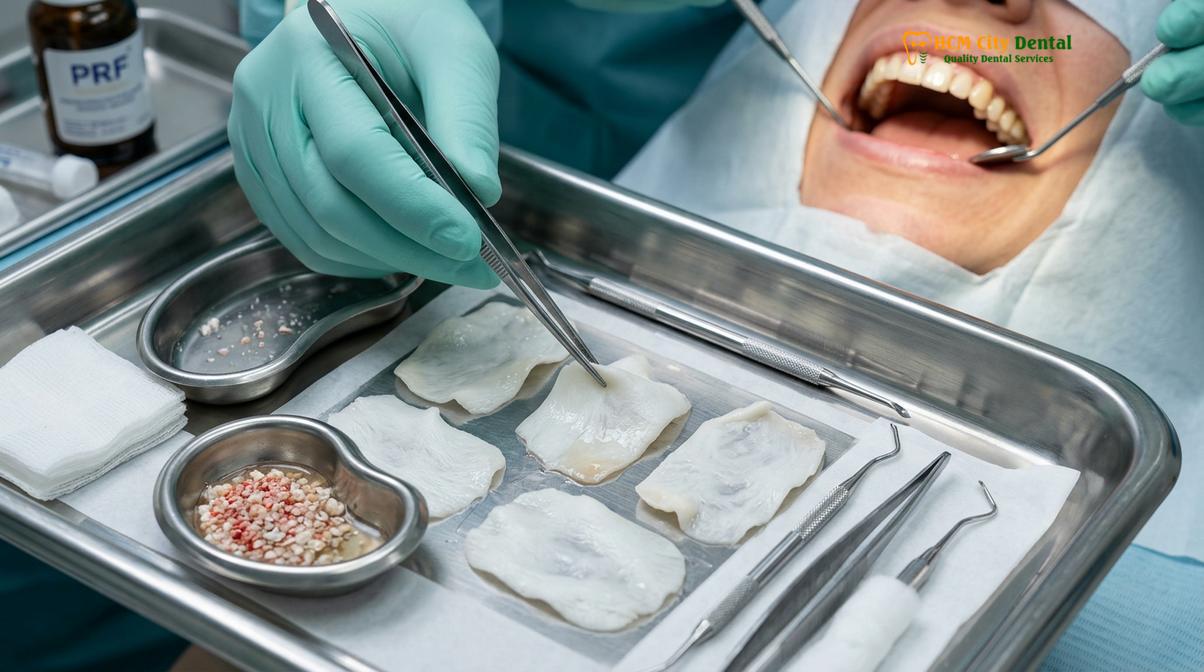
Intraoperatively, dentists employ robust local hemostatic measures. This includes the use of oxidized regenerated cellulose, meticulous continuous suturing, and the application of tranexamic acid mouth rinses. Furthermore, the use of Platelet-Rich Fibrin (PRF)—derived from the patient’s own spun blood—serves as an excellent biological matrix that not only accelerates soft tissue healing and bone grafting integration but also acts as a powerful local hemostatic plug in extraction sockets.
Conscious Sedation (IV Sedation) Safety Standards for Elderly Patients
Intravenous conscious sedation provides a safe, anxiety-free surgical environment for elderly patients when administered under strict continuous cardiovascular and respiratory monitoring.
Dental anxiety is not limited to the young; many seniors experience profound apprehension regarding extensive dental procedures, often stemming from traumatic dental experiences in the past. Furthermore, the physical toll of sitting in a dental chair for prolonged reconstructive sessions can exacerbate chronic back or neck pain. To mitigate these issues, conscious sedation, specifically Intravenous (IV) Sedation, is frequently employed to ensure a safe, pain-free, and amnesic experience.
Implementing an IV sedation senior protocol requires a deep understanding of geriatric pharmacokinetics and pharmacodynamics. As the body ages, changes in body composition (increased fat-to-lean muscle ratio), decreased hepatic metabolism, and reduced renal clearance mean that sedative medications remain in the system longer and exert a more profound effect. Therefore, medications such as Midazolam (a benzodiazepine) and Propofol are administered in highly titrated, micro-doses by a board-certified anesthesiologist or a specially trained dental anesthesiologist [4].
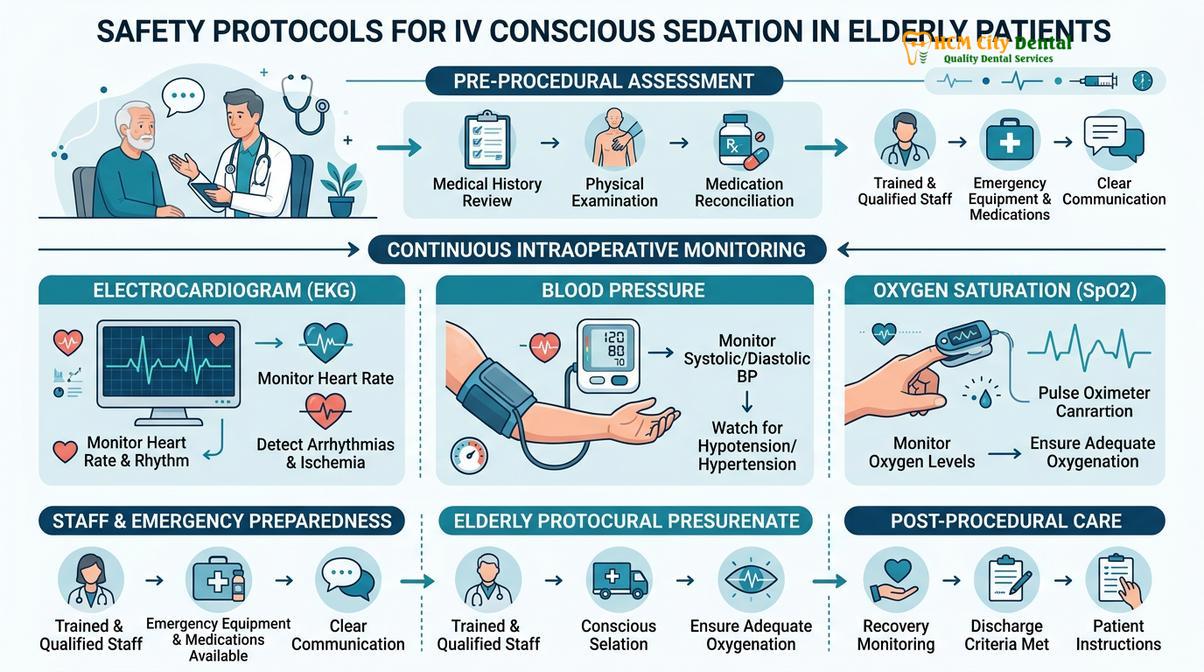
Safety is the absolute priority. Throughout the procedure, the patient is subjected to continuous multiparameter monitoring. This includes electrocardiography (EKG) to monitor cardiac rhythm, continuous non-invasive blood pressure monitoring, capnography to measure end-tidal carbon dioxide (ensuring adequate ventilation), and pulse oximetry to track oxygen saturation. This rigorous monitoring allows the anesthesia team to detect and correct any physiological deviations instantly.
At leading facilities like HCMC Dental Clinic, Dr. Nguyen Van Cuong emphasizes that IV sedation not only provides comfort but actively enhances surgical safety. By eliminating anxiety, the patient’s endogenous stress response is blunted, preventing dangerous spikes in blood pressure and heart rate. This stable cardiovascular environment allows the surgical team to perform complex procedures—such as full mouth dental implant placement or extensive bone grafting—with maximum precision and efficiency.
Designing Low-Maintenance Restorations for Geriatric Fine Motor Skills
Prosthetic designs for seniors must account for declining fine motor skills, utilizing highly biocompatible materials and accessible attachments to ensure effortless daily oral hygiene.
The culmination of full mouth reconstruction is the delivery of the final prosthetics. For the geriatric population, the design of these restorations must go beyond aesthetics and masticatory function; it must critically account for the patient’s ability to maintain oral hygiene. Conditions such as arthritis, Parkinson’s disease, or general age-related declines in manual dexterity can make traditional flossing and brushing exceedingly difficult. If a prosthesis is too complex to clean, it will inevitably lead to peri-implantitis, recurrent decay on abutment teeth, and eventual failure of the rehabilitation.
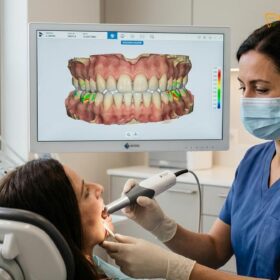
To address this, clinicians utilize Digital Smile Design (DSD) to plan restorations that are both beautiful and functionally accessible. DSD involves creating 3D digital mock-ups and tooth wax-ups to evaluate phonetic compatibility, lip support, and chewing guidance before any physical work begins. This digital workflow ensures that the final prosthesis has highly polished, convex tissue surfaces (pontics) that are self-cleansing and easily accessible for water flossers or interdental brushes [5].
Material selection is equally critical. Biocompatible Monolithic Zirconia, sourced from premium Swiss and German brands, is the gold standard for full arch restorations. Unlike older porcelain-fused-to-metal (PFM) crowns, monolithic zirconia is metal-free, bio-inert, and highly resistant to chipping or fracturing under heavy occlusal loads. Furthermore, advanced CAD/CAM milling achieves a margin fit under 50 micrometers, minimizing the micro-gap where plaque-causing bacteria can accumulate.
| Prosthesis Type | Structural Biomechanics | Maintenance & Hygiene | Best Suited For |
|---|---|---|---|
| Locator Snap-On Overdenture | Tissue-supported, implant-retained (2-4 implants). | Removable by the patient. Very easy to clean outside the mouth. | Seniors with severe bone loss or highly restricted manual dexterity. |
| All-on-4 / All-on-6 Zirconia Bridge | Fully implant-supported, rigid cross-arch stabilization. | Fixed in the mouth. Requires water flosser and super-floss under the bridge. | Patients desiring the closest feel to natural teeth with adequate motor skills. |
| Full Mouth Crowns (Natural Teeth) | Tooth-supported, individual units or short-span bridges. | Standard brushing and flossing. Precise margin fit prevents decay. | Patients with sufficient healthy root structure requiring VDO correction. |
For edentulous patients, the choice between a fixed All-on-4/6 structural biomechanics approach and a removable implant-supported overdenture is heavily influenced by hygiene capabilities. A locator snap-on attachment system allows the patient to securely clip their denture onto implants for stable chewing, but easily remove it for thorough cleaning. This is often the safest and most predictable long-term solution for elderly patients who can no longer manage the meticulous hygiene required for fixed implant bridges.
Advanced Clinical Workflows: Diagnostics, Surgery, and Prosthetics
Integrating advanced diagnostics like CBCT with biological healing accelerators ensures that comprehensive full mouth rehabilitation remains predictable and minimally invasive.
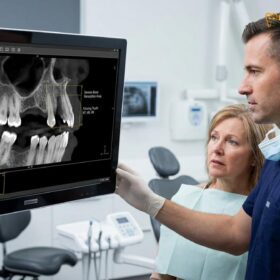
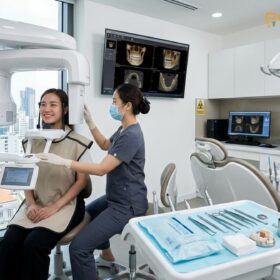
The modern workflow for full mouth reconstruction relies heavily on precision diagnostics. CBCT (Cone Beam Computed Tomography) 3D bone diagnostics provide a volumetric assessment of the patient’s jawbone, allowing the surgeon to evaluate bone density, locate vital anatomical structures (such as the inferior alveolar nerve and maxillary sinus), and virtually plan the exact trajectory of every dental implant. This digital planning translates into guided surgery, where a 3D-printed surgical stent dictates the precise placement of the implant, minimizing surgical trauma and reducing operative time.
In cases where periodontal disease bone loss has compromised the foundation, guided bone regeneration is necessary. To enhance the predictability of these grafts in older adults, clinicians utilize Platelet-Rich Fibrin (PRF). By drawing a small amount of the patient’s blood and centrifuging it, a fibrin matrix rich in leukocytes and autologous growth factors is created. When applied to surgical sites, PRF significantly accelerates angiogenesis (new blood vessel formation) and epithelialization, reducing postoperative pain and swelling [6].
“The application of autologous Platelet-Rich Fibrin in geriatric oral surgery represents a paradigm shift. By harnessing the patient’s own concentrated growth factors, we can overcome the delayed healing responses typically associated with aging and systemic comorbidities, ensuring robust bone regeneration and soft tissue integration.”
For teeth that can be saved but have deep decay approaching the nerve, vital pulp capping using advanced bioceramic materials like MTA (Mineral Trioxide Aggregate) or Biodentine can preserve the tooth’s vitality, avoiding the need for root canal therapy. This conservative approach is highly beneficial in maintaining the proprioception (sensory feedback) of natural teeth within the reconstructed bite.
Transparent Pricing, Global Warranties, and International Patient Support
Tiered pricing models, pre-booking discounts, and comprehensive global warranties make world-class full mouth rehabilitation accessible to international patients and expatriates.
Understanding the financial investment required for full mouth rehabilitation is crucial for patients. As a premier destination for dental tourism in Saigon and a trusted expat clinic, facilities in Ho Chi Minh City offer transparent, tiered pricing structures that deliver exceptional value without compromising on clinical quality or material safety. International billing support and documentation for tax offsets (such as NMETO/IRS deductions) are routinely provided.
According to the latest clinic fee schedule, patients who utilize the WhatsApp pre-booking system receive a substantial 40% discount compared to walk-in rates. The pricing parameters for implant fixtures (excluding the crown) are structured to accommodate various budgets and clinical needs:
- Economy (Dentis/Neo Biotech): Walk-in: ~$770 | WhatsApp pre-booking: From $460 (-40%).
- Economy Plus (Dentium Hàn): Walk-in: ~$900 | WhatsApp pre-booking: From $540 (-40%).
- Standard (Dentium Superline Mỹ / IBS): Walk-in: ~$1,090 | WhatsApp pre-booking: From $655 (-40%).
- Premium (Ritter Đức / B&B Ý): Walk-in: ~$1,600 | WhatsApp pre-booking: From $965 (-40%).
- Premium Plus (Straumann BLT-SLA): Walk-in: ~$1,795 | WhatsApp pre-booking: From $1,080 (-40%).
- High-End (Straumann Active): Walk-in: ~$2,250 | WhatsApp pre-booking: From $1,350 (-40%).
For the restorative phase, a Crown on Implant ranges from a Walk-in rate of ~$260 – $385 down to a WhatsApp pre-booking discount of From $155 – $230 per tooth. For comprehensive Full Mouth Rehabilitation Packages, the savings are significant:
- Full Arch Zirconia Bridge on Implants (All-on-4 / All-on-6): Walk-in: ~$12,000 – $22,000 | WhatsApp pre-booking: From $7,200 – $13,200 per arch.
- Snap-On Overdenture (Implant-supported): Walk-in: ~$5,000 – $8,000 | WhatsApp pre-booking: From $3,000 – $4,800 per arch.
- Full Mouth Crowns (14 crowns per arch, Zirconia HT): Walk-in: ~$3,640 per arch | WhatsApp pre-booking: From $2,184 per arch.
Beyond the initial procedure, long-term peace of mind is guaranteed through global manufacturer warranty cards, offering 10-year to lifetime guarantees on implant fixtures. Furthermore, clinics provide remote post-op checkups via WhatsApp, ensuring continuous care for international patients once they return home. Financial accessibility is further enhanced by 0% interest monthly installment plans for qualifying patients.
When to See a Doctor for Geriatric Dental Rehabilitation
Seniors should seek a comprehensive clinical evaluation if they experience signs of bite collapse, such as chronic jaw pain, frequent headaches, or a noticeable shortening of the lower face. Difficulty chewing fibrous foods, persistent bleeding gums, or the shifting and loosening of remaining teeth are critical indicators of advancing periodontal disease and structural failure. Additionally, if existing dentures have become loose, causing sore spots or requiring excessive adhesive, an assessment for implant-supported alternatives is highly recommended. Early intervention prevents further bone resorption and expands the available treatment options.
Frequently Asked Questions
Is there a maximum age limit for full mouth rehabilitation?
There is no strict upper age limit for full mouth rehabilitation; candidacy is determined by systemic health, bone density, and cognitive ability rather than chronological age. Comprehensive medical clearance ensures that even patients in their 80s or 90s can safely undergo restorative procedures. The focus is on tailoring the treatment plan—such as choosing minimally invasive overdentures instead of complex bone grafting—to match the patient’s physiological resilience and lifestyle needs.
How do dentists perform surgery on patients taking blood thinners?
Dentists manage patients on blood thinners by coordinating with their physician to evaluate INR levels and utilizing local hemostatic agents during surgery. Techniques such as meticulous suturing, Platelet-Rich Fibrin (PRF) application, and tranexamic acid rinses allow for safe procedures without always stopping medication. Discontinuing anticoagulants carries a high risk of stroke or thrombosis, so modern protocols prioritize localized bleeding control over systemic drug holidays.
Is IV sedation safe for seniors over 70?
Yes, IV sedation is highly safe for seniors over 70 when administered by a board-certified anesthesiologist using carefully titrated doses of medications like Midazolam. Continuous EKG, blood pressure, and pulse oximetry monitoring ensure cardiovascular and respiratory stability throughout the procedure. By alleviating severe anxiety and pain, IV sedation actually protects the elderly patient’s heart from the stress-induced spikes in blood pressure that can occur under local anesthesia alone.
Can patients with osteoporosis safely receive dental implants?
Patients with osteoporosis can successfully receive dental implants, provided their bone quality is thoroughly assessed via CBCT scans and their medication history is evaluated. Advanced techniques like guided bone regeneration and modified implant surface technologies help achieve successful osseointegration despite lower bone density. However, patients taking intravenous bisphosphonates require special evaluation due to the risk of osteonecrosis of the jaw (BRONJ).
What is the recovery time for full mouth reconstruction in older adults?
Initial soft tissue healing typically takes 10 to 14 days, while complete bone integration for implants may require 3 to 6 months. Patients are provided with functional temporary restorations during this period, allowing them to eat softly and speak comfortably while the permanent prosthetics are fabricated. Post-operative discomfort is generally managed effectively with prescribed analgesics and localized cold therapy.
References
- The Journal of Prosthetic Dentistry. Vertical dimension of occlusion restoration parameters in geriatric patients. (2021).
- Journal of Clinical Periodontology. Systemic health impacts on osseointegration and biological width. (2020).
- International Journal of Oral and Maxillofacial Surgery. Management of patients on bisphosphonates and anticoagulants. (2019).
- Anesthesia Progress. Pharmacokinetics of conscious sedation in the elderly dental patient. (2022).
- Journal of Esthetic and Restorative Dentistry. Digital smile design and monolithic zirconia outcomes. (2018).
- Clinical Oral Implants Research. Platelet-rich fibrin applications in guided bone regeneration. (2021).
For customized treatment planning, transparent cost estimates, and direct consultation with Dr. Cuong, visit our comprehensive Full Mouth Rehabilitation service page or message our team directly via WhatsApp to receive an instant assessment.