Gastroesophageal reflux disease (GERD) can severely compromise your oral health by bathing the oral cavity in highly acidic stomach fluids, which rapidly dissolve protective enamel. This chemical erosion often leads to severe sensitivity, bite collapse, and structural tooth loss, requiring comprehensive full mouth rehabilitation to restore function, aesthetics, and overall systemic well-being.
Clinical Summary:
When patients report that “GERD ruined my teeth,” they are describing a severe form of intrinsic chemical erosion where gastric acid irreversibly strips hydroxyapatite minerals from the dental structure. Unlike bacterial decay, acid reflux causes rapid, widespread destruction, particularly on the palatal surfaces of the upper teeth. This leads to a collapsed Vertical Dimension of Occlusion (VDO), hypersensitivity, and eventual tooth loss. Clinical management requires a multidisciplinary approach, combining gastroenterological control with advanced Full Mouth Rehabilitation. Restorative protocols utilize Digital Smile Design (DSD), 3D CBCT diagnostics, and biocompatible monolithic zirconia to rebuild the bite. For patients with terminal dentition, implant-supported solutions such as All-on-4/6 bridges or snap-on overdentures provide durable, non-acid soluble replacements. Procedures are often performed under IV conscious sedation to ensure patient comfort, while advanced grafting techniques like Platelet-Rich Fibrin (PRF) can accelerate healing.
Key Takeaways:
- Stomach acid possesses a highly corrosive pH, which aggressively dissolves dental enamel upon contact, leading to rapid structural loss.
- Palatal erosion (cupping and thinning on the back of upper teeth) is the signature clinical sign of GERD-induced damage.
- Restoring a collapsed bite requires re-establishing the Vertical Dimension of Occlusion (VDO) using non-acid soluble monolithic zirconia.
- Full mouth dental implant protocols (All-on-4/6) offer permanent, bio-inert solutions for teeth deemed unsalvageable due to severe erosion.
- IV conscious sedation helps ensure a stress-free restorative experience, minimizing anxiety-induced reflux episodes during treatment.
Chemical Corrosion: How Stomach Acid Instantly Dissolves Dental Enamel
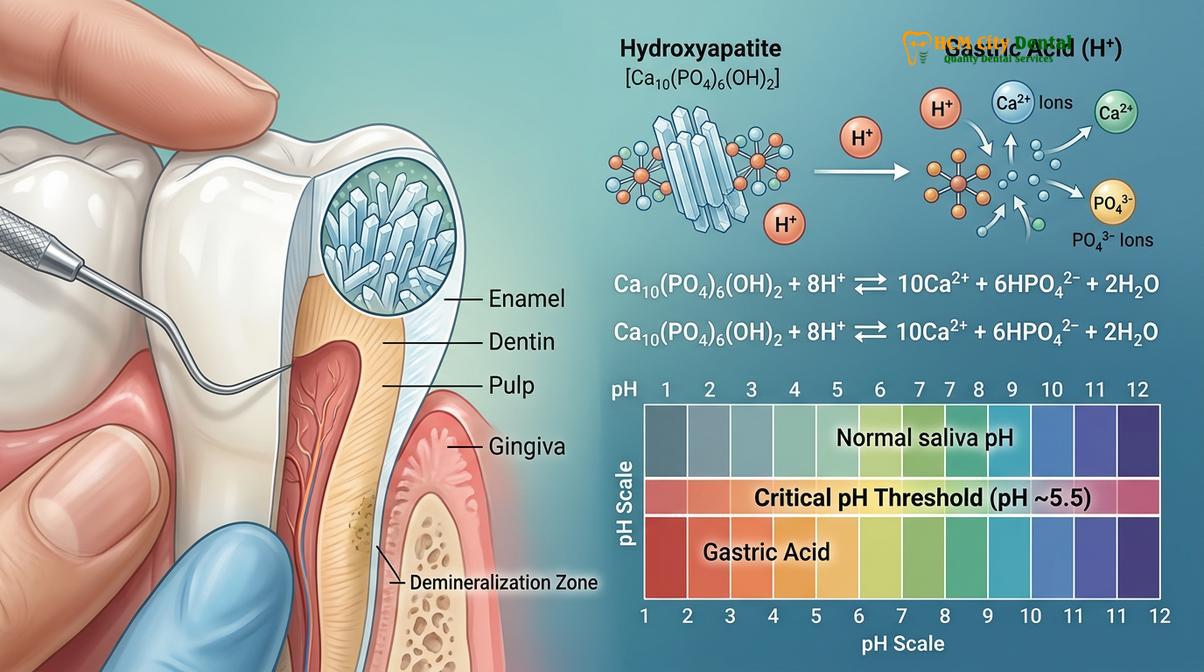
Stomach acid aggressively strips minerals from hydroxyapatite crystals, causing irreversible chemical enamel erosion. Immediate clinical intervention is often required to halt this rapid structural degradation.
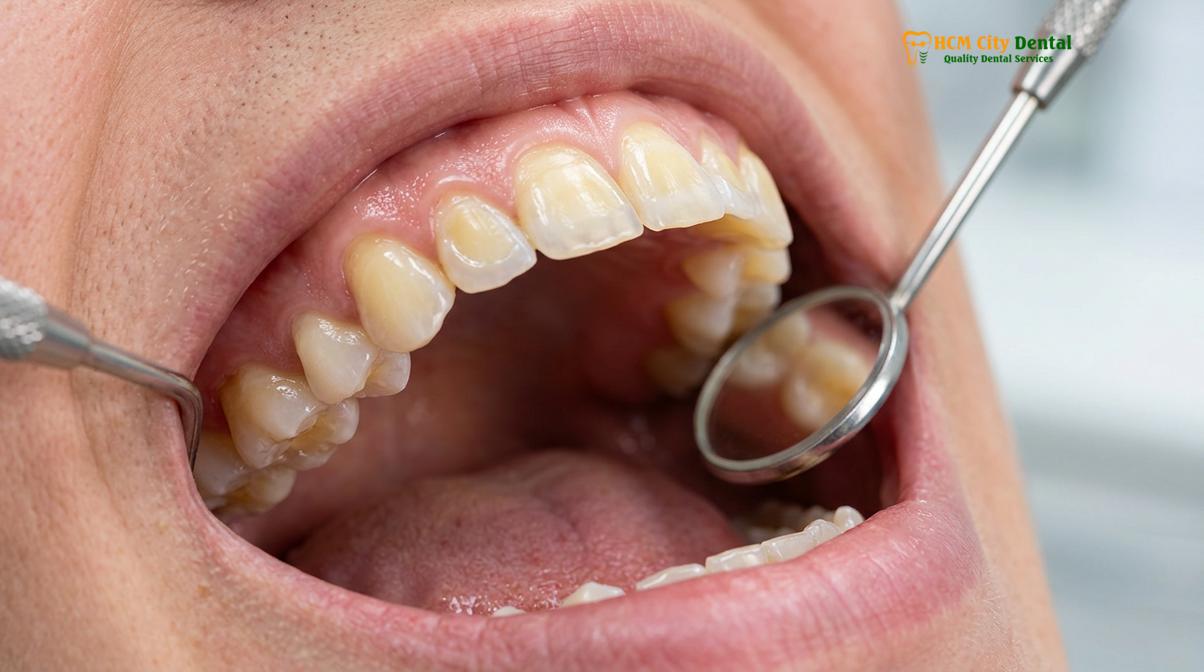
The human oral cavity is a delicate ecosystem that relies on a neutral pH balance to maintain the integrity of dental hard tissues. Enamel, the hardest substance in the human body, is composed primarily of hydroxyapatite crystals. While highly resilient to mechanical forces, enamel is exceptionally vulnerable to chemical dissolution when the ambient pH drops below the critical threshold of 5.5. Gastroesophageal reflux disease (GERD) introduces a catastrophic disruption to this balance. Gastric acid, composed largely of hydrochloric acid, typically registers a pH between 1.5 and 2.0. When the lower esophageal sphincter fails and allows this highly corrosive fluid to enter the oral cavity, it initiates an immediate and aggressive demineralization process[1].
Unlike dental caries, which are caused by localized bacterial acid production, GERD induces widespread chemical enamel erosion. The acid literally washes over the teeth, stripping away calcium and phosphate ions faster than the natural buffering capacity of saliva can replace them. This process is often silent in its early stages. Patients may not realize the extent of the damage until they experience sudden, severe thermal sensitivity or notice that their teeth are becoming transparent at the edges. The loss of enamel exposes the underlying dentin, which is significantly softer and more susceptible to rapid wear and decay.
The implications of this chemical corrosion extend far beyond localized dental pain; they profoundly impact overall systemic health. As the teeth lose their structural integrity, the patient’s ability to masticate food properly is compromised. This can lead to nutritional deficiencies and exacerbate existing gastrointestinal issues, creating a vicious cycle of declining health. Furthermore, the chronic inflammation associated with severe dental degradation can elevate systemic inflammatory markers. Addressing GERD-induced tooth damage is not merely a cosmetic endeavor; it is a critical medical intervention necessary to preserve the patient’s digestive efficiency and overall well-being.
Palatal Erosion: The Signature Pattern of GERD and Bulimia Damages
The hallmark of gastric acid damage is severe cupping and thinning on the palatal surfaces of the upper teeth. This distinct pattern differentiates intrinsic reflux or purging from dietary erosion or mechanical abrasion.
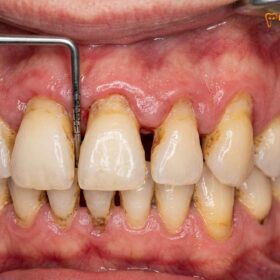
In clinical diagnostics, the pattern of tooth wear provides vital clues regarding its etiology. Dentists are trained to differentiate between attrition (tooth-to-tooth wear), abrasion (wear from foreign objects like aggressive brushing), and erosion (chemical dissolution). When a patient presents with severe damage primarily located on the palatal (tongue-facing) surfaces of the maxillary (upper) anterior teeth, it is a pathognomonic sign of intrinsic acid exposure, commonly seen in both GERD and bulimia nervosa. This specific pattern occurs because the tongue naturally rests against the roof of the mouth, directing the regurgitated gastric acid directly onto the backs of the upper teeth while simultaneously shielding the lower teeth from the brunt of the chemical assault[2].
“Recognizing the distinct pattern of palatal erosion allows clinicians to identify silent acid reflux early. By intervening before the dentin is fully compromised, we can shift the focus from reactive extractions to proactive, conservative rehabilitation.”
As the palatal enamel dissolves, the structural integrity of the anterior teeth is severely compromised. The teeth become thin, brittle, and prone to chipping or fracturing under normal biting forces. The exposed dentin, which is naturally yellow, alters the aesthetic appearance of the smile, leading to significant psychological distress for the patient. Furthermore, the loss of palatal tooth structure alters the anterior guidance of the bite, placing undue stress on the posterior teeth and accelerating the overall collapse of the dental arch.
Protective Restoration Strategies: Restoring Bite Heights with Non-Acid Soluble Ceramics
Rebuilding a collapsed bite requires restoring the Vertical Dimension of Occlusion (VDO) using bio-inert, non-acid soluble ceramics. Digital Smile Design helps ensure precise functional and aesthetic outcomes before final placement.
When GERD has systematically destroyed the occlusal (biting) surfaces of the teeth, the patient experiences a loss of the Vertical Dimension of Occlusion (VDO). This “bite collapse” results in a shortened facial appearance, deep wrinkles around the mouth, temporomandibular joint (TMJ) dysfunction, and chronic muscle fatigue. Reversing this extensive damage requires a highly sophisticated clinical approach known as full mouth rehabilitation. The primary objective is to re-establish the physiologic rest jaw position and rebuild the teeth to their original, healthy dimensions using materials that can withstand the harsh oral environment.
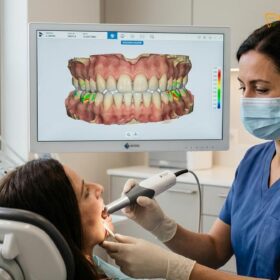
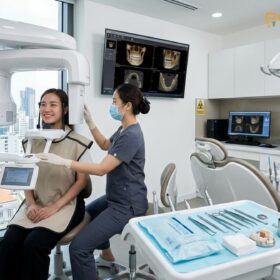
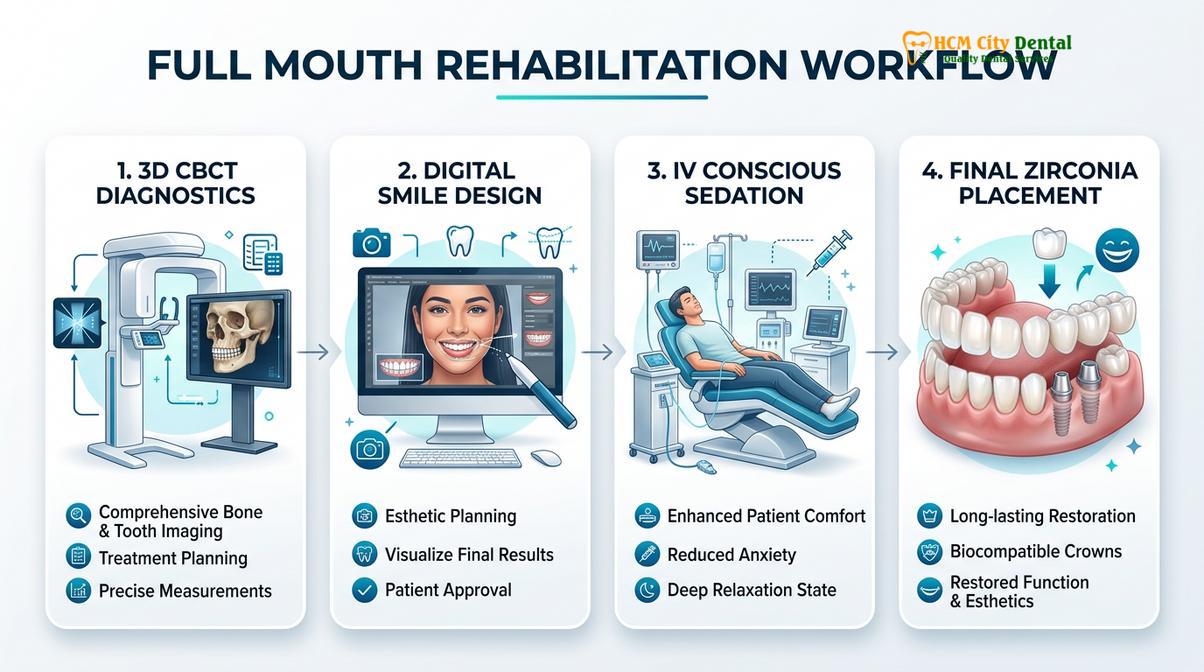
The restorative workflow begins with comprehensive 3D CBCT bone diagnostics and neuromuscular evaluation. Clinicians utilize Digital Smile Design (DSD) to create precise 3D digital mock-ups and tooth wax-ups. This allows the dental team to test phonetic compatibility, chewing guidance, and aesthetic proportions before any irreversible tooth preparation occurs[5]. Diagnostic temporary splints or transitional crowns are often placed to allow the patient’s TMJ and masticatory muscles to adapt to the newly restored VDO. Once the patient is comfortable and asymptomatic, the transition to permanent restorations begins.
For patients suffering from chronic acid reflux, material selection is paramount. Natural enamel has failed; therefore, replacing it with a material susceptible to acid is futile. The gold standard for these restorations is a non-acidic ceramic crown, specifically biocompatible monolithic zirconia. Sourced from premium Swiss and German brands, monolithic zirconia is entirely metal-free, bio-inert, and virtually impervious to chemical enamel erosion. It boasts exceptional flexural strength, making it ideal for restoring posterior bite heights, and can be milled to achieve a highly precise margin fit, ensuring a seamless seal that helps prevent bacterial microleakage.
Transparent Pricing for Full Mouth Rehabilitation
Understanding the financial investment required for extensive reconstruction is vital for patient planning. HCMC Dental Clinic offers transparent pricing with significant advantages for international patients and those utilizing digital pre-booking. The following structure outlines the estimated costs, incorporating a 40% pre-arrival discount for WhatsApp bookings:
| Implant / Restoration Tier | Standard Walk-in Price (Estimated) | WhatsApp Pre-booking Discount (-40%) |
|---|---|---|
| Economy Implant (Dentis/Neo Biotech) | ~$770 (20M VND) | From $460 (12M VND) |
| Standard Implant (Dentium Superline Mỹ / IBS) | ~$1,090 (28.3M VND) | From $655 (17M VND) |
| Premium Implant (Ritter Đức / B&B Ý) | ~$1,600 (41.6M VND) | From $965 (25M VND) |
| High-End Implant (Straumann Active) | ~$2,250 (58.3M VND) | From $1,350 (35M VND) |
| Crown on Implant (Zirconia) | ~$260 – $385 per tooth | From $155 – $230 per tooth |
| Full Arch Zirconia Bridge (All-on-4/6) | ~$12,000 – $22,000 per arch | From $7,200 – $13,200 per arch |
| Full Mouth Crowns (14 crowns/arch, Zirconia HT) | ~$3,640 per arch | From $2,184 per arch |
To further assist patients, HCMC Dental Clinic provides global manufacturer warranty cards with extended implant fixture guarantees. Remote post-op checkups via WhatsApp ensure continuous care for international patients. Financials are supported through 0% interest monthly installment plans and assistance with tax offset documentation.
Advanced Implant Protocols and Bone Regeneration
When teeth are unsalvageable, implant-supported prosthetics offer a permanent, acid-resistant solution. Advanced bone grafting techniques ensure a stable foundation for long-term success.
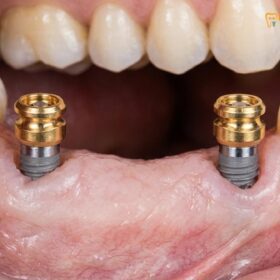
In cases where the teeth are deemed unsalvageable due to profound structural loss or concurrent periodontal disease, implant-supported solutions become necessary. This is particularly relevant in full mouth reconstruction for seniors, where long-term predictability is crucial. Dental implants act as artificial tooth roots, stimulating the jawbone and preventing further bone resorption. Advanced protocols like All-on-4 or All-on-6 structural biomechanics allow for the placement of a full arch zirconia bridge on just four to six implants, providing a stable and highly functional restoration[3].
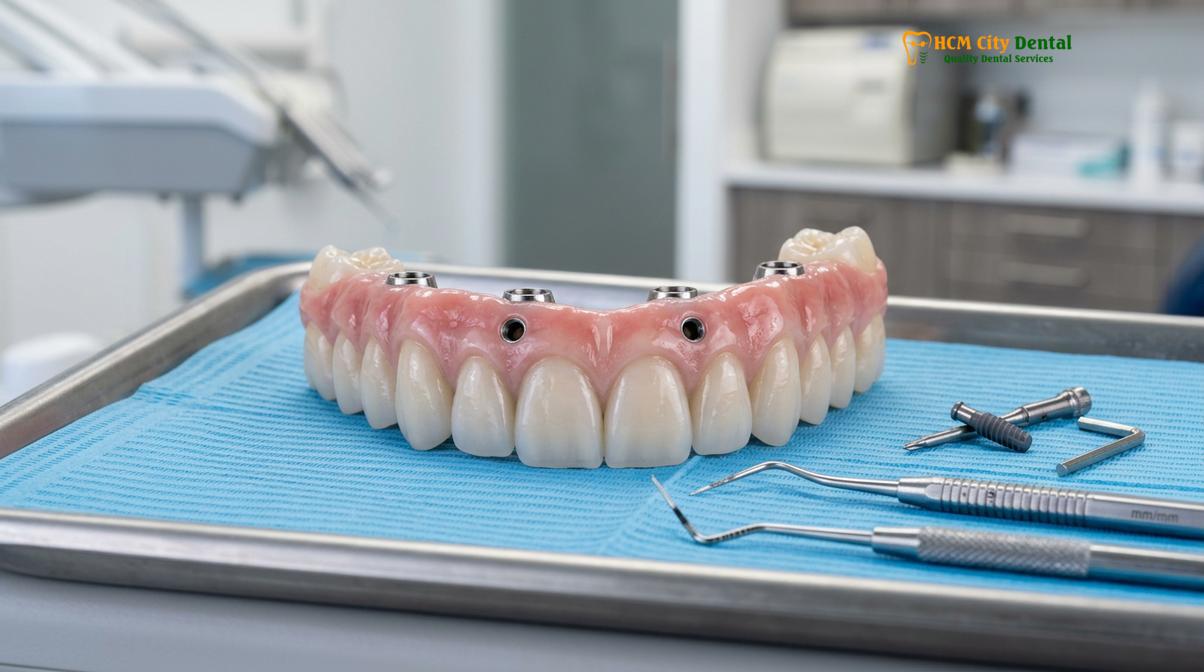
When planning implants for older demographics or those with compromised bone density, clinicians must carefully evaluate the alveolar ridge. To ensure adequate primary stability for the titanium fixtures, advanced grafting techniques are often employed. The use of Platelet-Rich Fibrin (PRF), derived from the patient’s own blood, significantly enhances soft tissue healing and guided bone regeneration. This biological approach accelerates cellular turnover and provides a robust foundation for the implants, even in areas previously affected by chronic inflammation or dental osteoporosis[4].
Medical Management Collaboration: Controlling Acid Reflux During Restorative Treatment
Successful dental restoration for reflux patients mandates a strict GERD recovery protocol coordinated with gastroenterologists. Controlling acid output helps ensure the long-term survival of dental implants and ceramic restorations.
Rebuilding the teeth is only half the battle; protecting the new restorations requires addressing the underlying medical condition. A comprehensive GERD recovery protocol involves close collaboration between the restorative dentist and a board-certified gastroenterologist. Pharmacological management typically includes Proton Pump Inhibitors (PPIs) or H2 receptor antagonists to suppress gastric acid production. Lifestyle modifications—such as elevating the head of the bed, avoiding trigger foods, and refraining from eating within three hours of sleep—are strictly enforced. This medical management is critical because while zirconia crowns are impervious to acid, the underlying natural root structure and the titanium implant-to-bone interface remain vulnerable to chronic acidic inflammation.
“The integration of advanced prosthodontics with dedicated gastroenterological care is the cornerstone of treating GERD-induced dental erosion. Without controlling the acidic environment, even the most sophisticated dental restorations remain at risk of foundational failure.”
During the extensive dental procedures required for full mouth rehabilitation, patient comfort and stress reduction are paramount. Dental anxiety is a known trigger for acute acid reflux episodes. To mitigate this risk, complex procedures are routinely performed under IV conscious sedation. Administered and monitored by a board-certified anesthesiologist, this protocol utilizes medications to induce a deep state of relaxation while maintaining the patient’s independent breathing. Continuous EKG, blood pressure, and pulse oximetry monitoring ensure a safe, anxiety-free experience.
Maintaining Restored Teeth: Alkaline Rinses and Remineralizing Toothpaste
Post-operative care for GERD patients requires specialized oral hygiene routines to neutralize residual acids and protect vulnerable root surfaces from future erosion.
Once the full mouth rehabilitation is complete, maintaining the health of the surrounding gums and any remaining natural tooth structure is essential. Patients with a history of severe acid reflux are advised to adopt a specialized daily oral hygiene regimen. Immediately following an acid reflux episode, patients should avoid brushing their teeth, as the enamel and dentin are temporarily softened and susceptible to mechanical abrasion. Instead, vigorously rinsing with water or a specialized alkaline mouthwash (such as a baking soda solution) helps neutralize the oral pH rapidly.
Furthermore, the daily use of prescription-strength remineralizing toothpaste containing high concentrations of fluoride and bioavailable calcium phosphate is highly recommended. These specialized pastes help fortify any exposed natural root surfaces and strengthen the microscopic seal around the margins of the new zirconia crowns. Regular professional cleanings and biannual checkups are mandatory to monitor the integrity of the restorations and ensure that the underlying periodontal tissues remain healthy and free from acid-induced inflammation.
When to Consult a Specialist for Acid Reflux Tooth Damage
Early intervention is critical to preventing irreversible nerve damage and tooth loss. Recognizing the early warning signs of chemical erosion can save patients from requiring extensive surgical reconstructions.
According to general guidelines aligned with the Vietnam Odonto-Stomatology Association (VOSA), patients experiencing unexplained thermal sensitivity, visible thinning of the palatal enamel, or a sudden yellowing of their teeth should seek immediate prosthodontic evaluation. Waiting until the teeth begin to chip or fracture significantly complicates the restorative process and increases the likelihood of requiring root canal therapy or extractions.
Dr. Nguyen Van Cuong, a leading restorative specialist, emphasizes that managing severe erosive wear requires a holistic view of the patient’s systemic health. At HCMC Dental Clinic, his clinical approach integrates advanced prosthodontics with careful medical coordination to ensure long-lasting outcomes for complex rehabilitation cases. By utilizing digital diagnostics and biocompatible materials, Dr. Cuong aims to provide patients with a durable defense against ongoing acid exposure.
Important Clinical Note: If you experience a sudden acid reflux episode, do not brush your teeth immediately. Brushing softened enamel can accelerate structural loss. Rinse thoroughly with water or an alkaline solution and wait at least 30 to 60 minutes before brushing.
Clinical Case Study: Comprehensive Rehabilitation
A 58-year-old patient visiting HCMC Dental Clinic in Ho Chi Minh City presented with severe bite collapse and hypersensitivity due to decades of unmanaged GERD. Clinical examination revealed profound palatal erosion and a significant loss in VDO. The patient was highly anxious and had avoided dental care for years. The clinical team initiated a collaborative treatment plan, first referring the patient to a gastroenterologist to stabilize the acid reflux. Once medically cleared, the patient underwent full mouth rehabilitation under IV conscious sedation. The treatment involved 3D CBCT planning, raising the VDO using diagnostic splints, and ultimately placing biocompatible monolithic zirconia crowns. The use of sedation helped prevent any reflux episodes during the lengthy preparation appointments. Today, the patient enjoys restored masticatory function and remains symptom-free through strict adherence to their GERD maintenance protocol.
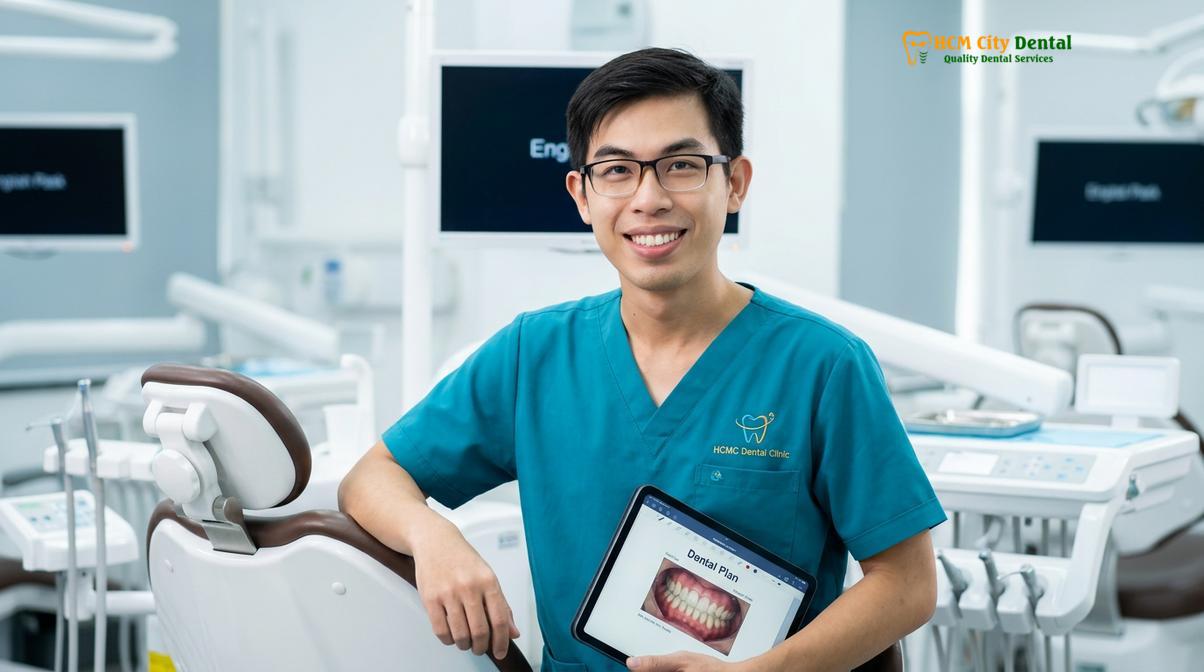
If you are experiencing severe enamel erosion or bite collapse due to chronic acid reflux, specialized intervention can help restore your smile and function. Contact HCMC Dental Clinic in Ho Chi Minh City to schedule a comprehensive consultation and explore advanced options for Full Mouth Rehabilitation tailored to your unique clinical needs.
References
- Journal of the American Dental Association. The impact of gastroesophageal reflux disease on dental erosion and oral health.
- International Journal of Prosthodontics. Restoring the vertical dimension of occlusion in severe tooth wear cases.
- Clinical Oral Implants Research. Biomechanical load distribution in All-on-4 and All-on-6 implant restorations.
- Journal of Clinical Periodontology. Platelet-rich fibrin and guided bone regeneration in compromised alveolar ridges.
- Journal of Esthetic and Restorative Dentistry. Digital smile design and monolithic zirconia in full mouth rehabilitation.
For customized treatment planning, transparent cost estimates, and direct consultation with Dr. Cuong, visit our comprehensive Full Mouth Rehabilitation service page or message our team directly via WhatsApp to receive an instant assessment.