Persistent bad breath, clinically known as halitosis, is a pervasive condition that carries significant psychological and social burdens. For many individuals, the daily struggle involves a constant cycle of brushing, flossing, and relying on breath mints, only to find that the unpleasant odor inevitably returns. This frustration stems from a fundamental misunderstanding of where chronic oral malodor originates. It is rarely just a lingering effect of pungent foods like garlic or onions; rather, it is most often a symptom of an active, underlying bacterial infection within the oral cavity. Hardened calculus and mature subgingival biofilm act as fortified strongholds for odor-causing bacteria, completely shielded from the reach of standard at-home hygiene tools.
A professional dental cleaning serves as the definitive intervention for this condition. By utilizing advanced clinical instrumentation, dental professionals can physically eradicate these hidden bacterial reservoirs. This process does not merely mask the odor; it neutralizes the production of volatile sulfur compounds at their very source. Through targeted clinical debridement, scaling, and root planing, a comprehensive cleaning restores the biological balance of the oral microbiome, offering patients a scientifically backed pathway to long-lasting oral freshness and improved periodontal health.
Clinical Summary:
Halitosis is primarily driven by Gram-negative anaerobic bacteria metabolizing salivary proteins and cellular debris into foul-smelling volatile sulfur compounds (VSCs). These bacterial colonies thrive in oxygen-depleted environments, particularly beneath the gumline and within the deep fissures of the posterior tongue. While meticulous at-home hygiene is essential for daily maintenance, only professional clinical interventions—such as ultrasonic scaling and Guided Biofilm Therapy (GBT)—can safely and effectively dismantle calcified tartar and mature subgingival plaque. By addressing these hidden bacterial factories directly, dental professionals provide an evidence-based resolution to chronic oral malodor, shifting the clinical focus from temporarily masking odors with cosmetic mouthwashes to achieving comprehensive periodontal health and sustained breath freshness.
Key Takeaways:
- Professional cleanings physically remove hardened calculus that traps odor-causing anaerobic bacteria beneath the gumline.
- Ultrasonic scaling disrupts mature subgingival biofilm via the physical cavitation effect, flushing out deep periodontal pockets.
- Guided Biofilm Therapy (GBT) utilizes ultra-fine erythritol powder to safely polish enamel and eradicate sticky plaque without damaging tissues.
- Commercial mouthwashes generally offer only temporary cosmetic relief by masking volatile sulfur compounds rather than removing their source.
- Deep cleaning (scaling and root planing) is clinically necessary for resolving plaque-induced gingivitis, which is a major contributor to halitosis.
- Systemic causes of bad breath are rare compared to oral causes, making a dental cleaning the primary diagnostic and therapeutic step.
Volatile Sulfur Compounds
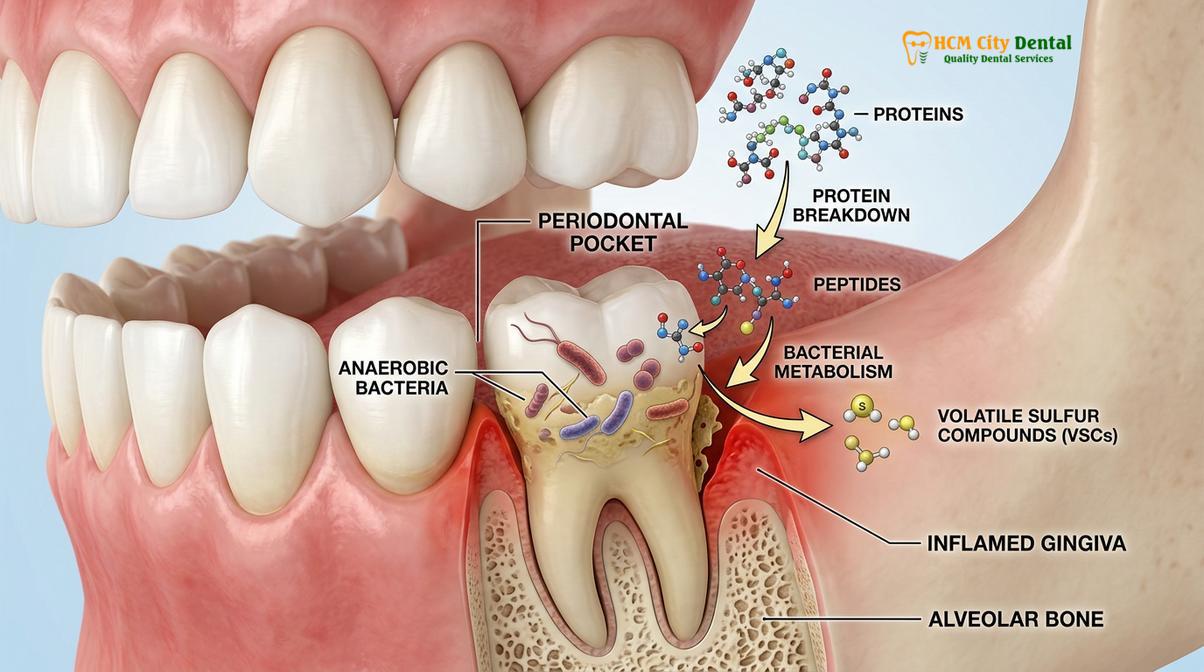
Volatile sulfur compounds (VSCs) are the primary chemical culprits behind chronic oral malodor, produced when anaerobic bacteria break down proteins in the mouth.
To fully comprehend how a professional dental cleaning resolves bad breath, one must first examine the biochemical origins of oral malodor. In the vast majority of clinical cases, halitosis is not merely a symptom of dietary choices; it is the direct result of complex microbial metabolism occurring continuously within the oral cavity. The human mouth hosts a highly diverse microbiome consisting of hundreds of distinct bacterial species. Among these, Gram-negative anaerobic bacteria are the primary agents responsible for producing foul odors. These specific bacteria thrive in oxygen-depleted (anaerobic) environments, such as the deep crevices of the tongue dorsum, the tight interproximal spaces between teeth, and, most notably, within the gingival sulcus—the shallow, V-shaped space between the tooth and the surrounding gum tissue.
When food debris, exfoliated epithelial cells, and salivary proteins accumulate in these oxygen-poor zones, anaerobic bacteria begin to metabolize the sulfur-containing amino acids present in these organic materials. The two primary amino acids targeted by these bacteria are cysteine and methionine. The enzymatic degradation of these amino acids yields highly odorous, gaseous byproducts known collectively as volatile sulfur compounds (VSCs)[1]. The three most prominent VSCs associated with clinical halitosis are hydrogen sulfide, which emits a pungent odor reminiscent of rotten eggs; methyl mercaptan, which smells strongly of decaying cabbage or feces; and dimethyl sulfide, which has a sweet, yet distinctly unpleasant, cabbage-like odor that is often associated with blood-borne or systemic halitosis.
The concentration of these volatile sulfur compounds in a patient’s breath directly correlates with the severity of their perceived bad breath. Furthermore, VSCs are not merely cosmetic nuisances that affect social interactions; they are biologically active, toxic molecules that actively contribute to the pathogenesis of periodontal disease. Methyl mercaptan, for instance, has been shown in clinical studies to significantly increase the permeability of the oral mucosa. This increased permeability allows bacterial toxins, such as lipopolysaccharides (LPS), to penetrate more deeply into the underlying gingival tissues. Additionally, VSCs inhibit the synthesis of collagen, a crucial structural protein required for maintaining healthy, firm gums, thereby accelerating tissue breakdown and exacerbating localized inflammation. Therefore, the presence of VSCs is both a symptom of bacterial overgrowth and a catalyst for further periodontal destruction.
“The eradication of volatile sulfur compounds requires more than superficial masking; it demands the mechanical disruption of the anaerobic bacterial colonies that synthesize these gases. Without professional intervention to remove the protective biofilm, the biochemical production of VSCs will continue unabated, perpetuating both oral malodor and periodontal tissue degradation.”
Subgingival Bacterial Factories
The spaces beneath the gumline act as protected reservoirs where anaerobic bacteria multiply, form calcified tartar, and continuously emit foul odors.
The transition from occasional, easily managed morning breath to chronic, persistent halitosis is heavily dependent on the development of subgingival bacterial factories. The anatomy of the periodontium—the specialized tissues that both surround and support the teeth—plays a critical role in this pathological process. In a healthy state, the gingival sulcus is a very shallow crevice, typically measuring between 1 to 3 millimeters in depth. This shallow depth allows oxygen from the ambient air to penetrate the space and permits the mechanical bristles of a standard toothbrush to sweep away accumulating plaque effectively during daily hygiene routines.
However, when plaque is allowed to accumulate undisturbed at the gingival margin, the body’s immune system responds to the bacterial endotoxins by initiating an inflammatory cascade. This condition, clinically diagnosed as plaque-induced gingivitis, causes the gum tissue to swell, become erythematous (red), bleed easily upon probing, and detach slightly from the tooth surface. As the gingival tissue detaches, the once-shallow sulcus deepens into a pathological space known as a periodontal pocket. These deepened pockets create an ideal, highly protected, oxygen-deprived microenvironment for anaerobic bacteria to flourish and multiply exponentially. According to clinical guidelines from the Vietnam Odonto-Stomatology Association (VOSA), managing these subgingival environments through professional debridement is a critical step in both periodontal disease control and comprehensive halitosis prevention[6].
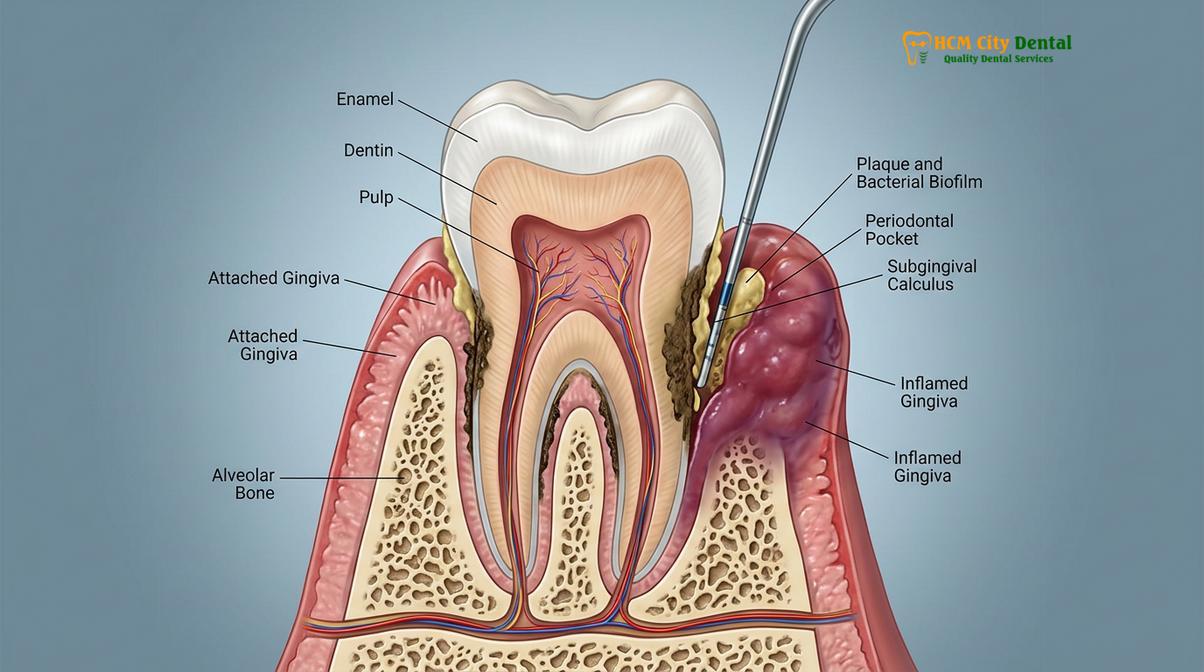
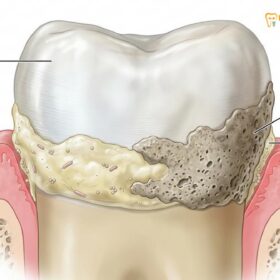
Within these deep periodontal pockets, the bacterial biofilm undergoes a gradual process of mineralization, transforming from a soft, sticky plaque into hard, subgingival calculus (tartar). This mineralization is driven by the precipitation of calcium and phosphate ions naturally present in saliva and gingival crevicular fluid. Unlike supragingival calculus (tartar located above the gumline), which is often yellowish or white and relatively easy to spot, subgingival calculus is typically dark brown, green, or black. This dark coloration is due to the incorporation of blood pigments (hemosiderin) from the chronically bleeding, inflamed gums. Subgingival calculus is exceptionally tenacious, adhering firmly to the microscopic irregularities of the root cementum. It acts as a constant physical irritant to the adjacent soft tissues and provides a vast, highly porous surface area for continuous bacterial colonization, making it impossible to remove with a toothbrush or dental floss.
Systemic Causes
While the vast majority of halitosis cases originate in the mouth, systemic conditions and extra-oral factors must be considered when dental causes are ruled out.
Although dental professionals emphasize that 85% to 90% of all halitosis cases are of oral origin (intra-oral halitosis), a comprehensive clinical approach must also account for systemic causes, known as extra-oral halitosis (EOH). When a patient presents with chronic bad breath, the first and most crucial diagnostic step is a thorough dental examination and a professional cleaning. If the malodor persists after all calculus, biofilm, and periodontal pockets have been meticulously managed, the clinician must then investigate potential systemic pathways.
Extra-oral halitosis can originate from several different systems within the body. The most common non-dental source is the ear, nose, and throat (ENT) region. Conditions such as chronic sinusitis, post-nasal drip, and tonsillitis can create environments where bacteria thrive. Tonsilloliths, commonly known as tonsil stones, are calcified clusters of debris, mucus, and bacteria that lodge in the tonsillar crypts, emitting a profoundly foul odor that mimics severe dental halitosis. Moving further down the digestive tract, gastrointestinal issues can also contribute to bad breath. Gastroesophageal reflux disease (GERD) allows stomach acids and undigested food odors to travel back up the esophagus into the oral cavity. Additionally, infections caused by the bacterium Helicobacter pylori, which is associated with stomach ulcers, have been linked to elevated levels of volatile sulfur compounds in the breath.
Metabolic and systemic diseases can also manifest through distinct breath odors, as volatile byproducts of systemic dysfunction are absorbed into the bloodstream and exhaled through the lungs. For example, patients with uncontrolled diabetes may experience diabetic ketoacidosis, which imparts a distinct, sweet, fruity, or acetone-like odor to the breath. Individuals suffering from advanced chronic kidney disease or renal failure may exhibit “uremic fetor,” a breath odor that smells strongly of ammonia or urine due to the body’s inability to filter urea effectively. Similarly, severe hepatic (liver) failure can produce “fetor hepaticus,” characterized by a musty, sweet, and slightly fecal odor.
| Source of Halitosis | Common Clinical Causes | Primary Odor Characteristics | First-Line Intervention |
|---|---|---|---|
| Intra-Oral (85-90%) | Subgingival calculus, periodontal pockets, tongue coating, untreated caries. | Rotten eggs, decaying cabbage, fecal (Hydrogen Sulfide, Methyl Mercaptan). | Professional dental cleaning, scaling and root planing, tongue debridement. |
| ENT / Respiratory | Tonsilloliths (tonsil stones), chronic sinusitis, post-nasal drip. | Cheesy, putrid, or stagnant mucus odor. | ENT consultation, tonsil crypt flushing, sinus management. |
| Gastrointestinal | GERD, Helicobacter pylori infection, bowel obstruction. | Acidic, sour, or distinctly fecal odor. | Gastroenterology referral, antacids, antibiotic therapy for H. pylori. |
| Metabolic / Systemic | Diabetic ketoacidosis, chronic renal failure, hepatic failure. | Fruity/acetone (Diabetes), Ammonia/urine (Renal), Musty/sweet (Hepatic). | Immediate medical management of the underlying systemic disease. |
Because the overwhelming majority of bad breath originates from the teeth and gums, undergoing a professional dental cleaning is the most logical and effective way to begin the diagnostic process. By eliminating the most common variables—plaque, calculus, and gingivitis—dentists can clearly determine whether a referral to a physician or an ENT specialist is clinically warranted.
Why Mouthwash Only Masks
Commercial mouthwashes temporarily neutralize surface odors but fail to penetrate calcified tartar or disrupt the deep bacterial colonies responsible for halitosis.
Faced with the embarrassment of persistent bad breath, many individuals instinctively turn to commercial mouthwashes as a primary, quick-fix solution. The oral care aisle is heavily saturated with products promising instant freshness, the eradication of odor-causing bacteria, and long-lasting confidence. However, from a strict clinical standpoint, relying solely on mouthwash to treat chronic halitosis is fundamentally flawed and ultimately ineffective. To understand why, one must clearly differentiate between cosmetic masking agents and true therapeutic interventions.
The vast majority of over-the-counter mouthwashes are purely cosmetic in nature. They typically contain strong flavoring agents, such as menthol, eucalyptol, or peppermint oil, which provide a robust, pleasant scent that temporarily overpowers the foul odor of volatile sulfur compounds. Some formulations also include oxidizing agents, like chlorine dioxide or zinc salts, which can chemically neutralize VSCs on contact, converting them into non-odorous compounds. While these chemical mechanisms can provide a brief window of fresh breath—often lasting only 30 to 60 minutes—they do absolutely nothing to address the underlying source of the problem: the calcified tartar and the mature subgingival biofilm.
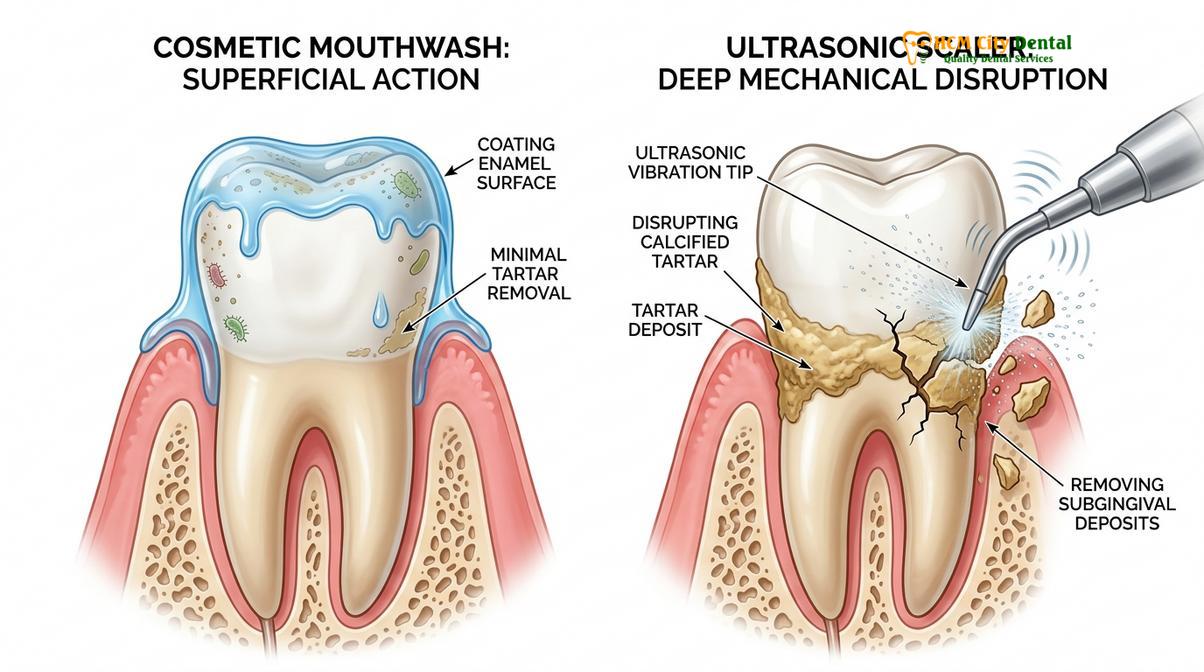
Mature dental plaque is not merely a loose, disorganized collection of bacteria floating in the mouth; it is a highly organized, complex biofilm. The bacteria within this biofilm secrete a sticky, protective extracellular polymeric substance (EPS) matrix. This slimy, structural matrix acts as a formidable biological barrier, shielding the bacterial colonies from environmental threats, including the active ingredients found in antimicrobial mouthwashes. Even therapeutic mouthwashes containing potent antibacterial agents, such as chlorhexidine gluconate or cetylpyridinium chloride, struggle to penetrate the dense EPS matrix of a mature biofilm. Furthermore, these liquid rinses are entirely powerless against the rock-hard, mineralized structure of calcified calculus.
Therefore, attempting to cure chronic bad breath with mouthwash is akin to spraying air freshener in a room with a hidden source of decay. The pleasant scent temporarily masks the odor, but the underlying putrefaction continues unabated. True clinical resolution requires the physical, mechanical disruption and removal of the biofilm and calculus. Once a professional dental cleaning has dismantled these bacterial fortresses, therapeutic mouthwashes can then be used effectively as an adjunct to daily hygiene, helping to control free-floating (planktonic) bacteria and delay the reformation of new plaque.
Deep Cleaning & Tongue Debridement
Advanced clinical protocols combine ultrasonic scaling, targeted tongue debridement, and airflow polishing to comprehensively eradicate odor-causing biofilm and calculus.
The definitive treatment for halitosis originating from oral sources is a comprehensive professional dental cleaning, often referred to as prophylaxis or, in cases of gum disease, scaling and root planing. Modern dental hygiene has evolved significantly beyond the traditional, often uncomfortable, hand-scraping techniques of the past. Today, advanced dental clinics employ sophisticated technologies and evidence-based protocols to achieve profound subgingival debridement while maximizing patient comfort and preserving the integrity of the natural enamel.
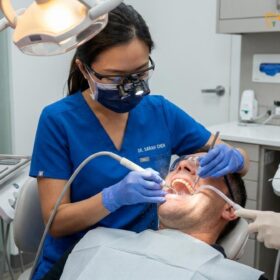
Clinical evidence strongly supports the efficacy of ultrasonic scaling over traditional hand instrumentation for the rapid and thorough debridement of subgingival spaces[2]. Ultrasonic scalers, whether magnetostrictive or piezoelectric, provide a highly lethal mechanism against anaerobic bacteria known as the cavitation effect. As the metal tip of the scaler vibrates at incredibly high frequencies (typically between 25,000 and 30,000 cycles per second), it creates millions of microscopic vacuum bubbles in the accompanying cooling water spray. When these bubbles collapse against the tooth surface, they generate powerful localized shockwaves and acoustic microstreaming. This hydrodynamic force is strong enough to literally tear apart the cell walls of bacteria residing deep within the periodontal pockets, effectively flushing out the bacterial factories. For patients with established gum disease, this non-surgical approach remains the gold standard for halting disease progression and eliminating malodor[5].
Guided Biofilm Therapy (GBT)
For the ultimate in preventive care and halitosis management, many modern practices feature the premium Swiss EMS Guided Biofilm Therapy (GBT) protocol. GBT represents a massive paradigm shift in professional prophylaxis, moving away from blind scaling to a highly targeted, minimally invasive, and patient-friendly approach. Clinical outcomes consistently demonstrate that GBT is highly effective in maintaining periodontal health and drastically reducing the bacterial load responsible for bad breath[3].
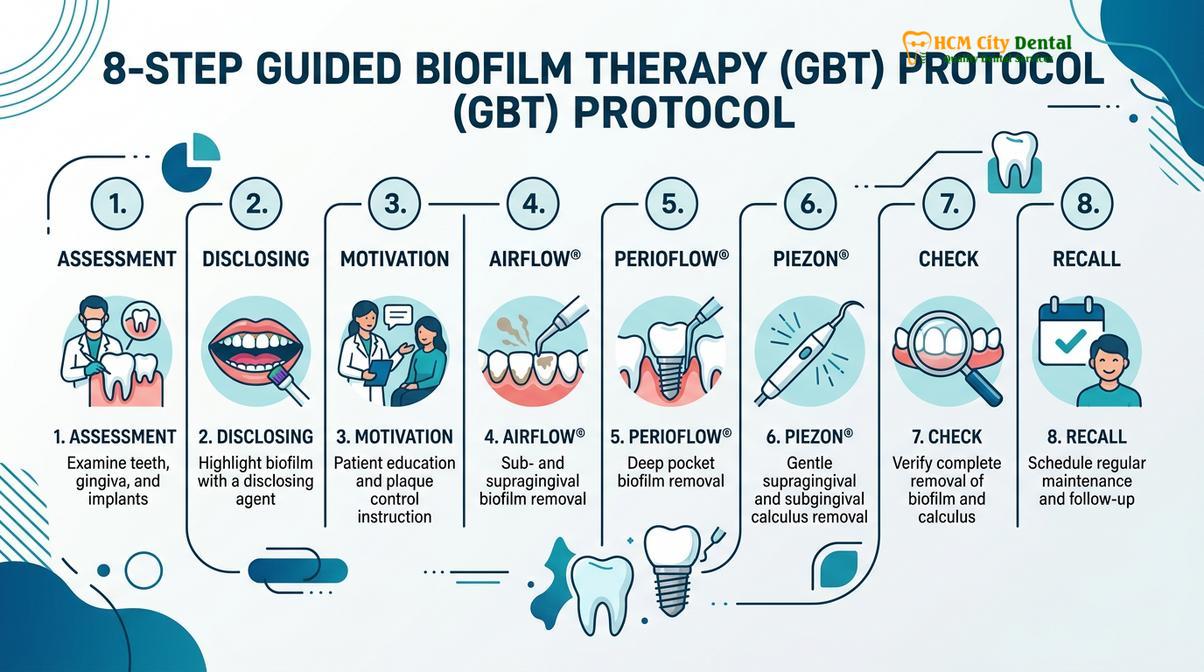
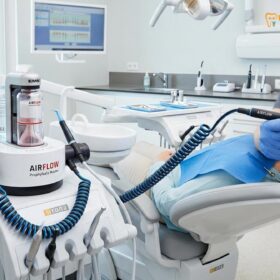
A critical component of the GBT protocol is the use of Airflow technology. Instead of using abrasive prophy pastes and rotating rubber cups that can scratch the enamel, Airflow utilizes a precisely controlled stream of warm water, compressed air, and ultra-fine erythritol powder. Erythritol, with a microscopic grain size of just 14 to 25 microns, is significantly finer and far less abrasive than traditional sodium bicarbonate powders. Studies confirm the safety and efficacy of erythritol air-polishing, showing it can thoroughly eradicate sticky biofilm from the enamel surface, around orthodontic brackets, and deep within periodontal pockets without scratching natural teeth or delicate restorative materials like porcelain veneers or dental implants[4].
“The integration of ultra-fine erythritol powder in modern biofilm therapy allows clinicians to achieve a level of microscopic cleanliness previously unattainable. This technology safely neutralizes the bacterial precursors to volatile sulfur compounds, ensuring profound breath freshness without compromising the structural integrity of the tooth.”
In addition to cleaning the teeth and gums, a comprehensive halitosis treatment must address the tongue. The posterior dorsum of the tongue is covered in tiny hair-like structures called filiform papillae, which create a massive surface area that easily traps bacteria, dead cells, and food debris. During a professional cleaning, the hygienist or dentist will often perform targeted tongue debridement using specialized scrapers or ultrasonic tools to remove this dense bacterial coating, eliminating a major source of VSC production.
When to Seek Professional Care
Recognizing the signs of pathological halitosis ensures timely intervention before minor plaque accumulation progresses into severe, irreversible periodontal disease.
While occasional morning breath is a normal physiological occurrence due to reduced salivary flow during sleep, persistent malodor that survives brushing and flossing requires clinical evaluation. Patients should seek professional dental care immediately if their bad breath is accompanied by bleeding gums during brushing, visible yellow or brown tartar buildup along the gumline, a constant metallic or sour taste in the mouth, or gums that appear red, swollen, and tender. These are classic, undeniable indicators that the bacterial load has exceeded what at-home hygiene can manage, and that periodontal destruction may already be underway.
Dr. Nguyen Van Cuong, a leading periodontal expert, emphasizes that chronic halitosis requires a precise, evidence-based diagnostic approach rather than superficial masking with mints or rinses. By utilizing advanced ultrasonic debridement and targeted biofilm therapy, Dr. Cuong ensures that the root causes of oral malodor are thoroughly and safely eradicated. This meticulous clinical focus promotes both optimal breath freshness and long-term gingival health, allowing patients to regain their confidence in social and professional settings.
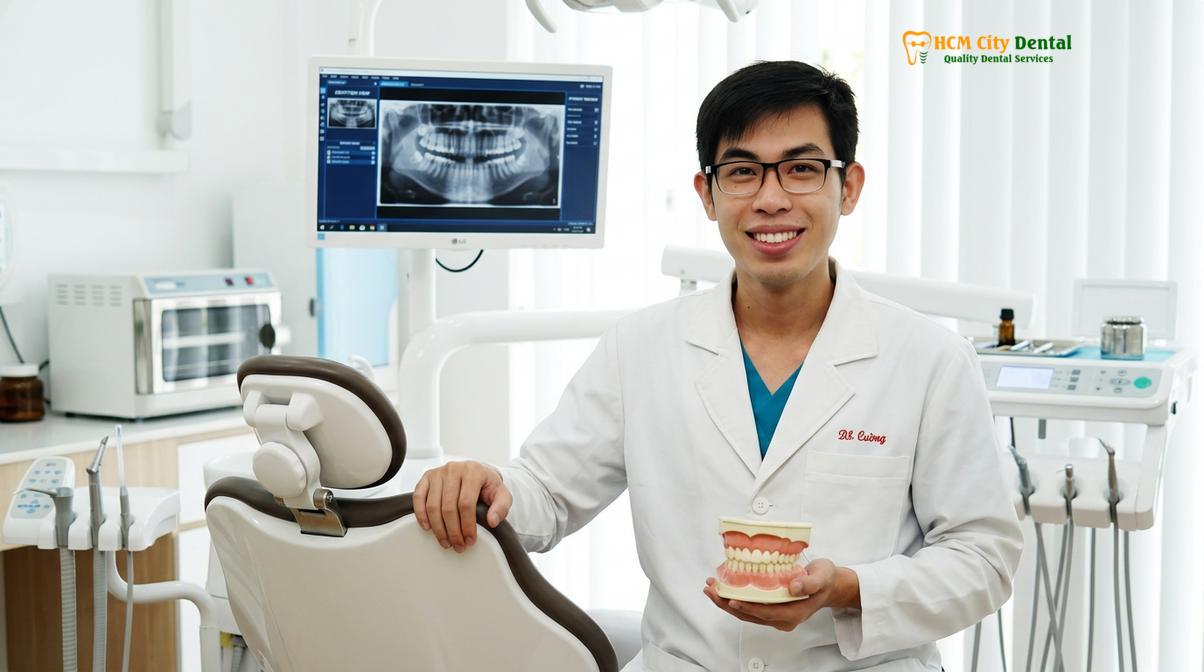
Ready to address the root cause of chronic bad breath? Schedule a comprehensive Dental Cleaning tại HCMC Dental Clinic in Ho Chi Minh City to experience advanced biofilm eradication, remove stubborn calculus, and restore your oral confidence today.
References
- Journal of Clinical Periodontology. The role of volatile sulfur compounds in oral malodor.
- International Journal of Dental Hygiene. Efficacy of ultrasonic scaling versus hand instrumentation in subgingival debridement.
- Journal of Periodontology. Clinical outcomes of Guided Biofilm Therapy in periodontal maintenance.
- Clinical Oral Investigations. Safety and efficacy of erythritol air-polishing powder on dental enamel and restorations.
- Journal of the American Dental Association. Evidence-based clinical practice guideline on the nonsurgical treatment of chronic periodontitis.
- Vietnam Odonto-Stomatology Association (VOSA). Guidelines on periodontal disease management and halitosis prevention.