Holistic pediatric dentistry is a comprehensive, whole-body approach to children’s oral health that integrates biocompatible materials, early airway development, and minimally invasive techniques. By focusing on root-cause prevention rather than merely treating symptoms, this methodology aims to support optimal craniofacial growth and systemic wellness from infancy through adolescence.
Clinical Summary:
Holistic pediatric dentistry represents a paradigm shift in early oral healthcare, moving beyond traditional drill-and-fill mechanics to embrace a systemic, preventative philosophy. This approach prioritizes the use of non-toxic, biocompatible materials—such as BPA-free sealants and metal-free restorations—to safeguard developing endocrine and neurological systems. Furthermore, biological pediatric care places a strong emphasis on myofunctional development, actively screening for airway restrictions, tongue-ties, and mouth breathing habits that can alter craniofacial growth and impact sleep quality. By integrating nutritional counseling, nano-hydroxyapatite remineralization, and stress-free behavioral techniques, holistic practitioners aim to establish a foundation of lifelong health, recognizing that a child’s oral cavity is the gateway to their overall physiological well-being.
Key Takeaways:
- Holistic pediatric care evaluates the interconnectedness of oral health, airway patency, and systemic development.
- Biocompatible materials, including BPA-free sealants and metal-free composites, are utilized to minimize toxic exposure.
- Nano-hydroxyapatite serves as a safe, effective, and non-toxic alternative for enamel remineralization.
- Early screening for tongue-ties and mouth breathing is critical for guiding proper jaw growth and supporting healthy sleep.
- Establishing a psychologically safe, stress-free dental environment early helps prevent long-term dental anxiety.
Holistic Pediatric Dentistry: Nurturing Developing Health
Holistic pediatric dentistry focuses on the interconnectedness of a child’s oral health and their systemic development, utilizing biocompatible materials and proactive diagnostics to foster lifelong wellness.
The foundation of pediatric oral health extends far beyond the mere absence of dental caries. In the realm of biological dentistry, the oral cavity is recognized as a dynamic ecosystem that profoundly influences a child’s overall physiological development. Holistic pediatric dentistry operates on the principle that every intervention, material used, and diagnostic assessment should support the child’s systemic health. This approach shifts the clinical focus from reactive disease management to proactive health optimization, ensuring that the developing body is not burdened by toxic materials or unrecognized structural impediments.
At HCMC Dental Clinic in Ho Chi Minh City, Dr. Nguyen Van Cuong leads a compassionate team dedicated to biological pediatric care. Dr. Cuong emphasizes that treating children requires a deep understanding of their developing physiology, ensuring every procedure supports long-term wellness. Under his guidance, the clinic integrates advanced diagnostics with minimally invasive techniques, providing a safe environment for young patients seeking comprehensive General Dentistry services.
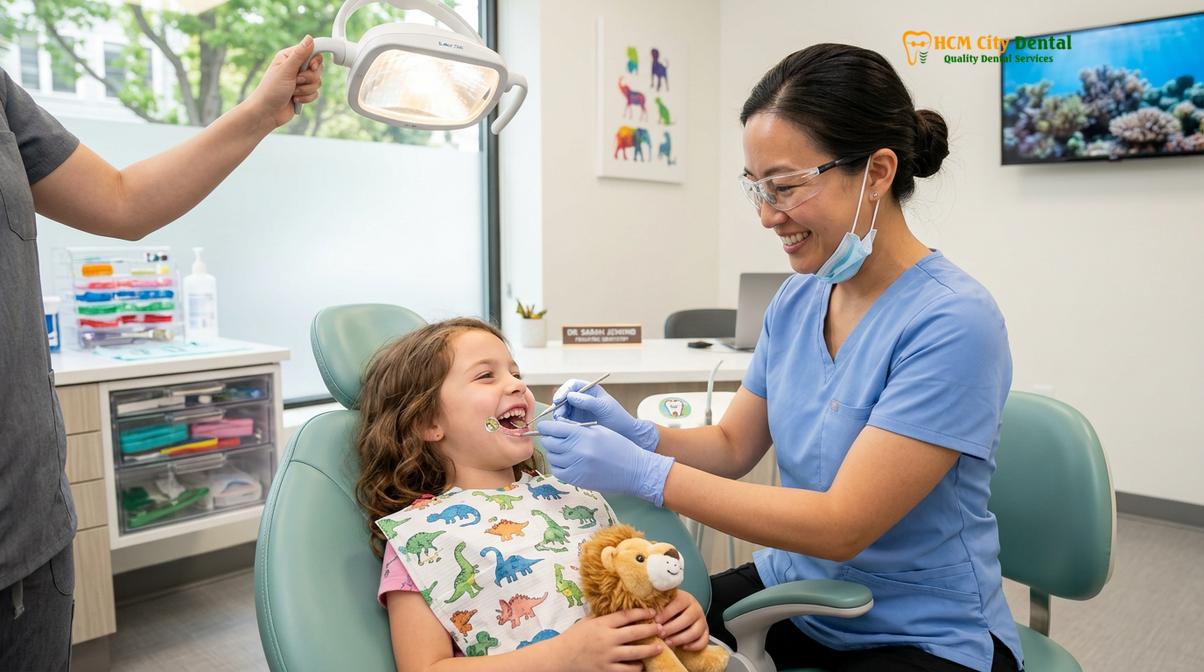
During the critical stages of childhood, the craniofacial structures undergo rapid growth and remodeling. The maxilla and mandible are not just housing for the teeth; they form the structural boundaries of the upper airway. Consequently, a holistic evaluation encompasses a thorough analysis of how the child breathes, swallows, and rests their tongue. By identifying subtle deviations in these myofunctional habits early, practitioners can intervene to guide proper facial growth, potentially reducing the future need for complex orthodontic interventions or invasive airway surgeries.
“In pediatric care, our responsibility is not just to fix a broken tooth, but to understand why the tooth broke down in the first place. By addressing airway function, nutrition, and utilizing biocompatible materials, we are setting the stage for a lifetime of systemic health.”
The integration of natural dental care involves a meticulous review of the child’s medical history, dietary habits, and sleep patterns. This comprehensive data collection allows the dental team to formulate highly individualized treatment plans. Whether it involves guiding a parent through the transition to non-toxic oral care products or coordinating with pediatricians and myofunctional therapists, the holistic pediatric dentist acts as a central figure in the child’s broader healthcare team.
Why We Use BPA-Free Sealants and Metal-Free Fillings in Kids
We prioritize BPA-free sealants and metal-free composite or glass ionomer fillings to eliminate toxic exposures and ensure biocompatibility during critical developmental stages.
Dental sealants are a highly effective preventative measure, designed to flow into the deep pits and fissures of newly erupted molars, creating a physical barrier against cariogenic bacteria. However, conventional dental sealants and composite resins often contain Bisphenol-A (BPA) derivatives, such as Bis-GMA or Bis-DMA. In the moist, enzymatic environment of the oral cavity, these compounds can degrade and release trace amounts of BPA. Because BPA is a known endocrine disruptor that can mimic estrogen, its introduction into a developing child’s system is a significant concern for holistic practitioners[2].
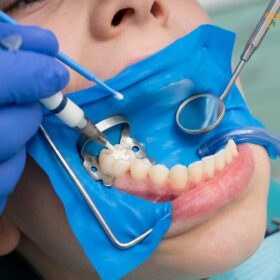
To mitigate this risk, biological pediatric dentistry strictly utilizes BPA-free sealants. These advanced biocompatible materials provide the same level of mechanical protection and retention without the associated hormonal risks. The clinical workflow for placing these sealants involves meticulous isolation of the tooth, gentle micro-etching to ensure a strong mechanical bond, and the application of the BPA-free resin, which is then light-cured to a hardened state. This ensures that the vulnerable occlusal surfaces are protected safely and effectively.
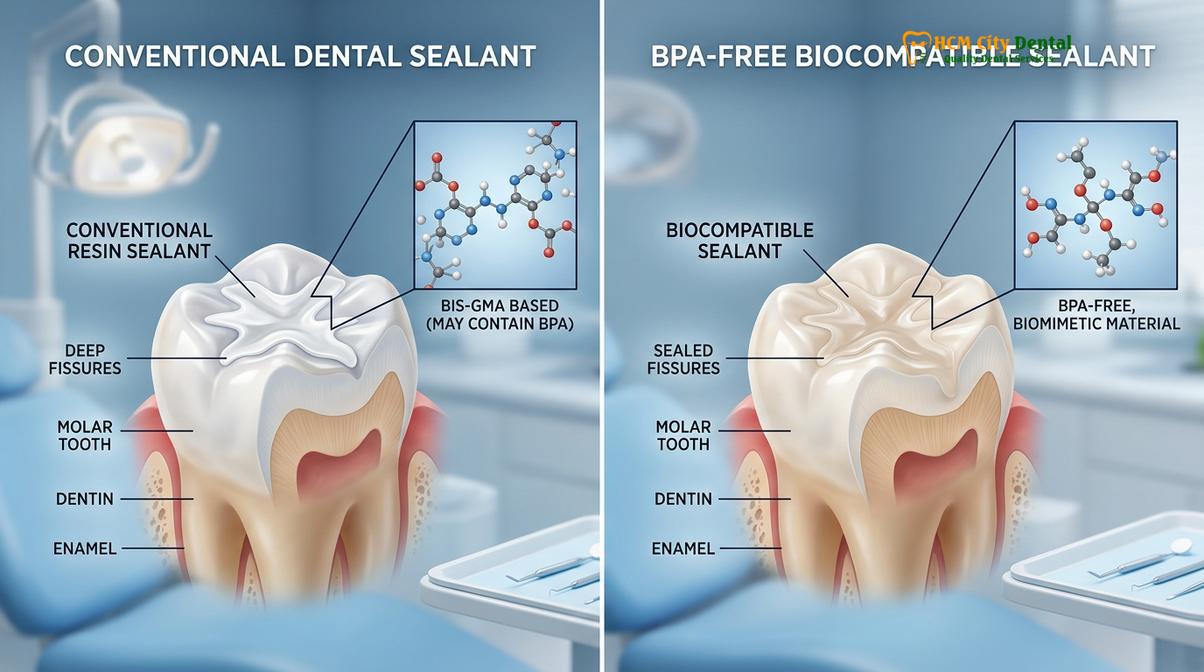
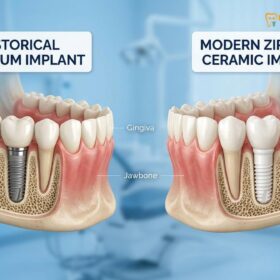
Similarly, the choice of restorative materials for treating active decay in primary and permanent teeth is governed by strict biocompatibility standards. The use of dental amalgam, which contains approximately 50% elemental mercury, is entirely avoided. Mercury is a potent neurotoxin, and its continuous off-gassing in the oral cavity poses unnecessary risks, particularly to the developing neurological systems of children. Instead, holistic clinics provide non-toxic child dental fillings, utilizing advanced ceramic-infused composites, glass ionomer cements, or zirconia, which are recognized for their superior biocompatibility in primary dentition[5].
| Material Type | Conventional Use | Holistic / Biocompatible Alternative | Clinical Rationale |
|---|---|---|---|
| Dental Sealants | Bis-GMA based resins | BPA-free, biocompatible resins | Helps eliminate the risk of endocrine disruption from BPA degradation. |
| Direct Fillings | Mercury Amalgam | Glass Ionomer / BPA-free Composite | Prevents heavy metal exposure; glass ionomer releases natural minerals. |
| Pediatric Crowns | Stainless Steel (Nickel-containing) | Zirconia (Ceramic) Crowns | Highly biocompatible, aesthetic, and avoids metal hypersensitivity risks. |
| Pulp Therapy | Formocresol (Formaldehyde-based) | MTA (Mineral Trioxide Aggregate) / Bioceramics | Promotes natural tissue healing without the use of toxic fixatives. |
Glass ionomer cements are particularly advantageous in pediatric dentistry. These materials are hydrophilic, meaning they perform well even in environments where perfect moisture control is challenging—a common scenario with young, active patients. Furthermore, glass ionomers have a unique biomimetic property: they can continuously exchange ions with the surrounding saliva and tooth structure, helping to remineralize adjacent enamel and prevent secondary decay.
Natural Cavity Prevention: Hydroxyapatite Remineralization for Children
Hydroxyapatite provides a safe, non-toxic alternative to fluoride, effectively remineralizing early enamel lesions by mimicking the natural composition of human teeth.
For decades, fluoride has been the cornerstone of conventional cavity prevention. While topical fluoride can harden enamel by forming fluorapatite, its systemic ingestion—especially by young children who may swallow toothpaste—carries risks. Overexposure to fluoride during the years of tooth development can lead to dental fluorosis, characterized by white or brown mottling of the enamel. Furthermore, concerns regarding the systemic accumulation of fluoride in bone tissue and its potential neurodevelopmental impacts have led many parents to seek safer, non-toxic alternatives.
Clinical Caution: While fluoride is effective topically, the ingestion of fluoridated products by young children can lead to dental fluorosis and systemic accumulation. Parents should supervise brushing and consider biocompatible alternatives like nano-hydroxyapatite to eliminate ingestion risks while maintaining robust enamel protection.
Enter nano-hydroxyapatite (nHAp), a revolutionary biomaterial that is transforming preventative pediatric dentistry. Hydroxyapatite is the primary mineral component of human teeth and bones, comprising approximately 97% of tooth enamel. When formulated into nano-sized particles, hydroxyapatite can seamlessly integrate into the microscopic porosities of demineralized enamel. Because it is chemically identical to the tooth’s natural structure, it is highly biocompatible and completely non-toxic if swallowed. Clinical studies have demonstrated that nano-hydroxyapatite is highly effective in remineralizing early carious lesions and reducing dentinal hypersensitivity[1]. In alignment with preventive strategies recommended by the Vietnam Ministry of Health, holistic practices prioritize safe, evidence-based remineralization protocols to protect developing teeth[6].
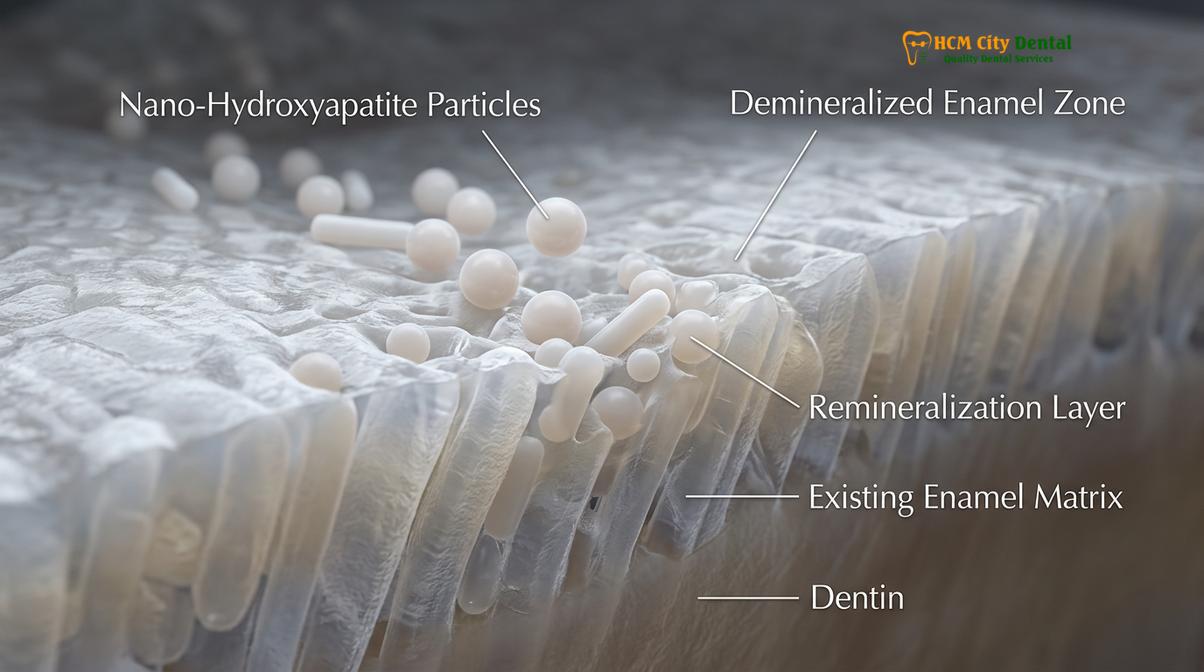
Beyond topical remineralization, natural cavity prevention relies heavily on systemic nutritional support. The holistic approach educates families on the detrimental effects of phytic acid—an anti-nutrient found in unsoaked grains and legumes—which can bind to essential minerals in the digestive tract, preventing their absorption. By optimizing the diet to enhance mineral bioavailability and utilizing biomimetic agents like nano-hydroxyapatite, holistic pediatric dentistry empowers the body’s innate ability to maintain strong, resilient teeth.
Early Airway and Myofunctional Screening: Tongue-Tie and Mouth Breathing
Early airway screening identifies structural restrictions like tongue-ties and mouth breathing, allowing for timely interventions that guide proper craniofacial growth and sleep quality.
One of the most critical, yet frequently overlooked, aspects of pediatric health is airway patency and myofunctional development. The way a child breathes and rests their tongue has a profound epigenetic influence on the growth of their jaws and face. In a healthy, developing child, the lips should be sealed, breathing should occur exclusively through the nose, and the tongue should rest firmly against the roof of the mouth (the palate). This resting tongue posture acts as a natural palatal expander, providing the lateral forces necessary for the maxilla to grow wide and accommodate all erupting permanent teeth.
When this natural posture is disrupted—often due to chronic nasal congestion, enlarged adenoids, or a restricted lingual frenulum (tongue-tie)—the child may resort to mouth breathing. Chronic mouth breathing alters the resting posture of the facial muscles. The tongue drops to the floor of the mouth, depriving the upper jaw of its internal support. Over time, this leads to a high-vaulted, narrow V-shaped palate, dental crowding, and a retruded lower jaw. More alarmingly, a narrow maxilla directly correlates with a narrow nasal floor, reducing the overall volume of the upper airway and predisposing the child to sleep-disordered breathing[3].
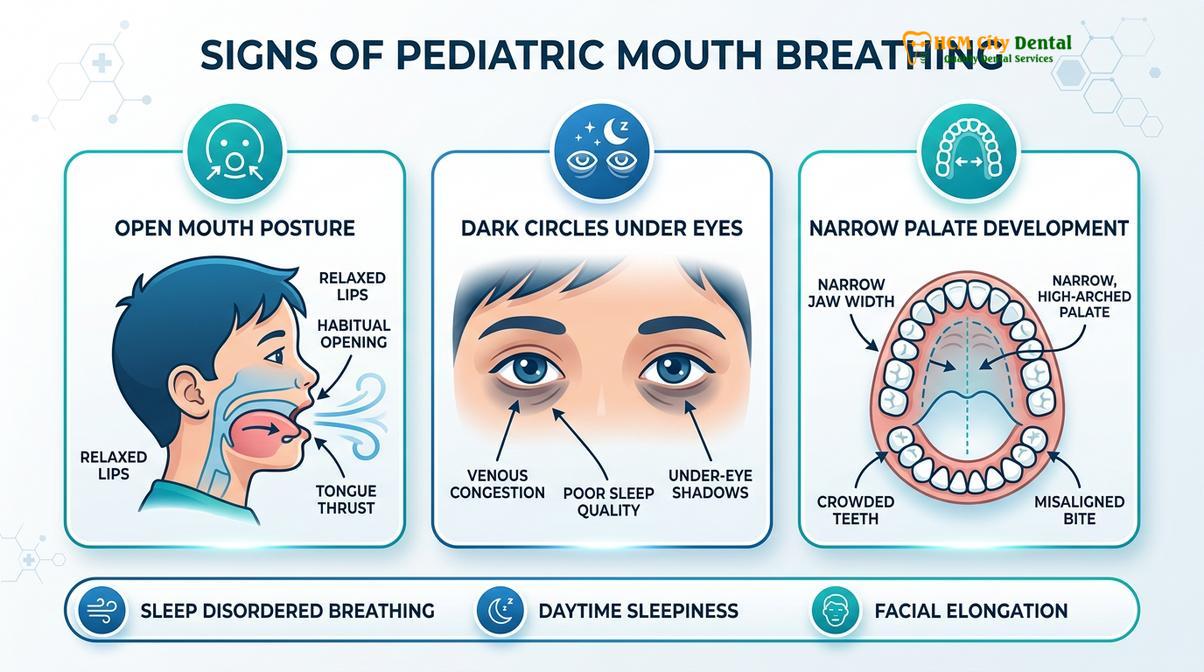
An airway-centric pediatric dentist is trained to identify these subtle structural and functional deviations early, utilizing specialized protocols to assess breathing patterns[4]. A comprehensive evaluation includes assessing the child’s facial profile, tonsillar grading, lip competence, and the mobility of the tongue. Ankyloglossia, commonly known as tongue-tie, occurs when the band of tissue connecting the underside of the tongue to the floor of the mouth is unusually short, thick, or tight. This restriction prevents the tongue from elevating to the palate, initiating a cascade of myofunctional dysfunctions.
Clinical Observation: A 6-year-old patient visiting HCMC Dental Clinic in Ho Chi Minh City presented with severe dental crowding, chronic mouth breathing, and restless sleep. A holistic airway assessment revealed a posterior tongue-tie and a narrow maxilla. Following a minimally invasive laser frenectomy and a referral for myofunctional therapy, the child transitioned to nasal breathing. Within six months, parents reported significantly improved sleep quality, enhanced daytime focus, and natural expansion of the dental arches.
If a tongue-tie is diagnosed and deemed functionally restrictive, a holistic dentist may recommend a frenectomy. Modern biological practices utilize advanced soft-tissue lasers to perform this procedure. Laser frenectomies are minimally invasive, virtually bloodless, and promote rapid healing. Post-operative myofunctional therapy is typically integrated to retrain the oral muscles, ensuring the tongue adopts its correct resting posture and optimal nasal breathing is restored.
Developing Positive, Stress-Free Dental Habits Early
Establishing a stress-free dental environment early prevents dental anxiety and fosters lifelong cooperative habits through desensitization and empathetic clinical care.
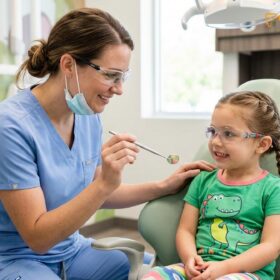
The psychological impact of early dental experiences cannot be overstated. Dental anxiety is a prevalent issue that often stems from traumatic or overwhelming experiences during childhood. A core tenet of holistic pediatric dentistry is the cultivation of a psychologically safe, empathetic, and sensory-friendly environment. The goal is to build a foundation of trust and cooperation, ensuring that the child views dental visits as a positive, routine aspect of their overall healthcare, rather than a source of fear.
“A child’s emotional well-being is just as important as their physical dental health. By taking the time to build trust and moving at the child’s pace, we eliminate the fear response, transforming the dental chair into a place of learning and healing rather than anxiety.”
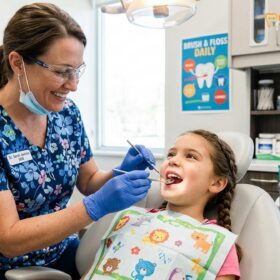
To achieve this, biological dental teams employ advanced behavioral management techniques, heavily relying on the “Tell-Show-Do” method. Before any instrument is introduced into the mouth, the practitioner explains the procedure in child-friendly language, demonstrates the action on a model or the child’s hand, and only proceeds when the child feels comfortable. This transparent communication demystifies the clinical environment and empowers the child, giving them a sense of control over their experience. Furthermore, holistic clinics often incorporate sensory adaptations for neurodivergent children or those with high sensory sensitivities, ensuring a calm and supportive atmosphere.
When to Consult a Holistic Pediatric Dentist
Parents should seek a holistic pediatric dental evaluation if they notice signs of mouth breathing, sleep disturbances, or early enamel demineralization in their child.
Early intervention is the cornerstone of biological dentistry. While routine check-ups are essential, certain clinical signs warrant an immediate holistic evaluation to prevent long-term structural or systemic issues. Parents are encouraged to schedule a consultation if they observe any of the following indicators in their child’s daily habits or oral development:
- Chronic Mouth Breathing: The child consistently breathes through their mouth during the day or while sleeping, often accompanied by dry, chapped lips.
- Sleep Disturbances: Symptoms such as snoring, teeth grinding (bruxism), restless tossing and turning, or frequent night waking, which may indicate airway resistance.
- Speech or Feeding Difficulties: Challenges with latching during infancy, picky eating due to texture aversions, or speech articulation issues that suggest a potential tongue-tie.
- Visible Enamel Changes: Chalky white spots on the teeth, which are early signs of demineralization, or dark shadows indicating active decay.
- Facial Growth Concerns: A noticeably narrow upper jaw, crowded primary teeth (which should ideally have spaces between them), or a retruded lower jaw.
Expat-Friendly Pediatric Biological Dental Services in Saigon
HCMC Dental Clinic provides world-class, expat-friendly biological pediatric dentistry in Saigon, ensuring international standards of safety, biocompatibility, and compassionate care.
Navigating pediatric healthcare in a new country can be challenging for expatriate families. Finding a dental provider who aligns with a holistic, non-toxic philosophy is often a top priority for parents seeking the safest possible care for their children. In Saigon, the demand for biological dentistry has grown significantly among the international community, driven by a desire for fluoride-free alternatives, BPA-free materials, and comprehensive airway assessments.

For families seeking comprehensive, non-toxic care, HCMC Dental Clinic in Ho Chi Minh City offers tailored treatment plans that meet rigorous international standards. Our English-speaking clinical team is dedicated to providing a welcoming, stress-free environment where both parents and children feel completely supported. Contact our team today to schedule an evaluation and explore our General Dentistry services designed to nurture your child’s optimal health and development.
References
- Journal of Dentistry. Nano-hydroxyapatite and its applications in preventive dentistry.
- Pediatric Dentistry. The impact of Bisphenol-A derivatives in dental sealants on child development.
- International Journal of Pediatric Otorhinolaryngology. Ankyloglossia and its impact on maxillary growth and sleep-disordered breathing.
- American Academy of Physiological Medicine and Dentistry. Airway-centric pediatric dental protocols.
- Journal of Clinical Pediatric Dentistry. Biocompatible restorative materials in primary dentition.
- Vietnam Ministry of Health (MOH). National guidelines on pediatric oral health and preventive dentistry.
For professional children’s dental care, preventive sealants, or to schedule a check-up, visit our Children & Pediatric Dentistry service page at HCMC Dental Clinic in Ho Chi Minh City.