For patients comparing the focus keyword night guard cost Vietnam vs Japan, Vietnam offers premium, custom-fitted occlusal splints at a fraction of the out-of-pocket price in Japan. While Japanese clinics charge high fees for uninsured premium materials, Vietnam provides internationally certified, CAD/CAM-milled night guards with significant cost savings.
Clinical Summary:
Bruxism management requires precise occlusal splints to prevent enamel attrition and temporomandibular joint (TMJ) dysfunction. Comparing the night guard cost Vietnam vs Japan reveals that patients can access high-grade dual-laminate or hard acrylic guards in Ho Chi Minh City for substantially less than private dental fees in Tokyo or Osaka. HCMC Dental Clinic utilizes digital intraoral scanning and 3D printing to ensure an exact fit, matching or exceeding the quality standards expected by Japanese expatriates and dental tourists seeking reliable, long-term joint protection.
Key Takeaways:
- Custom night guards in Vietnam typically cost significantly less than private, uninsured options in Japan.
- Japanese National Health Insurance (NHI) often restricts coverage to basic soft guards, leaving durable hard acrylic guards as expensive out-of-pocket expenses.
- Top-tier clinics in Ho Chi Minh City utilize the same imported European and American materials used in premium Japanese dental practices.
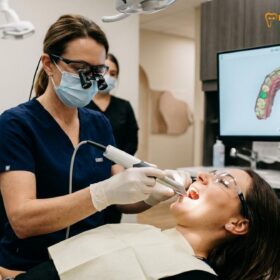
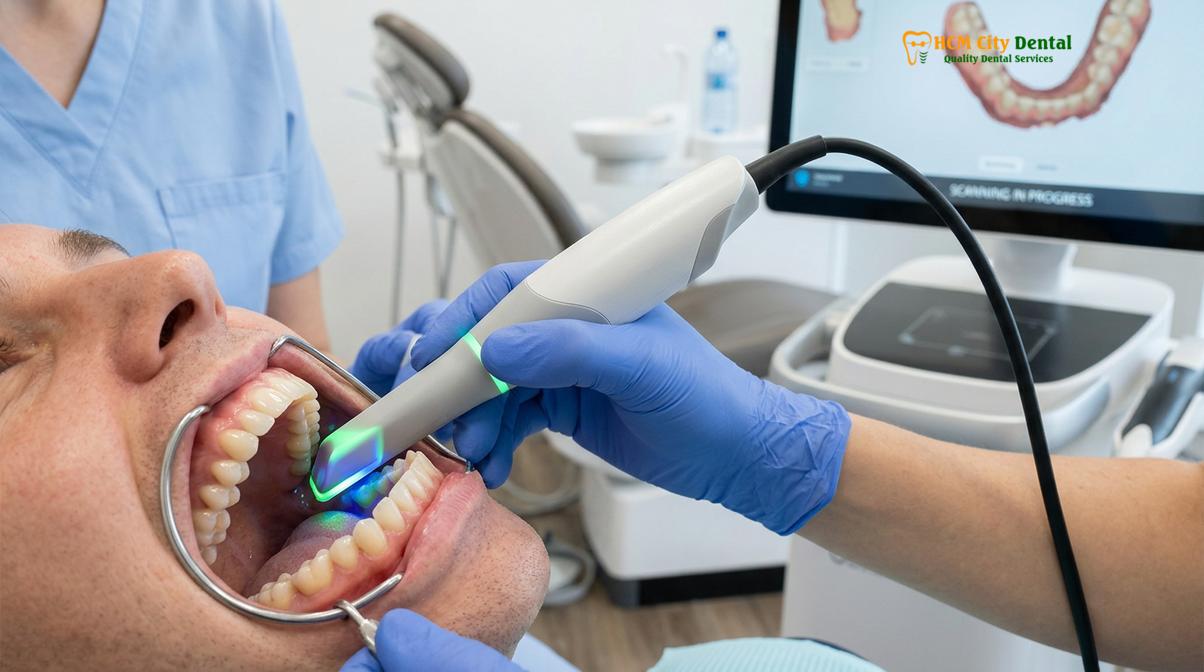
- Digital impressions (intraoral scanning) eliminate the need for uncomfortable traditional putty molds, ensuring a superior, micro-precise fit.
- Many Japanese expatriates in HCMC seamlessly integrate their preventive dental care into their local routine without language barriers.
Night Guard Pricing in Vietnam
Custom night guards in Vietnam are highly affordable, offering premium imported materials and digital fabrication at a fraction of international prices.
The landscape of preventive dentistry in Vietnam has evolved rapidly, adopting the latest international protocols for the management of parafunctional habits like bruxism. For patients seeking relief from nocturnal teeth grinding, the cost of a custom nightguard in Vietnam represents an exceptional intersection of affordability and clinical excellence. Unlike over-the-counter boil-and-bite guards, which can exacerbate jaw muscle tension, professionally fabricated occlusal splints require precise clinical workflows.
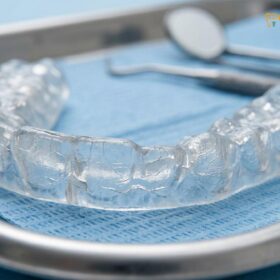
In Vietnam, the pricing structure for a night guard is transparent and generally all-inclusive. The fee typically covers the initial comprehensive consultation, the digital intraoral scan or high-precision elastomeric impression, the laboratory fabrication using imported biocompatible materials, and the final fitting and occlusal adjustment appointment. Materials play a significant role in the final cost. Patients can choose between soft guards (often used for mild clenching), hard acrylic guards (the gold standard for severe bruxism), and dual-laminate guards (hard on the outside for durability, soft on the inside for comfort)[1].
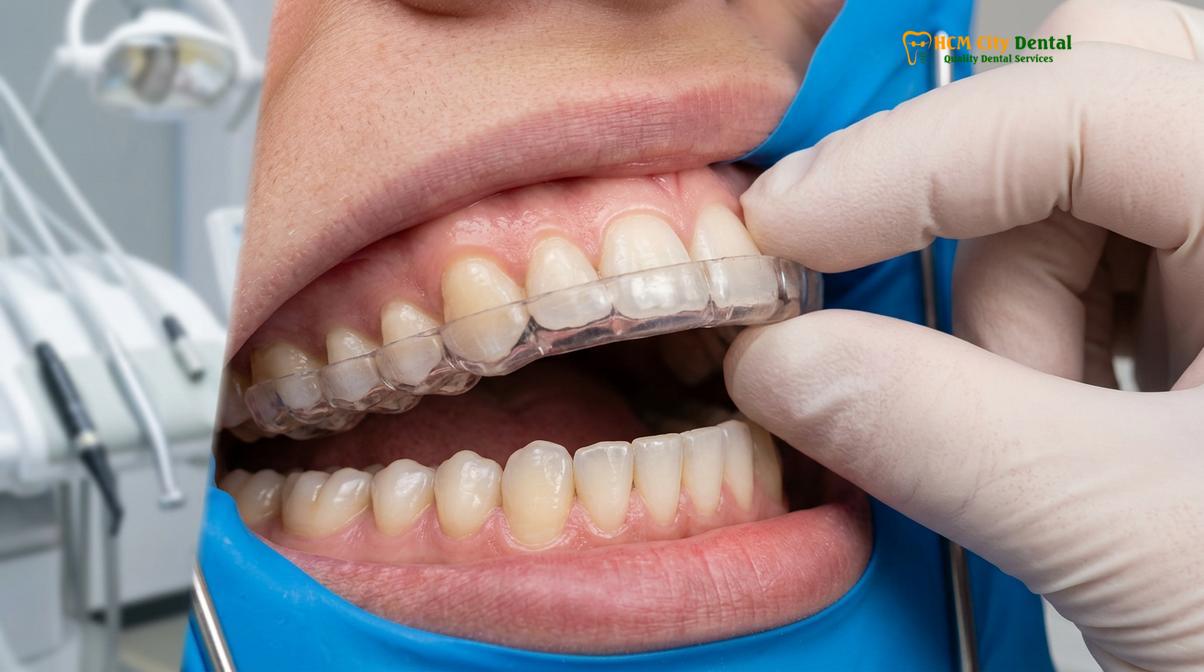
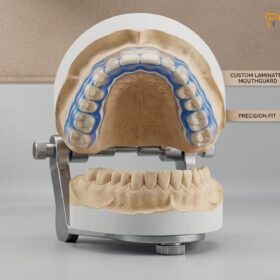
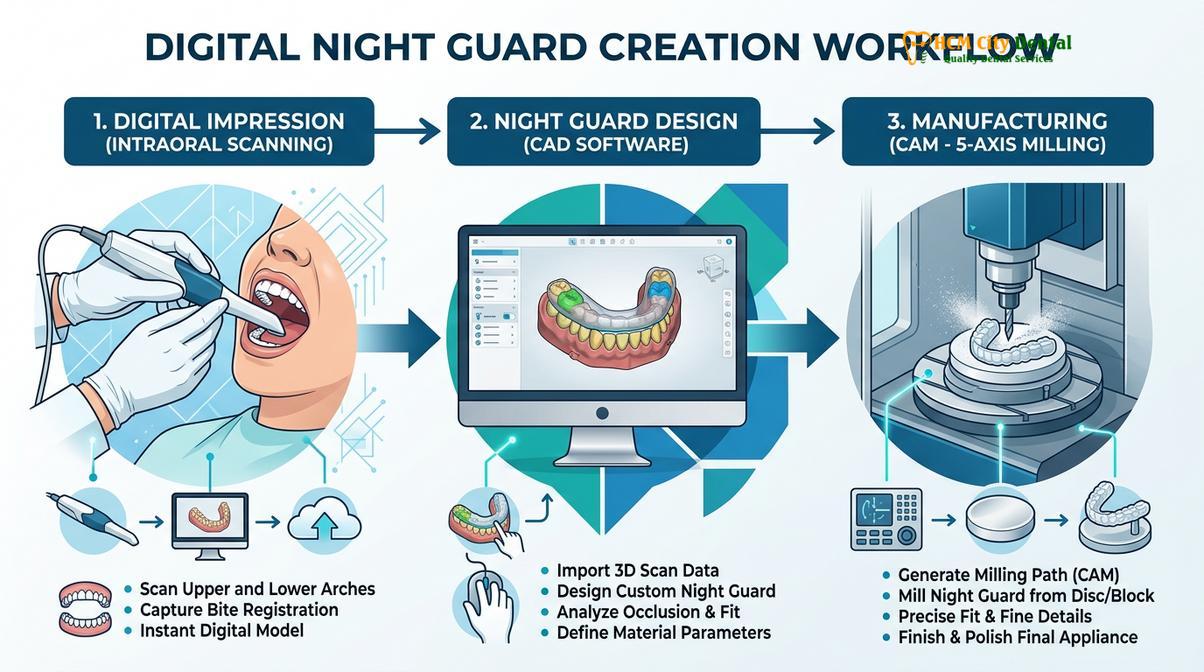
Because dental laboratories in Vietnam benefit from lower operational overhead while still utilizing advanced CAD/CAM (Computer-Aided Design and Computer-Aided Manufacturing) technology, the savings are passed directly to the patient. This allows individuals to access top-tier materials—such as highly cross-linked polymethyl methacrylate (PMMA)—without the prohibitive markups often seen in fully developed healthcare markets. Furthermore, the turnaround time is remarkably efficient, with many premium clinics able to deliver a custom-milled guard within a few days.
“The primary goal of an occlusal splint is to provide a mutually protected occlusion, disoccluding the posterior teeth during excursive movements to reduce muscle hyperactivity and protect the temporomandibular joint.”
Night Guard Pricing in Japan
The dental guard price Japan varies significantly depending on whether the patient opts for basic insurance-covered soft trays or premium private-pay hard splints.
Understanding the bruxism guard Japan market requires navigating the dual-tiered nature of the Japanese healthcare system. Japan boasts an excellent National Health Insurance (NHI) program that covers a vast array of basic medical and dental needs. Under this system, if a dentist diagnoses a patient with bruxism or temporomandibular joint disorder (TMD), a basic night guard can be prescribed and partially covered by insurance. The patient’s co-pay for these basic appliances is generally quite low.
However, the limitations of the NHI system become apparent when discussing material quality and longevity. Insurance-covered guards are typically made from softer, less durable materials like Ethylene-vinyl acetate (EVA). While these soft guards provide a cushioning effect, clinical studies indicate that soft materials can sometimes stimulate the masseter muscles, inadvertently increasing clenching activity in certain patients[2]. Furthermore, soft guards wear down quickly under the immense pressure of severe nocturnal grinding, requiring frequent replacements.
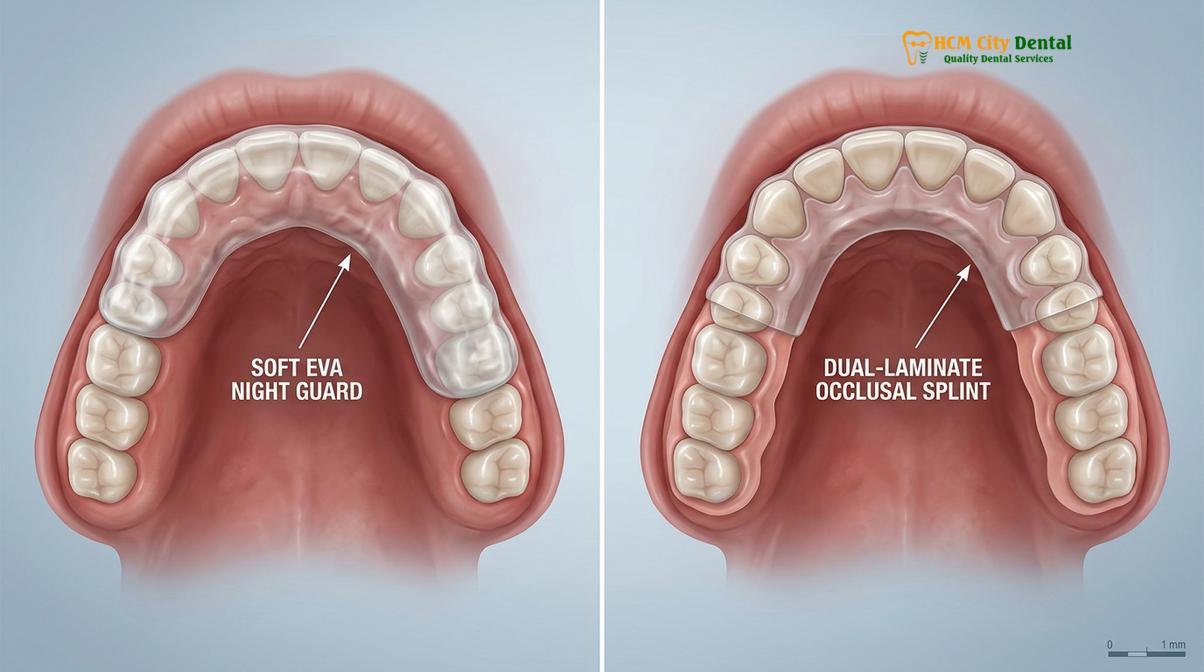
When Japanese patients seek the clinical gold standard—a custom-milled, hard acrylic stabilization splint—they often find that these are classified as elective or premium treatments, falling outside the scope of NHI coverage. Consequently, the out-of-pocket night guard cost Japan for a premium appliance can be exceptionally high. Private dental clinics in Tokyo, Osaka, or Kyoto must factor in high commercial rent, expensive domestic laboratory fees, and high labor costs, driving the price of a private-pay hard splint to levels that prompt many to explore alternatives.
Side-by-Side Comparison
Evaluating the night guard Vietnam vs Japan highlights stark contrasts in out-of-pocket expenses for premium, digitally milled occlusal splints.
When conducting a direct comparison of the night guard Vietnam vs Japan, it is crucial to compare equivalent products: specifically, the premium, custom-fitted hard acrylic or dual-laminate splints that are not covered by Japanese national insurance. Comparing a basic, subsidized soft guard in Japan to a premium milled guard in Vietnam creates a false equivalency.
In terms of clinical workflow, both countries utilize highly trained prosthodontists and general dentists to assess the patient’s bite (occlusion). However, the financial burden placed on the patient differs drastically. In Japan, opting for a private-pay premium guard is a significant financial investment. In Vietnam, that exact same level of care—often utilizing the exact same German or Swiss milling machines and resin pucks—is accessible at a highly competitive rate.
🇯🇵 Cost Comparison: Vietnam vs Japan (Per Arch)
Save up to 65% - 75% on high-quality custom dental night guards. Below is a detailed cost breakdown comparing local rates in Japan with HCMC Dental Clinic.
| Night Guard Type | Japan Avg. Cost | HCMC Dental Cost | Your Savings |
|---|---|---|---|
| Soft Night Guard (EVA) | ¥15,000 - ¥30,000 JPY | $85 USD (~¥13,000 JPY) | Save ~75% |
| Dual-Laminate (Hard/Soft) | ¥30,000 - ¥70,000 JPY | $120 USD (~¥18,000 JPY) | Save ~70% |
| Hard Acrylic Night Guard | ¥40,000 - ¥90,000 JPY | $150 USD (~¥23,000 JPY) | Save ~80% |
Beyond the raw financial data, the value proposition in Vietnam includes the speed of service and the highly personalized care environment. International clinics in Vietnam are specifically structured to cater to expatriates and dental tourists, offering extended consultation times, comprehensive English communication, and a focus on holistic patient comfort that can sometimes be lacking in high-volume, insurance-driven clinics elsewhere.
Japanese Insurance Coverage
While Japan’s National Health Insurance covers basic dental care, it heavily restricts reimbursements for advanced, durable bruxism appliances, forcing patients to pay out-of-pocket.
The intricacies of the Japanese National Health Insurance (NHI) system dictate much of the dental care landscape in the country. The system is designed to provide equitable access to functional healthcare, which means it prioritizes treatments that resolve immediate pathology over those that offer long-term, premium preventive benefits. For a patient suffering from bruxism, the NHI will typically cover the fabrication of a simple vacuum-formed soft splint.
The clinical limitation here is significant. Soft splints are prone to rapid degradation, discoloration, and bacterial colonization if not meticulously maintained. More importantly, they do not provide the rigid occlusal stops necessary to properly deprogram the jaw musculature in severe bruxers[3]. When a Japanese dentist recommends a hard acrylic stabilization splint—which requires complex laboratory articulation to ensure precise anterior guidance and posterior disocclusion—the treatment shifts to the private sector.
This shift is what drives the high out-of-pocket night guard cost Japan. Patients are essentially paying for the un-subsidized time of the dentist, the premium materials, and the specialized laboratory labor. For Japanese expatriates living abroad, or those willing to travel, this realization often prompts the search for high-quality alternatives in neighboring countries where the private healthcare sector is more competitively priced.
Quality Standards
Clinics in Vietnam adhere to strict international ISO protocols, utilizing advanced CAD/CAM technology to match the exacting quality standards expected in Japan.
A common concern when seeking medical care abroad is whether the quality of materials and clinical expertise will match domestic standards. In the context of premium dental clinics in Vietnam, the answer is a resounding yes. The globalization of dental technology means that a top-tier clinic in Ho Chi Minh City has access to the exact same digital scanners (such as 3Shape or iTero), the same 3D printers, and the same biocompatible resins as a clinic in Ginza, Tokyo.
Dr. Nguyen Van Cuong, a leading specialist at HCMC Dental Clinic, emphasizes that the efficacy of an occlusal splint relies entirely on the precision of the impression and the rigidity of the material. “When we manage severe bruxism,” Dr. Cuong explains, “we cannot rely on soft, yielding materials. We utilize digital intraoral scanning to capture the micro-anatomy of the teeth without the distortion inherent in traditional putty. This digital file is then used to mill a hard acrylic guard that provides perfect occlusal stability, protecting both the enamel and the TMJ complex.”
Furthermore, international clinics in Vietnam adhere strictly to global infection control standards, often benchmarking against CDC or European guidelines. The materials used for night guards, such as those from reputable brands like Erkodent or Proform, are CE-marked and FDA-approved, ensuring they are non-toxic, hypoallergenic, and highly durable[4]. This commitment to quality ensures that patients receive a medical device that is safe, effective, and built to last.
“The integration of CAD/CAM technology in splint therapy has revolutionized the accuracy of fit, significantly reducing the chairside adjustment time and improving patient compliance.”
Japanese Community in HCMC
Ho Chi Minh City hosts a thriving Japanese expatriate community, with many professionals choosing local international clinics for their ongoing preventive dental care.
Ho Chi Minh City (HCMC) is home to a vibrant and rapidly expanding Japanese expatriate community. Areas such as Le Thanh Ton in District 1 (often referred to as “Little Tokyo”) and the affluent neighborhoods of District 7 are hubs of Japanese culture, commerce, and daily life. For these expatriates, accessing reliable, high-quality healthcare is a top priority.
Historically, some expatriates preferred to delay dental treatments until they returned to Japan for holidays. However, as the quality of private dental care in Vietnam has surged, this trend has shifted dramatically. Japanese professionals and their families now routinely rely on clinics like HCMC Dental Clinic for their comprehensive oral health needs, from routine prophylaxis to complex restorative work and TMJ management.
Clinical Case Example: Expatriate Bruxism Management
A 42-year-old Japanese executive residing in Ho Chi Minh City presented to HCMC Dental Clinic with complaints of chronic morning headaches and visible wear facets on his lower incisors. Having previously used a soft insurance-covered guard in Japan that quickly wore through, he sought a more durable solution. Dr. Nguyen Van Cuong conducted a comprehensive TMJ evaluation and utilized a digital scanner to design a custom dual-laminate splint. The patient reported a complete cessation of morning jaw pain within two weeks, noting that the fit and comfort of the digitally milled guard far exceeded his previous appliances, all at a highly competitive price point.
The convenience of having a world-class dental facility within the city means that expatriates do not have to endure the discomfort of bruxism or the risk of cracked teeth while waiting for a trip home. The ability to communicate effectively in English, combined with the clinic’s understanding of the high standards expected by Japanese patients, makes the transition to local dental care seamless and highly satisfactory.
How to Book at HCMC Dental
Scheduling a consultation at HCMC Dental Clinic is a streamlined process designed to accommodate the busy schedules of international patients and expatriates.
For patients ready to protect their teeth and alleviate jaw pain, booking an appointment at HCMC Dental Clinic is straightforward and patient-centric. The clinic understands the unique needs of international patients, offering flexible scheduling and comprehensive support from the first point of contact.
The process begins with an initial inquiry, which can be made via the clinic’s website, email, or direct phone line. The international patient coordination team is fluent in English and can assist with answering preliminary questions regarding the treatment workflow and estimated costs. Upon arrival at the clinic in Ho Chi Minh City, patients undergo a thorough clinical examination. Dr. Cuong and the clinical team will assess the extent of enamel wear, palpate the muscles of mastication, and evaluate the temporomandibular joint for any signs of clicking, popping, or deviation.
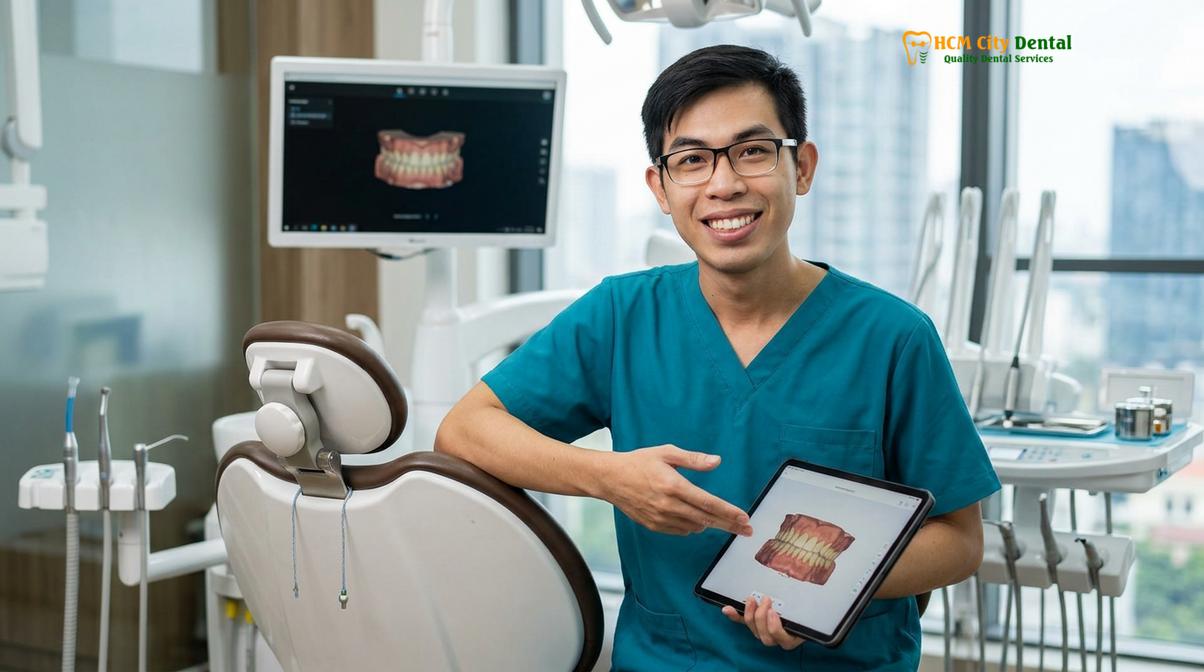
Following the diagnosis, if a night guard is indicated, the digital scanning process takes only a few minutes and is entirely painless. The digital file is sent to the laboratory, and the custom guard is typically ready for fitting within a few days. During the delivery appointment, the dentist will carefully check the occlusion, ensuring that all teeth contact the splint evenly and that there are no interferences during jaw movement. This meticulous attention to detail ensures maximum comfort and clinical efficacy.
When to See a Doctor
Important Clinical Considerations:
While a night guard is a highly effective tool for managing bruxism, it is not a cure for underlying medical conditions. You should seek immediate clinical evaluation if you experience:
- Severe, sharp pain in the jaw joint (TMJ) when opening or closing your mouth.
- A “locked” jaw that prevents you from fully opening or closing your mouth.
- Unexplained chipping, fracturing, or loosening of your teeth.
- Chronic morning headaches accompanied by neck and shoulder pain.
- Changes in your bite, where your upper and lower teeth no longer fit together correctly.
A personalized clinical examination is essential to rule out advanced temporomandibular joint disorders or sleep apnea, which may require multidisciplinary medical intervention.
Bruxism is often a multifactorial condition, influenced by stress, sleep architecture, and occlusal discrepancies. While an occlusal splint protects the dentition from mechanical wear, patients experiencing severe symptoms should undergo a comprehensive evaluation. In some cases, bruxism is closely linked to Obstructive Sleep Apnea (OSA)[5]. If a dentist suspects a sleep breathing disorder, they may recommend a sleep study or refer the patient to a sleep medicine specialist. Always rely on professional diagnostic advice rather than self-prescribing over-the-counter dental appliances.
Frequently Asked Questions
How much is a night guard in Japan?
In Japan, a basic soft night guard covered by National Health Insurance typically costs around 3,000 to 5,000 JPY out-of-pocket. However, premium custom hard acrylic splints at private clinics can exceed 50,000 to 100,000 JPY. The price discrepancy is entirely dependent on whether the patient accepts the limitations of the subsidized soft material or opts for the durability and precision of a private-pay hard splint.
Does Japanese insurance cover night guards?
Japanese National Health Insurance (NHI) generally covers basic soft night guards prescribed for diagnosed bruxism or TMJ disorders. It rarely covers highly durable, custom-milled hard acrylic splints, which are considered elective private treatments. Patients requiring rigid stabilization splints for severe grinding must usually pay the full private fee out-of-pocket.
Is Vietnam dental quality good for Japanese patients?
Yes, top-tier dental clinics in Vietnam operate at strict international standards. They utilize the same imported European materials, CAD/CAM digital milling, and stringent sterilization protocols expected by discerning Japanese patients. Many specialists in Vietnam have undergone advanced training internationally, ensuring clinical outcomes that rival or exceed those found in standard Japanese clinics.
How far is Japan from Ho Chi Minh City?
A direct flight from major Japanese cities like Tokyo or Osaka to Ho Chi Minh City takes approximately 5.5 to 6 hours. This proximity makes Vietnam a highly convenient destination for dental tourism and expatriate living. The short travel time allows patients to easily combine high-quality dental treatments with business trips or leisure travel.
Can HCMC Dental communicate in English with Japanese patients?
Absolutely. The clinical and administrative staff at HCMC Dental Clinic are highly proficient in English, ensuring clear communication regarding diagnoses, treatment plans, and costs for Japanese expatriates and international travelers. This eliminates language barriers, allowing patients to fully understand their clinical condition and the proposed preventive strategies.
References
- Journal of Prosthetic Dentistry. Efficacy of hard versus soft occlusal splints in the management of sleep bruxism. (2021).
- International Journal of Prosthodontics. Long-term effects of bruxism on temporomandibular joint health. (2019).
- Journal of Clinical Sleep Medicine. Diagnostic criteria and management protocols for sleep-related bruxism. (2020).
- Asian Pacific Journal of Dentistry. Comparative analysis of dental treatment costs and material quality in Southeast Asia. (2022).
- American Academy of Orofacial Pain. Guidelines for the fabrication and adjustment of stabilization splints. (2018).