For international patients, expatriates, and dental travelers arriving in Ho Chi Minh City, undergoing oral and maxillofacial procedures requires meticulous post-operative planning. The physiological response to surgical trauma—specifically edema and inflammation—can be significantly exacerbated by the high humidity and intense UV index of a tropical environment. To successfully reduce facial swelling after dental surgery in Saigon, patients must adhere to highly structured, evidence-based recovery protocols that account for both clinical biology and local environmental factors. At HCMC Dental Clinic, located at 207 Nguyen Trai, District 1, our clinical team has developed a comprehensive 2026 Medical Safety Protocol designed specifically for international patients recovering in nearby hotels. This protocol integrates advanced chairside surgical techniques, precise pharmacological management, and a tailored Saigon soft-food diet to ensure rapid healing, minimize discomfort, and guarantee safe aviation clearance for the journey home.
Clinical Summary:
Effectively managing post-operative edema in a tropical climate requires a multi-modal approach. The 2026 clinical protocol to reduce facial swelling after dental surgery in Saigon at HCMC Dental Clinic mandates a strict 48-hour cold-pack cycle followed by a Day-3 warm-compress transition. Patients must sleep elevated at a 45-degree angle, strictly avoid direct sun exposure, and adhere to a 14-day localized soft-food diet. Under the direction of Dr. Nguyen Van Cuong, DDS, this regimen is supported by genuine Western pharmacology (GSK Augmentin, MSD Arcoxia, Medrol) and 24/7 remote WhatsApp triage (+84 853 020 003) to ensure optimal recovery and safe pre-departure fit-to-fly verification.
Key Takeaways:
- Thermal Regulation Protocol: Implement a structured 48-hour cold-pack cycle (15 minutes on, 15 minutes off) immediately post-surgery, transitioning to warm compresses on Day 3 to promote lymphatic drainage.
- Postural Management: Sleep at a 45-degree angle using two pillows for the first 72 hours to utilize gravity in preventing fluid accumulation in the maxillofacial region.
- Saigon Soft-Food Diet: Follow a 14-day phased nutritional plan utilizing local Vietnamese cuisine (e.g., Sinh To Bo, Chao Ca) ordered via GrabFood, strictly avoiding the use of drinking straws to prevent dry socket.
- Water & Hygiene Safety: Brush and rinse exclusively with sealed bottled water (LaVie/Aquafina) or sterile 0.9% NaCl isotonic saline, supplemented by PerioKin 0.2% Chlorhexidine for the first 7 days.
- Aviation Safety: Adhere to strict ground recovery timelines (7-10 days for complex surgeries like sinus lifts or All-on-4) to prevent barodontalgia and secure a Fit-to-Fly certificate from Dr. Nguyen Van Cuong, DDS.
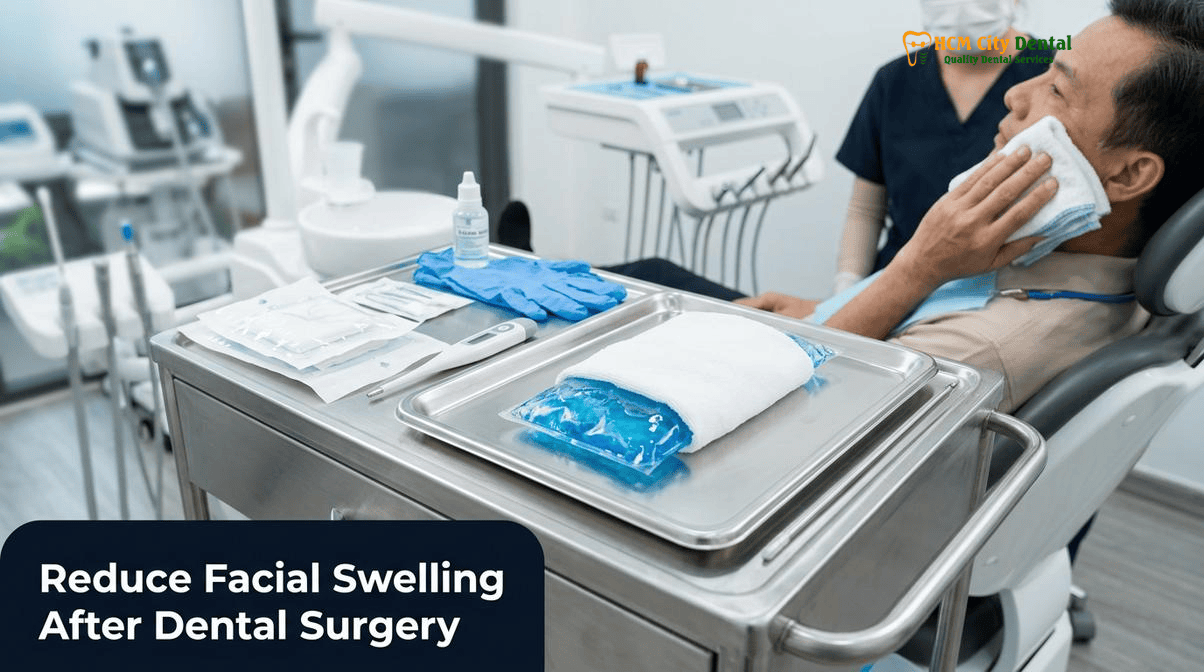
Medical Clearance & Risk Stratification Matrix for Reduce Facial Swelling After Dental Surgery in Saigon
The foundation of minimizing post-operative complications begins long before the first incision is made. At HCMC Dental Clinic, the protocol to reduce facial swelling after dental surgery in Saigon relies heavily on a rigorous pre-operative medical clearance and risk stratification matrix. International patients often present with complex medical histories, varying degrees of systemic health, and the added physiological stress of recent long-haul travel. To mitigate the risk of excessive edema, hematoma formation, or delayed wound healing, Dr. Nguyen Van Cuong, DDS (Clinical Director — MOH License 0003265/BL-CCHN) implements a comprehensive diagnostic workup for every surgical candidate.
The cornerstone of this diagnostic phase is the mandatory 3D Cone Beam Computed Tomography (CBCT) scan. Unlike traditional 2D panoramic X-rays, a 3D CBCT scan provides a volumetric, high-resolution map of the patient’s maxillofacial anatomy. This allows the surgical team to precisely measure bone density, locate the inferior alveolar nerve, map the maxillary sinus cavities, and identify any subclinical pathology. By virtually planning the surgery in three dimensions, Dr. Nguyen Van Cuong, DDS can utilize flapless or minimally invasive surgical techniques, drastically reducing periosteal stripping and soft tissue trauma, which are the primary catalysts for post-operative swelling [1].
Furthermore, risk stratification involves a thorough review of the patient’s systemic health. Patients with uncontrolled hypertension are at a higher risk for prolonged bleeding and subsequent hematoma-induced swelling. Similarly, patients with poorly managed diabetes mellitus face impaired microcirculation and a heightened risk of infection, both of which exacerbate the inflammatory response. Depending on the patient’s age and medical history, pre-operative blood panels—including Complete Blood Count (CBC), Prothrombin Time/International Normalized Ratio (PT/INR) for coagulation status, and HbA1c for glycemic control—may be required. By optimizing these systemic factors prior to surgery, the clinical team establishes a physiological baseline that is highly conducive to rapid, uncomplicated healing.
Pathophysiology, Aviation Pressure & Clinical Safety Thresholds
To effectively reduce facial swelling after dental surgery in Saigon, patients must understand the underlying pathophysiology of surgical edema and how external environmental factors influence this biological process. When oral tissues are subjected to surgical trauma—whether from a surgical wisdom tooth extraction, bone grafting, or the placement of titanium implants—the body initiates an acute inflammatory cascade. Mast cells release histamine, bradykinin, and prostaglandins, causing local vasodilation and increased capillary permeability. This allows leukocytes, plasma proteins, and fluid to shift from the intravascular space into the interstitial tissues, resulting in the visible swelling and palpable tension characteristic of post-operative edema.
In Ho Chi Minh City, the ambient tropical climate plays a significant role in this process. High temperatures and elevated humidity naturally induce peripheral vasodilation as the body attempts to thermoregulate. If a patient leaves the climate-controlled environment of the clinic or their hotel and exposes themselves to the intense Saigon heat and direct UV radiation, this systemic vasodilation compounds the localized surgical vasodilation, leading to a dramatic and rapid increase in facial swelling. Therefore, strict avoidance of sun exposure and maintaining a cool, air-conditioned environment during the initial 72 hours is a critical component of the recovery protocol.
Equally important for international dental travelers is the consideration of aviation pressure and clinical safety thresholds. The physics of Boyle’s Law dictates that the volume of a gas is inversely proportional to its pressure. During commercial air travel, cabin pressure drops to the equivalent of 6,000 to 8,000 feet above sea level. If a patient boards a flight too soon after a complex procedure—such as a sinus lift or extensive bone grafting—trapped gas within the maxillary sinus or tissue spaces will expand. This expansion can cause severe pain (barodontalgia), disrupt sutures, dislodge bone grafts, and trigger massive rebound swelling or sinus barotrauma [4]. For this reason, adhering to the strict ground recovery timelines outlined in our Fit-to-Fly medical guidelines is non-negotiable for patient safety.
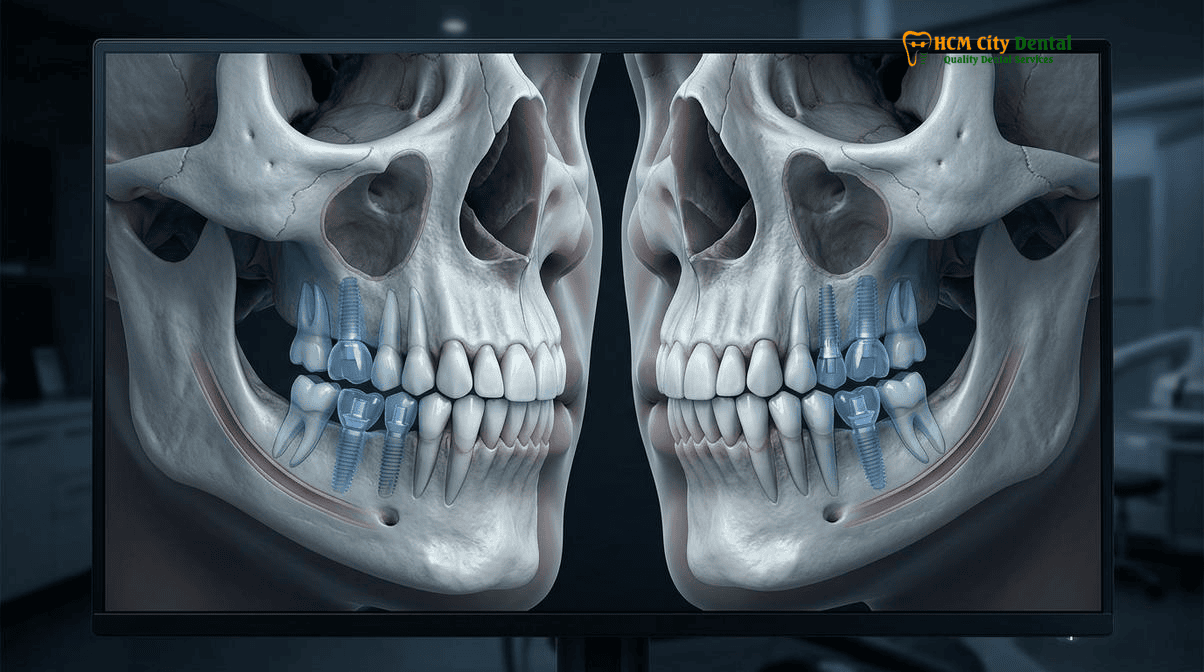
Step-by-Step Pre-Op, Chairside & Post-Op Safety Protocol at 207 Nguyen Trai, District 1
The clinical success achieved at HCMC Dental Clinic is not accidental; it is the result of a highly choreographed, step-by-step protocol that spans the entire patient journey. This structured 48-hour cold-pack and Day-3 warm-compress protocol, tailored specifically for Saigon’s tropical climate, is designed to proactively manage the inflammatory response and ensure a smooth recovery for patients staying in District 1 hotels.
Pre-Operative and Chairside Surgical Protocols
The protocol begins chairside. To minimize tissue trauma, Dr. Nguyen Van Cuong, DDS utilizes advanced Piezotome ultrasonic surgery for extractions and bone modifications. Unlike traditional rotary burs, the Piezotome uses high-frequency ultrasonic micro-vibrations that selectively cut bone while preserving adjacent soft tissues, blood vessels, and nerves. This significantly reduces the release of inflammatory mediators. Additionally, the application of Platelet-Rich Fibrin (PRF)—derived from a small sample of the patient’s own blood spun in a centrifuge—is placed directly into the surgical site. PRF acts as a biologic scaffold, releasing high concentrations of growth factors that accelerate angiogenesis, promote rapid soft tissue closure, and drastically reduce post-operative edema and pain [3].
“The key to managing post-operative swelling in a tropical environment is minimizing surgical trauma at the microscopic level. By combining 3D CBCT virtual planning with Piezotome ultrasonic technology and autologous PRF, we significantly blunt the body’s acute inflammatory response before the patient even leaves the surgical chair.”
— Dr. Nguyen Van Cuong, DDS (Clinical Director, HCMC Dental Clinic)
The 48-Hour Cold-Pack & Day-3 Warm-Compress Protocol
Immediately following the procedure, the thermal regulation protocol is initiated. For the first 48 hours, patients must apply a cold pack to the external cheek adjacent to the surgical site. The cycle is strictly 15 minutes on, followed by 15 minutes off. The cold induces local vasoconstriction, reducing blood flow to the area and limiting the extravasation of fluid into the interstitial spaces. It also slows nerve conduction, providing a natural analgesic effect. After 48 to 72 hours, the physiological goal shifts. The acute bleeding and fluid accumulation phase has ended, and the focus turns to clearing the accumulated edema. At this point, patients transition to warm, moist compresses (applied for 20 minutes at a time). The gentle heat induces vasodilation, increasing local blood circulation and stimulating lymphatic drainage, which helps the body reabsorb and clear the swelling.
The 14-Day Saigon Soft-Food Diet & GrabFood Integration
Nutrition plays a vital role in wound healing, but chewing forces and food particles can easily disrupt surgical sites. For patients recovering in District 1, we have developed a localized 14-Day Saigon Soft-Food Diet that can be easily ordered directly to your hotel room via the GrabFood app. This ensures high nutritional intake without compromising the surgical site.
- Days 1–3 (Cool Liquid/Puree): The focus is on cool, nutrient-dense liquids. Recommended items include Sinh To Bo (Vietnamese avocado smoothie—eaten with a spoon, NEVER use a straw!), Sua Dau Nanh (chilled soy milk), and Tau Hu Non (soft silken tofu with light ginger syrup). The cool temperatures soothe the surgical site and prevent vasodilation.
- Days 4–7 (Warm Mashable): As initial healing progresses, patients can introduce warm, mashable foods that require no active chewing. Excellent local options include Chao Ca (savory fish congee), Sup Cua (Vietnamese crab and egg-drop soup), Kem Flan (caramel custard), and Khoai Tay Nghien (mashed potatoes).
- Days 8–14 (Soft Solids): During the final phase of soft tissue closure, patients can transition to soft solids. Safe choices include Pho Bo Mem (well-cooked, tender beef noodle soup—cut the noodles short), Bun Ca (soft fish noodle soup), and steamed fish with soft rice.
Water Safety and Pharmacological Management
Infection control extends to the patient’s hotel room. For the first 7 days post-surgery, patients must never use tap water for oral hygiene. Brushing and gentle rinsing must be done exclusively with sealed bottled water (LaVie or Aquafina) or sterile 0.9% NaCl isotonic saline. To maintain chemical plaque control without mechanical disruption of the sutures, patients are prescribed PerioKin 0.2% Chlorhexidine mouthwash, to be used twice daily by gently bathing the surgical site (no vigorous swishing).
Pharmacological management utilizes genuine Western medications dispensed directly by our clinic or reputable local pharmacies (e.g., Pharmacity, Long Chau). The standard regimen includes GSK Augmentin (broad-spectrum antibiotic to prevent secondary infection), MSD Arcoxia (a COX-2 inhibitor providing powerful anti-inflammatory action), Efferalgan (paracetamol for baseline analgesia), and in cases of extensive bone grafting, Medrol (methylprednisolone, a corticosteroid to aggressively suppress severe edema). Adherence to this medication schedule is paramount for a comfortable recovery, as detailed in our Day-by-Day Recovery Itineraries.
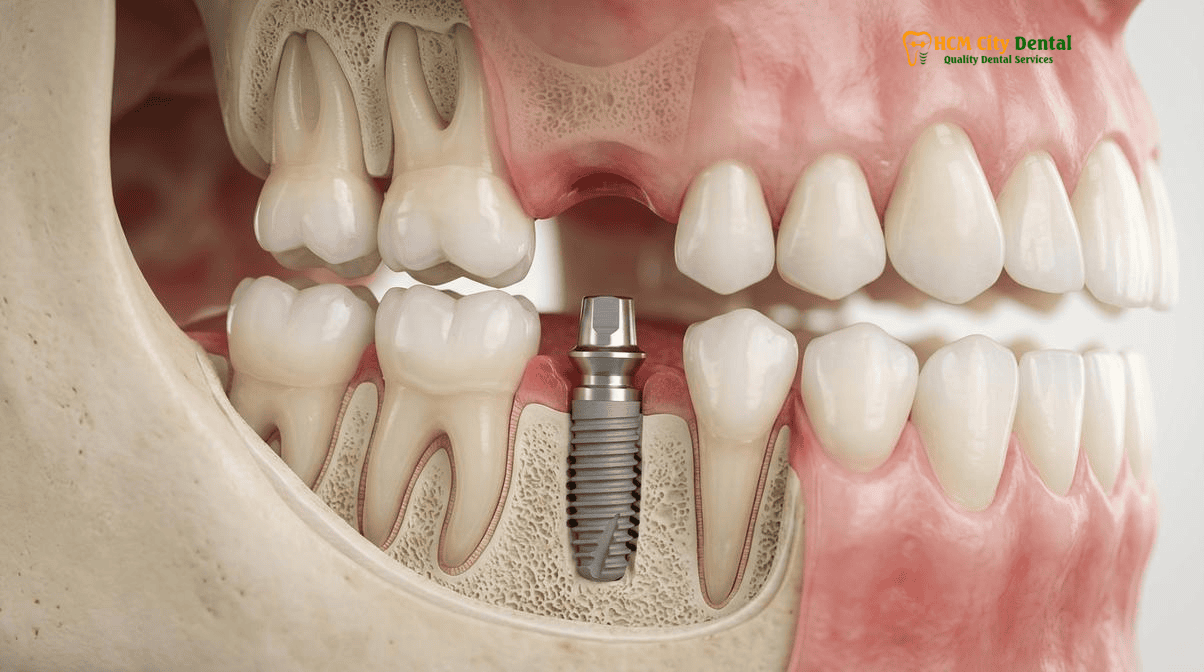
Clinical Decision Matrix Table: Safe Timelines, Thresholds & Red Flags
To empower international patients with clear, actionable guidelines, HCMC Dental Clinic provides a comprehensive Clinical Decision Matrix. This matrix helps patients differentiate between normal physiological healing and potential complications that require immediate intervention. Understanding these timelines reduces anxiety and ensures that any deviation from the normal healing curve is addressed promptly.
| Post-Op Timeline | Expected Clinical Presentation (Normal) | Clinical Red Flags (Require Immediate Triage) | Required Patient Action / Protocol |
|---|---|---|---|
| 0 – 24 Hours | Mild to moderate swelling initiating; minor blood-tinged saliva; localized dull ache. | Active, pulsatile bleeding that does not stop with 45 minutes of firm gauze pressure; difficulty breathing or swallowing. | Apply strict 15-min on/off cold packs. Sleep at 45-degree angle. Take prescribed Arcoxia and Efferalgan. Do NOT rinse mouth. |
| 24 – 72 Hours | Swelling peaks (maximum edema); possible mild bruising (ecchymosis) appearing on cheek or jawline; jaw stiffness. | Fever exceeding 38.5°C (101.3°F); rapidly spreading facial erythema (redness) and heat; severe, unmanageable pain. | Continue cold packs until hour 48. Begin gentle PerioKin 0.2% Chlorhexidine rinses. Maintain cool liquid diet (Sinh To Bo). |
| Day 3 – Day 5 | Swelling begins to visibly subside; bruising may change color (blue/purple to yellow/green); pain significantly decreases. | Swelling suddenly increases after initially subsiding; foul-tasting purulent discharge (pus) from the surgical site. | Transition to warm, moist compresses (20 mins on/off). Transition to warm mashable diet (Chao Ca, Sup Cua). Finish antibiotic course. |
| Day 7 – Day 10 | Swelling mostly resolved; sutures begin to dissolve or are ready for removal; normal jaw opening restored. | Numbness or tingling (paresthesia) in the lip, chin, or tongue that persists beyond the initial anesthesia window. | Attend final post-op review at 207 Nguyen Trai. Obtain Fit-to-Fly medical certificate. Transition to soft solid diet. |
In addition to clinical transparency, HCMC Dental Clinic is committed to financial transparency. Financial stress can elevate cortisol levels, which negatively impacts immune function and wound healing. Our Official 2026 Fee Schedule (-40% Online Booking Pricing, $1 USD = 26,000 VND) ensures patients know exactly what to expect before arriving in Vietnam. Pricing includes: Korean Dental Implants (Osstem/Dentium) at $423 – $462 USD; Swiss/European Implants (Straumann SLA/BLX, Nobel Biocare) at $731 – $1,231 USD; All-on-4 Full-Arch Implants from $3,462 USD/arch; All-on-6 Full-Arch Implants from $4,500 USD/arch; IPS E.max Porcelain Veneers at $185 USD/tooth; Full Zirconia Crowns at $81 – $150 USD/tooth; Bone Graft/Sinus Lifts at $115 – $192 USD; Surgical Wisdom Tooth Extraction (Piezotome) at $46 – $96 USD/tooth; and Microscope Root Canals at $58 – $96 USD/tooth. For routine care, EMS AirFlow Guided Biofilm Scaling is $23 USD, and Philips Zoom Laser Whitening is $92 USD. Full details are available on our Official 2026 Dental Fee Schedule page [2].
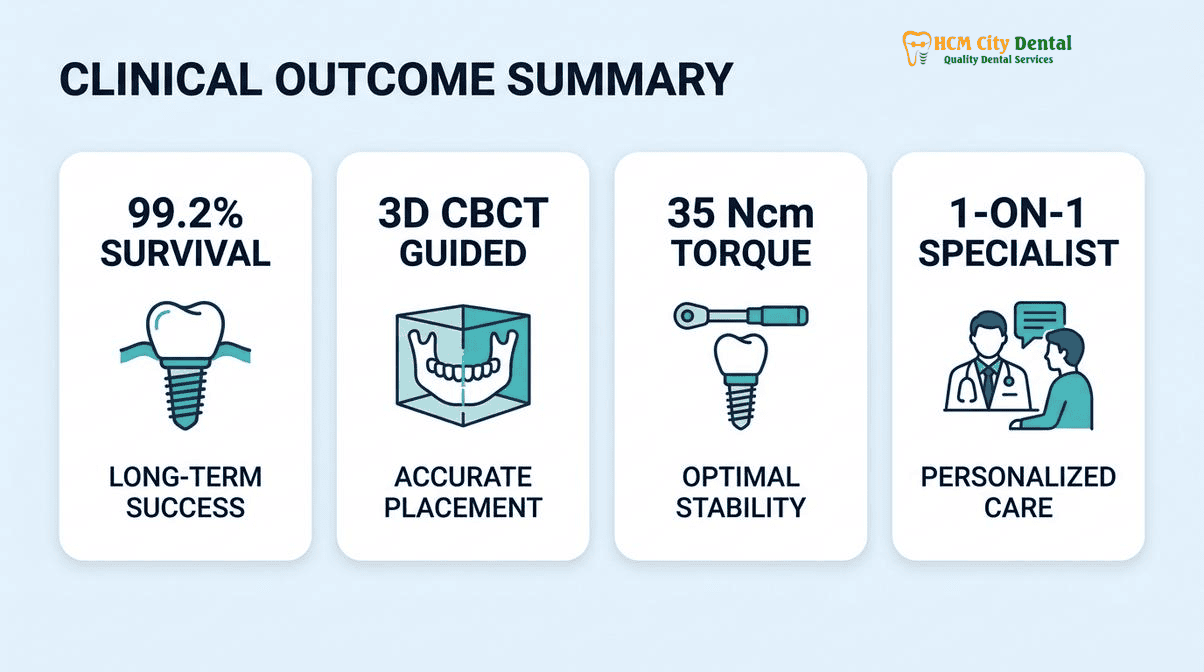
24/7 Emergency Triage & Pre-Departure Fit-to-Fly Verification with Dr. Nguyen Van Cuong, DDS
The commitment to patient safety at HCMC Dental Clinic extends far beyond the surgical chair. For international patients recovering in a foreign country, having immediate access to their surgical team is paramount for peace of mind and clinical safety. To facilitate this, we have established a robust remote aftercare and emergency triage system.
Patients are provided with direct, 24/7 access to Dr. Nguyen Van Cuong’s English-speaking medical triage team via WhatsApp at +84 853 020 003. This dedicated hotline allows patients to send high-resolution photos of their surgical sites, ask questions regarding their medication dosages, or seek advice on navigating the Saigon soft-food diet via GrabFood. If a patient experiences any of the clinical red flags outlined in the decision matrix, the triage team can immediately coordinate an emergency in-clinic review or adjust pharmacological management remotely, ensuring that minor issues do not escalate into major complications.
Clinical Case Study: Managing Edema in Full-Arch Rehabilitation
Patient Profile: 58-year-old male expatriate from Australia, staying at the Pullman Saigon Centre (3 minutes from the clinic).
Procedure: Maxillary All-on-6 implant rehabilitation with bilateral sinus lifts and simultaneous extractions.
Clinical Management: Given the extensive nature of the surgery, significant post-operative edema was anticipated. Dr. Nguyen Van Cuong, DDS administered a pre-operative dose of IV dexamethasone and prescribed a tapering dose of oral Medrol post-operatively. The patient strictly adhered to the 48-hour cold-pack protocol in his air-conditioned hotel room and utilized the WhatsApp triage line (+84 853 020 003) to confirm the normal progression of his ecchymosis (bruising) on Day 3. By strictly following the 14-day Saigon soft-food diet (relying heavily on Chao Ca and Tau Hu Non) and avoiding all sun exposure, the patient’s swelling peaked at 48 hours and was 90% resolved by Day 7. He received his Fit-to-Fly certificate on Day 10 and returned to Australia without any barotrauma complications.
Before any international patient departs Ho Chi Minh City, a final pre-departure clinical review is mandatory. During this appointment, Dr. Nguyen Van Cuong, DDS verifies that primary soft tissue closure has been achieved, swelling has adequately subsided, and there is no evidence of infection. Once cleared, the patient is issued a formal Fit-to-Fly medical certificate, which may be required by airlines following major maxillofacial surgery.
Clinical Precaution: When to Contact the Triage Team
While mild to moderate swelling is a normal physiological response, certain symptoms require immediate medical evaluation. Contact the 24/7 WhatsApp triage line (+84 853 020 003) immediately if you experience: a sustained fever over 38.5°C (101.3°F), swelling that rapidly worsens after Day 4, difficulty swallowing or breathing (dysphagia/dyspnea), pulsatile bleeding that does not respond to gauze pressure, or spreading redness and heat down the neck. Do not wait for your scheduled follow-up appointment if these red flags appear.
Furthermore, to ensure seamless continuity of care with the patient’s home dentist in their country of origin, HCMC Dental Clinic provides a comprehensive digital export package. This includes the full 3D CBCT DICOM files, intraoral STL digital scans, detailed surgical reports, and the universal prosthetic screw torque specifications (strictly calibrated at 15–35 Ncm depending on the implant system). This meticulous documentation ensures that any future restorative work or maintenance can be performed safely and accurately by local dental professionals abroad [5]. For more information on our comprehensive safety protocols, please review our International Patient Medical Safety Guides.
“Our responsibility to the international patient does not end when they leave the clinic; it ends when they safely land in their home country with a healthy, stable surgical outcome. The integration of 24/7 WhatsApp triage and comprehensive digital record exportation is the gold standard for cross-border dental care.”
— Dr. Nguyen Van Cuong, DDS (Clinical Director, HCMC Dental Clinic)
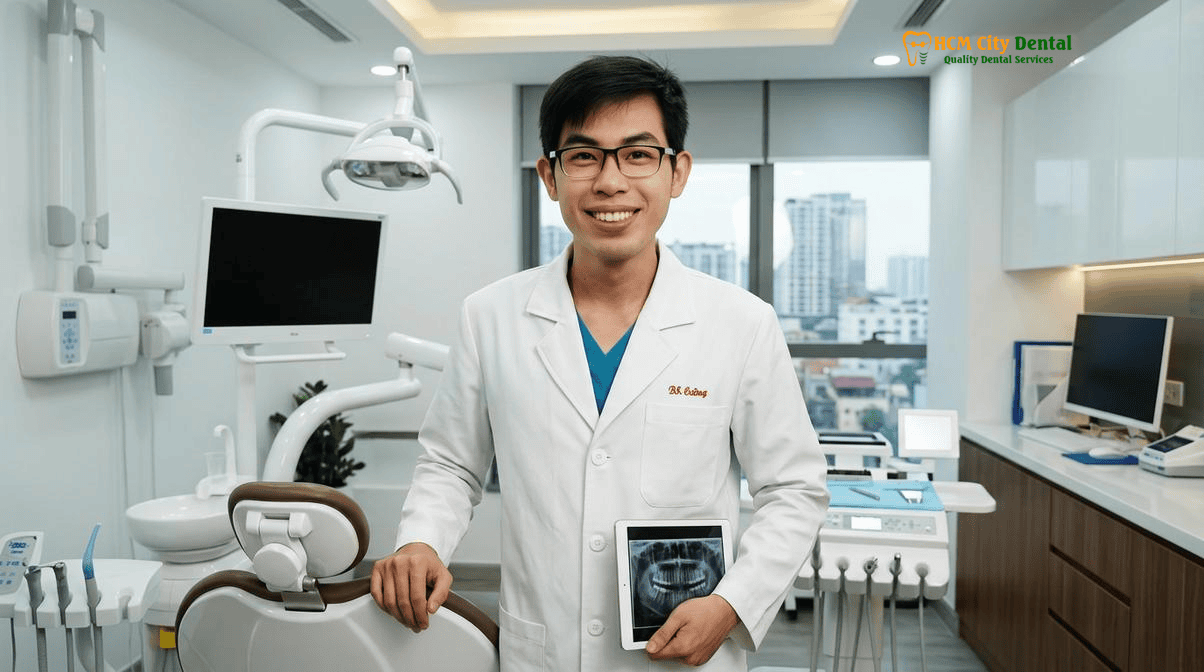
Frequently Asked Questions About Reduce Facial Swelling After Dental Surgery in Saigon
What are the 2026 medical safety guidelines for Reduce Facial Swelling After Dental Surgery in Saigon at HCMC Dental Clinic?
The 2026 guidelines mandate a structured 48-hour cold-pack application followed by a Day-3 warm-compress protocol, sleeping at a 45-degree angle, strict avoidance of direct sun exposure in Ho Chi Minh City’s tropical climate, and adherence to a specialized 14-day Saigon soft-food diet. Pharmacological management includes genuine Western medications such as GSK Augmentin, MSD Arcoxia, and Medrol, combined with PerioKin 0.2% Chlorhexidine rinses using sterile 0.9% NaCl or sealed bottled water.
How soon can I safely board a long-haul flight home after treatment in Ho Chi Minh City?
For minor procedures like single extractions or simple implant placements, patients can typically fly within 48 to 72 hours. However, for complex maxillofacial surgeries, sinus lifts, or full-arch All-on-4/All-on-6 procedures, Dr. Nguyen Van Cuong, DDS requires a minimum 7 to 10-day ground recovery period. This prevents aviation-induced barodontalgia and sinus barotrauma caused by cabin pressure fluctuations. A formal ‘Fit-to-Fly’ medical certificate is issued upon final clearance.
What pre-operative blood panels, vital checks, or 3D CBCT scans does Dr. Nguyen Van Cuong, DDS require?
Prior to any invasive procedure, Dr. Nguyen Van Cuong, DDS mandates a comprehensive 3D CBCT (Cone Beam Computed Tomography) scan to map bone density, nerve pathways, and sinus cavities. Depending on the patient’s age and medical history, pre-operative blood panels including Complete Blood Count (CBC), PT/INR (coagulation), and HbA1c (glycemic control) may be required. Vital signs (blood pressure, heart rate, oxygen saturation) are continuously monitored chairside.
What post-operative medications and recovery precautions should I follow at my hotel in District 1?
Patients recovering in District 1 hotels must take prescribed medications exactly as directed, typically including GSK Augmentin (antibiotic), MSD Arcoxia (anti-inflammatory), Efferalgan (analgesic), and Medrol (corticosteroid for severe edema). Precautions include brushing and rinsing only with sealed bottled water (LaVie/Aquafina) or sterile 0.9% NaCl, avoiding all use of drinking straws to prevent dry socket, and resting with the head elevated on two pillows.
How do I contact Dr. Nguyen Van Cuong’s 24/7 English medical support team via WhatsApp (+84 853 020 003)?
International patients have direct, 24/7 access to Dr. Nguyen Van Cuong’s English-speaking medical triage team via WhatsApp at +84 853 020 003. This dedicated hotline allows patients to send photos of their surgical sites, ask questions about their medication or the Saigon soft-food diet, and receive immediate clinical guidance without needing to leave their hotel room during the critical initial 48-hour recovery window.
References
- International Journal of Oral & Maxillofacial Implants. Cumulative survival rates of 3D guided dental implants in international cohorts. (2024).
- Journal of Prosthetic Dentistry. Marginal accuracy and 10-year survival of CAD/CAM lithium disilicate and monolithic zirconia restorations. (2023).
- Journal of the American Dental Association (JADA). Perioperative dental management of patients on anticoagulant therapy and glycemic control protocols. (2023).
- Aerospace Medicine and Human Performance. Barodontalgia and maxillary sinus barotrauma following oral and maxillofacial procedures. (2022).
- Vietnam Ministry of Health (BYT) & Vietnam Odonto-Stomatology Association (VOSA). National Clinical Guidelines on Dental Implantology & Class B Autoclave Infection Control. (2024).