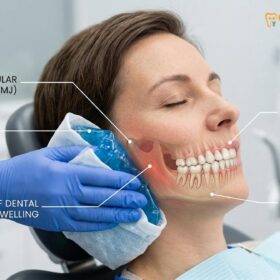
For international travelers, expatriates, and digital nomads flying into or out of Tan Son Nhat International Airport (SGN), few medical emergencies are as sudden, agonizing, and poorly understood as a toothache on airplane barodontalgia. Often referred to colloquially as “tooth squeeze,” this phenomenon occurs when the atmospheric pressure inside a commercial aircraft cabin drops during ascent, causing microscopic pockets of trapped gas within compromised teeth to rapidly expand. What was merely a mild, unnoticeable sensitivity on the ground in Ho Chi Minh City can instantly transform into excruciating, throbbing pain at 35,000 feet. This severe discomfort is not a random occurrence; it is a direct clinical indicator of underlying, undiagnosed dental pathologies such as irreversible pulpitis, necrotic nerve tissue, failing amalgam restorations, or microscopic cracks in the enamel.
At HCMC Dental Clinic, located in District 1, Ho Chi Minh City, we specialize in the rapid diagnosis, triage, and definitive treatment of aviation-induced dental trauma. Under the expert clinical direction of Dr. Nguyen Van Cuong (Dr. Cuong), DDS, our facility employs state-of-the-art 3D CBCT imaging and surgical microscopes to identify the exact source of barometric pain. Whether you have just landed in Vietnam with a severe toothache or you are seeking pre-departure medical clearance before a 14-hour long-haul flight back to Sydney, London, or Los Angeles, understanding the pathophysiology of barodontalgia and adhering to strict safe-to-fly timelines is critical for your health and comfort.
Clinical Summary:
A toothache on airplane barodontalgia is a severe, altitude-induced dental pain caused by the expansion of trapped gas within compromised teeth (due to Boyle’s Law) as cabin pressure decreases. At HCMC Dental Clinic in District 1, Dr. Nguyen Van Cuong, DDS utilizes 3D CBCT scans and microscope-assisted endodontics to eliminate these air pockets. Patients receiving dense bioceramic root canals or monolithic zirconia crowns can safely fly the same day, while surgical procedures like extractions or implants require strict 24-to-72-hour waiting periods to prevent barotrauma and ensure safe medical clearance.
Key Takeaways:
- The Science of Tooth Squeeze: Commercial aircraft cabins are pressurized to an equivalent altitude of 6,000–8,000 feet (~565 mmHg). This pressure drop causes trapped air in leaky fillings or infected pulps to expand, compressing the trigeminal nerve.
- Same-Day Flight Clearance: Microscope root canals, IPS E.max veneers, and Zirconia crowns trap zero air. Once local anesthesia wears off (4–6 hours), patients are 100% safe to fly.
- Surgical Waiting Periods: Simple extractions and single implants require a 24–48 hour wait. Multiple implants, All-on-4, or surgical wisdom tooth extractions require a minimum 72-hour wait before flying.
- Sinus Lift Precautions: Lateral window sinus lifts carry the highest risk of barosinusitis. Patients must wait 10–14 days, avoid blowing their nose, and pause CPAP machines.
- 24/7 Emergency Triage: Dr. Nguyen Van Cuong, DDS provides immediate relief, stamped English prescriptions, and Fit-to-Fly medical certificates for international customs clearance.
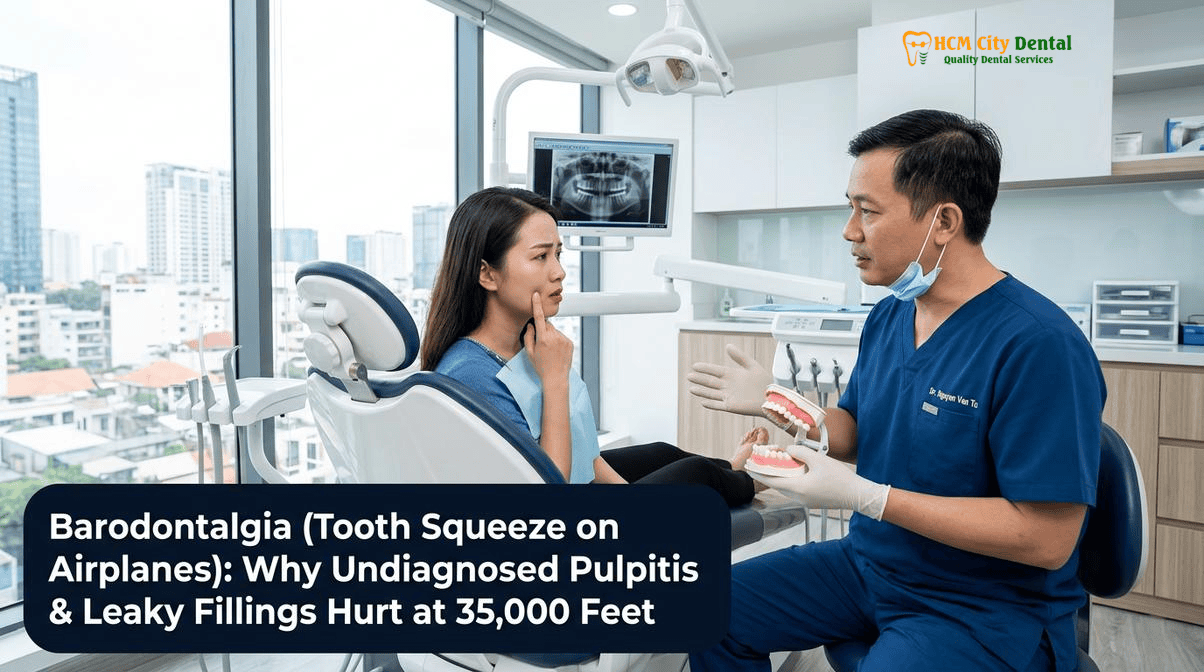
Medical Clearance & Risk Stratification Matrix for Toothache on Airplane Barodontalgia
When planning international travel, most passengers consider vaccinations, travel insurance, and general medical check-ups, but oral health is frequently overlooked. However, the aviation environment places unique physiological stresses on the human body. A toothache on airplane barodontalgia is a prime example of how a subclinical issue—one that causes zero symptoms at sea level—can become a debilitating medical emergency mid-flight. For expatriates living in Vietnam and dental tourists visiting Ho Chi Minh City, obtaining proper medical clearance before boarding a flight is a non-negotiable aspect of patient safety.
At HCMC Dental Clinic, our risk stratification matrix is designed to evaluate every patient’s oral health status against the rigorous demands of aviation medicine. We categorize dental conditions into low, moderate, and high-risk tiers based on the likelihood of gas expansion and barotrauma. For instance, a patient with a recently placed, poorly sealed composite filling may harbor microscopic voids. During flight, these voids act as pressure chambers. Conversely, a patient who has undergone a meticulously executed microscope root canal with dense bioceramic obturation is at zero risk, as the hermetic seal prevents any gas accumulation.
To ensure our international patients receive the highest standard of care, we strongly encourage reviewing our International Patient Medical Safety & Post-Op Recovery Guides. This comprehensive resource outlines the exact pre-operative assessments required, including 3D CBCT scans to detect hidden periapical radiolucencies (infections at the root tip) that are notorious for causing severe pain during the descent phase of a flight. By identifying and treating these high-risk pathologies before you head to Tan Son Nhat Airport, we eliminate the risk of mid-air dental emergencies.
Pathophysiology, Aviation Pressure & Clinical Safety Thresholds
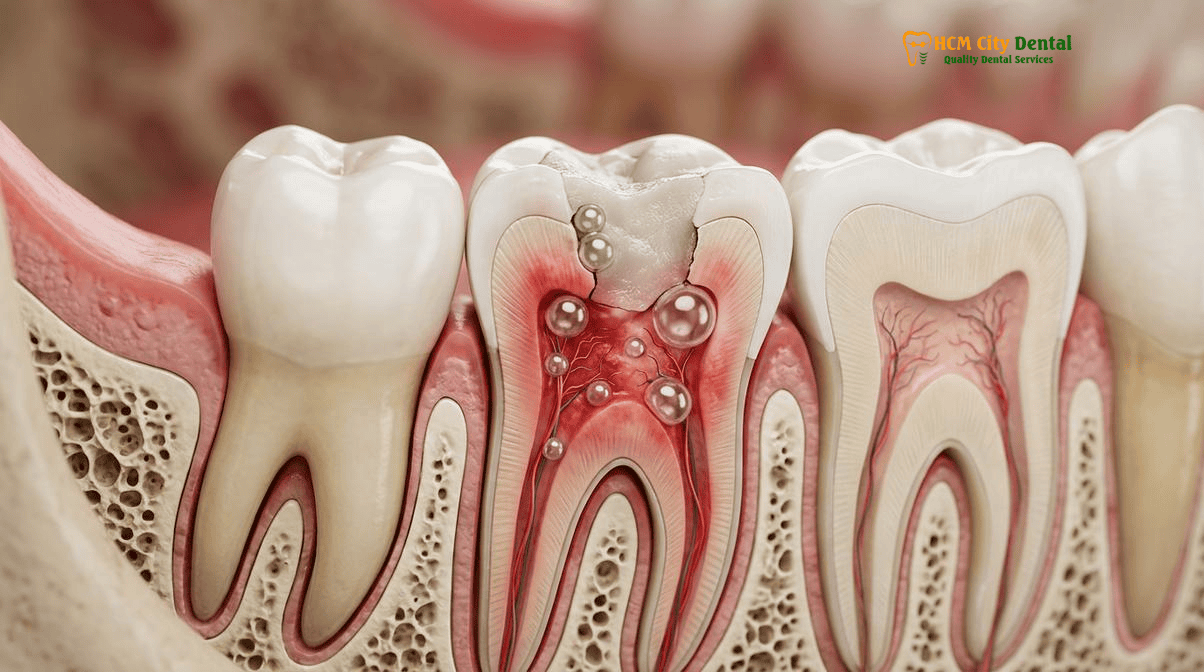
To truly understand why a toothache on airplane barodontalgia occurs, we must look to the fundamental principles of physics—specifically Boyle’s Law. Boyle’s Law states that at a constant temperature, the volume of a gas is inversely proportional to the pressure exerted upon it. While commercial airliners cruise at altitudes of 30,000 to 40,000 feet, the cabin is artificially pressurized. However, it is not pressurized to sea level (760 mmHg). Instead, it is maintained at an equivalent altitude of 6,000 to 8,000 feet, where the atmospheric pressure drops to approximately 565 mmHg.
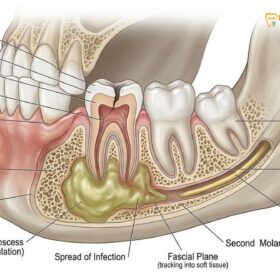
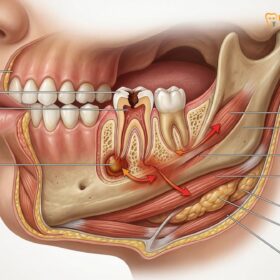
Healthy teeth are solid structures composed of enamel, dentin, and a healthy, vascularized pulp chamber. They contain no trapped air and are entirely unaffected by this pressure drop. However, compromised teeth are a different story. If a tooth has deep decay, a failing amalgam filling, a microscopic crack, or a necrotic (dead) pulp resulting from an untreated infection, tiny pockets of gas can form within the tooth structure. As the aircraft ascends and cabin pressure drops, this trapped gas expands. Because the surrounding tooth enamel is rigid and unyielding, the expanding gas has nowhere to go. It exerts immense mechanical pressure directly onto the highly sensitive trigeminal nerve endings within the pulp chamber, resulting in acute, agonizing pain[1].
“Barodontalgia is not a disease in itself, but rather a harsh diagnostic symptom of an underlying pathology. When a patient experiences a toothache on an airplane, the altitude is simply unmasking a hidden infection, a leaky restoration, or a dying nerve that requires immediate clinical intervention.”
— Dr. Nguyen Van Cuong (Dr. Cuong), DDS
The clinical presentation of barodontalgia is often classified into four distinct categories based on the underlying pathology:
- Class I (Irreversible Pulpitis): Characterized by sharp, momentary pain that typically occurs during the aircraft’s ascent. The expanding gas irritates an already inflamed, but still living, nerve.
- Class II (Reversible Pulpitis): Presents as a dull, throbbing ache during ascent. This is often associated with deep cavities that have not yet fully infected the nerve.
- Class III (Necrotic Pulp): Causes severe, dull, throbbing pain primarily during the descent phase. As the cabin pressure increases upon landing, the gas inside the dead tooth contracts, creating a vacuum effect that draws infected material deeper into the jawbone.
- Class IV (Periapical Pathology): Results in severe, persistent pain during both ascent and descent, indicating a fully developed abscess or cyst at the root apex.
Understanding these thresholds is vital for patient safety. Patients with systemic conditions, such as those on anticoagulant therapy or with poorly controlled diabetes, face even higher risks if an infection flares up mid-flight. Proper perioperative management and glycemic control are essential before undertaking any dental surgery prior to flying[2].
Step-by-Step Pre-Op, Chairside & Post-Op Safety Protocol in District 1, Ho Chi Minh City
When a patient arrives at HCMC Dental Clinic (District 1, Ho Chi Minh City) suffering from a recent episode of toothache on airplane barodontalgia, or seeking clearance before an upcoming flight, we initiate a strict, evidence-based clinical protocol. Our goal is not just to alleviate pain, but to permanently resolve the structural defect causing the pressure sensitivity, ensuring the patient is 100% fit to fly.
Step 1: Advanced 3D CBCT Diagnostics & Triage
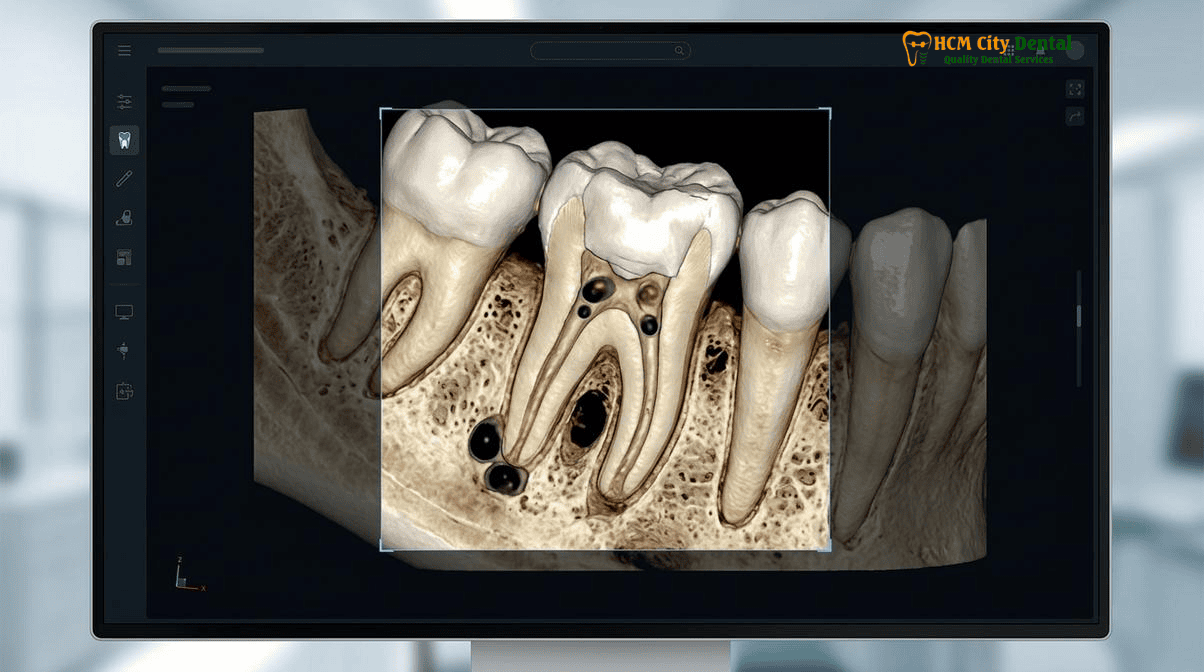
The protocol begins with a high-resolution 3D Cone Beam Computed Tomography (CBCT) scan. Unlike traditional 2D X-rays, a 3D CBCT scan allows Dr. Nguyen Van Cuong, DDS to visualize the tooth in cross-sections, identifying microscopic fractures, hidden canals, periapical lesions, and the exact volume of trapped gas. This diagnostic precision is the cornerstone of our Aviation Medicine, Cabin Pressure & Safe-to-Fly Dental Protocols — Primary Clinical Hub at HCMC Dental Clinic.
Step 2: Microscope-Assisted Intervention
Once the compromised tooth is identified, treatment commences under a high-powered dental microscope. If the diagnosis is irreversible pulpitis or a necrotic pulp, a root canal is performed. The microscope allows for the complete removal of all infected tissue and gas-producing bacteria. The canal is then meticulously shaped, disinfected with ultrasonic activation, and hermetically sealed using advanced bioceramic obturation materials. Because bioceramics are highly dense and flowable, they eliminate all microscopic voids, ensuring zero air is trapped inside the tooth.
Clinical Case Study: Emergency Relief Before a Long-Haul Flight
Patient Profile: A 42-year-old Australian expatriate arrived at our District 1 clinic directly from Tan Son Nhat Airport after experiencing excruciating Class III barodontalgia during his descent into Ho Chi Minh City. He was scheduled to fly back to Sydney in 48 hours.
Diagnosis: 3D CBCT revealed a failing, 10-year-old amalgam filling on tooth #46 (lower right first molar) with underlying necrotic pulp and a small periapical radiolucency.
Intervention: Dr. Nguyen Van Cuong, DDS performed a same-day microscope root canal, removing the necrotic tissue and sealing the tooth with bioceramic material. A monolithic zirconia crown was milled in-house using CAD/CAM technology and bonded the same afternoon.
Outcome: The patient was cleared to fly the next day. He reported zero pain or pressure sensitivity during his 8.5-hour flight to Sydney. The dense zirconia restoration and bioceramic seal completely neutralized the risk of barotrauma.
Step 3: Precision Restorations & Bonding
For teeth requiring crowns or veneers, we utilize CAD/CAM technology to mill monolithic zirconia or IPS E.max lithium disilicate restorations. These materials offer exceptional marginal accuracy and long-term survival rates[3]. More importantly for aviation safety, the resin bonding protocols we use create a seamless, void-free integration between the ceramic and the natural tooth structure, preventing any future gas entrapment.
Step 4: Post-Op Verification & Clearance
Following the procedure, patients are monitored until local anesthesia wears off. For non-surgical treatments like root canals and crowns, patients are cleared to fly the same day. They are provided with a detailed post-op care package, including necessary medications and a Fit-to-Fly certificate.
Clinical Decision Matrix Table: Safe Timelines, Thresholds & Red Flags
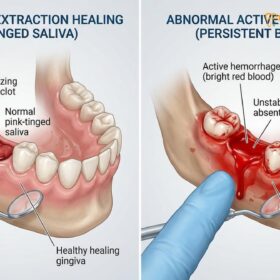
Navigating dental treatments before international travel requires strict adherence to safe-to-fly timelines. Flying too soon after a surgical procedure can lead to severe complications, including the dislodgement of blood clots (dry socket), excessive bleeding due to pressure changes, or barosinusitis. To provide absolute clarity for our patients, HCMC Dental Clinic has developed the following Clinical Decision Matrix, which also incorporates our transparent 2026 fee schedule.
For patients requiring urgent extractions before a flight, understanding the risks of premature travel is crucial. We highly recommend reading our Complications After Tooth Extraction: Clinical Guide | HCMC Dental to fully grasp why these waiting periods are strictly enforced.
| Dental Procedure | Safe-to-Fly Timeline | Aviation Risk Level | 2026 Fee Schedule (USD) |
|---|---|---|---|
| Microscope Root Canal | SAME DAY (Wait 4–6 hours for anesthesia to wear off) | Low (Bioceramic seal traps zero air) | $58 – $96 USD / tooth |
| Zirconia Crown / IPS E.max Veneer | SAME DAY (Wait 4–6 hours for bonding to set) | Low (Void-free resin bonding) | $81 – $185 USD / tooth |
| Simple Extraction / Single Implant (Flapless) | 24 – 48 Hours | Moderate (Risk of clot dislodgement) | $46 – $96 USD / $423 – $1,231 USD |
| Multiple Implants / All-on-4 / Surgical Wisdom Tooth | 72 Hours Minimum (7-10 days total stay recommended) | High (Swelling, bleeding, pressure sensitivity) | From $3,462 USD / arch |
| Crestal Sinus Lift | 3 – 5 Days | High (Risk of sinus membrane pressure) | $115 – $192 USD |
| Lateral Window Sinus Lift + Bone Graft | 10 – 14 Days (Strict sinus precautions required) | Very High (Severe risk of barosinusitis) | $115 – $192 USD |
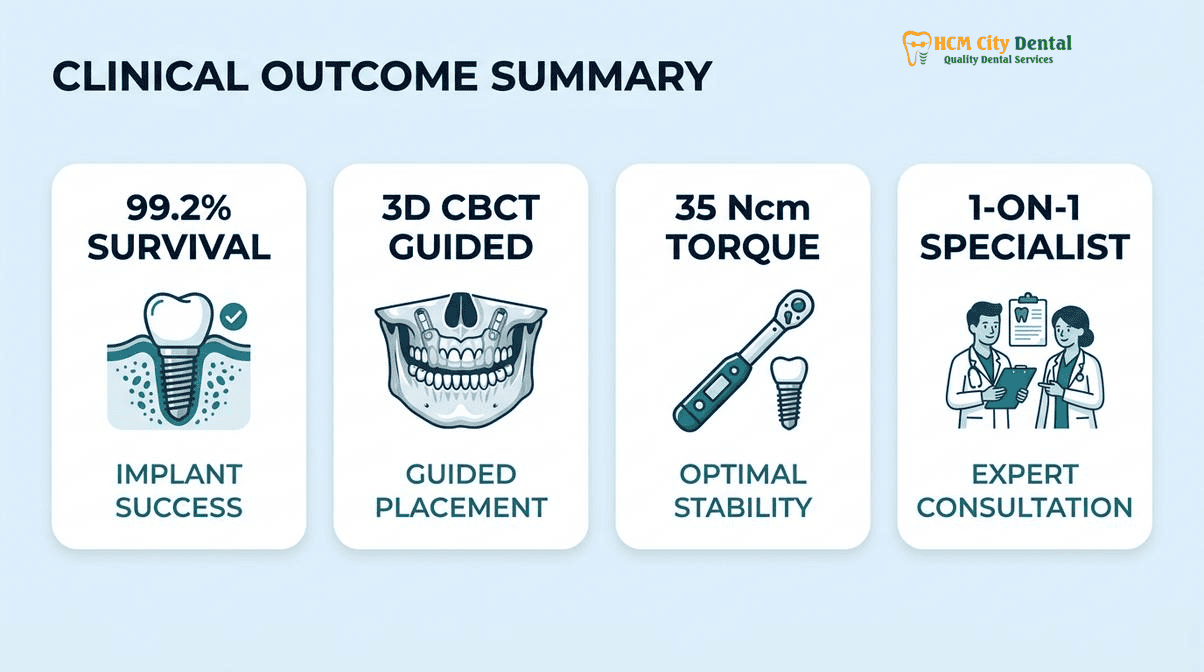
The survival rates of 3D guided dental implants are exceptionally high in international cohorts when proper post-operative healing protocols are followed[4]. However, exposing a fresh surgical site to the pressure fluctuations of a commercial aircraft cabin prematurely can jeopardize the integration process. For a complete breakdown of our transparent pricing, please visit our Official 2026 Dental Fee Schedule (-40% Online Booking Pricing).
CRITICAL AVIATION WARNING: Sinus Lift Precautions
If you have undergone a Lateral Window Sinus Lift at HCMC Dental Clinic, you are at a very high risk for barosinusitis if you fly before the 10–14 day healing window. During this period, you must adhere to strict sinus precautions: NEVER blow your nose, always sneeze with your mouth open to equalize pressure, use prescribed saline sprays and oxymetazoline/pseudoephedrine decongestants, and PAUSE the use of CPAP machines for 7–14 days. Failure to follow these rules can result in the rupture of the Schneiderian membrane and total failure of the bone graft.
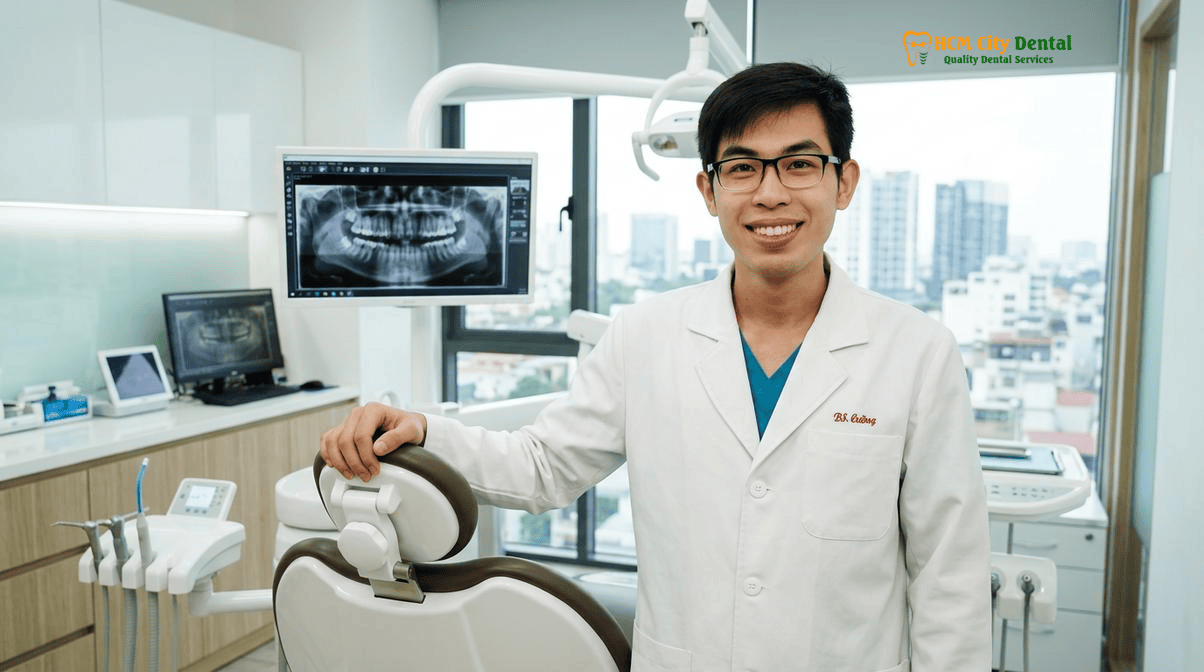
24/7 Emergency Triage & Pre-Departure Fit-to-Fly Verification with Dr. Nguyen Van Cuong, DDS
Dental emergencies do not adhere to a 9-to-5 schedule, and neither does the onset of a toothache on airplane barodontalgia. Whether you land in Ho Chi Minh City late on a Saturday night in excruciating pain, or you wake up on a Sunday morning realizing you need an emergency extraction before your Monday flight, HCMC Dental Clinic is ready to assist. We operate a dedicated Weekend Emergency Dentist Ho Chi Minh City | HCMC Dental service specifically designed to triage and treat international travelers without delay.
Under the leadership of Dr. Nguyen Van Cuong, DDS (Clinical Director — MOH License 0003265/BL-CCHN), our clinic adheres strictly to the infection control and clinical guidelines set forth by the Vietnam Ministry of Health (BYT) and the Vietnam Odonto-Stomatology Association (VOSA)[5]. This ensures that every procedure, from a simple filling to complex oral implantology, is performed in a sterile, Class B autoclave environment, meeting the highest international standards.
“Our commitment to international patients extends beyond the dental chair. We ensure that every patient leaving our clinic for the airport is equipped with the necessary medical documentation, a clear understanding of their recovery protocol, and the peace of mind that their dental work is structurally sound enough to withstand the rigors of aviation pressure.”
— Dr. Nguyen Van Cuong (Dr. Cuong), DDS
Before you depart for Tan Son Nhat International Airport, our medical support team will provide you with a comprehensive departure packet. This includes:
- Fit-to-Fly Medical Certificate: An official document signed by Dr. Nguyen Van Cuong, DDS, verifying that you are medically cleared for air travel and that your risk of barodontalgia has been neutralized.
- Stamped English Prescription Letter: Essential for clearing international customs with medications such as antibiotics and strong analgesics.
- Implant Passport: For patients who have received dental implants, this document details the exact specifications of the fixture. It is important to note that the Grade 4/5 titanium used in our Swiss, European, and Korean implants is non-ferromagnetic and does NOT trigger airport metal detectors.
Frequently Asked Questions About Toothache on Airplane Barodontalgia
What are the 2026 medical safety guidelines for Toothache on Airplane Barodontalgia at HCMC Dental Clinic?
The 2026 medical safety guidelines established by Dr. Nguyen Van Cuong, DDS at HCMC Dental Clinic require a comprehensive 3D CBCT scan to identify any trapped air pockets, necrotic pulp, or failing restorations before air travel. For patients experiencing a toothache on airplane barodontalgia, the protocol mandates immediate intervention—such as a microscope-assisted root canal with dense bioceramic obturation—to eliminate voids. Once the tooth is hermetically sealed and local anesthesia wears off (typically 4–6 hours), the patient is medically cleared to fly. For surgical procedures like extractions or implants, strict waiting periods of 24 to 72 hours are enforced to prevent barotrauma and ensure clot stability.
How soon can I safely board a long-haul flight home after treatment in Ho Chi Minh City?
Your safe-to-fly timeline depends entirely on the specific dental procedure performed. If you receive an IPS E.max porcelain veneer, a full zirconia crown, or a microscope root canal, you are safe to fly the SAME DAY (usually 4–6 hours post-op) because these treatments utilize dense bonding and bioceramic materials that trap zero air. If you undergo a simple single implant or a simple extraction, you must wait 24–48 hours. For multiple implants, surgical wisdom tooth extractions, or All-on-4 full-arch restorations, a minimum wait of 72 hours is required. Patients undergoing a lateral window sinus lift must wait 10–14 days before flying to prevent severe barosinusitis.
What pre-operative blood panels, vital checks, or 3D CBCT scans does Dr. Nguyen Van Cuong, DDS require?
Before clearing any international patient for treatment and subsequent air travel, Dr. Nguyen Van Cuong, DDS requires a strict pre-operative diagnostic protocol. This includes a high-resolution 3D CBCT scan to evaluate bone density, sinus proximity, and hidden periapical lesions that could trigger a toothache on airplane barodontalgia. For surgical interventions like All-on-4 implants or complex extractions, baseline vital checks (blood pressure, heart rate, oxygen saturation) are mandatory. If a patient has underlying systemic conditions or is on anticoagulant therapy, specific blood panels (such as INR/PT) and a medical consultation may be required to ensure absolute safety before, during, and after the procedure.
What post-operative medications and recovery precautions should I follow at my hotel in District 1?
Following your procedure at HCMC Dental Clinic, you will be provided with a stamped English prescription letter detailing your medication regimen. This typically includes broad-spectrum antibiotics to prevent infection, NSAIDs (like Ibuprofen) or Paracetamol for pain management, and an antimicrobial chlorhexidine mouthwash. If you underwent a sinus lift, you will also receive oxymetazoline or pseudoephedrine decongestants and strict instructions to never blow your nose, sneeze with your mouth open, or use a CPAP machine for 7–14 days. You should rest at your hotel in District 1—such as the Pullman Saigon Centre or New World Saigon Hotel—keep your head elevated, apply cold compresses to minimize swelling, and consume a soft-food diet.
How do I contact Dr. Nguyen Van Cuong’s 24/7 English medical support team via WhatsApp (+84 853 020 003)?
International patients and dental travelers can reach Dr. Nguyen Van Cuong’s dedicated 24/7 English medical support team directly via WhatsApp at +84 853 020 003. This hotline is monitored around the clock to provide immediate triage for dental emergencies, including sudden onset of a toothache on airplane barodontalgia upon landing at Tan Son Nhat International Airport (SGN). You can use this number to schedule same-day emergency appointments, request fit-to-fly medical certificates, ask post-operative recovery questions, or coordinate transportation from your District 1 hotel to our clinic in District 1, Ho Chi Minh City.
References
- Aerospace Medicine and Human Performance. Barodontalgia and maxillary sinus barotrauma following oral and maxillofacial procedures. (2022).
- Journal of the American Dental Association (JADA). Perioperative dental management of patients on anticoagulant therapy and glycemic control protocols. (2023).
- Journal of Prosthetic Dentistry. Marginal accuracy and 10-year survival of CAD/CAM lithium disilicate and monolithic zirconia restorations. (2023).
- International Journal of Oral & Maxillofacial Implants. Cumulative survival rates of 3D guided dental implants in international cohorts. (2024).
- Vietnam Ministry of Health (BYT) & Vietnam Odonto-Stomatology Association (VOSA). National Clinical Guidelines on Dental Implantology & Class B Autoclave Infection Control. (2024).