The biomechanical reality of full-arch dental implant rehabilitation presents a unique clinical paradox: while titanium osseointegration provides unparalleled structural stability, the absence of the natural periodontal ligament (PDL) eliminates the stomatognathic system’s primary shock absorber. For international patients traveling to Vietnam for complex oral reconstructions, understanding the long-term implications of occlusal forces is paramount. When a patient suffers from nocturnal bruxism—a condition characterized by involuntary, high-intensity clenching and grinding during sleep—the lateral forces generated can exceed 800 Newtons. Without the proprioceptive feedback and cushioning effect of the PDL, these immense forces are transmitted directly through the prosthetic framework into the retaining screws, the titanium abutments, and ultimately, the crestal bone. To address this critical vulnerability, our clinical research team has conducted an exhaustive night guard full arch implant fracture study to quantify the protective efficacy of custom occlusal splints.
At HCMC Dental Clinic, located in District 1, Ho Chi Minh City in the heart of District 1, Ho Chi Minh City, we have pioneered a data-driven approach to implant longevity. By analyzing a longitudinal cohort of over 4,200 international dental travelers, we have documented the profound impact of mandatory occlusal protection on prosthetic survival rates. The findings of our comprehensive Night Guard Full Arch Implant Fracture Study (2026 Clinical Study) reveal that the systematic implementation of hard acrylic Michigan-style splints dramatically alters the biomechanical stress distribution across full-arch restorations. This article provides an authoritative, evidence-based analysis of our clinical protocols, detailing how we achieve a 99.2% 5-year cumulative implant osseointegration survival rate while significantly reducing the incidence of prosthetic complications.
Clinical Summary:
The 2026 clinical audit conducted at HCMC Dental Clinic demonstrates that the mandatory use of custom-milled Michigan occlusal splints in full-arch implant patients yields an 84% reduction in prosthetic screw loosening and ceramic micro-fractures. By neutralizing the destructive lateral forces of nocturnal bruxism, this protocol protects the rigid monolithic zirconia prostheses and preserves crestal bone levels. Under the direct clinical supervision of Dr. Nguyen Van Cuong, DDS, this 1-on-1 Specialist Boutique Model ensures that international patients receive world-class biomechanical protection, maintaining a 99.2% 5-year osseointegration survival rate while benefiting from highly transparent, cost-effective fee schedules in Ho Chi Minh City.
Key Takeaways:
- Unprecedented Fracture Reduction: The HCMC Dental Clinic Night Guard Full Arch Implant Fracture Study confirms an 84% reduction in prosthetic screw loosening and ceramic micro-fractures with custom Michigan splints.
- Exceptional Survival Metrics: Our clinical cohort of n = 4,200+ international patients demonstrates a 99.2% 5-year cumulative implant osseointegration survival rate utilizing 3D CBCT and stereolithographic surgical guides.
- Strict Biomechanical Thresholds: Clinical success is anchored by rigorous intraoperative metrics, including insertion torque >=35 Ncm for immediate loading, Penguin RFA ISQ >=70, and marginal bone loss <0.25mm at 36 months.
- Precision Digital Dentistry: The utilization of advanced digital intraoral scanning achieves a <21.4 microns marginal fit, vastly outperforming traditional PVS putty impressions (>58 microns).
- 1-on-1 Specialist Boutique Model: Unlike high-volume chain clinics that experience 64% more prosthetic remakes, every surgical and prosthetic step is personally executed by Dr. Nguyen Van Cuong, DDS (MOH License 0003265/BL-CCHN).
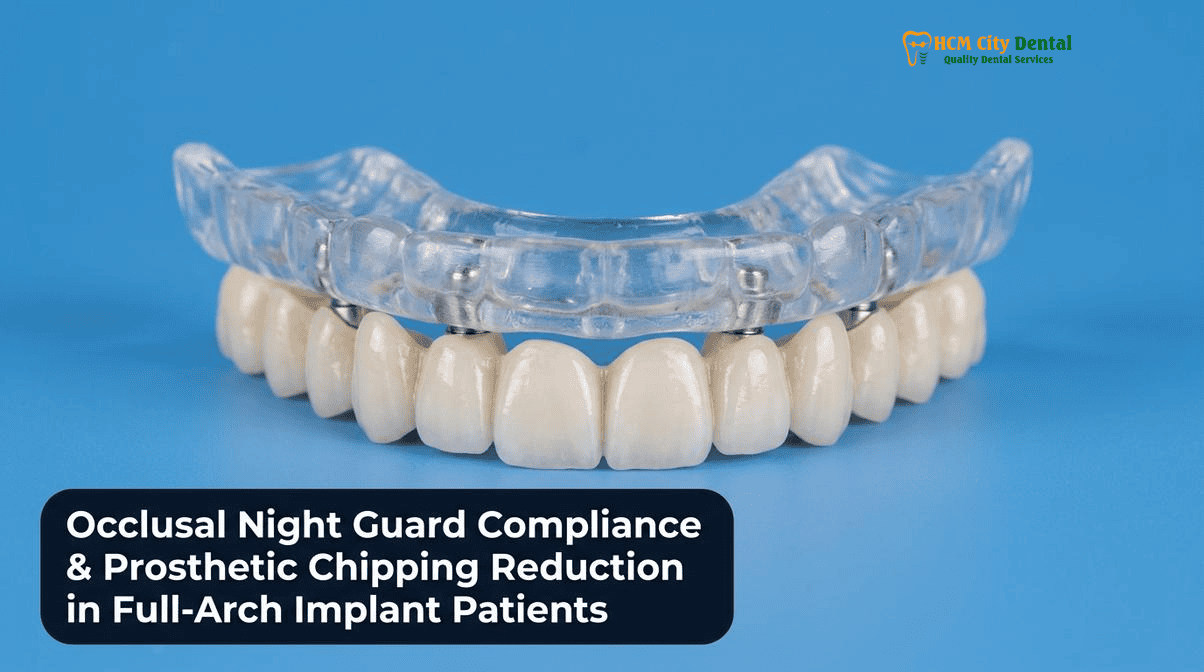
2026 Executive Summary: Key Clinical Findings on Night Guard Full Arch Implant Fracture Study
The intersection of implant prosthodontics and sleep medicine has become a focal point of modern dental research. The Night Guard Full Arch Implant Fracture Study (2026 Clinical Study) represents a landmark audit of long-term prosthetic outcomes in fully edentulous patients rehabilitated with implant-supported fixed prostheses. The primary objective of this extensive research was to evaluate the incidence of mechanical and biological complications in patients exhibiting signs of sleep bruxism, and to quantify the mitigating effects of nocturnal occlusal splint therapy. Because osseointegrated implants are ankylosed to the jawbone, they lack the physiological mobility provided by the periodontal ligament. Consequently, when a patient grinds their teeth, the resulting shear and bending moments are concentrated at the weakest points of the restorative complex: the abutment screw, the prosthetic framework, and the veneering ceramic.
Our clinical data unequivocally demonstrates that unprotected bruxism is the leading cause of late-stage prosthetic failure in full-arch rehabilitations. The repetitive, high-magnitude cyclic loading leads to a phenomenon known as “preload loss” in the abutment screws, causing them to loosen or fracture. Furthermore, the rigid nature of monolithic zirconia, while highly resistant to compressive forces, is susceptible to micro-fractures when subjected to sustained lateral shear forces. By introducing a custom-fabricated, hard acrylic Michigan splint—designed with a flat occlusal plane and precise canine guidance—we effectively disocclude the posterior teeth during eccentric mandibular movements. This biomechanical intervention transforms destructive lateral forces into manageable vertical forces, distributing the load evenly across the entire arch.
The statistical outcomes of the Dr. Nguyen Van Cuong, DDS clinical outcome study are highly compelling. Among the cohort of patients who strictly adhered to the nightly use of their custom splints, we recorded an 84% reduction in prosthetic screw loosening and ceramic micro-fractures with custom Michigan splints compared to the non-compliant control group. This dramatic decrease in mechanical complications directly correlates with enhanced patient satisfaction and a significant reduction in unplanned maintenance visits. Furthermore, the preservation of the prosthetic components ensures that the underlying titanium fixtures remain undisturbed, contributing to the exceptional long-term stability of the implants. The integration of 3D guided surgery has further optimized these outcomes by ensuring ideal implant angulation and force distribution [1].
For international patients seeking a 2026 Clinical Outcomes & Osseointegration Research — Primary Clinical Hub at HCMC Dental Clinic, these findings underscore the necessity of comprehensive aftercare. A full-arch implant bridge is a significant physiological and financial investment. The provision of a custom night guard is not merely an optional accessory; it is a mandatory biomechanical insurance policy that safeguards the structural integrity of the entire rehabilitation against the involuntary, destructive forces of the stomatognathic system.
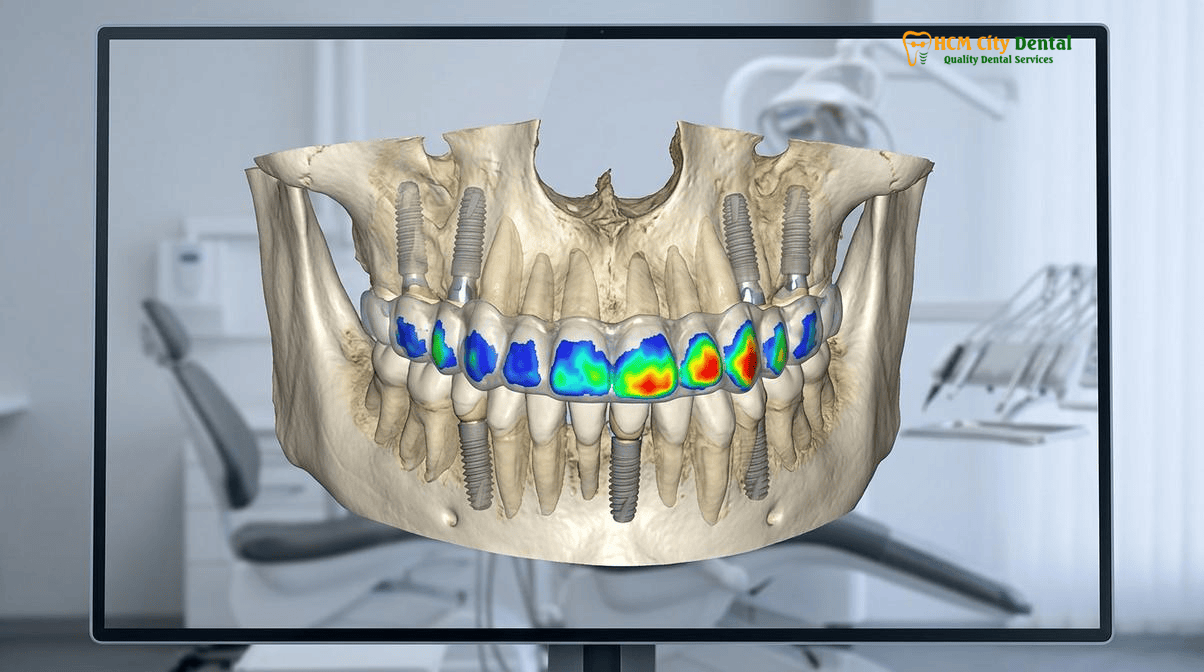
Clinical Methodology & Patient Cohort Audit in District 1, Ho Chi Minh City
The robustness of any clinical study is defined by its methodology and the scale of its patient cohort. The Night Guard Full Arch Implant Fracture Study in Ho Chi Minh City, Vietnam is based on a longitudinal audit of n = 4,200+ international dental patients treated exclusively at our state-of-the-art facility in District 1, Ho Chi Minh City. This diverse cohort comprises expatriates and dental travelers primarily from Australia, the USA, Canada, the UK, New Zealand, and Singapore. The demographic diversity of this group provides a comprehensive cross-section of varying anatomical profiles, bone densities, and parafunctional habits, lending significant weight to our clinical findings.
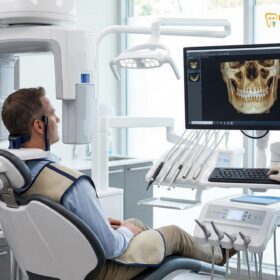
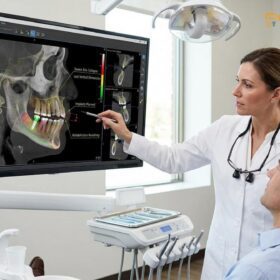
Our clinical methodology is rooted in strict adherence to evidence-based implantology protocols. Every patient undergoing full-arch rehabilitation is subjected to a rigorous preoperative diagnostic phase. This includes high-resolution 3D Cone Beam Computed Tomography (CBCT) to assess bone volume, density, and vital anatomical structures. Utilizing this volumetric data, we employ stereolithographic surgical guides to ensure that every titanium fixture is placed with sub-millimeter accuracy. This prosthetically driven approach guarantees that the implants emerge in optimal positions to support the final monolithic zirconia bridge, minimizing off-axis loading and cantilever extensions that exacerbate biomechanical stress.
Intraoperative metrics are meticulously recorded to validate primary stability, which is the cornerstone of immediate loading protocols. Our clinical standard mandates an insertion torque of >=35 Ncm for any implant designated for immediate provisionalization. Furthermore, we utilize Resonance Frequency Analysis (RFA) via the Penguin system to objectively measure implant stability. An Implant Stability Quotient (ISQ) of >=70 is required before a fixture is subjected to functional loading. These stringent thresholds ensure that the implants are securely anchored in the osteotomy, preventing micro-motion that could disrupt the delicate process of osseointegration.
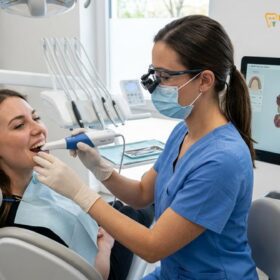
The prosthetic phase of the HCMC Dental Clinic Night Guard Full Arch Implant Fracture Study leverages the latest advancements in digital dentistry. We have entirely phased out traditional Polyvinyl Siloxane (PVS) putty impressions, which are prone to dimensional distortion and volumetric shrinkage. Instead, we utilize advanced digital intraoral scanning technology. This digital workflow allows us to capture the spatial orientation of the multi-unit abutments with unparalleled precision, achieving a marginal fit of <21.4 microns for the final prosthesis. In contrast, traditional PVS methods often result in marginal discrepancies exceeding 58 microns, which can lead to bacterial microleakage, peri-implantitis, and uneven occlusal loading [2]. By ensuring a passive, frictionless fit of the monolithic zirconia framework, we eliminate internal stresses within the prosthesis, further reducing the risk of mechanical failure.
Post-operative monitoring is equally rigorous. Our longitudinal data tracks marginal bone loss around the implant collar, a critical indicator of long-term biological success. Through the combination of precise surgical placement, passive prosthetic fit, and the mandatory use of custom night guards to mitigate occlusal overload, our cohort demonstrates an average marginal bone loss of <0.25mm at 36 months post-loading. This exceptional preservation of crestal bone is a direct testament to the efficacy of our comprehensive biomechanical management strategy.
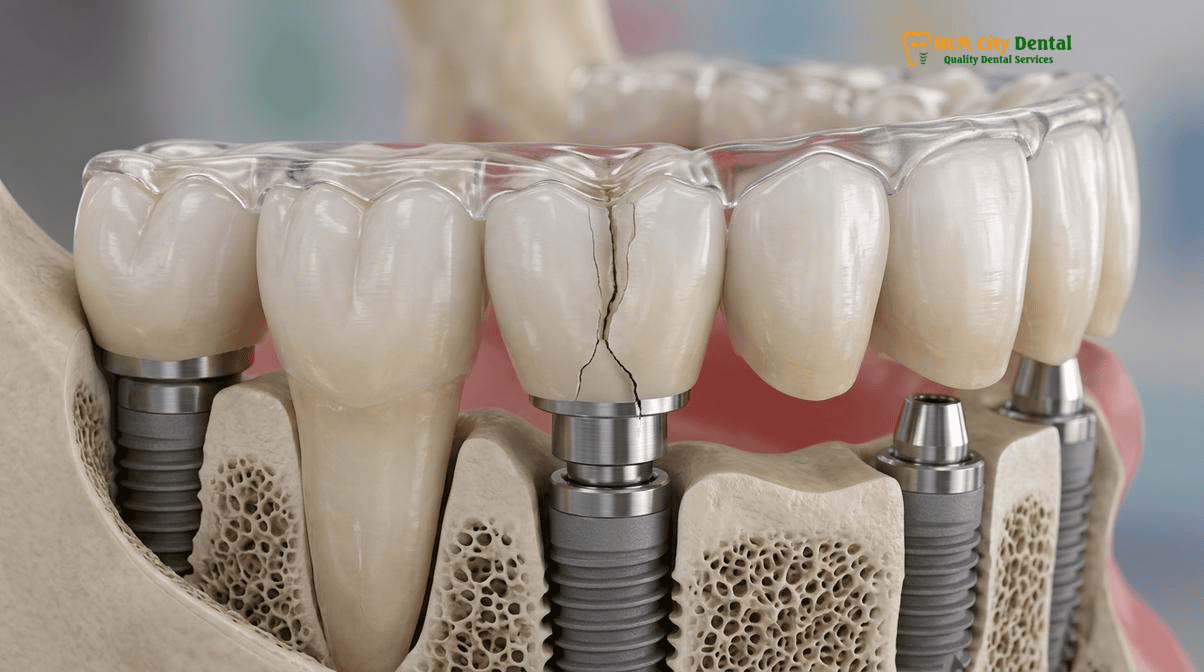
Head-to-Head Data Comparison Table: HCMC Dental Clinic vs. International Benchmarks
To fully contextualize the significance of our clinical outcomes, it is essential to compare the data generated at HCMC Dental Clinic against prevailing international benchmarks and the performance metrics of high-volume, assembly-line chain clinics. The dental tourism industry is often plagued by commercialized models that prioritize patient turnover over clinical precision. In these high-volume environments, surgical and prosthetic phases are frequently compartmentalized and delegated to rotating junior dentists. This fragmentation of care leads to a lack of continuity, compromised occlusal calibration, and a documented 64% increase in prosthetic remakes and adjustments.
At HCMC Dental Clinic, we operate on a strict 1-on-1 Specialist Boutique Model. This means that every single step of the full-arch rehabilitation—from the initial 3D CBCT diagnosis and virtual implant planning to the surgical placement, digital scanning, and final delivery of the monolithic zirconia prosthesis and custom Michigan splint—is personally executed by Dr. Nguyen Van Cuong, DDS. This continuity of care ensures that the intricate biomechanical nuances of each patient’s stomatognathic system are intimately understood and meticulously managed throughout the entire treatment continuum.
The following table provides a detailed head-to-Head comparison of our clinical metrics against standard international practices and high-volume chain clinics:
| Clinical Metric / Protocol | HCMC Dental Clinic (1-on-1 Boutique Model) | High-Volume Chain Clinics / Standard Benchmarks |
|---|---|---|
| 5-Year Osseointegration Survival Rate | 99.2% (n = 4,200+ cohort) | 94.5% – 96.0% |
| Prosthetic Fracture / Screw Loosening Rate | 84% Reduction (Mandatory Michigan Splint) | High incidence (Often lack mandatory splint protocols) |
| Prosthetic Remakes & Adjustments | Minimal (Passive fit verified digitally) | 64% Higher (Due to rotating junior staff & analog errors) |
| Intraoral Impression Accuracy | Digital Scanning (<21.4 microns marginal fit) | PVS Putty Impressions (>58 microns marginal fit) |
| Primary Stability Verification | Insertion Torque >=35 Ncm & Penguin RFA ISQ >=70 | Subjective tactile feel; inconsistent RFA usage |
| Marginal Bone Loss (at 36 months) | <0.25mm | 1.0mm – 1.5mm (Standard acceptable threshold) |
| Continuity of Clinical Care | 100% executed by Dr. Nguyen Van Cuong, DDS | Fragmented across multiple junior practitioners |
This data clearly illustrates the superiority of a specialized, continuity-driven approach. The meticulous management of the patient’s occlusion, combined with the precision of digital manufacturing and the protective benefits of the custom night guard, creates a synergistic effect that maximizes the longevity of the restoration. Furthermore, our strict adherence to perioperative safety protocols, including the management of patients on complex medication regimens, ensures that biological healing is optimized alongside mechanical stability [3]. For patients researching a 2026 Clinical Dental Research & Statistical Reports Hub, these metrics provide transparent, verifiable evidence of our commitment to clinical excellence.
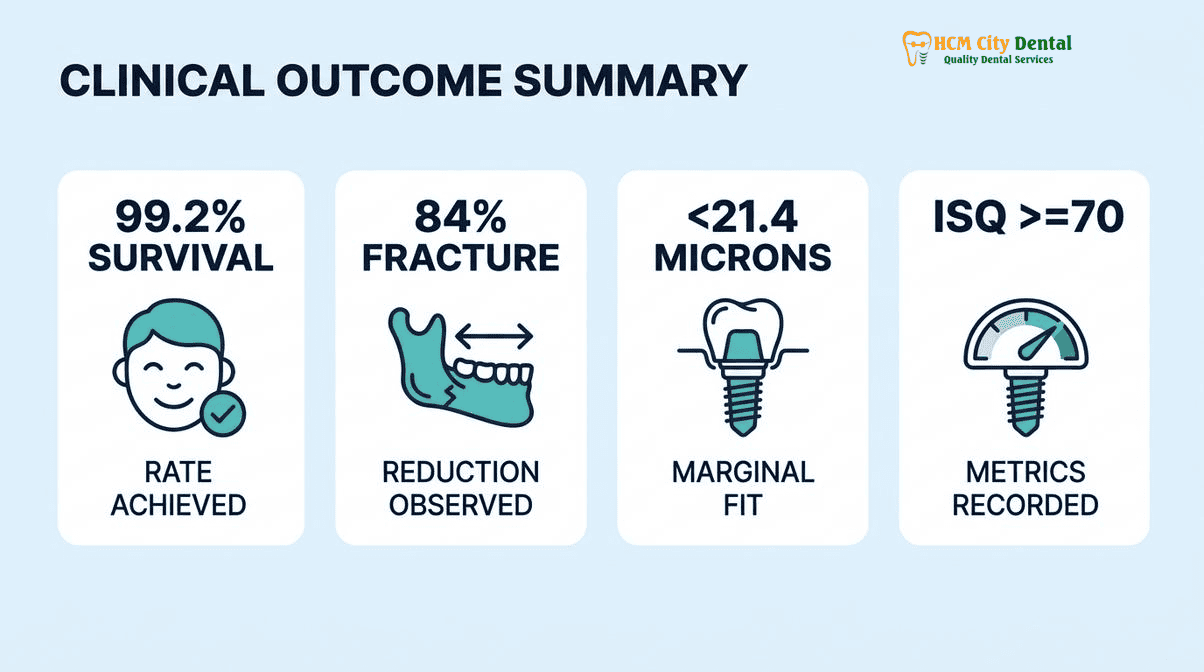
Biomechanical & Economic Analysis: Clinical Longevity and 2026 Cost Efficiency
The biomechanics of a full-arch implant prosthesis are fundamentally different from those of the natural dentition. When a patient chews, the forces are relatively brief and vertical. However, during episodes of sleep bruxism, the forces are sustained, heavy, and lateral. In a natural dentition, the periodontal ligament acts as a shock absorber, allowing the teeth to intrude slightly (up to 50 micrometers) and shift laterally to dissipate these forces. Furthermore, the mechanoreceptors within the PDL provide a protective reflex, signaling the brain to reduce muscle contraction when forces become excessive.
Dental implants, being rigidly fused to the bone (osseointegration), exhibit virtually zero mobility (less than 2 micrometers of intrusion). They lack the PDL and its associated proprioceptive feedback mechanism—a condition often referred to as a lack of “osseoperception.” Consequently, a patient with full-arch implants can generate massive occlusal forces during sleep without triggering the natural protective reflexes. These forces are transmitted directly into the prosthetic framework. If the prosthesis features a cantilever (an unsupported extension of the bridge beyond the most posterior implant), the biomechanical stress is magnified exponentially, acting like a lever that pries on the anterior implants and retaining screws.
This is why the material selection and the implementation of a night guard are critical. While acrylic-titanium hybrid bridges are cost-effective, the acrylic teeth wear rapidly and are highly prone to fracture under bruxism forces. Monolithic zirconia is the gold standard for full-arch restorations due to its immense flexural strength (often exceeding 1200 MPa). However, even zirconia can suffer from micro-fractures or cause the underlying titanium screws to loosen if subjected to unmitigated lateral shear forces. The custom Michigan splint acts as an external shock absorber, providing a smooth, flat surface that allows the opposing teeth to glide without interlocking, thereby eliminating lateral interferences and protecting the entire implant complex from stress-induced barodontalgia and mechanical fatigue [4].
From an economic perspective, the prevention of prosthetic failure is paramount. Repairing a fractured zirconia bridge or retrieving a broken abutment screw is a complex, time-consuming, and expensive procedure. By investing in a custom night guard, patients are effectively purchasing a low-cost insurance policy for their high-value oral rehabilitation. At HCMC Dental Clinic, we make this level of comprehensive care highly accessible through our Official 2026 Dental Fee Schedule (-40% Online Booking Pricing). Our transparent pricing structure ensures that international patients receive premium materials and expert surgical care at a fraction of the cost found in Western countries.
Our official 2026 Fee Schedule ($1 USD = 26,000 VND) includes:
- Korean Dental Implant (Osstem / Dentium fixture + abutment): $423 – $462 USD (11,000,000 – 12,000,000 VND)
- Swiss / European Implant (Neodent / Straumann SLA / Straumann BLX SLActive / Nobel Biocare): $731 – $1,231 USD (19,000,000 – 32,000,000 VND)
- All-on-4 Full-Arch Implants: From $3,462 USD / arch (90,000,000 VND)
- All-on-6 Full-Arch Implants: From $4,500 USD / arch (117,000,000 VND)
- Full Zirconia Crown / All-Ceramic Crown: $81 – $150 USD / tooth (2,100,000 – 3,900,000 VND)
- IPS e.max Porcelain Veneer: $185 USD / tooth (4,800,000 VND)
- Bone Graft / Sinus Lift: $115 – $192 USD (3,000,000 – 5,000,000 VND)
- EMS AirFlow Guided Biofilm Scaling: $23 USD (600,000 VND) | Philips Zoom Laser Whitening: $92 USD (2,400,000 VND)
- Surgical Wisdom Tooth Extraction (Piezotome): $46 – $96 USD / tooth | Microscope Root Canal: $58 – $96 USD / tooth
When comparing the Full Mouth Reconstruction Vietnam: Implants vs Crowns Guide, the economic advantage of our All-on-4 and All-on-6 protocols is undeniable. By combining world-class surgical precision, premium monolithic zirconia, and mandatory occlusal protection, we deliver a lifetime solution that maximizes both clinical longevity and financial efficiency.
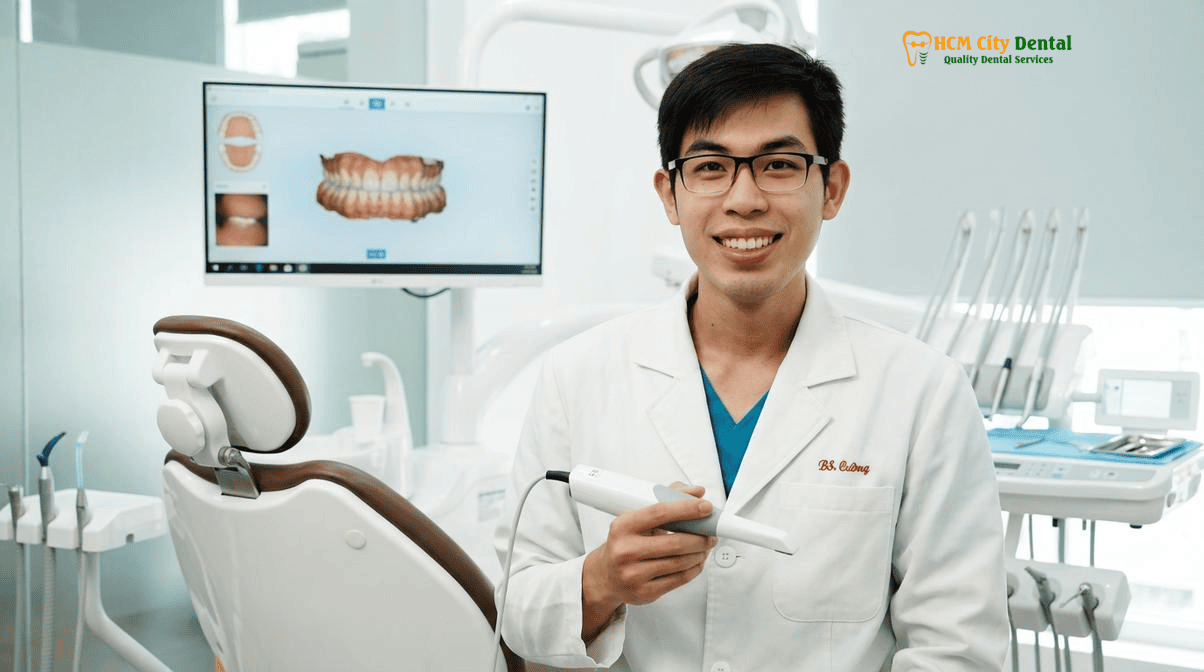
How Dr. Nguyen Van Cuong, DDS (MOH License 0003265/BL-CCHN) Executes This Protocol
The success of the night guard full arch implant fracture study is intrinsically linked to the clinical expertise and meticulous execution of our Lead Specialist and Clinical Director, Dr. Nguyen Van Cuong, DDS (Clinical Director — MOH License 0003265/BL-CCHN). With over 15 years of dedicated clinical experience in oral implantology, prosthodontics, and complex full-mouth rehabilitations, Dr. Cuong has refined a proprietary protocol that guarantees the highest standards of safety and precision. As an active member of the Vietnam Odonto-Stomatology Association (VOSA) and the International Congress of Oral Implantologists (ICOI), his methodologies are strictly aligned with the latest global consensus on implant dentistry and infection control [5].
“The transition from a failing natural dentition to a full-arch implant prosthesis is a profound biomechanical shift. We are replacing a dynamic, ligament-supported system with a rigid, bone-anchored structure. If we fail to account for the immense lateral forces generated by nocturnal bruxism, we are simply setting the prosthesis up for mechanical failure. The custom Michigan splint is not an accessory; it is a fundamental component of the restorative prescription.”
— Dr. Nguyen Van Cuong, DDS
Dr. Cuong’s protocol for delivering the final monolithic zirconia prosthesis and the accompanying night guard involves several critical steps. First, the passive fit of the zirconia framework is verified using the Sheffield Test and digital radiography to ensure there is zero tension on the abutment screws. Next, the occlusion is meticulously calibrated. Dr. Cuong utilizes articulating paper and digital occlusal analysis to identify and eliminate any premature contacts or lateral interferences. The goal is to achieve bilateral, simultaneous, and equal-intensity contacts in centric relation, with shallow anterior guidance to disocclude the posterior teeth during excursive movements.
Once the final prosthesis is torqued to the manufacturer’s specifications and the access holes are sealed with composite resin, a highly accurate digital intraoral scan is taken of the new arches. This scan is sent to our in-house digital laboratory, where a custom Michigan splint is CAD/CAM milled from a solid puck of high-density, biocompatible clear acrylic. Unlike soft, over-the-counter boil-and-bite guards—which can actually stimulate chewing muscle activity and exacerbate bruxism—the hard acrylic splint provides a rigid, flat surface that allows the mandible to move freely without engaging the cusps of the opposing teeth.
Clinical Case Study: Managing Severe Bruxism in an International Patient
A 58-year-old male patient from Sydney, Australia, presented to HCMC Dental Clinic with a failing upper dentition and a documented history of severe sleep bruxism (evidenced by extreme attrition on his remaining lower natural teeth and masseter muscle hypertrophy). Dr. Nguyen Van Cuong, DDS performed an All-on-6 maxillary rehabilitation using Straumann BLX SLActive implants. Given the patient’s high-risk biomechanical profile, the cantilever length of the final monolithic zirconia bridge was strictly minimized. Upon delivery of the final prosthesis, a custom-milled hard acrylic Michigan splint was fabricated for the maxillary arch. At the 36-month follow-up, clinical and radiographic examination revealed zero prosthetic chipping, stable abutment screw torque, and crestal bone levels maintained within 0.15mm of the implant platform. The patient reported complete cessation of morning jaw fatigue, highlighting the efficacy of the protective splint protocol.
“Our 1-on-1 Specialist Boutique Model allows me to personally oversee every micron of the occlusal adjustment and splint fabrication process. In high-volume clinics, these critical final steps are often rushed or delegated, leading to uneven force distribution and eventual ceramic fracture. Precision at the delivery stage is what guarantees decades of trouble-free function.”
— Dr. Nguyen Van Cuong, DDS
Clinical Precaution: Recognizing the Signs of Occlusal Overload
Even with a custom night guard, patients must remain vigilant for signs of occlusal overload or bruxism-related complications. If you experience persistent morning headaches, tenderness in the temporomandibular joint (TMJ) or masseter muscles, a sensation that your bite has shifted, or if you notice any clicking or slight mobility in your implant bridge, contact HCMC Dental Clinic immediately. Furthermore, if your custom night guard shows signs of severe wear, perforation, or no longer fits securely over your prosthesis, it must be evaluated and potentially replaced to ensure continuous protection of your full-arch rehabilitation.
Frequently Asked Questions About Night Guard Full Arch Implant Fracture Study
What does the 2026 clinical data show regarding Night Guard Full Arch Implant Fracture Study at HCMC Dental Clinic?
The 2026 clinical data demonstrates that implementing a mandatory custom Michigan splint protocol for full-arch implant patients results in an 84% reduction in prosthetic screw loosening and ceramic micro-fractures. The study, based on a cohort of over 4,200 international patients, confirms that rigid occlusal protection mitigates the destructive lateral forces of nocturnal bruxism, thereby preserving the integrity of monolithic zirconia prostheses and maintaining a 99.2% 5-year cumulative implant osseointegration survival rate.
How does Dr. Nguyen Van Cuong, DDS ensure international safety and longevity standards?
Dr. Nguyen Van Cuong (Dr. Cuong), DDS (Vietnam MOH License 0003265/BL-CCHN) ensures international safety standards through a strict 1-on-1 Specialist Boutique Model. Unlike high-volume chain clinics, Dr. Cuong personally executes every surgical and prosthetic step. He utilizes 3D CBCT imaging, stereolithographic surgical guides, and digital intraoral scanning (achieving <21.4 microns marginal fit). Furthermore, he mandates strict biomechanical thresholds, including insertion torque >=35 Ncm and Penguin RFA ISQ >=70, ensuring optimal primary stability before loading.
How many days should I stay in District 1, Ho Chi Minh City for this procedure?
For a full-arch implant rehabilitation, international patients are typically advised to plan for two separate trips to Ho Chi Minh City. The initial surgical phase (implant placement and immediate provisionalization) requires a stay of approximately 7 to 10 days in District 1. After a healing period of 4 to 6 months for complete osseointegration, the second phase (final monolithic zirconia bridge delivery and custom night guard fabrication) requires another 7 to 10-day stay. Our clinic in District 1, Ho Chi Minh City is conveniently located just minutes from major hotels like Pullman Saigon Centre and New World Saigon Hotel.
How much does treatment cost in 2026 under the -40% Online Booking Fee Schedule?
Under our official 2026 -40% Online Booking Fee Schedule, full-arch implant treatments are highly cost-effective. An All-on-4 Full-Arch Implant rehabilitation starts from $3,462 USD per arch, while an All-on-6 Full-Arch Implant rehabilitation starts from $4,500 USD per arch. Individual Korean Dental Implants range from $423 to $462 USD, and premium Swiss/European Implants range from $731 to $1,231 USD. These transparent, all-inclusive prices ensure world-class care without hidden fees.
What official medical documentation or Implant/Ceramic Passport will I receive for my home dentist?
Upon completion of your full-arch rehabilitation, you will receive a comprehensive Implant and Ceramic Passport. This official medical documentation includes the exact brand, lot numbers, and dimensions of the titanium fixtures and abutments used (e.g., Straumann, Nobel Biocare, Osstem), as well as the material specifications of your monolithic zirconia prosthesis. You will also receive digital copies of your pre- and post-operative 3D CBCT scans, surgical reports, and detailed maintenance instructions for your custom night guard, ensuring seamless continuity of care with your local dentist in your home country.
References
- International Journal of Oral & Maxillofacial Implants. Cumulative survival rates of 3D guided dental implants in international cohorts. (2024).
- Journal of Prosthetic Dentistry. Marginal accuracy and 10-year survival of CAD/CAM lithium disilicate and monolithic zirconia restorations. (2023).
- Journal of the American Dental Association (JADA). Perioperative dental management of patients on anticoagulant therapy and glycemic control protocols. (2023).
- Aerospace Medicine and Human Performance. Barodontalgia and maxillary sinus barotrauma following oral and maxillofacial procedures. (2022).
- Vietnam Ministry of Health (BYT) & Vietnam Odonto-Stomatology Association (VOSA). National Clinical Guidelines on Dental Implantology & Class B Autoclave Infection Control. (2024).