Navigating a dental insurance tax offset in Vietnam requires a strategic understanding of both your home country’s tax codes and your private health insurance policies. By securing itemized invoices with internationally recognized codes, patients undergoing major restorative work can legally claim deductions, maximizing their financial returns while receiving world-class clinical care.
Clinical Summary:
Undergoing complex dental procedures in Vietnam offers substantial cost savings, which can be further optimized through strategic insurance claims and tax offsets. Patients utilizing a private dental insurance claim or seeking a medical expense tax offset must ensure their overseas clinic provides comprehensive clinical documentation, including CBCT 3D bone diagnostics and ADA-coded itemized invoices. Dr. Nguyen Van Cuong emphasizes that proper pre-authorization, meticulous record-keeping, and clear diagnostic narratives are as critical to financial reimbursement as the clinical precision of the procedures themselves.
Key Takeaways:
- Overseas dental treatments can qualify for tax offsets if deemed medically necessary for structural or functional restoration.
- Properly formatted itemized ADA invoices are mandatory for successful international insurance reimbursement.
- Cosmetic procedures are generally excluded from tax deductions, whereas restorative implants and bone grafting are eligible.
- Pre-authorization via remote consultation helps establish clear treatment timelines and ensures hidden cost avoidance.
- HCMC Dental Clinic provides comprehensive documentation to support international billing and tax compliance.
Will My Private Dental Insurance Cover Treatment in Vietnam?
Many private dental insurance policies offer out-of-network benefits that cover treatments performed internationally, provided the procedures are medically necessary, properly documented, and submitted with recognized billing codes.
The landscape of global healthcare has evolved, making dental tourism HCMC a highly viable option for patients seeking advanced restorative care. A common misconception is that private health insurance policies strictly limit coverage to domestic providers. In reality, many premium tier insurance plans include out-of-network or global coverage clauses. When initiating a private health insurance dental claim for treatment received in Vietnam, the primary requirement from the insurer is proof of medical necessity and adherence to standard clinical protocols.
Insurance companies evaluate claims based on the functional deficit being corrected. For instance, replacing a missing tooth with a dental implant to restore masticatory function and prevent adjacent tooth migration is classified as a medically necessary restorative procedure. Conversely, replacing a structurally sound but discolored tooth with a veneer is deemed cosmetic and is typically excluded from coverage. To bridge this gap, clinics must provide exhaustive clinical documentation. This includes pre-operative panoramic radiographs, periodontal charting, and a detailed narrative report explaining the diagnosis. The concept of biological width and the necessity of achieving a precise margin fit must be clearly articulated in the clinical notes to justify the intervention [1].
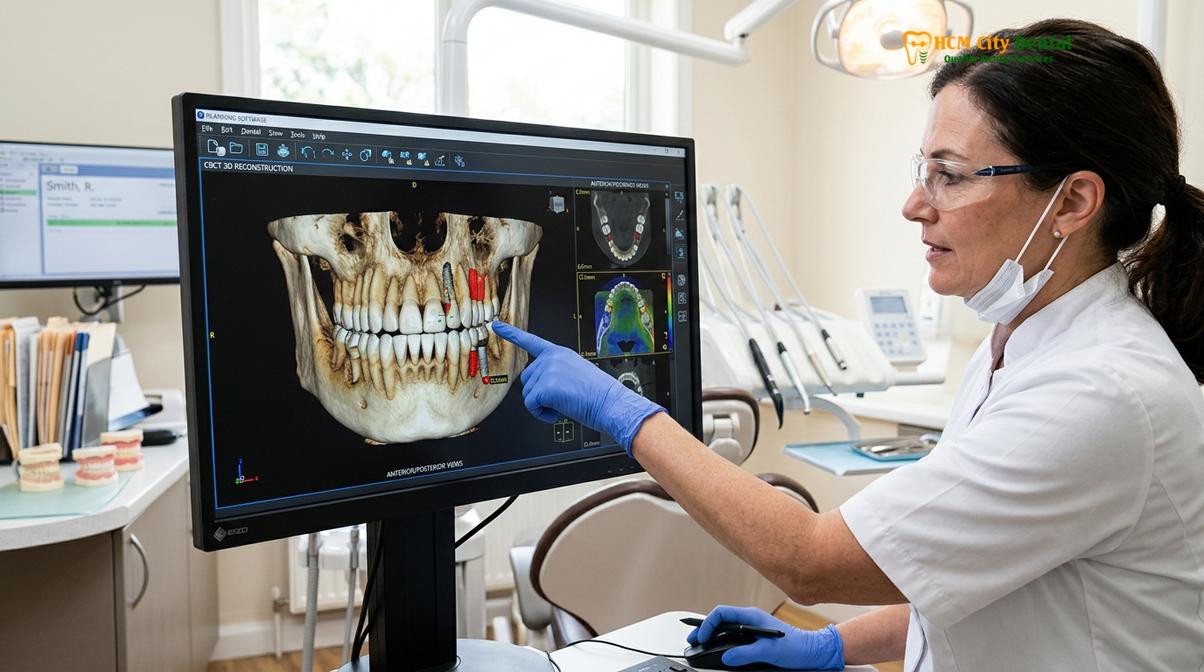
Patients must proactively contact their insurance providers before traveling to confirm their out-of-network reimbursement rates. Some policies may cover a percentage of the “usual, customary, and reasonable” (UCR) fee for a specific procedure. Because the full mouth reconstruction cost in Vietnam is significantly lower than the UCR fee in countries like the US or Australia, patients often find that their insurance reimbursement covers a substantial portion—if not the entirety—of their out-of-pocket expenses for the overseas treatment.
The Australian Net Medical Expenses Tax Offset (NMETO) Guide
Australian residents can claim a tax offset for eligible overseas dental treatments, significantly reducing the net cost of complex restorative procedures by deducting eligible out-of-pocket medical expenses.
For Australian expatriates and dental tourists, understanding the nuances of the Australian Taxation Office (ATO) regulations regarding medical expenses is crucial. While the Net Medical Expenses Tax Offset (NMETO) has undergone legislative changes, specific provisions still exist for disability aids, attendant care, and certain medically necessary restorative procedures. When claiming a tax offset medical expenses deduction, the ATO requires clear differentiation between elective cosmetic dentistry and essential medical rehabilitation.
Treatments that address severe physiological deficits, such as bite collapse, temporomandibular joint (TMJ) disorders, or the inability to masticate due to widespread tooth loss, are viewed through a medical lens. Restoring the Vertical Dimension of Occlusion (VDO) is a prime example of a functional rehabilitation that transcends cosmetic enhancement. When a patient suffers from severe attrition or posterior bite collapse, the resulting neuromuscular imbalance can lead to chronic pain and digestive issues. Correcting this through a comprehensive full mouth rehabilitation is a medical necessity [2].
“The distinction between cosmetic enhancement and functional rehabilitation is defined by the restoration of the physiologic rest jaw position and the stabilization of the temporomandibular joint. Proper documentation of these functional deficits is paramount for tax and insurance compliance.”
Dr. Nguyen Van Cuong frequently consults with Australian patients at HCMC Dental Clinic, ensuring that their treatment plans are meticulously documented to support their claims. By providing comprehensive diagnostic records, including cephalometric analyses and neuromuscular evaluations, the clinic empowers patients to present a robust case to the ATO, maximizing their eligible medical expense tax offset.
Claiming Dental Expenses in the US: IRS Medical Deduction Rules
US taxpayers can deduct out-of-pocket dental expenses that exceed a specific percentage of their adjusted gross income, provided the treatments are for disease prevention, diagnosis, or structural restoration.
For United States citizens, the Internal Revenue Service (IRS) provides specific guidelines under Publication 502 regarding deductible medical and dental expenses. Taxpayers who itemize their deductions on Schedule A (Form 1040) can deduct the amount of their total medical and dental expenses that exceed a certain percentage of their Adjusted Gross Income (AGI). This IRS medical tax deduction applies to amounts paid for the prevention and alleviation of dental disease, making major restorative work in Vietnam highly relevant for tax planning.
Eligible expenses include fees paid for X-rays, fillings, braces, extractions, dentures, and dental implants. The IRS explicitly states that treatments to alleviate dental disease or restore structural integrity are deductible. For example, the surgical placement of implants utilizing All-on-4/6 structural biomechanics, the application of a locator snap-on attachment for overdentures, or vital pulp capping (using MTA/Biodentine) to save a diseased tooth all qualify. However, teeth whitening and purely cosmetic veneers do not qualify for the IRS medical tax deduction.
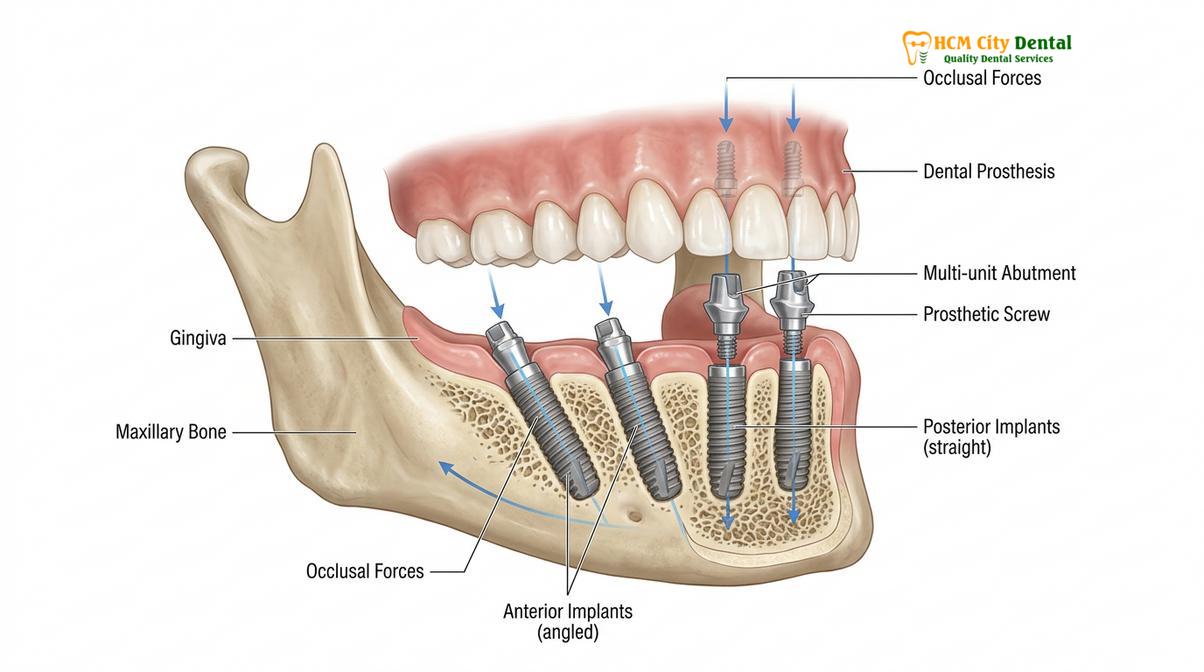
To successfully claim these deductions, taxpayers must maintain impeccable records. This includes keeping all receipts, proof of international wire transfers or credit card statements, and most importantly, an itemized clinical invoice. Furthermore, travel expenses directly related to receiving medical care—such as airfare to Ho Chi Minh City—may also be partially deductible, though strict rules apply regarding lodging limits and the primary purpose of the trip. Patients utilizing payment plans installment options must note that expenses are generally only deductible in the tax year they are actually paid.
Preparing Itemized Invoices with ADA Codes for Claim Success
Securing an itemized invoice with precise American Dental Association (ADA) clinical codes is the most critical step in ensuring your international dental claim is processed without delays or rejections.
The cornerstone of any successful private dental insurance claim or tax deduction is the itemized ADA invoice. Insurance adjudicators and tax auditors do not evaluate claims based on generalized descriptions like “dental work” or “tooth repair.” They require standardized nomenclature to determine the exact nature, scope, and necessity of the procedure. The American Dental Association’s Current Dental Terminology (CDT) codes serve as this universal language.
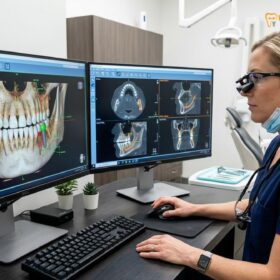
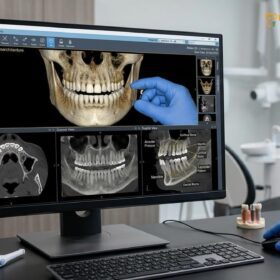
When a patient completes treatment at HCMC Dental Clinic, the international billing department generates a comprehensive invoice detailing every phase of the clinical workflow. This includes diagnostic imaging (CBCT 3D bone diagnostics), surgical interventions (guided bone regeneration, implant placement), and prosthodontic delivery. Each line item is paired with its corresponding itemized invoice code, the specific tooth number or oral cavity quadrant, and the fee incurred.
| ADA Code | Clinical Procedure Description | Insurance / Tax Classification |
|---|---|---|
| D0367 | Cone Beam CT Capture and Interpretation | Diagnostic / Medically Necessary |
| D6010 | Surgical Placement of Implant Body: Endosteal | Surgical / Restorative |
| D4265 | Biologic Materials to Aid in Soft and Osseous Tissue Regeneration | Surgical / Periodontal |
| D2740 | Crown – Porcelain/Ceramic Substrate | Prosthodontic / Restorative |
| D9243 | Intravenous Moderate (Conscious) Sedation/Analgesia | Adjunctive / Medically Necessary |
In addition to the coded invoice, successful claims often require supporting evidence. A Digital Smile Design (DSD) mock-up, pre- and post-operative photographs, and records establishing the physiologic rest jaw position provide undeniable proof of the clinical necessity. This level of transparency is essential for hidden cost avoidance and ensures that the patient’s home insurance provider has zero ambiguity regarding the treatments rendered [3].
WhatsApp Pre-authorization Protocols for Insurance Claims
Initiating a WhatsApp pre-authorization allows patients to receive preliminary diagnostic reviews, secure treatment discounts, and obtain necessary insurance documentation before traveling.
Modern dental tourism relies heavily on efficient digital communication. Before booking flights to Saigon, international patients can initiate a remote consultation via WhatsApp. By securely transmitting recent panoramic X-rays or local dental reports, patients allow the clinical team to formulate a preliminary treatment plan. This pre-authorization phase is critical for patients intending to file a private health insurance dental claim, as it allows them to submit a pre-treatment estimate to their insurer to confirm coverage levels before incurring any costs.
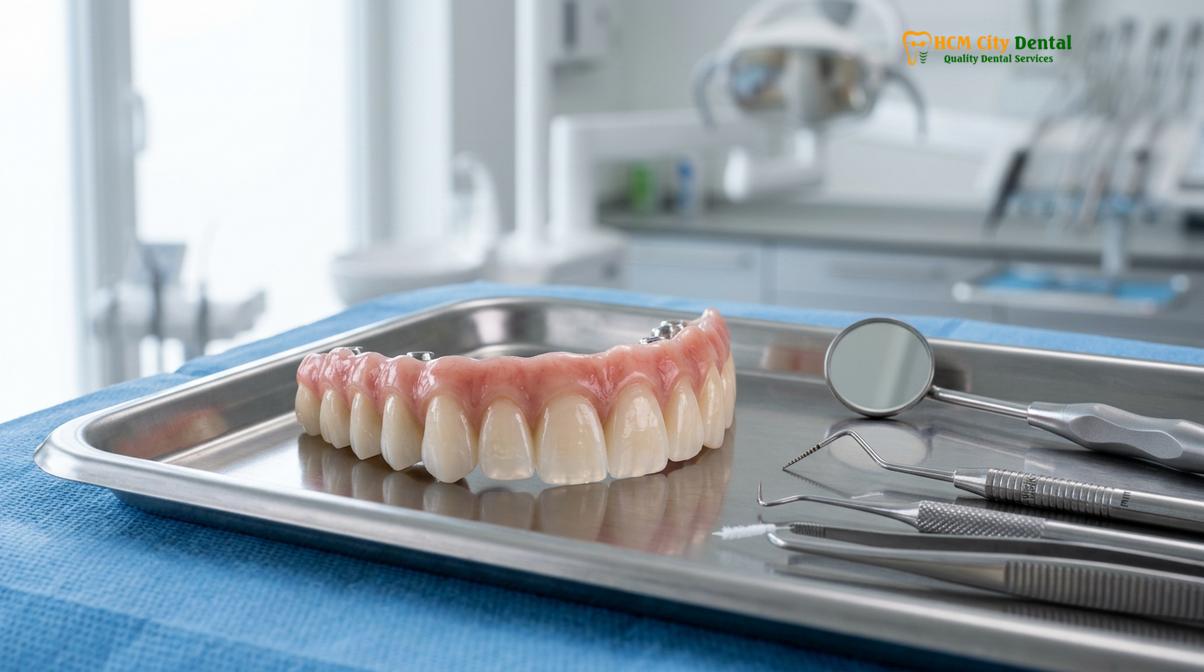
Furthermore, engaging in this pre-arrival protocol unlocks significant financial benefits. According to the latest clinic fee schedule, patients who pre-book their treatments via WhatsApp receive a 40% discount on major procedures. This transparent pricing structure is a key element of hidden cost avoidance.
Current Pricing Structure (Walk-in vs. WhatsApp Pre-booking):
- Single Implant (Fixture & Abutment only – Crown excluded):
- Economy (Dentis/Neo Biotech): Walk-in: ~$770 | WhatsApp pre-booking: From $460 (-40%).
- Economy Plus (Dentium Hàn): Walk-in: ~$900 | WhatsApp pre-booking: From $540 (-40%).
- Standard (Dentium Superline Mỹ / IBS): Walk-in: ~$1,090 | WhatsApp pre-booking: From $655 (-40%).
- Premium (Ritter Đức / B&B Ý): Walk-in: ~$1,600 | WhatsApp pre-booking: From $965 (-40%).
- Premium Plus (Straumann BLT-SLA): Walk-in: ~$1,795 | WhatsApp pre-booking: From $1,080 (-40%).
- High-End (Straumann Active): Walk-in: ~$2,250 | WhatsApp pre-booking: From $1,350 (-40%).
- Crown on Implant: Walk-in: ~$260 – $385 | WhatsApp pre-booking: From $155 – $230 per tooth.
- Full Mouth Rehabilitation Packages:
- Full Arch Zirconia Bridge on Implants (All-on-4 / All-on-6): Walk-in: ~$12,000 – $22,000 | WhatsApp pre-booking: From $7,200 – $13,200 per arch.
- Snap-On Overdenture (Implant-supported): Walk-in: ~$5,000 – $8,000 | WhatsApp pre-booking: From $3,000 – $4,800 per arch.
- Full Mouth Crowns (14 crowns per arch, Zirconia HT): Walk-in: ~$3,640 per arch | WhatsApp pre-booking: From $2,184 per arch.
This structured approach not only clarifies the financial commitment but also ensures that all global manufacturer warranty cards (offering 10-year to lifetime implant fixture guarantees) and remote post-op checkups are seamlessly integrated into the patient’s care plan.
Clinical Workflows in Full Mouth Rehabilitation
Advanced full mouth rehabilitation combines neuromuscular dentistry, 3D digital planning, and biocompatible materials to restore both optimal masticatory function and facial aesthetics.
Understanding the clinical depth of the procedures being claimed is essential for both the patient and the insurance adjudicator. Full mouth rehabilitation is not merely a series of individual tooth repairs; it is a comprehensive overhaul of the stomatognathic system. The process begins with establishing the correct Vertical Dimension of Occlusion (VDO). When teeth are lost or severely worn, the bite collapses, leading to muscle fatigue, TMJ misalignment, and a prematurely aged facial appearance. Correcting this requires diagnostic temporary splints that transition the patient into a new, physiologically sound bite before any permanent bio-inert restorations are placed.
The integration of Digital Smile Design (DSD) is pivotal in this phase. DSD involves creating 3D digital mock-ups and tooth wax-ups. These allow the clinician to verify phonetic compatibility and chewing guidance before any irreversible tooth preparation occurs. This digital workflow ensures that the final prosthetics will function harmoniously within the patient’s unique neuromuscular envelope [4].
Clinical Case Study: Functional Rehabilitation
A 58-year-old expatriate presented at HCMC Dental Clinic with severe posterior bite collapse and chronic TMJ pain. Utilizing CBCT 3D bone diagnostics and DSD, the clinical team planned a full arch rehabilitation. The treatment utilized All-on-6 structural biomechanics in the maxilla and mandibular monolithic zirconia crowns. By restoring the VDO, the patient’s muscle fatigue was eliminated. The detailed ADA-coded invoice provided by the clinic allowed the patient to successfully claim a significant medical expense tax offset in their home country.
For extensive surgical phases, patient comfort and safety are paramount. Dr. Nguyen Van Cuong advocates for the use of IV Conscious Sedation for complex rehabilitations. Administered under the supervision of a board-certified anesthesiologist, protocols utilizing Midazolam and Propofol ensure an anxiety-free and pain-free experience, complete with continuous EKG monitoring. This adjunctive service is often covered by insurance when deemed medically necessary for extensive surgical interventions.
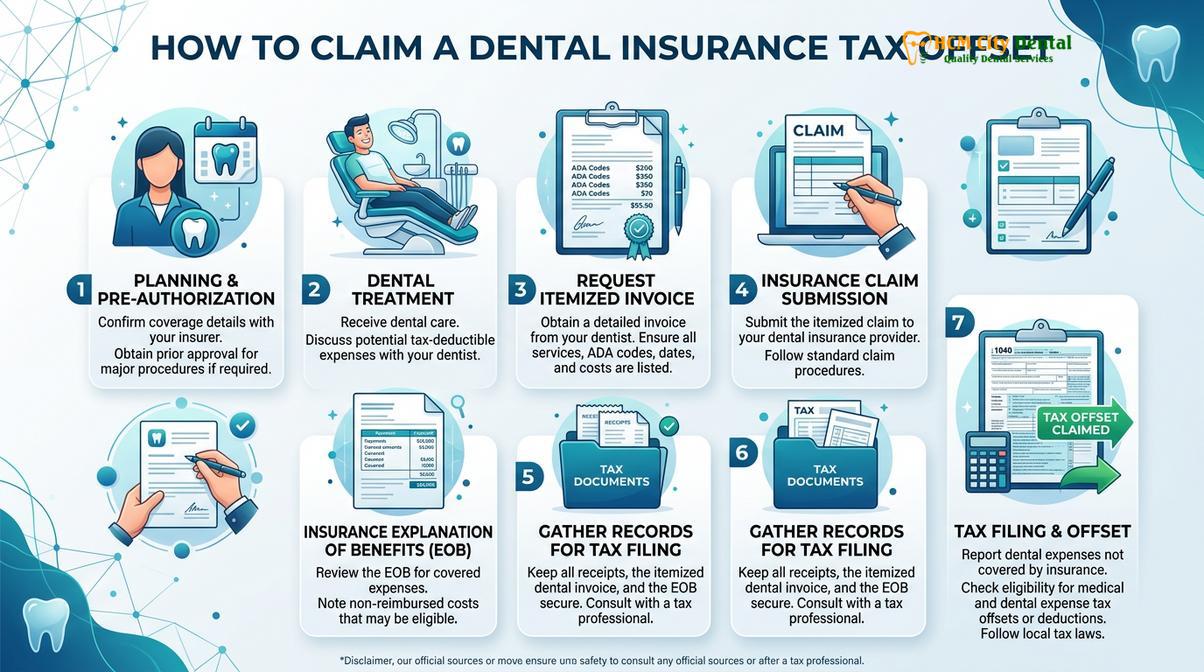
Surgical success is further enhanced by advanced biological techniques such as the use of Platelet-Rich Fibrin (PRF). By drawing a small amount of the patient’s autologous blood and centrifuging it to isolate growth factors, clinicians can significantly accelerate bone grafting integration and gum healing. Once the foundation is secure, the final restorations are fabricated using Biocompatible Monolithic Zirconia. Sourced from premium Swiss and German brands, this metal-free, bio-inert material achieves a margin fit under 50 micrometers, ensuring long-term periodontal health and preventing microleakage [5].
“The longevity of a full mouth rehabilitation relies entirely on the precision of the margin fit and the biocompatibility of the materials used. Monolithic zirconia provides the ideal balance of flexural strength and soft tissue integration, minimizing the risk of peri-implantitis.”
When to See a Doctor for Full Mouth Rehabilitation
Recognizing the clinical signs that necessitate comprehensive restorative intervention is the first step toward rehabilitation. You should seek a professional prosthodontic evaluation if you experience any of the following symptoms:
- Severe Bite Collapse: Noticeable shortening of the lower third of the face, often accompanied by deep creases at the corners of the mouth (angular cheilitis).
- Chronic TMJ Pain and Muscle Fatigue: Persistent aching in the jaw joints, frequent tension headaches, or reliance on TENS therapy for muscle relaxation.
- Widespread Tooth Mobility or Loss: Difficulty chewing solid foods, leading to digestive issues and nutritional deficiencies.
- Advanced Attrition: Teeth that are worn down to the dentin, causing severe thermal sensitivity and structural weakness.
Important Clinical Considerations: Dental implant surgery and full mouth rehabilitation have specific contraindications. Patients with uncontrolled diabetes, active periodontal disease, or those currently undergoing intravenous bisphosphonate therapy for osteoporosis may not be immediate candidates for surgical implant placement. A comprehensive clinical examination, including CBCT imaging and blood panels, is required to determine individual candidacy and ensure a high success rate.
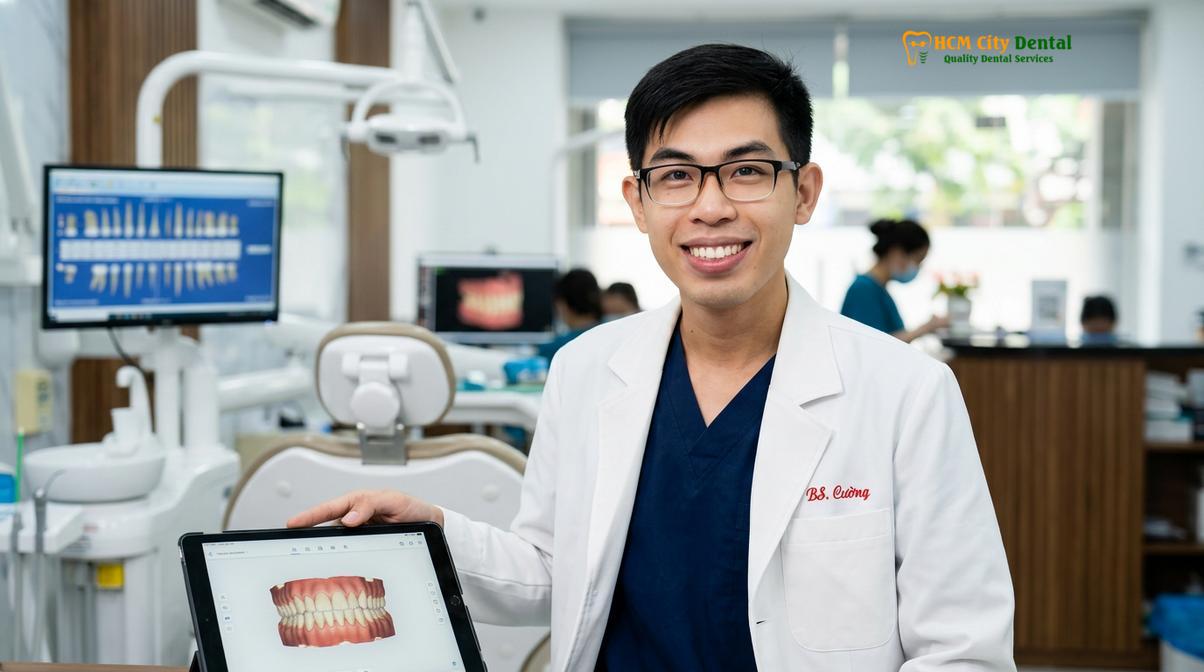
By combining meticulous clinical execution with rigorous administrative documentation, patients can achieve life-changing dental restorations while navigating the complexities of international insurance and tax regulations. Proper planning, transparent communication with your clinic, and a thorough understanding of your financial entitlements are the keys to a successful dental tourism experience.
Frequently Asked Questions
How do I claim dental work done in Vietnam on my tax return?
To claim overseas dental work on your tax return, you must obtain a translated, itemized ADA invoice and proof of payment from your clinic. These documents are submitted alongside your annual tax filing, such as Schedule A for the IRS or the relevant medical expense offset form for the ATO, proving the treatments were medically necessary rather than purely cosmetic.
What dental codes does HCMC Dental use on invoices?
HCMC Dental Clinic utilizes standard American Dental Association (ADA) Current Dental Terminology (CDT) codes on all international invoices. Common codes include D6010 for surgical implant placement, D2740 for porcelain/ceramic crowns, and D1510 for space maintainers, ensuring seamless processing for your private health insurance dental claim.
Does travel insurance cover complications from overseas dental work?
Standard travel insurance typically only covers emergency dental pain relief or trauma resulting from an accident during your trip. It generally excludes complications arising from planned medical tourism or elective restorative procedures; therefore, specialized medical tourism insurance is recommended for comprehensive coverage.
Are dental implants considered a deductible medical expense?
Yes, dental implants are generally considered a deductible medical expense by most tax authorities because they restore structural masticatory function and prevent bone loss. Unlike cosmetic teeth whitening, implants treat a specific physiological defect, making them eligible for a medical expense tax offset when properly documented.
Can I use a payment plan for my treatment in Vietnam?
Yes, many international patients utilize payment plans installment options to manage the cost of extensive treatments. Clinics often allow staged payments aligned with the clinical phases of treatment, such as paying a portion during the surgical implant placement and the remainder during the final prosthetic delivery.
References
- Journal of Clinical Periodontology. Biocompatible dental materials and soft tissue response. (2019).
- The Journal of Prosthetic Dentistry. Vertical dimension of occlusion restoration parameters. (2021).
- Journal of Esthetic and Restorative Dentistry. Digital smile design functional protocols. (2018).
- International Journal of Prosthodontics. Biomechanical load distribution in All-on-4 restorations. (2020).
- Clinical Oral Implants Research. Platelet-rich fibrin in guided bone regeneration. (2022).
For customized treatment planning, transparent cost estimates, and direct consultation with Dr. Cuong, visit our comprehensive Full Mouth Rehabilitation service page or message our team directly via WhatsApp to receive an instant assessment.