Composite veneers same day treatments offer an immediate, minimally invasive solution for correcting minor dental imperfections in a single clinical visit. By utilizing advanced resin materials, dentists can sculpt, cure, and polish the restoration directly on the tooth, providing a highly aesthetic result without laboratory wait times.
Clinical Summary:
Direct composite veneers represent a conservative approach to aesthetic dentistry, allowing clinicians to reshape, recolor, and realign teeth in a single appointment. Unlike indirect ceramics that require laboratory fabrication, modern direct bonding utilizes advanced nano-hybrid resins that mimic the optical properties of natural enamel. The procedure is highly technique-sensitive, relying on the clinician’s artistic skill to manage translucency, surface texture, and marginal adaptation. With minimal to no enamel reduction required, this treatment preserves the biological integrity of the tooth while delivering immediate cosmetic enhancements. Advanced digital diagnostics, such as intraoral scanning and 3D smile design, further optimize the predictability and precision of the final outcome.
Key Takeaways:
- Completed entirely in a single clinical visit, eliminating the need for temporary restorations or laboratory waiting periods.
- Utilizes advanced nano-hybrid composite resins that offer excellent polishability and natural optical properties.
- Highly conservative procedure, often requiring zero to minimal enamel reduction (prep-less approach).
- Cost-effective alternative to indirect ceramics, with easy chairside repairability if chipping occurs.
- Requires meticulous oral hygiene and regular professional polishing to maintain surface luster and prevent staining.
The Art of Direct Chair-Side Composite Layering
Direct chair-side composite layering is a highly technique-sensitive procedure where the clinician freehand sculpts resin directly onto the enamel, achieving immediate aesthetic improvements.
The evolution of cosmetic dentistry has introduced a variety of modalities for smile enhancement, but few offer the immediate gratification of a direct bonding same day procedure. Unlike indirect restorations, which require a physical or digital impression to be sent to a laboratory where a technician fabricates the veneer from a ceramic ingot, direct composite veneers are created entirely in the dental chair. This process demands a profound understanding of dental anatomy, color science, and material handling. The clinician must act as both the architect and the artist, building the tooth structure layer by layer to replicate the intricate nuances of natural dentition.[1]
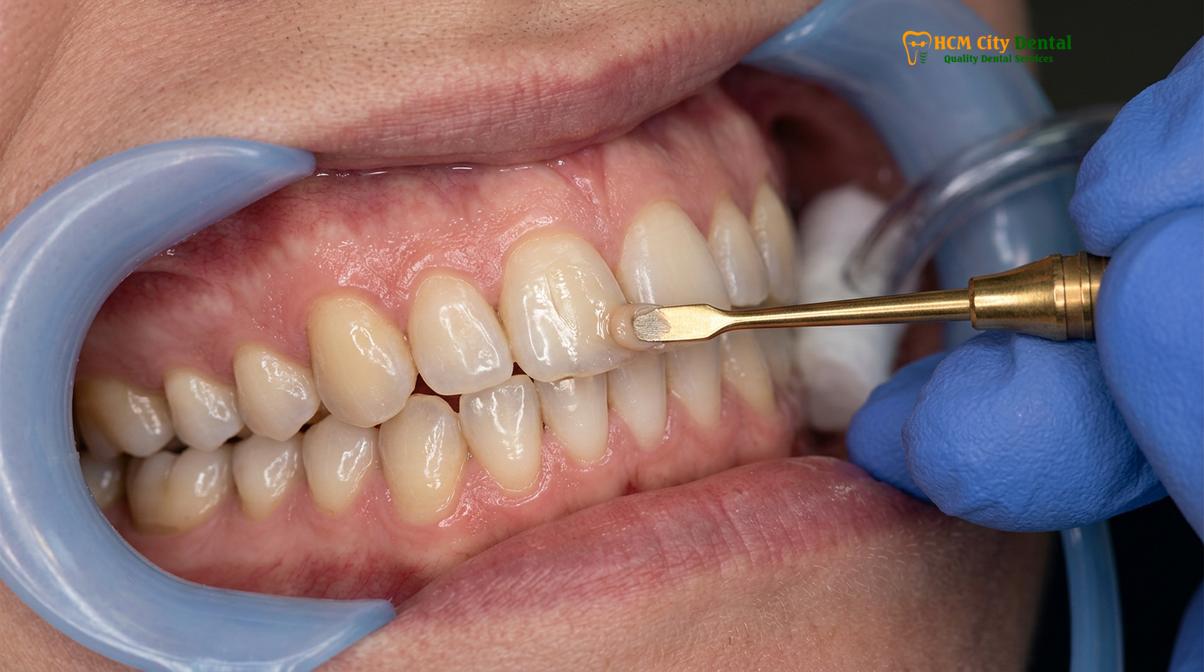
When comparing materials, the traditional gold standard for ultimate aesthetic mimicry has often been feldspathic porcelain, known for its unparalleled glass-like vitality. However, modern composite systems have advanced significantly. By utilizing a stratification technique, the dentist applies different opacities and shades of composite—layering opaque dentin shades deep within the restoration and highly translucent enamel shades on the surface. This multi-layered approach creates an illusion of depth and vitality that closely rivals indirect ceramics. The ability to instantly cure the material with a specialized halogen or LED curing light allows for an instant smile makeover, transforming a patient’s appearance in just a few hours.[2]
Furthermore, the direct nature of this treatment provides unparalleled flexibility. If a patient desires a slight modification in the shape or length of the tooth during the appointment, the clinician can immediately add or remove material before the final polish. This interactive process ensures that the patient’s aesthetic expectations are met precisely. While indirect materials like lithium disilicate and zirconium dioxide offer superior long-term durability and stain resistance, the artistic application of direct composite remains a highly sought-after solution for patients seeking immediate, conservative, and highly customizable results.
How Dr. Cuong Restores Small Imperfections in a Single Visit
Dr. Nguyen Van Cuong utilizes advanced digital diagnostics and precise freehand techniques to restore minor chips, gaps, and discolorations in just one appointment.
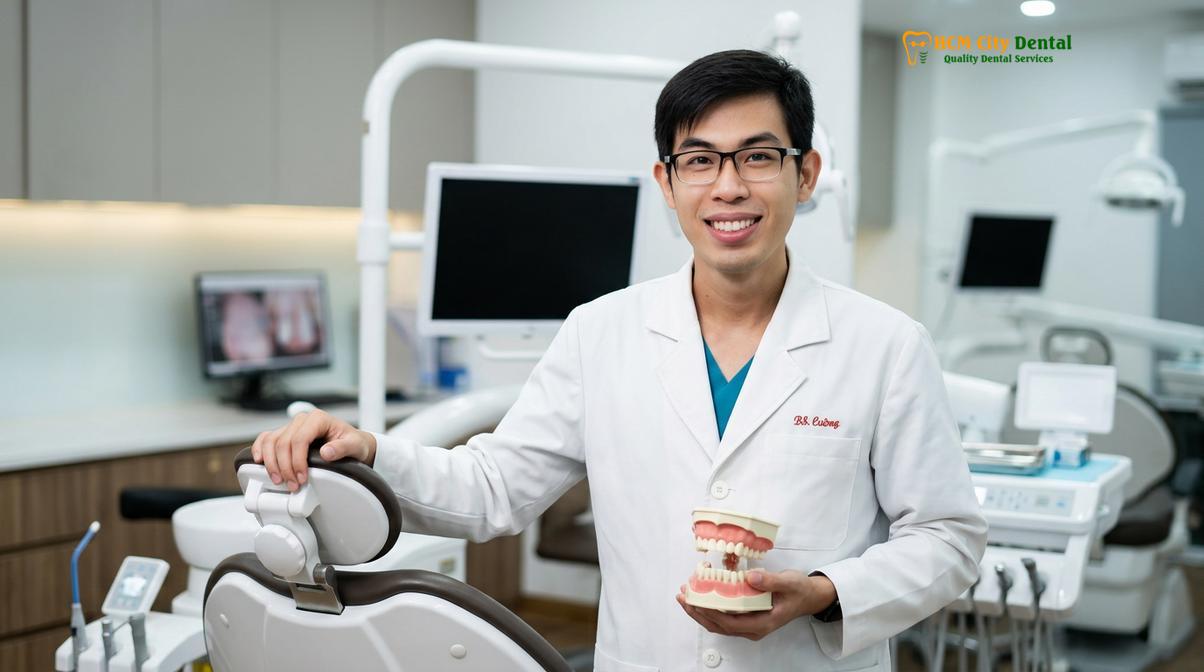
Dr. Nguyen Van Cuong, a leading specialist at HCMC Dental Clinic, emphasizes a conservative approach to aesthetic dentistry. By combining digital smile design with meticulous freehand sculpting, Dr. Cuong ensures that each restoration harmonizes with the patient’s natural facial features. Patients seeking comprehensive insights into conservative treatments often consult his guide on an Alternative for Veneers: 3 Secrets for a Perfect Smile | Dr. Cuong to explore all available options before committing to a specific material.
For patients presenting with minor imperfections such as small diastemas (gaps), incisal edge wear, or localized discoloration, the clinical philosophy is to maximize enamel preservation. Because composite resin bonds micromechanically to the tooth structure, aggressive tooth preparation is rarely necessary. In many cases, the procedure is entirely prep-less. The enamel is simply cleaned, lightly etched, and treated with a bonding agent to prepare the surface for the composite layering chairside process.
Clinical Case Study: Immediate Diastema Closure
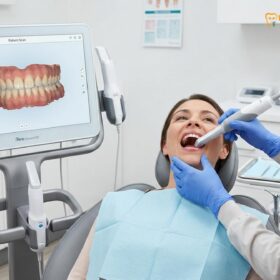
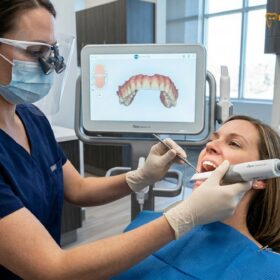
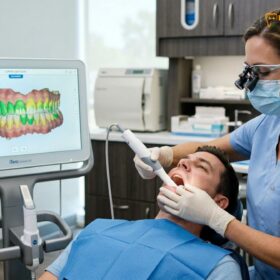
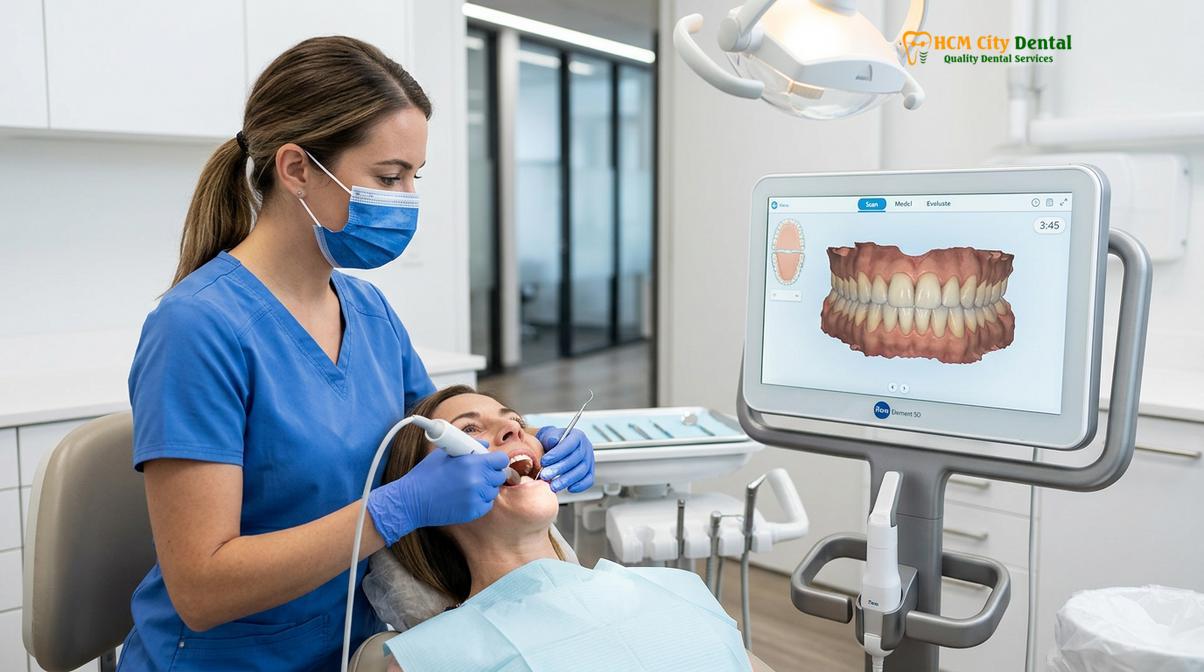
A 28-year-old patient visited HCMC Dental Clinic in Ho Chi Minh City seeking to close a 2mm central diastema (gap between the two front teeth) before an upcoming social event. After a digital scan using the Medit i700, Dr. Nguyen Van Cuong performed a direct composite bonding procedure. Without removing any natural enamel, a nano-hybrid resin was layered and sculpted to widen the central incisors symmetrically. The entire treatment was completed in 90 minutes, providing the patient with an immediate, seamless smile transformation and preserving all natural tooth structure for future options.
The efficiency of this workflow is particularly beneficial for dental tourists and expatriates who may have limited time. While our clinic boasts a direct lab partnership that allows for an express turnaround for custom ceramic treatments, the same-day composite option provides an even faster alternative. Patients can walk in with aesthetic concerns and leave the same afternoon with a fully restored, confident smile.
Composite Material Technology: Nano-Hybrid Resins
Modern nano-hybrid composite resins combine micro-fillers and nano-fillers to deliver exceptional optical translucency, high polishability, and adequate flexural strength for anterior restorations.
The success and longevity of direct veneers depend heavily on the physical and optical properties of the chosen material. Historically, composite resins were categorized by their filler particle size: macrofills offered strength but poor polishability, while microfills provided a high gloss but lacked durability. Today, the industry standard for anterior aesthetic restorations is the nano-hybrid composite resin. These advanced materials incorporate a mix of sub-micron particles and nanometer-sized silica or zirconia clusters. This unique formulation allows the material to achieve a smooth, glass-like surface polish that resists plaque accumulation, while simultaneously providing the mechanical robustness needed to withstand biting forces.[3]
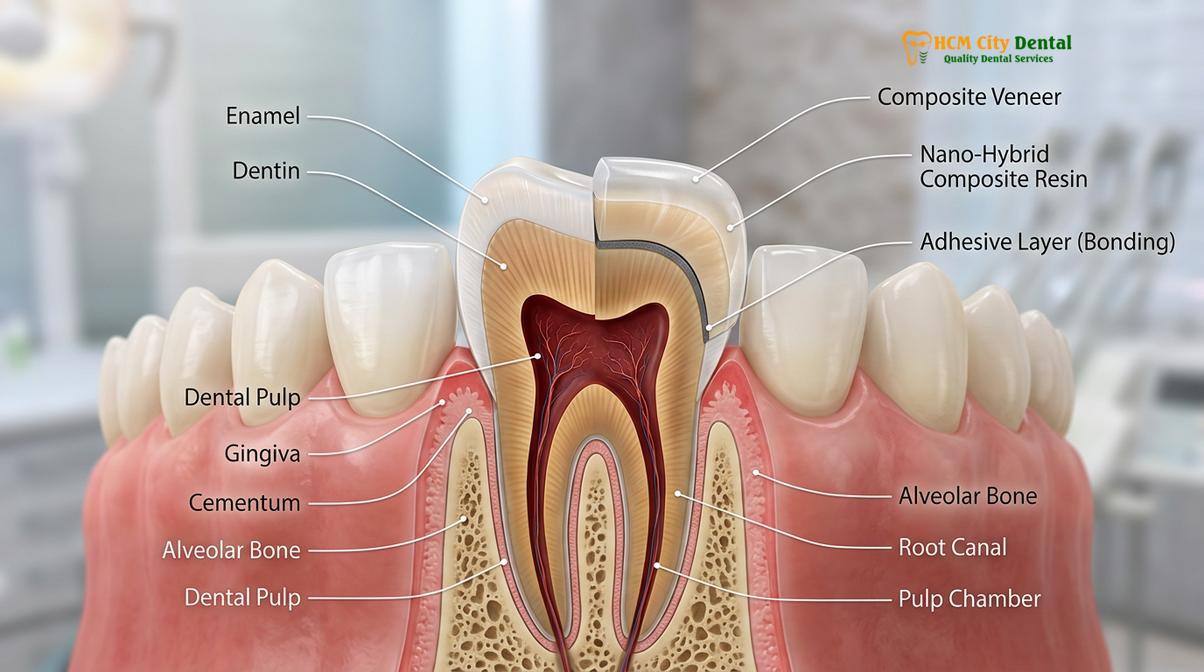
When evaluating the mechanical properties, the flexural strength is a critical metric. Modern nano-hybrid composites typically exhibit a flexural strength ranging from 120 to 160 MPa. While this is lower than the strength seen in pressed lithium disilicate or monolithic zirconia, it is generally considered more than sufficient for anterior teeth that are not subjected to heavy posterior masticatory loads. The modulus of elasticity of these composites is also designed to closely mimic that of natural dentin, allowing the restoration to flex slightly under stress, which helps absorb shock and prevent catastrophic fractures.
“The integration of nanotechnology in composite resins has revolutionized direct restorative dentistry. By optimizing the filler size and distribution, clinicians can now achieve a restoration that not only mimics the optical translucency of natural enamel but also maintains its surface gloss and structural integrity over time.”
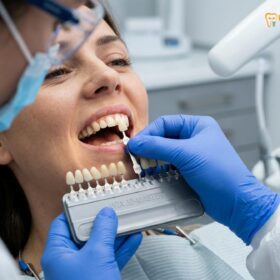
Optically, these materials are engineered to interact with light much like natural teeth. They possess specific degrees of optical translucency, opalescence, and fluorescence. During the shade matching process, clinicians can select from a wide spectrum of colors, including ultra-white bleach shades for patients desiring a brighter smile, or more natural, warmer shades. To learn more about how these materials compare to indirect ceramics in terms of longevity and aesthetics, patients often review our guide on Porcelain Veneers vs Composite Veneers: Which Is Right for You?.
Preparation and Bonding Process: Step-by-Step
The clinical workflow prioritizes maximum enamel preservation, utilizing advanced adhesive cementation protocols to ensure a durable, microleakage-free bond between the resin and natural tooth.
The clinical protocol for placing direct composite veneers is meticulous and requires strict moisture control. The process begins with thorough prophylaxis to remove any pellicle, plaque, or superficial stains from the tooth surface. Next, the clinician evaluates the biological width and the gingival zenith—the highest point of the gum tissue contour. If the gum line is uneven, a minor laser gum contouring procedure using a soft-tissue diode laser may be performed to establish a symmetrical frame for the new restorations. This ensures that the final veneers emerge naturally from the gingival sulcus without causing inflammation.[4]
Tooth preparation for composite is vastly different from traditional crown preparation. In most cases, it involves minimal-prep (removing only 0.3mm to 0.7mm of enamel) or is entirely prep-less. The primary goal is enamel preservation, as bonding to enamel yields the highest and most predictable bond strengths. Once the tooth is isolated, typically using a rubber dam or advanced retraction systems, the surface is etched with 37% phosphoric acid. This creates microscopic porosities in the enamel. A high-performance bonding agent is then applied and light-cured. While indirect ceramics rely on the adhesive cementation of a pre-milled restoration, direct bonding utilizes these bonding agents to create a micromechanical lock directly with the sculpted resin.[5]
Clinical Warning: Moisture Control
The success of composite bonding is entirely dependent on strict isolation. Any contamination from saliva, blood, or crevicular fluid during the etching and bonding phases will severely compromise the bond strength, leading to premature debonding, marginal staining, or secondary caries. Patients must cooperate by remaining still and allowing the dental team to maintain a completely dry field throughout the procedure.
The final and arguably most crucial step is finishing and polishing. The clinician uses a sequence of fine diamond burs, abrasive discs, and polishing points to refine the anatomy, create natural surface texture, and achieve a high-gloss finish. A well-polished composite veneer not only looks more lifelike but is also more resistant to extrinsic staining from coffee, tea, or tobacco. For patients wondering about the long-term durability of these restorations compared to ceramics, our detailed analysis on How Long Do Porcelain Veneers Last? (Honest Guide) provides valuable insights.
When to Consult a Specialist and Important Considerations
Proper case selection is vital; patients with severe discoloration, heavy bruxism, or extensive structural damage should consult a specialist to determine the most appropriate restorative material.
While direct bonding is highly effective for minor to moderate aesthetic corrections, it is crucial to know when to seek professional evaluation for alternative treatments. Patients experiencing severe intrinsic tooth discoloration (such as deep tetracycline staining), extensive enamel wear from acid erosion, or significant structural damage should consult a specialist to determine if composite is the right choice. In complex scenarios, the Vietnam Odonto-Stomatology Association (VOSA) recommends thorough clinical assessment to ensure that direct restorative materials are applied under optimal conditions for longevity and biocompatibility.[6]
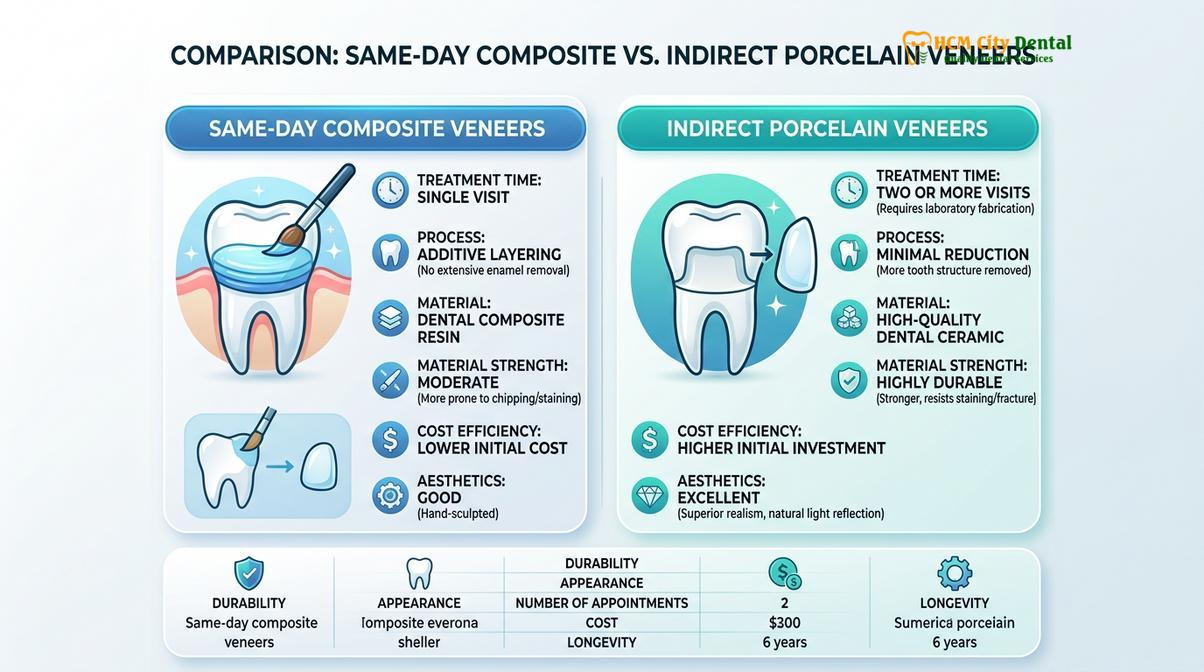
Additionally, patients with parafunctional habits like severe bruxism (teeth grinding) may not be ideal candidates for direct composite veneers without a protective night guard, as the material is more prone to chipping under heavy occlusal forces compared to monolithic ceramics. In such cases, a comprehensive evaluation of the bite and jaw alignment is necessary. Understanding the structural differences between various restorations is key, which is why we encourage patients to read about Dental Crown vs Veneer: Which Is Right For You? | Dr. Cuong to make an informed decision.
“Proper case selection is the cornerstone of aesthetic dentistry. While composite resins offer incredible versatility and immediate results, recognizing their mechanical limitations in high-stress occlusal environments ensures that patients receive restorations that are both beautiful and enduring.”
Maintenance is another critical consideration. Unlike glazed porcelain, which is highly resistant to staining, composite resins can absorb pigments over time. Patients must commit to excellent oral hygiene, avoid excessive consumption of highly pigmented foods and beverages, and attend regular professional polishing sessions to maintain the luster of their same-day veneers.
Cost Efficiency and Immediate Aesthetic Satisfaction
Same-day composite restorations offer a highly cost-effective alternative to indirect ceramics, providing immediate aesthetic satisfaction with transparent pricing and comprehensive warranty support.
One of the primary drivers for the popularity of direct composite veneers is their cost efficiency. Because the procedure bypasses the need for a dental laboratory, ceramist fees, and multiple clinical visits, the overall cost is significantly lower than that of porcelain alternatives. This makes it an accessible option for patients seeking a comprehensive smile makeover on a budget, or for those who wish to “test drive” a new smile before committing to permanent ceramic restorations in the future. When planning a treatment, patients often consult our resource on How Many Veneers Do I Need? (Guide to Planning Your Smile) to determine the optimal number of restorations for their specific arch width and smile line.
At HCMC Dental Clinic, we maintain a transparent pricing structure designed to accommodate both local residents and international dental tourists. We exclusively use authentic, certified materials from leading global manufacturers, ensuring that even our most affordable options meet rigorous quality standards. To further assist our patients, we offer a substantial 40% pre-arrival discount for treatments booked via WhatsApp.
Below is an overview of our current cosmetic dentistry fee schedule, highlighting the savings available through our direct booking channels:
| Cosmetic Treatment / Material | Standard Walk-in Price (Est.) | WhatsApp Discount Price (-40%) | Warranty Period |
|---|---|---|---|
| Composite Veneer (Chair-side) | ~$80 (2.0M VND) | From $48 (1.2M VND) | 1-Year Guarantee |
| Zirconia Veneer (Cercon HT, Germany) | ~$240 (6.0M VND) | From $144 (3.6M VND) | 3-Year Guarantee |
| E.max Porcelain Veneer (Ivoclar) | ~$320 (8.0M VND) | From $192 (4.8M VND) | 3-Year Guarantee |
| Smile Design 3D Mock-up | ~$200 (5.0M VND) | From $120 (3.0M VND)* | N/A (*Free if treated) |
| Laser Gum Contouring (Diode) | ~$160 (4.0M VND) | From $96 (2.4M VND) per arch | N/A |
Beyond the initial cost savings, patients benefit from our comprehensive support system. We provide a 1-year clinic bonding and fit guarantee for composite restorations. Furthermore, our dedicated team offers remote follow-up support via WhatsApp, utilizing photo and video assessment protocols to monitor your healing and address any concerns long after you have returned home. For patients debating between different ceramic options for future upgrades, our guide on Porcelain Veneers vs Porcelain Crowns: Which Is Right for You? | Dr. Cuong offers excellent comparative insights.
If you are ready to transform your smile in a single visit, contact HCMC Dental Clinic in Ho Chi Minh City today. Explore our comprehensive Porcelain Veneers tại HCMC Dental Clinic services and schedule your digital smile consultation with our expert clinical team.
References
- Journal of Esthetic and Restorative Dentistry. Translucency and masking ability of direct composite resins. (2021).
- International Journal of Prosthodontics. Enamel preservation and bond strength in anterior restorations. (2020).
- The Journal of Prosthetic Dentistry. Flexural strength and wear resistance of nano-hybrid composites. (2019).
- Clinical Oral Investigations. Diode laser gingival sculpting parameters for aesthetic dentistry. (2022).
- Journal of Clinical Periodontology. Biological width preservation around anterior restorations. (2018).
- Vietnam Odonto-Stomatology Association (VOSA). Guidelines on direct restorative materials and clinical protocols. (2023).