Suffering from a broken tooth? Discover the clear symptoms, understand the risks, and learn about effective treatments from a dental specialist. Read now to protect your smile.
Hello, I’m Dr. Cuong, a specialist in Odontostomatology. Dealing with a broken or cracked tooth can be a distressing and often painful experience. In my years of practice at HCMCDental.com, I’ve treated thousands of patients who come to our clinic worried about a sudden sharp pain, a new rough edge on a tooth, or sensitivity that wasn’t there before. A common question I get from patients is, “How do I know if my tooth is actually broken, and what should I do?” This is a critical question, as understanding the signs is the first step toward preventing more serious complications.
This guide is designed to be the most comprehensive and trustworthy resource available. We will walk through everything you need to know about broken tooth symptoms, from the subtle signs of a cracked tooth to the obvious signals of a major fracture. My goal is to empower you with the knowledge to identify the problem, take immediate and appropriate action, and understand the professional treatment options that can restore your dental health and peace of mind.
Recognizing the Telltale Signs of a Cracked Tooth and Other Fractures
Not all broken teeth are the same, and their symptoms can vary dramatically. Some are immediately obvious, while others, like cracked tooth syndrome, can be notoriously difficult to pinpoint. Recognizing these varied symptoms is crucial for seeking timely care.
Common Broken Tooth Symptoms You Shouldn’t Ignore
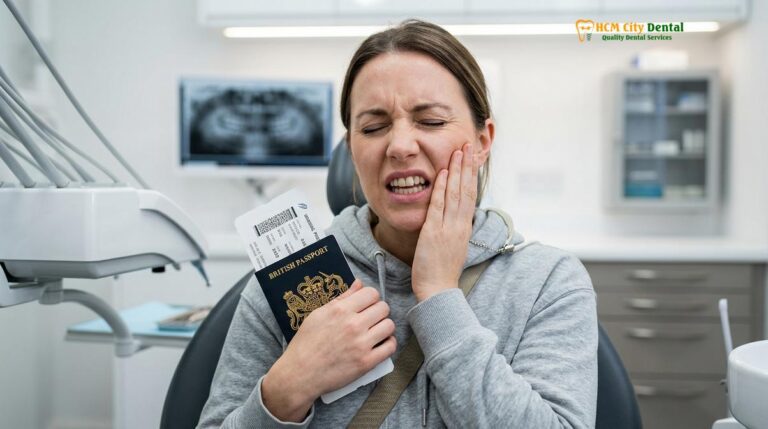
When a tooth sustains a fracture, the signs can range from mild to severe. Based on clinical observations and established dental knowledge, here are the most common indicators that you may have a broken tooth:
- Pain That Comes and Goes (Intermittent Pain): This is one of the most classic signs of a cracked tooth. The pain is not constant but appears erratically, often when you’re chewing or when the tooth is exposed to temperature changes.
- Sharp Pain When Biting or Chewing: You might feel a sharp pain when you bite down on food. Physiologically speaking, this happens because biting pressure can cause the fractured pieces of the tooth to move, irritating the sensitive pulp tissue inside, which contains nerves and blood vessels. Sometimes, the pain is more pronounced upon releasing the bite, as the crack snaps shut.
- Sensitivity to Temperature and Sweets: A new or heightened sensitivity to hot, cold, or sugary foods and drinks is a very common symptom. The crack acts as a pathway, allowing these stimuli to reach the inner dentin and pulp layers of the tooth, triggering a sharp, fleeting pain.
- Swelling of the Gum: Inflammation or swelling in the gum tissue around the affected tooth can occur. This is often a sign that the fracture has allowed bacteria to enter, leading to irritation or infection at the tooth’s root or surrounding gum.
- Feeling a Rough or Jagged Edge: Your tongue is very sensitive and can often detect a problem before you see it. You might feel a sharp or rough edge on the tooth that wasn’t there before.
- Visible Crack or Discoloration: In some cases, you might be able to see a physical crack line on the tooth. A tooth that appears darker or discolored may also suggest internal damage related to a fracture.
Understanding Different Types of Fractured Tooth Symptoms
The term “broken tooth” can describe several types of fractures, each with slightly different signs. In my experience, identifying the type of fracture is key to determining the urgency and type of treatment required.
Here is a breakdown of the common fracture types and their associated symptoms:
| Type of Fracture | Common Symptoms | Dr. Cuong’s Clinical Notes |
|---|---|---|
| Craze Lines | Usually painless; appear as faint vertical lines on the enamel. | These are very common and typically just a cosmetic issue. They are superficial cracks in the enamel and don’t usually require treatment unless for aesthetic reasons. |
| Fractured Cusp | Often causes a sharp pain when a piece of the tooth’s chewing surface breaks off, usually around a filling. The pain might not be severe once the piece is gone. | This is a frequent occurrence at our clinic, especially with teeth that have large, older fillings. The filling can act as a wedge, weakening the tooth structure over time. |
| Cracked Tooth | Sharp pain on biting (especially on release), temperature sensitivity, and pain that comes and goes. The crack extends vertically towards the root but hasn’t separated the tooth yet. | These are the trickiest to diagnose. The pain can be vague and hard to locate. We often use special diagnostic tools like a fiber-optic light (transillumination) or dental dye to reveal the crack. |
| Split Tooth | The tooth has split into two distinct, movable segments. This is often the result of an untreated cracked tooth and can be quite painful. | A split tooth is a serious condition. Whether the tooth can be saved depends on how far the crack has extended below the gumline. Prompt action is critical. |
| Vertical Root Fracture | Often shows minimal or vague symptoms initially, such as mild pain or a pimple-like bump (sinus tract) on the gum near the tooth. The crack starts in the root and moves up. | This type of fracture is often discovered when the surrounding bone and gum become infected. Because they are so hard to detect, they can unfortunately lead to tooth loss if not caught early. |
broken tooth symptoms
What Causes a Tooth to Break or Crack?
Understanding the causes can help in preventing future fractures. Teeth are incredibly strong, but they are not indestructible. Over many years of practice, I’ve seen fractures result from a variety of factors:
- Trauma or Injury: A direct blow to the mouth from a fall, sports injury, or accident is a primary cause.
- Biting on Hard Objects: Chewing on ice, hard candy, popcorn kernels, or even non-food items like pens can create enough force to crack a tooth.
- Large Dental Fillings: Teeth with large fillings are inherently weaker, as the filling doesn’t provide the same strength as natural tooth structure. The remaining tooth can be prone to fracturing around the filling.
- Teeth Grinding (Bruxism): The chronic, immense pressure from clenching or grinding your teeth, especially during sleep, can lead to cracks over time.
- Age: People over the age of 50 are more likely to experience cracked teeth simply due to a lifetime of wear and tear.
- Sudden Temperature Changes: While less common, rapidly exposing your teeth to extreme temperature changes (like eating something very hot and then drinking ice water) can cause microscopic expansion and contraction, potentially leading to cracks.
A Word From Dr. Cuong: “A common scenario at our clinic is a patient who has a large, old amalgam (silver) filling. These fillings can expand and contract at a different rate than the natural tooth, creating internal stress over decades. Eventually, this can lead to a cusp fracturing off. This is why regular dental check-ups are so vital; we can identify these at-risk teeth and recommend protective measures like a crown before a painful fracture occurs.”
If you are experiencing any fractured tooth symptoms, it’s a sign that you need a professional evaluation. Still have questions? Call our Hotline/WhatsApp now at +84853020003 for a direct, completely free consultation with me, Dr. Cuong!
broken tooth symptoms
Is a Broken Tooth a Dental Emergency? The Dangers of Waiting
A broken tooth should always be evaluated by a dentist promptly, but some situations are true dental emergencies. Ignoring the symptoms can lead to serious and more complex problems.
An untreated fracture provides an open door for bacteria to invade the inner pulp of the tooth. This can lead to:
- Infection and Abscess: Bacteria reaching the pulp can cause a severe infection, leading to a painful abscess—a pocket of pus at the root of the tooth. Symptoms of an abscess include persistent, throbbing pain, fever, and swollen lymph nodes.
- Damage to Surrounding Tissues: An infection can spread from the tooth to the surrounding gum and jawbone, potentially causing bone loss.
- Tooth Loss: If a crack is left to spread, it can extend deep below the gum line or split the tooth entirely, making it impossible to save. In these cases, extraction becomes the only option.
- Systemic Health Issues: Research shows that chronic oral infections can have consequences for your overall health, as bacteria can enter the bloodstream and contribute to other health problems.
When to Seek Immediate Emergency Care:
- If you have severe, unbearable pain.
- If there is heavy bleeding.
- If you have swelling in your face or gums that could interfere with breathing or swallowing.
- If you have a fever, which is a sign of a spreading infection.
broken tooth symptoms
What to Do Immediately After Breaking a Tooth: First-Aid at Home
While you are waiting to see a dentist, there are several steps you can take to manage the situation and protect your tooth. These first-aid measures can make a significant difference in your comfort and the ultimate outcome of treatment.
- Rinse Your Mouth: Gently rinse your mouth with warm salt water to clean the area and reduce the risk of infection.
- Collect Any Fragments: If a piece of the tooth has broken off, try to find it. Rinse it gently with water and store it in a small container with milk or your own saliva. In some cases, the dentist may be able to reattach the fragment.
- Manage Pain and Swelling: Apply a cold compress or ice pack to the outside of your cheek near the affected area for 15-minute intervals to reduce swelling and numb the pain. Over-the-counter pain relievers like ibuprofen can also help manage discomfort by reducing inflammation.
- Protect Your Mouth: If the broken tooth has a sharp or jagged edge, you can cover it with a piece of sugar-free chewing gum or orthodontic wax to prevent it from cutting your tongue or cheek.
- Be Careful with Food: Eat soft foods and try to avoid biting down on the broken tooth.
broken tooth symptoms
Professional Solutions: How a Dentist Fixes a Broken Tooth
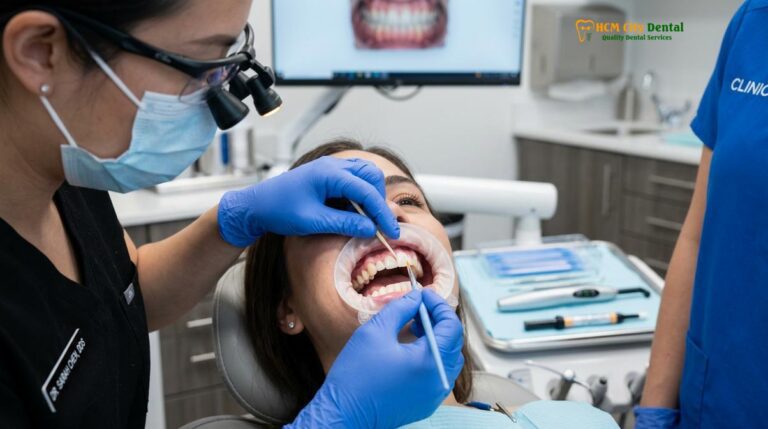
The treatment for a broken tooth depends entirely on the type and severity of the fracture. After a thorough examination, which may include X-rays and other diagnostic tests, I will recommend the most appropriate solution to restore your tooth’s health and function.
Here are the most common professional treatments:
| Treatment Option | Best For | Procedure Overview |
|---|---|---|
| Dental Bonding | Minor chips or small cracks, especially on front teeth. | A tooth-colored composite resin is applied to the tooth to fill the crack or rebuild the chipped area. It’s a simple, often single-visit procedure. |
| Dental Veneer | Chipped or cracked front teeth where aesthetics are a primary concern. | A thin, custom-made shell of porcelain is bonded to the front surface of the tooth, concealing the damage and providing a beautiful, natural look. |
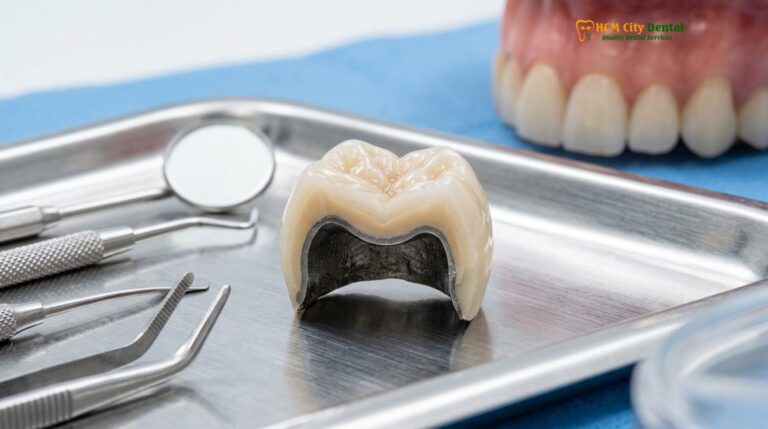
| Dental Crown | Larger fractures, fractured cusps, or teeth that have had a root canal. | A crown, or “cap,” covers the entire tooth, holding it together, protecting it from further damage, and restoring its shape and function. |
| Root Canal Therapy | Cracks that have extended into the tooth’s pulp, causing infection or nerve damage. | The infected or damaged pulp is removed, the inside of the tooth is cleaned and sealed, and a crown is typically placed on top to protect the tooth. |
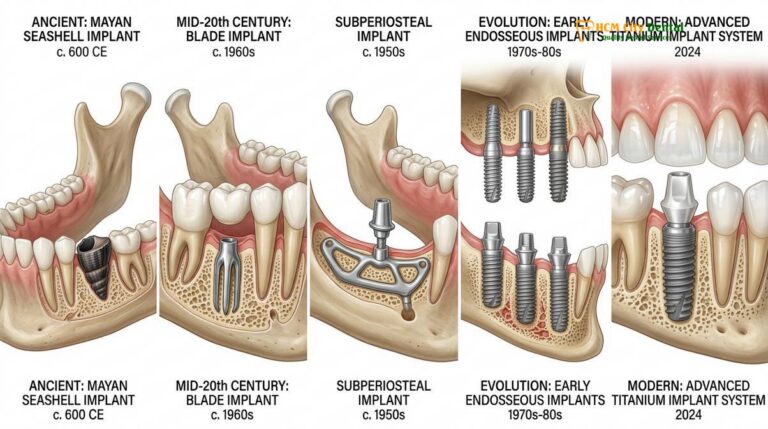
| Tooth Extraction | Severe fractures where the tooth is split or the crack extends deep below the gum line, making it unsalvageable. | The tooth is removed. We would then discuss replacement options like a dental implant or bridge to maintain your bite and oral health. |
A Note on Treatment from Dr. Cuong: “Experience has shown that for cracks that are caught early, a simple and conservative treatment like bonding or a crown is often highly effective. However, when a patient waits, a small problem can escalate, requiring a root canal or even extraction. This is why I always stress the importance of addressing any signs of a cracked tooth as soon as you notice them. Your swift action can save your tooth.”
Don’t let a broken tooth compromise your health. Take the first step towards a solution. Book an appointment online now at HCMCDental.com and get a 10% discount on your first appointment!
broken tooth symptoms
Frequently Asked Questions (FAQ)
What are the most common cracked tooth symptoms I should watch for?
The most common cracked tooth symptoms include pain that comes and goes, sharp pain when you bite down (especially when you release the bite), and new sensitivity to hot or cold temperatures. You might also feel a rough edge with your tongue or notice swelling in the gum near the tooth.
Can a broken tooth heal on its own?
No, a broken or cracked tooth cannot heal on its own. Unlike bones, tooth enamel does not have the ability to regenerate. Dental treatment is always necessary to repair the damage and prevent complications like infection or further cracking.
How do fractured tooth symptoms differ from tooth decay pain?
While both can cause sensitivity, fractured tooth symptoms often include a sharp, fleeting pain specifically when biting, which may not be present with decay. Pain from a cavity is often a more constant, dull ache or a sharp pain in response to sweets. A dental examination is needed to determine the exact cause.
Is it normal for the pain from a cracked tooth to come and go?
Yes, it is very typical for the pain to be intermittent. The crack may only cause pain when certain pressures or temperatures cause it to flex and irritate the nerve inside. This inconsistency is one of the reasons why diagnosing the signs of a cracked tooth can be challenging without a professional evaluation.
What should I do if I think I have a cracked tooth but can’t see it?
Even if you can’t see a crack, you should see a dentist if you have symptoms. Many cracks, especially vertical root fractures, are invisible to the naked eye and may not even show up on standard X-rays. Dentists have specialized tools and techniques to detect these hidden fractures.
Will I need a root canal if I have a cracked tooth?
Not always. A root canal is only necessary if the crack has reached the pulp (the inner nerve tissue) and caused inflammation or infection. For smaller cracks that are only in the outer layers of the tooth, treatments like bonding or a crown are usually sufficient.
How can I prevent my teeth from cracking?
To reduce your risk, avoid chewing on hard objects like ice or popcorn kernels. If you play sports, wear a mouthguard. If you grind your teeth (bruxism), talk to your dentist about getting a nightguard to protect your teeth from the intense pressure. Regular dental check-ups also allow your dentist to identify and address any risk factors, like large fillings, before they cause a problem.
broken tooth symptoms
Your Next Step to a Healthy Smile
Experiencing broken tooth symptoms can be alarming, but understanding the signs and knowing that effective treatments are available is the first step toward recovery. From the subtle, intermittent pain of a cracked tooth to the unmistakable feeling of a fracture, these are signals from your body that should not be ignored. Prompt action is the key to preventing infection, saving your tooth, and avoiding more complex and costly procedures down the line.
At HCMCDental.com, my team and I are dedicated to providing expert, compassionate care. We leverage our deep clinical experience and modern technology to accurately diagnose the problem and restore your smile’s health and beauty.
Don’t wait for the pain to worsen. If you recognize any of the symptoms discussed in this guide, take control of your oral health today. Call our Hotline/WhatsApp now at +84853020003 for a completely free consultation, or book your appointment online to receive a 10% discount.
This article was medically reviewed and written by Dr. Cuong.
Written and Medically Reviewed By
Dr. Cuong is a leading Specialist in Odontostomatology and the head of HCMCDental.com. With extensive experience in treating a wide range of complex dental issues, including dental trauma and fractures, he is committed to providing the highest standard of patient care. His approach combines deep diagnostic expertise with advanced, patient-focused treatment solutions to ensure optimal outcomes and long-term oral health for all his patients.
Important Disclaimer
The information provided in this article is for educational and informational purposes only and is not intended as a substitute for professional medical advice, diagnosis, or treatment. Always seek the advice of your dentist or another qualified health provider with any questions you may have regarding a medical condition. Never disregard professional medical advice or delay in seeking it because of something you have read in this article.