[Instant Relief] Best Medicine for Tooth Pain Revealed | Dr. Cuong

Searching for the "best medicine for tooth pain" can be overwhelming, especially when you're in distress. As a dental specialist, I'm here to provide a...
Searching for effective relief from tooth pain can be overwhelming, especially when discomfort is acute. A throbbing toothache is one of the most common and disruptive pains an individual can experience, often signaling an underlying issue that demands prompt attention. This comprehensive guide provides clear, medically sound information to help you navigate your options, directly addressing the crucial question: “What is the best medicine for tooth pain right now?“
We will explore the most effective over-the-counter medications, discuss when prescription teeth pain medicine might be necessary, and examine safe home remedies that can offer temporary comfort. It is paramount to understand that while immediate relief is important, tooth pain is a vital indicator from your body. Our goal is to empower you with trustworthy knowledge to manage your discomfort safely and effectively, ensuring you are well-informed until professional dental care can diagnose and treat the root cause.
Understanding What Causes Tooth Pain
Tooth pain, or toothache, is not a disease in itself but a symptom of an underlying problem. The pain occurs when the innermost layer of your tooth, the pulp—which contains sensitive nerves and blood vessels—becomes inflamed or irritated. Understanding the root cause is the first step toward finding a lasting solution, not just temporary relief.
Common Culprits Behind Your Toothache
Based on clinical observations at our clinic, tooth pain can stem from a variety of issues, ranging from minor to severe. The most frequent causes I diagnose include:
- Tooth Decay (Cavities): This is the most common cause of tooth pain. When bacteria in your mouth break down sugars, they produce acids that can erode your tooth’s hard outer layers, enamel and dentin, creating a cavity. When decay reaches the sensitive inner pulp, it triggers pain.
- Dental Abscess: An abscess is a pocket of pus caused by a bacterial infection. It can form at the tip of the tooth’s root (periapical abscess) or in the gums at the side of a tooth root (periodontal abscess). This condition often causes severe, persistent, and throbbing pain and is a serious infection that requires immediate dental attention.
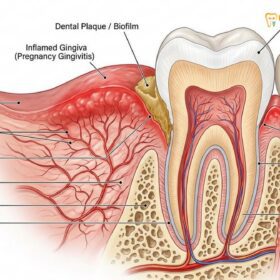
- Gum Disease (Gingivitis and Periodontitis): Inflamed or infected gums can cause pain and sensitivity. In advanced stages (periodontitis), the gums pull away from the tooth, creating pockets that can become infected and lead to pain and even bone loss.
- Cracked or Fractured Tooth: A crack in a tooth, sometimes invisible to the naked eye, can expose the sensitive pulp to bacteria and temperature changes, causing sharp pain, especially when chewing.
- Damaged Fillings or Crowns: Dental restorations don’t last forever. A loose or broken filling can expose the sensitive parts of the tooth that were once protected, leading to discomfort.
- Teeth Grinding (Bruxism): Many people unconsciously grind or clench their teeth, especially during sleep. This constant pressure can wear down teeth and cause a dull, persistent ache in the teeth and jaw muscles.
Is Tooth Pain a Dental Emergency?
While some minor toothaches might resolve if they are due to temporary gum irritation, most tooth pain is a sign of a condition that requires professional treatment. It’s crucial to know when to seek immediate help.
In my experience, patients often wait too long to address tooth pain, hoping it will disappear. This delay can allow a minor issue, like a small cavity, to develop into a much more serious problem, such as a dental abscess, which can have health implications beyond the mouth. Prompt evaluation is always the safest approach.
You should contact a dentist immediately or go to an emergency room if your toothache is accompanied by:
- Severe, throbbing pain that isn’t relieved by painkillers.
- Swelling in your face, jaw, or neck.
- A fever, chills, or earache.
- Difficulty breathing, swallowing, or opening your mouth wide.
Ignoring these signs can be dangerous, as a severe dental infection can spread to other parts of the body. If you’re experiencing any of these symptoms, don’t wait. Still have questions? Call our Hotline/WhatsApp now at +84853020003 for a direct, completely free consultation with Dr. Cuong!

best medicine for tooth pain
? Emergency? Get Professional Treatment Now
If you’re in Ho Chi Minh City and experiencing acute pain, Dr. Nguyen Van Cuong offers same-day emergency relief at HCMC Dental — District 1. Free exam, 100% English.
Specific Treatment Info → ? WhatsApp Dr. CuongWhat to Take for Tooth Pain: A Guide to Medications
When you’re in pain, you need relief fast. The best medication for tooth pain often depends on the cause and whether inflammation is a key factor. Here, we break down the most effective and safest options available.
Best Over-the-Counter Anti-inflammatory for Toothache
For many types of dental pain, especially those involving swelling (like an abscess or gum inflammation), nonsteroidal anti-inflammatory drugs (NSAIDs) are the first-line recommendation from dentists. These medications work by reducing both pain and inflammation.
The most common and effective NSAIDs for tooth pain include:
- Ibuprofen (Advil, Motrin): Widely considered one of the best OTC options, ibuprofen is highly effective at reducing the inflammation that often causes dental pain.
- Naproxen (Aleve): This is another strong anti inflammatory for toothache that offers longer-lasting relief, meaning you may need to take fewer doses throughout the day.
A common scenario at our clinic involves patients with pain from an inflamed wisdom tooth. In these cases, an NSAID like ibuprofen is often very effective at managing the discomfort until a definitive treatment plan can be made.
Other Effective Over-the-Counter Pain Relievers
If you are unable to take NSAIDs due to a medical condition (like stomach ulcers) or an allergy, other options are available.
- Acetaminophen (Tylenol): Acetaminophen is an excellent pain reliever but does not have anti-inflammatory properties. It works by blocking pain signals in the brain and is a safer choice for individuals with certain stomach issues or those who cannot tolerate NSAIDs.
- Topical Anesthetics (Benzocaine Gels): Products like Orajel or Anbesol contain benzocaine, a numbing agent that can be applied directly to the sore tooth and gums for temporary, localized relief. However, these are meant for short-term use only and should not be used on children under two years old.
A common mistake I see patients make is applying a crushed aspirin tablet directly to the tooth or gum. This is a folk remedy that does not work and can cause a painful chemical burn to the soft tissues in your mouth. Pain medication should always be swallowed as directed.
Comparing the Strongest Tooth Pain Reliever Options
To help you choose the best medicine for your toothache, here is a comparison of the most common OTC options. Always follow the dosage instructions on the package unless advised otherwise by a healthcare professional.
| Medication | Type | Primary Benefit | Best For | Important Considerations |
|---|---|---|---|---|
| Ibuprofen (Advil, Motrin) | NSAID | Reduces pain and inflammation. | Pain with swelling (abscess, gum disease, trauma). | Take with food to avoid stomach upset. Avoid if you have stomach ulcers or kidney issues. |
| Naproxen (Aleve) | NSAID | Long-lasting pain and inflammation relief. | Moderate, persistent pain with swelling. | Fewer daily doses needed. Similar precautions as ibuprofen. |
| Acetaminophen (Tylenol) | Analgesic | Relieves pain without affecting inflammation. | Mild to moderate pain; for those who cannot take NSAIDs. | Safer for the stomach, but exceeding the recommended dose can cause severe liver damage. |
| Benzocaine Gels (Orajel, Anbesol) | Topical Anesthetic | Numbs the specific area for fast, temporary relief. | Sharp, localized pain from a tooth or gum irritation. | For short-term use only. Not a solution for the underlying problem. |
Prescription Medication for Severe Tooth Pain
When over-the-counter teeth pain medicine is not enough to manage severe pain, a dentist may prescribe stronger options. This is typically reserved for situations like post-surgical pain (e.g., after a tooth extraction) or a severe infection.
- Prescription-Strength NSAIDs: Your dentist can prescribe a higher dose of ibuprofen than what is available over the counter.
- Corticosteroids: These are powerful anti-inflammatory drugs that may be prescribed for intense swelling or after certain dental procedures like a root canal.
- Opioids (e.g., Codeine, Tramadol): Due to their potential for dependence and side effects, opioids are prescribed cautiously and only for short-term management of severe pain when other medications are ineffective.
Deciding on the right pain relief is a critical step, but it’s a temporary one. Ready to address the root cause of your pain? Book an appointment online at HCMCDental.com and get a 10% discount on your first appointment!

best medicine for tooth pain
Safe At-Home Remedies to Complement Medical Treatment
While medication is effective, several at-home remedies can provide additional comfort and help keep the area clean while you wait for your dental appointment. These are supportive measures, not cures.
Effective Rinses for a Clean and Soothed Mouth
- Saltwater Rinse: This is the first-line home remedy I recommend to nearly all my patients experiencing pain. Rinsing with warm salt water (half a teaspoon of salt in a glass of warm water) acts as a natural disinfectant. It can help reduce inflammation, cleanse the area of irritating debris, and promote healing.
- Hydrogen Peroxide Rinse: A rinse with diluted hydrogen peroxide (equal parts 3% hydrogen peroxide and water) can help reduce bacteria and relieve minor gum irritation. It’s crucial to spit out the solution and never swallow it.
Other Natural and Supportive Measures
- Cold Compress: Applying an ice pack wrapped in a towel to the outside of your cheek for 20-minute intervals can significantly reduce swelling and numb the area, providing temporary pain relief. This is especially helpful for pain from trauma or an abscess.
- Clove Oil: Clove oil contains eugenol, a natural anesthetic and antiseptic that has been used in dentistry for centuries. Apply a very small amount to a cotton ball and dab it on the sore tooth. Use it sparingly, as it can irritate the gums if overused.
- Peppermint Tea Bags: A cooled, wet peppermint tea bag placed against the affected tooth can have a soothing, numbing effect due to the menthol it contains.
Based on clinical experience, combining a warm saltwater rinse with an over-the-counter anti-inflammatory like ibuprofen often provides the most effective temporary relief for patients waiting for treatment. The rinse cleanses and soothes the area, while the medication targets the underlying inflammation.

best medicine for tooth pain
Prevention: The Best Medicine of All
The most effective way to deal with tooth pain is to prevent it from happening in the first place. Over many years of practice, I’ve seen firsthand how consistent, simple habits can save patients from the distress and cost of emergency dental work.
Here are the cornerstones of preventing tooth pain:
- Impeccable Oral Hygiene: Brush your teeth twice a day for two minutes with a fluoride toothpaste and floss daily. This removes plaque, the sticky film of bacteria that causes tooth decay and gum disease.
- Balanced Diet: Limit your intake of sugary and acidic foods and drinks. These substances feed the harmful bacteria in your mouth that lead to cavities.
- Regular Dental Check-ups and Cleanings: Visiting your dentist every six months allows for the early detection and treatment of problems before they become painful. Professional cleanings remove tartar buildup that regular brushing can’t handle.
- Wear a Mouthguard: If you grind your teeth at night (bruxism) or play contact sports, a custom-fitted mouthguard is essential to protect your teeth from fractures and wear.

best medicine for tooth pain
Frequently Asked Questions (FAQ)
What is the best medicine for a toothache if I have swelling?
For a toothache with swelling, an anti inflammatory for toothache like ibuprofen or naproxen is generally the best choice. These medications, known as NSAIDs, work to reduce both the pain and the inflammation that is causing the swelling.
Can I take Tylenol and ibuprofen together for severe tooth pain?
Some studies and dentists suggest that alternating between ibuprofen and acetaminophen (Tylenol) can provide more effective pain relief than taking either one alone. However, it is crucial to consult with your dentist or a healthcare provider before combining medications to ensure it is safe for you and to get the correct dosing schedule.
What is the strongest tooth pain reliever I can get over the counter?
For pain that involves inflammation, ibuprofen and naproxen are often considered the strongest over-the-counter options because they target both pain and swelling. A combination of ibuprofen and acetaminophen has been shown in some studies to be more effective for severe dental pain than some prescription opioids.
How long can I take pain medicine for a toothache?
Over-the-counter pain relievers are intended for short-term use. If you have a toothache that lasts for more than one or two days, you need to see a dentist. Using medication to mask the pain without treating the underlying cause can lead to a more serious and complicated dental problem.
What should I do if my teeth pain medicine isn’t working?
If over-the-counter medicine is not relieving your tooth pain, it is a sign that you have a significant dental issue, such as a severe infection or abscess. You should contact your dentist immediately. Do not exceed the recommended dosage of any medication.
Is it safe to use natural remedies like clove oil?
Natural remedies like clove oil and saltwater rinses can provide temporary relief and are generally safe when used correctly. Clove oil should be used sparingly on the tooth itself, avoiding the gums. These remedies are supportive measures and not a substitute for professional dental care.
When should I go to the emergency room for a toothache?
You should go to the emergency room if your tooth pain is accompanied by severe swelling of the face or neck, a high fever, and difficulty breathing or swallowing. These are signs of a serious infection that has spread and requires immediate medical attention.

best medicine for tooth pain
Conclusion: Your Next Step Towards a Pain-Free Smile
Navigating the options for tooth pain relief can be challenging, but understanding the role of anti-inflammatories, analgesics, and safe home remedies is the first step toward managing your discomfort. The best medicine for tooth pain, particularly an anti inflammatory for toothache like ibuprofen, can provide crucial temporary relief. However, it’s vital to remember that these medications are a bridge, not a destination. Pain is your body’s alarm system, signaling that a deeper issue needs professional attention.
At HCMCDental.com, my priority is to move beyond temporary fixes to provide lasting solutions. Ignoring the problem will not make it go away; it will only allow it to worsen. I urge you to listen to what your body is telling you.
Don’t endure the pain any longer. Take the most important step towards relief by scheduling a professional evaluation. Book your appointment online now at HCMCDental.com to receive a 10% discount on your initial consultation, or call our Hotline/WhatsApp at +84853020003 for a free, no-obligation chat with our expert team.
This article was medically reviewed and written by Dr. Cuong.
Important Disclaimer
The information provided in this article is for educational and informational purposes only and is not intended as a substitute for professional medical advice, diagnosis, or treatment. Always seek the advice of your dentist or another qualified health provider with any questions you may have regarding a medical condition. Never disregard professional medical advice or delay in seeking it because of something you have read in this article. Reliance on any information provided herein is solely at your own risk.
Written and Medically Reviewed By
Dr. Cuong is a highly experienced specialist in the field of Odontostomatology. With a deep commitment to patient care and oral health, he has dedicated his career to providing the highest standard of dental treatment. At HCMCDental.com, Dr. Cuong combines his extensive clinical experience with the latest advancements in dental technology to diagnose and treat a wide range of dental conditions, from routine care to complex restorative procedures. He is passionate about patient education, believing that an informed patient is an empowered one. His trustworthy and empathetic approach ensures that every patient feels comfortable and confident in their treatment journey.

best medicine for tooth pain